



What Are Uppers and Downers? Effects, Examples, and Key Differences
-
 By:
Valerie Puffenberger, PMHNP-BC
By:
Valerie Puffenberger, PMHNP-BC -
Editor:
Phyllis Rodriguez, PMHNP-BC
-
Clinical Reviewer:
Dr. Ash Bhatt, MD, MRO
 By:
By:
 Editor:
 Clinical Reviewer:
What Are Uppers and Downers?
Uppers and downers are two types of drugs that affect the body in opposite ways.
- Uppers (stimulants) increase energy, alertness, and heart rate
- Downers (depressants) slow brain activity, leading to relaxation and drowsiness
Both are used in medical settings, but they’re also commonly misused—and that’s where the real risks begin, including addiction and overdose.
What Are Upper Drugs?
Upper drugs—also called stimulants—speed up the central nervous system. They can make you feel more awake, focused, and energized.
In everyday terms, uppers push your body into “high gear.”
Common Examples of Upper Drugs
Prescription stimulants (often used for ADHD):
- Adderall
- Ritalin
- Concerta
Illegal stimulants:
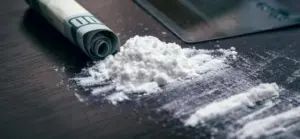
- Cocaine
- Methamphetamine
- Ecstasy
Some of these medications are helpful when used correctly—but misuse can quickly turn into something much more serious.
Effects of Uppers
Short-term effects:
- Increased energy and alertness
- Faster heart rate
- Elevated blood pressure
- Boosted mood or euphoria
Long-term risks:
- Anxiety and paranoia
- Heart-related complications
- Noticeable weight loss
- High risk of addiction
What Are Downer Drugs?
Downer drugs—known as depressants—slow down brain activity and relax the body.
Put simply, downers bring your system into a calmer, slower state.
Common Examples of Downers
Prescription depressants:
- Xanax
- Valium
- Ambien
Other depressants:
- Heroin
- Opioid pain medications
Effects of Downers
Short-term effects:
- Relaxation and reduced anxiety
- Slower heart rate
- Drowsiness or sedation
Long-term risks:
- Memory problems
- Physical dependence
- Slowed breathing (respiratory depression)
- Increased risk of overdose
Uppers vs Downers: Key Differences
- Uppers: Increase energy, focus, and heart rate
- Downers: Slow the brain and promote relaxation
- Medical use: Both can be safe when prescribed and monitored
- Risk level: Both carry a high risk of misuse, addiction, and overdose
👉 In simple terms: uppers speed you up, downers slow you down.
What Are Upper Pills?
“Upper pills” usually refer to stimulant medications taken in pill form, such as those prescribed for ADHD.
They’re meant to improve focus and alertness—but they’re also one of the most commonly misused types of prescription drugs, especially for energy, studying, or performance.
That misuse can lead to serious issues, including heart strain and dependency.
Why Mixing Uppers and Downers Is Dangerous
Some people mix stimulants and depressants—often called speedballing—to balance out the effects.
In reality, this puts a huge amount of stress on the body.
Mixing these drugs can lead to:
- Unpredictable heart rate and blood pressure
- Confusion and poor coordination
- A much higher risk of overdose
- Life-threatening medical emergencies
Because these drugs send opposite signals to the brain, the body can become overwhelmed very quickly.
Signs of Addiction to Uppers and Downers
Spotting the signs early can make a real difference.
Common signs of stimulant (upper) addiction
- Constant restlessness or agitation
- Trouble sleeping
- Risky or impulsive behavior
Common signs of depressant (downer) addiction
- Excessive drowsiness
- Slurred speech
- Confusion or memory problems
Shared warning signs
- Loss of control over use
- Continuing despite negative consequences
- Physical dependence
Treatment Options for Addiction
Recovery doesn’t look the same for everyone—but the right support can make it possible.
Treatment often includes:
- Medical detox to manage withdrawal safely
- Inpatient rehab for structured, round-the-clock care
- Outpatient programs for flexibility and continued support
- Therapy and counseling to address underlying causes
- Dual diagnosis treatment for co-occurring mental health conditions
Real Recovery Is Possible
If you or someone close to you is struggling with uppers, downers, or both, getting help early can change everything.
At Legacy Healing Center, care is built around both the physical and emotional side of recovery—helping people regain stability, clarity, and a sense of control again.
Final Takeaway
Uppers and downers affect the body in opposite ways—but both can become dangerous when misused.
- Uppers increase energy and alertness
- Downers slow the brain and body
- Both carry serious risks, especially when combined
Understanding how they work is often the first step toward making safer choices—and, when needed, getting help.
Frequently Asked
Questions about Upper And Downer Drugs
What are uppers and downers in simple terms?
Uppers and downers are drugs that affect the body in opposite ways. Uppers (stimulants) increase energy, alertness, and heart rate, while downers (depressants) slow brain activity and create a calming or sedating effect. Both types can be prescribed medically but are often misused, which increases the risk of addiction and overdose.
What are examples of upper drugs?
Common upper drugs include prescription stimulants like Adderall, Ritalin, and Concerta, which are used to treat ADHD. Illegal stimulants such as Cocaine and Methamphetamine are also considered uppers due to their intense effects on energy and alertness.
What are examples of downer drugs?
Downer drugs include depressants like Xanax, Valium, and Ambien, which are commonly prescribed for anxiety or sleep issues. Stronger depressants, such as Heroin and other opioid medications, can slow breathing and significantly increase overdose risk when misused.
Is it dangerous to mix uppers and downers?
Yes, mixing uppers and downers is extremely dangerous. Combining stimulants and depressants can put severe stress on the heart and brain, leading to unpredictable effects like irregular heart rate, confusion, or overdose. This practice—sometimes called speedballing—significantly increases the risk of life-threatening complications.
Are uppers or downers more addictive?
Both uppers and downers can be highly addictive. Stimulants often lead to psychological dependence due to their energy-boosting effects, while depressants can cause strong physical dependence because of their calming and sedative properties. The risk of addiction depends on factors like frequency of use, dosage, and individual health conditions.