




-
 By:
Valerie Puffenberger, PMHNP-BC
By:
Valerie Puffenberger, PMHNP-BC -
Editor:
Phyllis Rodriguez, PMHNP-BC
-
Clinical Reviewer:
Dr. Ash Bhatt, MD, MRO
 By:
By:
 Editor:
 Clinical Reviewer:
Key Takeaways
- Addiction is treatable. It is not a moral failing, character flaw, or weakness, even when drug use, alcohol, or addictive behaviors have caused negative consequences.
- Quitting drugs or trying to quit drinking alone can be dangerous, especially with alcohol addiction, benzodiazepines, opioids, or mixed substance abuse. Professional help and medical treatment can manage withdrawal symptoms safely.
- Recovery does not happen overnight. Relapse rates are around 40–60%, similar to chronic diseases, which means relapse can be a normal part of the recovery process and does not mean treatment failed.
- Support exists now: SAMHSA’s National Helpline, alcoholics anonymous, narcotics anonymous, smart recovery, online groups, sponsors, and treatment centers.
- Legacy Healing Center offers addiction treatment from detox through outpatient rehab, helping people build a plan for addiction recovery and stay sober in alignment with our mission of recovery.
Understanding Addiction: Disease, Not Moral Failing
Addiction is a long-term health condition that can harm health, relationships, and the ability to cope with responsibilities, similar to chronic diseases like diabetes or asthma. A substance use disorder can involve drugs or alcohol, gambling, or other behaviors that continue despite harmful consequences.
Addiction occurs when substances or behaviors cause a large release of dopamine in the brain. When the brain releases dopamine, it connects the substance or behavior with reward. Over time, the brain may need more of the substance or behavior to feel the same effect, creating tolerance, cravings, and a cycle of addiction.
This is why drug addiction, alcohol addiction, and other addictive substances affect reward, stress, memory, and self-control circuits. The american psychiatric association describes substance use disorder in the DSM-5 using symptoms such as cravings, failed cut-down attempts, risky use, tolerance, and withdrawal.
Personal responsibility matters in recovery, but addiction itself is not a moral failing. It is not a character flaw. Many people also have co occurring mental health issues such as anxiety, depression, PTSD, or trauma. Treating mental and physical health together improves outcomes.
Physical dependence and addiction fall into two broad categories. Dependence means the body has adapted and may produce withdrawal symptoms. Addiction includes compulsive use despite negative consequences. Many people experience both and need proper treatment.
Step 1: Admit There Is a Problem and Assess Your Situation
The first step in how to quit an addiction is honest recognition. Ambivalence is common. You may want to stop and still fear life without substances.
Warning signs include needing more, hiding use, neglecting work or family, using despite health damage, legal problems, peer pressure, or repeated past attempts to stop. A DSM-5-style self-check can help: 2–3 symptoms may suggest mild substance use disorder, 4–5 moderate, and 6+ severe.
Write down how addiction has affected work, school, money, relationships, legal status, mental health, and physical health. Online tools can inform you, but a doctor or addiction medicine specialist should provide a real evaluation.
Step 2: Decide to Change and Clarify Your “Why”
A clear “why” helps you stay motivated when cravings and strong feelings appear. List concrete reasons: being present for children, avoiding another DUI, improving liver enzymes, rebuilding trust, or protecting well being.
Create a short statement: “I will begin my quit plan on June 1, 2026.” Put it where you will see it.
Change often moves through stages: pre-contemplation, contemplation, preparation, action, and maintenance. Moving backward is not failure. Start a daily journal with short notes on mood, cravings, free time, common triggers, and progress.
Step 3: Involve Professionals Early (Medical and Mental Health)
Professional help is not only for “severe” cases. Anyone struggling with drug abuse, alcohol, other substances, or compulsive behavior can benefit from guidance.
Tell a primary care doctor or counselor exactly what you use, how often, doses, withdrawal history, and co occurring conditions. Alcohol and benzodiazepine withdrawal can cause seizures or delirium; opioid withdrawal can be intense and relapse-prone. Do not quit cold turkey without medical advice.
Assessments may include a physical exam, lab work, medication review, mental health screening, and evaluation for trauma. Legacy Healing Center offers medically supervised detox, residential rehab, PHP, IOP, outpatient care, and aftercare at its addiction treatment facilities to match the right support to your needs.

Step 4: Explore Addiction Treatment Options and Build a Care Plan
Addiction treatment is not one-size-fits-all. Individualized treatment plans are crucial for effective addiction recovery because they should be tailored to each person’s biological, psychological, and social factors.
The American Society of Addiction Medicine outlines broad levels of care for addiction treatment, which may include medically supervised detox, inpatient rehabilitation, outpatient programs, and aftercare support.
Common addiction treatment options include:
- Medical detox to manage withdrawal symptoms
- Residential treatment for structure and safety
- PHP for full-day treatment while living outside the facility
- IOP for several sessions weekly
- Outpatient counseling for continuing care
- Medication assisted treatment for opioid or alcohol addiction
Effective addiction treatment often combines detoxification, behavioral counseling, medication management, and long-term follow-up care. Behavioral therapies such as CBT, DBT, motivational interviewing, and trauma-focused therapy help people understand drug use patterns, reduce cravings, rebuild relationships, and prevent relapse.
A comprehensive plan may include physical health care, psychiatric care, housing help, employment support, legal referrals, drug treatment services, and other drug treatment services. Contact Legacy Healing Center for a no-obligation assessment and a tailored holistic healing approach and addiction treatment plan.
Step 5: Prepare Safely for Detox and the First Days of Sobriety
Detox allows drugs or alcohol to clear while clinicians manage withdrawal symptoms. Alcohol withdrawal may begin within 6–24 hours. Short-acting opioid withdrawal often peaks around days 2–3. Stimulant withdrawal may bring fatigue, depression, and low energy levels.
Medically supervised detox is recommended for alcohol addiction, benzodiazepine dependence, long-term opioid use, and polysubstance drug abuse because complications can be serious, making it important to understand how to find the best alcohol and drug detox facility.
Prepare by arranging time off, safe childcare, transportation, an emergency contact, and removing alcohol, drugs, and paraphernalia. Legacy Healing Center detox includes 24/7 nursing, physician oversight, medications when appropriate, and early therapy to move into the next level of care.
Step 6: Identify Common Triggers and Create a Relapse‑Prevention Plan
Identifying triggers is crucial for managing cravings, as triggers can evoke powerful urges to use substances again. Common triggers include stress, conflict, boredom, paydays, certain places, anniversaries, untreated mental health symptoms, and unstructured time.
Track triggers for 2–4 weeks. Note time, place, emotion, people involved, and craving intensity from 1–10.
With a therapist, create a written plan that includes coping tools, people to call, safe places to go, and steps for high-risk moments. Keep an emergency card with breathing exercises, your sponsor, family contacts, and your treatment center number.
Step 7: Change Your Environment and Daily Routines
Staying around the same people, places, and routines that supported substance use raises relapse risk. Remove alcohol and drugs from the home, avoid bars and high-risk parties, and limit time alone in locations connected to use.
Build a predictable routine: wake time, meals, therapy, meetings, regular exercise, rest, and evening rituals. Building a sober social network is crucial for recovery; individuals are encouraged to make new connections that support sobriety, such as joining community groups or attending events.
Residential treatment at Legacy Healing Center provides a structured, substance-free setting where healthy routines can be practiced daily, similar to the support available through our inpatient rehab for drug and alcohol addiction.
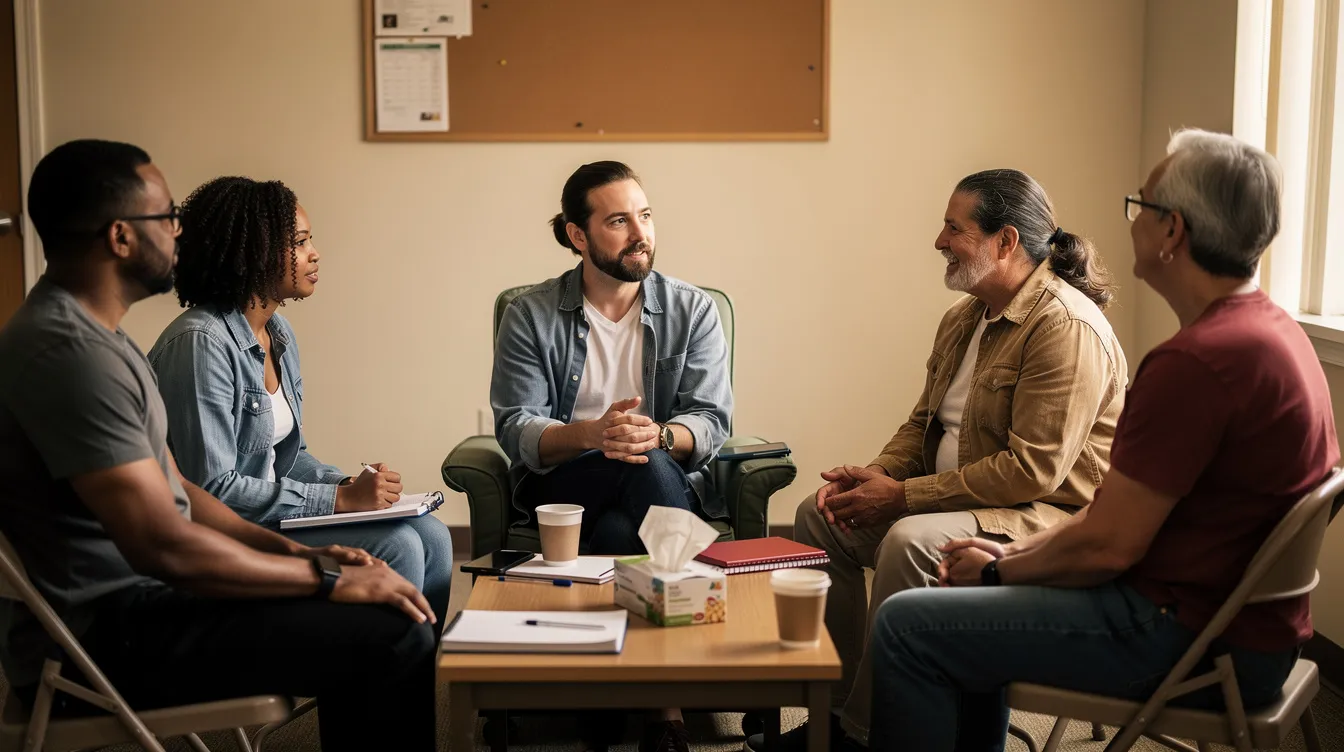
Step 8: Learn Healthy Ways to Cope with Stress and Emotions
Many people use drugs or alcohol to numb anxiety, sadness, trauma, or shame. Recovery requires healthy ways to handle strong feelings without returning to addictive behaviors.
Healthy coping strategies for cravings include engaging in distracting activities, such as reading, exercising, or spending time with friends. Urge surfing is a technique where individuals ride out the craving without trying to ignore or fight it, allowing the urge to pass naturally.
Build a coping toolbox: journaling, music, prayer, mindfulness, calling a friend, walking, creative hobbies, or a support group. Exercise is a highly effective way to improve mental health and well-being after overcoming addiction, as it releases endorphins and helps manage stress.
Sleep, balanced meals, hydration, and limited caffeine also protect mental and physical health.
Step 9: Build a Recovery Support Network (Meetings, Sponsors, and Groups)
A solid support system is essential in any treatment approach for overcoming addiction because it provides encouragement and guidance throughout the recovery journey. Research shows support from friends and family members can significantly enhance the chances of successful recovery by providing a listening ear and emotional support during difficult moments.
Alcoholics anonymous and narcotics anonymous offer meetings, sponsors, and step work. Use the AA meeting finder or NA meeting finder to search by city, date, and online or in-person format. Non-12-step options include SMART Recovery, Refuge Recovery, and Celebrate Recovery.
To find a sponsor, listen for someone with stable sobriety whose story you respect. After the meeting, ask if they sponsor people or can recommend someone.
Creating a support network of sober friends and engaging in community activities can significantly enhance recovery and help prevent relapse after addiction.
Step 10: Integrate Ongoing Treatment, Aftercare, and Life Goals
Addiction recovery continues after detox or a 30-day program. Aftercare may include weekly therapy, group counseling, medication visits, primary care follow-up, family therapy, and sober living support to bridge treatment and independent life.
Set 3-month, 6-month, and 12-month goals for work, school, finances, parenting, relationships, and pleasurable activities. Review the plan after any relapse, move, breakup, job change, or new diagnosis.
Many treatment centers, including Legacy Healing Center, provide alumni programs, relapse-prevention groups, family workshops, outpatient treatment programs, and case management.
How Legacy Healing Center Can Help at Every Stage
Legacy Healing Center supports people from the first confidential call through long-term aftercare, including a comprehensive inpatient treatment program. Care may include medically supervised detox, residential treatment, partial hospitalization, intensive outpatient, standard outpatient, and alumni support at our top-rated addiction treatment centers.
The clinical team integrates mental health and substance use care, including trauma therapy, depression support, anxiety care, labs, medical oversight, family support services, insurance verification, interventions, logistics help, and relapse-prevention planning.
If you or a loved one is ready to begin or resume the journey to sobriety, Legacy Healing Center can help you choose treatment options and begin safely by explaining why choosing Legacy Healing Center can support long-term sobriety.

Finding Meetings, Sponsors, and Support Groups Near You
Community support reduces isolation after formal addiction treatment ends. Reviewing an addiction recovery guide can also clarify the steps that come after initial treatment. Here’s how to start:
- Visit AA.org, NA.org, or SMARTRecovery.org.
- Select “Find a Meeting.”
- Enter your city or ZIP code.
- Filter by date, online, in-person, open, closed, or beginner-friendly.
- Attend several meetings before deciding what fits.
Online communities and meeting-locator apps can help young people, rural residents, or people with limited mobility stay connected. If you are leaving Legacy Healing Center, ask staff or alumni coordinators for local sponsor introductions and support group recommendations.
National and Local Resources for Immediate Help
If someone has overdose symptoms, severe confusion, chest pain, seizures, or acute medical distress, call 911 in the United States immediately.
For referrals, call the SAMHSA National Helpline at 1-800-662-HELP (4357). You can also search FindTreatment.gov for local addiction treatment options.
Check your state health department, local crisis line, regional alcohol and drug foundation hotlines, insurer member services, and national institute resources. Legacy Healing Center may also help coordinate admissions, transportation, and intake scheduling.
Life Beyond Addiction: Rebuilding Meaning and Purpose
Sobriety is more than stopping drug use. Building a meaningful life after addiction involves engaging in activities that provide purpose and fulfillment, such as picking up hobbies, volunteering, or spending time in nature.
Rebuild trust through consistency, honest communication, family therapy, and amends when appropriate. Add simple growth habits: gratitude lists, health checkups, mentor calls, sponsor check-ins, and goal reviews.
Setbacks can happen. Returning to treatment or support is strength, not failure.