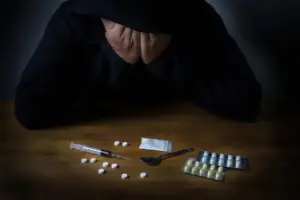




Brandon Clarke Overdose: How Addiction Experts See This As A Silent Emotional Battle Behind Hidden Substance Abuse
-
 By:
Valerie Puffenberger, PMHNP-BC
By:
Valerie Puffenberger, PMHNP-BC -
Editor:
Phyllis Rodriguez, PMHNP-BC
-
Clinical Reviewer:
Dr. Ash Bhatt, MD, MRO
 By:
By:
 Editor:
 Clinical Reviewer:
The past two days have brought extensive new coverage of basketball player Brandon Clarke’s untimely passing. The Memphis Grizzlies forward was reportedly found dead at a California residence on May 11 after emergency responders answered a medical call, and the cause of death remains under official investigation. He was just 29 years old and widely regarded as one of the NBA’s most respected and promising players, making the news especially shocking for fans and the basketball community alike.
Stories like this often reignite difficult conversations surrounding hidden mental health and substance use struggles among high-performing individuals who may silently battle emotional or personal challenges away from the public eye. While authorities have not officially confirmed the cause of death, multiple reports citing law enforcement sources say investigators are looking into a possible drug overdose after drug paraphernalia was allegedly found at the scene. Officials have also stated there were no immediate signs of foul play, though toxicology results are still pending. The tragedy has drawn even more public attention because it reportedly came just weeks after Clarke was arrested in Arkansas on drug-related charges involving kratom — a substance banned in the state — leading many online to search for answers and speculate about a possible connection between the two incidents.
Why Does Substance Abuse Hide Behind Performance and Success
For addiction experts at Legacy Healing Center, these stories are not only deeply upsetting but also concerning. For high-functioning athletes, substance use disorders and mental health turmoil can remain buried and undetected until it’s too late.
With a successful career and fan following, these sportspeople go through chronic pain, performance anxiety, pressure to safeguard their public image, and a stigma not to reveal their personal mental health struggles to anyone.
Many people think that addiction occurs to someone whose life seems to fall apart, with no hope and the inability to rebuild all over again. However, the truth is that successful people go through constant emotional wear and tear.
On one hand, they are expected to perform at optimum levels, always, no matter what. They are trained to push through pain, suppress their feelings, and go on performing despite physical and psychological challenges. For them, emotional vulnerability is a sign of weakness that can tarnish their social image and can bring career decline.
At this point, substance use can become a momentary relief system that helps them cope with the following problems that they probably face every day.
- Public scrutiny
- Handle performance stress
- Chronic physical pain
- Safeguard their identity by always being the best
NIH-backed research references support how elite athletes suffer emotional distress, anxiety, and depression due to injury, overtraining, performance difficulty, and burnout.
Factors Addiction Experts Often Associate With Risks Of Overdose
Overdose risks are higher when repeated substance use acts as a coping tool, especially for high-performing athletes who are expected to maintain careers and daily routines, despite emotional struggles behind their closed doors.
Injuries and isolation
Recent media reports also note that Clarke had sustained injuries that limited his playing schedule for some time. Athletes often experience injuries and live with pain. From a clinical viewpoint, physical pain can lead to fewer practice sessions, missed opportunities, and constant pressure to perform and maintain authority. When off the court, they may experience;
- Depression and feelings of isolation
- Worries related to career uncertainty
- Hopelessness
Falling back on substances is a kind of escape that gives momentary relief from emotional distress.
Mental health struggles and performance pressure
Being part of a premier basketball league in North America, Brandon Clarke had earned recognition for his performance. However, professional athletes often face enormous pressure to perform, keeping them on their toes at all times.
They suffer anxiety to maintain their performance standards, overthink about their next step, and feel insecure and depressed if their performance declines someday. All these mental health struggles seek an escape, and possible substance involvement can offer short-term relief.
Relapse risk and increased overdose
During periods of emotional instability and mental agony, relapse risks are higher because the individual looks for quick relief, and falling back on drugs seems to be a desirable option for the moment. However, clinical experience of experts sees this as dependency patterns that lead to compulsive use, often in higher amounts and in dangerous combinations; ultimately increasing the risks of an overdose.
With relapse, another notable thing is that, after periods of reduced use, tolerance levels can quickly drop, and then even the same drug dosage may suddenly become dangerously fatal.
Warning Signs of Addiction That Families and Friends Often Miss
Since high-functioning sportspeople often hide their emotional battles, they may not share what’s bothering them, even with their families and friends. Thus, in most sudden overdose deaths, families are unaware of what went wrong and how serious the problem was that may have led to the overdose death of their loved one.
The warning signs that most families overlook are often subtle, yet significant.
- Sudden change in mood
- Irritable behavior without a trigger
- Changes in sleep and appetite
- Increased secrecy about their life
- Feeling low and depressed after an injury or career setback
- Getting into legal troubles
Speculations surrounding drug overdose may come from previous incidents of substance-related legal issues.
In Brandon Clarke’s case, media reports mentioned his earlier involvement with Kratom, an illicit substance found in his car while he was caught in a speed driving incident just a month back.
While it is not important to speculate on the actual reasons for his sudden death, as addiction experts, we pay attention to the fact that such reports highlight the growing concern around self-medication and increased substance dependency on substances that are falsely marketed as safer options, just because kratom is derived naturally.
As an opioid, Kratom is known as a natural pain relief medication. However, many people misuse it to manage anxiety and uncomfortable symptoms associated with opioid withdrawal. However, its addiction potential remains high and can pose serious health threats and overdose risks.
Actionable Insights From an Addiction Recovery Perspective
If there is one takeaway from the tragic death of Brandon Clarke, it is that addiction can happen to just anyone.
A proactive approach can support people fighting addictions in favorable ways.
- The silent struggles of high-performing individuals are distressing and may call for open conversations.
- For families, teammates, and friends, it is essential to look for any warning signs to detect addiction sooner and save lives.
- Seeking counseling and mental health care during career setbacks, injury, or declined performance can reduce emotional distress, anxiety, and mood crashes.
- Using substances to manage pain, anxiety, and mood changes without medical supervision can be dangerous and should thus be completely avoided.
- Relapse is concerning and often hints at an underlying emotional distress, trauma, or mental health condition that requires medical support.
- Overdose prevention should be an educational effort aimed at making the public realize the magnitude of the risk. Communities should receive awareness about how to recognize overdose signs and when to call prompt medical emergency services.
Drug Overdose Is A Public Health Reality in the United States
Brandon Clarke’s tragic story is a part of a larger crisis across the country. Overdose deaths continue to impact people from all socio-economic backgrounds.
Professionals, students, athletes, and executives are facing a severe health crisis due to increased substance abuse. From opioids to alcohol, and street drugs with dangerous combinations to stimulants and depressants, the current overdose scenario is filled with uncertainty and unpredictability.
Since most individuals do not even realize what they are consuming, even occasional use can be life-threatening. More and more public awareness programs can only help people understand the importance of having structured medical care to treat substance use disorders.
To End:
Addiction recovery is possible with the appropriate treatment being undertaken at the right time. Delays should be avoided for better outcomes as early intervention can check substance dependency, prevent relapse, and decrease the overdose risks significantly.