


-
 By:
Valerie Puffenberger, PMHNP-BC
By:
Valerie Puffenberger, PMHNP-BC -
Editor:
Phyllis Rodriguez, PMHNP-BC
-
Clinical Reviewer:
Dr. Ash Bhatt, MD, MRO
 By:
By:
 Editor:
 Clinical Reviewer:
Cychlorphine Risks and Side Effects: What You Need to Know About This Emerging Opioid
Cychlorphine is an emerging, highly potent synthetic opioid that has been identified in the illicit U.S. drug supply and linked with severe respiratory depression, overdose, and deaths. One of the greatest concerns is that people may be exposed without knowing it: cychlorphine has been found alongside fentanyl, other opioids, stimulants, benzodiazepines, and other substances.
The evidence base is still developing. Laboratory research suggests cychlorphine is a powerful mu-opioid receptor agonist, but there are relatively few published human cases. That distinction matters. Statements about its exact potency, withdrawal course, addictive potential, or response to treatment should not be interpreted as though decades of human clinical data already exist.
If someone is unresponsive, cannot be awakened, is breathing very slowly or not normally, or is making choking or gurgling sounds after possible drug use, treat it as an overdose emergency. Call 911 and administer naloxone if it is available. Do not wait to identify the exact substance involved. The CDC recommends naloxone for suspected opioid overdose because dangerously slowed or stopped breathing can quickly cause brain injury or death.
What Is Cychlorphine?
Cychlorphine, also called N-propionitrile chlorphine, is a novel synthetic opioid belonging to a group sometimes called orphine analogues or benzimidazolone opioids. It is structurally distinct from fentanyl and nitazene opioids, although it can produce the same central concern seen with other powerful opioid agonists: potentially profound suppression of breathing.
Cychlorphine began appearing in forensic testing in the United States in 2024, with detections increasing during 2025 and 2026. The Center for Forensic Science Research and Education reported it in fatal-overdose blood specimens, sometimes alongside fentanyl, oxycodone, stimulants, novel benzodiazepines, or other emerging drugs. In some cases, cychlorphine was the only opioid identified.
Researchers have considerably more information about its laboratory pharmacology than about its effects in large groups of humans.
| Question | What the evidence currently supports | What remains uncertain |
| Is cychlorphine a potent opioid? | Laboratory data indicate powerful mu-opioid receptor activity. | Exact potency and toxicity across different human exposures. |
| Can it suppress breathing? | Respiratory depression is a major expected opioid effect and has been seen in documented overdose cases. | The complete cychlorphine-specific dose-response profile in humans. |
| Can people be exposed unknowingly? | Yes. It has been found in mixtures and in substances people reportedly believed were something else. | How prevalent it is in every local illicit drug market. |
| Does naloxone work? | Human case evidence documents a naloxone-responsive opioid overdose involving confirmed cychlorphine. | Whether particular exposures routinely require more naloxone than other opioid overdoses. |
| What is withdrawal like? | Opioid-type withdrawal is biologically expected after physical dependence develops. | A validated cychlorphine-specific withdrawal timeline. |
| Is there a special cychlorphine treatment protocol? | Established opioid-use-disorder treatments may be applicable. | Substance-specific treatment protocols have not been well established. |
Why Is Cychlorphine Considered Particularly Dangerous?
Cychlorphine is concerning because it combines high opioid potency, respiratory-depressant effects, an unpredictable illicit drug supply, and limited routine detection.
You may see claims that cychlorphine is “10 times stronger than fentanyl.” That comparison needs context. CFSRE and clinical laboratories have reported laboratory findings suggesting potency around ten times that of fentanyl, but this estimate is based primarily on in vitro pharmacology, not controlled human dosing studies. It should not be interpreted as a precise prediction that a particular amount produces exactly ten times the effect or overdose risk in a person.
The practical concern is simpler: the available evidence indicates that cychlorphine is a very potent opioid capable of causing serious respiratory depression.
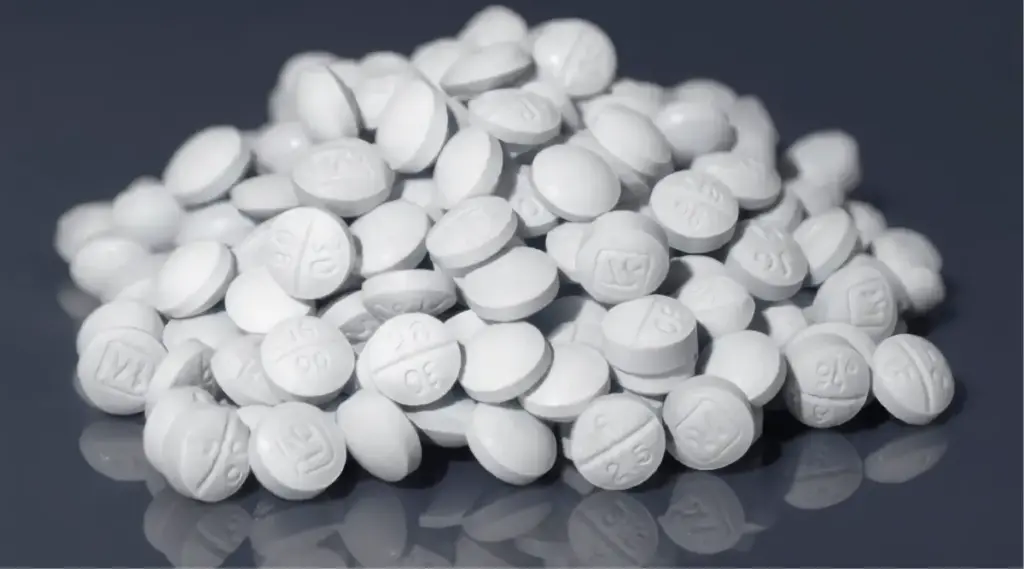
Uncertainty makes that risk harder to manage. The DEA has warned that cychlorphine and other emerging synthetic substances are appearing in mixtures involving illicit fentanyl and counterfeit pills. Forensic data have also found cychlorphine alongside cocaine, methamphetamine, benzodiazepines, other opioids, and emerging psychoactive substances.
That means the person experiencing an overdose may not know cychlorphine was present at all.
Can You Actually Tell Whether You Took Cychlorphine?
Usually, you cannot determine that you consumed cychlorphine based on how a drug looks, tastes, or feels. Even severe opioid effects can tell clinicians that an opioid may be involved without revealing which specific opioid caused them.
This is an important distinction because several published overdose cases illustrate unexpected exposure.
In one peer-reviewed case, a man reportedly used a substance he believed was alprazolam. He was later found unconscious and not breathing. Forensic testing of material recovered at the scene identified cychlorphine along with fentanyl and xylazine.
Another 2026 case involved a woman in her 20s who also reported taking what she believed was alprazolam. She developed unresponsiveness and respiratory depression, and advanced serum testing subsequently confirmed cychlorphine along with several other substances.
These cases demonstrate why subjective effects are unreliable identifiers. Unexpected sedation, unconsciousness, respiratory depression, or an effect that seems dramatically different from what someone anticipated should be treated as a medical concern—not as a way to determine which specific drug was present.
Routine hospital drug screens may also miss emerging benzimidazolone opioids. Specialized analytical testing may be required to identify cychlorphine, so a negative routine opioid or fentanyl screen does not necessarily exclude an emerging opioid exposure when the clinical picture suggests otherwise.
What Are the Side Effects of Cychlorphine?
The expected effects of cychlorphine are primarily opioid-type effects, but the complete human side-effect profile has not yet been established.
Federal evaluations and pharmacological evidence identify effects associated with potent opioid agonism such as nausea, vomiting, constipation, itching, dizziness, sedation, and respiratory depression. The most serious risk is excessive suppression of the central nervous system and breathing.
A person exposed to an opioid like cychlorphine may become unusually sleepy or difficult to awaken. As toxicity becomes more severe, breathing can become shallow, irregular, extremely slow, or stop entirely.
More serious warning signs
Seek emergency help for signs such as:
- Inability to wake the person
- Very slow, shallow, irregular, or stopped breathing
- Extreme sedation or unconsciousness
- Choking, snoring, or gurgling sounds in someone who cannot be awakened
- Blue, gray, or unusually pale lips or skin
- Pinpoint pupils, when present
Pinpoint pupils are a familiar opioid-overdose sign, but their absence does not rule out an opioid overdose. The limited published cychlorphine case literature does not establish a unique set of symptoms capable of reliably identifying the drug.
Can Fentanyl or Other Illicit Drugs Contain Cychlorphine?
Yes. Cychlorphine has been identified with fentanyl and numerous other substances, and some documented exposures involved people who apparently believed they were taking a different drug altogether.
This creates a risk that goes beyond cychlorphine itself.
Someone may believe they understand their opioid tolerance because they have previously used fentanyl or another drug. But an unpredictable mixture can change both the intensity and duration of opioid effects. Sedatives or other depressant substances in the same mixture can complicate an overdose further because naloxone only reverses opioid effects.
The safest conclusion from an unexpectedly strong reaction is therefore not “this must have been cychlorphine.” It is that the contents of the substance may not have been what the person expected and medical evaluation may be warranted.
What changes when you don’t know which opioid you took?
Uncertainty affects several clinical decisions.
Emergency clinicians may need to treat the observable opioid toxidrome rather than wait for confirmation of a specific compound. Addiction professionals also need to know about unexpected reactions, suspected polysubstance exposure, previous overdoses, withdrawal symptoms, and what the person thought they were consuming.
That history can influence decisions about withdrawal management, toxicology testing, medication treatment, level of care, and overdose prevention.
How Addictive Is Cychlorphine?
Cychlorphine has pharmacological characteristics that indicate meaningful potential for opioid dependence and opioid use disorder, but researchers do not yet have enough cychlorphine-specific human data to calculate an exact addiction risk.
Laboratory research indicates potent activity at the mu-opioid receptor—the same receptor system central to the reinforcing, tolerance-producing, dependence-producing, and respiratory-depressant effects of many opioids.
For a person repeatedly exposed to potent opioids, the progression may look like:
Repeated opioid exposure → increasing tolerance or physical dependence → withdrawal or cravings when use stops → continued use to avoid withdrawal or obtain the desired effect → increasing loss of control or continued use despite harm
That progression is possible, not inevitable. Physical dependence also does not automatically mean someone has an opioid use disorder. Opioid use disorder involves a broader pattern of impaired control, cravings, risky use, and continued use despite significant consequences.
There is no credible universal rule stating that cychlorphine dependence develops after a particular number of uses or within a particular number of days. Frequency of exposure, prior opioid tolerance, duration and pattern of use, other substances, and individual physiology can all matter.
What Does Cychlorphine Withdrawal Feel Like?
A person physically dependent on cychlorphine would be expected to experience an opioid-type withdrawal syndrome, but researchers have not established a reliable cychlorphine-specific withdrawal timeline.
Typical opioid withdrawal can include restlessness, anxiety, sweating, muscle aches, insomnia, runny nose, yawning, abdominal cramping, nausea, vomiting, diarrhea, and intense cravings.
The important limitation is that these symptoms come primarily from what medicine already knows about opioid withdrawal as a class. They should not be presented as though a large clinical study has mapped the exact course of cychlorphine withdrawal.
Withdrawal symptoms also cannot identify which opioid was used. Fentanyl, heroin, prescription opioids, novel synthetic opioids, and mixtures can produce overlapping withdrawal symptoms.
For someone exposed to an uncertain drug supply, the clinical question is often less “Was this definitely cychlorphine withdrawal?” and more “Has opioid dependence developed, what other substances may be involved, and what level of medical support is appropriate?”
When May Medical Detox Be Appropriate?
Medical withdrawal management may be appropriate when stopping opioid use is difficult, the substance involved is uncertain, multiple substances may be involved, or the person has significant medical or psychiatric risks.
A professional assessment becomes especially important after repeated opioid exposure, previous severe withdrawal, repeated overdose, escalating use, or unsuccessful attempts to stop.
Polysubstance exposure deserves particular attention. Someone may be withdrawing from more than one substance, and certain non-opioid withdrawal syndromes can create risks that are different from opioid withdrawal alone.
Medical detox is therefore not simply about making someone more comfortable. Its purpose can include clarifying what substances are involved, monitoring complications, treating symptoms appropriately, and establishing a transition into ongoing opioid-use-disorder treatment when indicated.
Not everyone requires the same setting. Appropriate care may range from outpatient medical management to medically monitored detoxification or residential treatment depending on the person’s symptoms, medical history, psychiatric needs, substance-use pattern, and home environment.
What Does a Cychlorphine Overdose Look Like?
A cychlorphine overdose should be treated as an opioid-overdose emergency, particularly when a person cannot be awakened or is not breathing normally.
Do not spend critical time trying to determine whether cychlorphine, fentanyl, a nitazene, or another opioid caused the overdose.
Call 911 immediately when someone has possible drug exposure and is:
- Unresponsive or impossible to wake
- Breathing extremely slowly
- Not breathing normally
- Making choking, snoring, or gurgling sounds while unresponsive
- Showing severe discoloration around the lips, fingertips, or skin
- Experiencing profound sedation consistent with opioid poisoning
Respiratory depression is the central emergency because inadequate breathing deprives the brain and other organs of oxygen.
Will Narcan Work on Cychlorphine?
Naloxone should be administered in a suspected cychlorphine or other opioid overdose when it is available. Current evidence does not support withholding naloxone because cychlorphine may be involved.
This question deserves special care because several public-health communications have warned that cychlorphine overdoses may require repeated naloxone administration. DEA guidance similarly states that emerging synthetic opioids such as cychlorphine might require several doses.
That is different from saying naloxone does not work.
A 2026 review of the available pharmacology concluded that there is currently no published clinical evidence demonstrating that naloxone is ineffective against cychlorphine. The authors also cautioned that some claims about incomplete reversal were extrapolated from animal experiments involving related compounds and a different experimental design.
More importantly, direct human evidence now exists. A 2026 case involving biologically confirmed cychlorphine described a naloxone-responsive opioid toxidrome after a patient developed unresponsiveness and respiratory depression.
The practical takeaway is straightforward: give naloxone when opioid overdose is suspected and call emergency services immediately. If normal breathing does not return, continue following emergency-dispatch and product instructions while waiting for medical help. Naloxone will not reverse non-opioid substances that may also be contributing to unconsciousness or respiratory compromise.
How Is Cychlorphine Addiction Treated?
There is not a separate, well-established form of treatment known as “cychlorphine rehab.” When repeated cychlorphine or other opioid exposure has led to dependence or opioid use disorder, clinicians can evaluate the person using established principles of opioid addiction treatment.
Treatment may involve withdrawal management, medications for opioid use disorder, behavioral therapy, psychiatric care when needed, relapse-prevention planning, and movement between different levels of care as symptoms and stability change.
That could include:
- Medical detoxification or withdrawal management
- Residential addiction treatment
- Partial hospitalization programs
- Intensive outpatient programs
- Standard outpatient care
- Medication management
- Ongoing recovery and relapse-prevention support
The appropriate plan depends more on the person’s overall opioid-use pattern, withdrawal, overdose history, co-occurring substance use, medical needs, mental health, and ability to remain stable outside treatment than on whether a laboratory has specifically confirmed cychlorphine.
This is particularly relevant with emerging opioids. A person does not need to wait for a cychlorphine-specific treatment protocol before receiving evidence-based care for opioid use disorder.
Can Buprenorphine or Methadone Be Used for Cychlorphine Addiction?
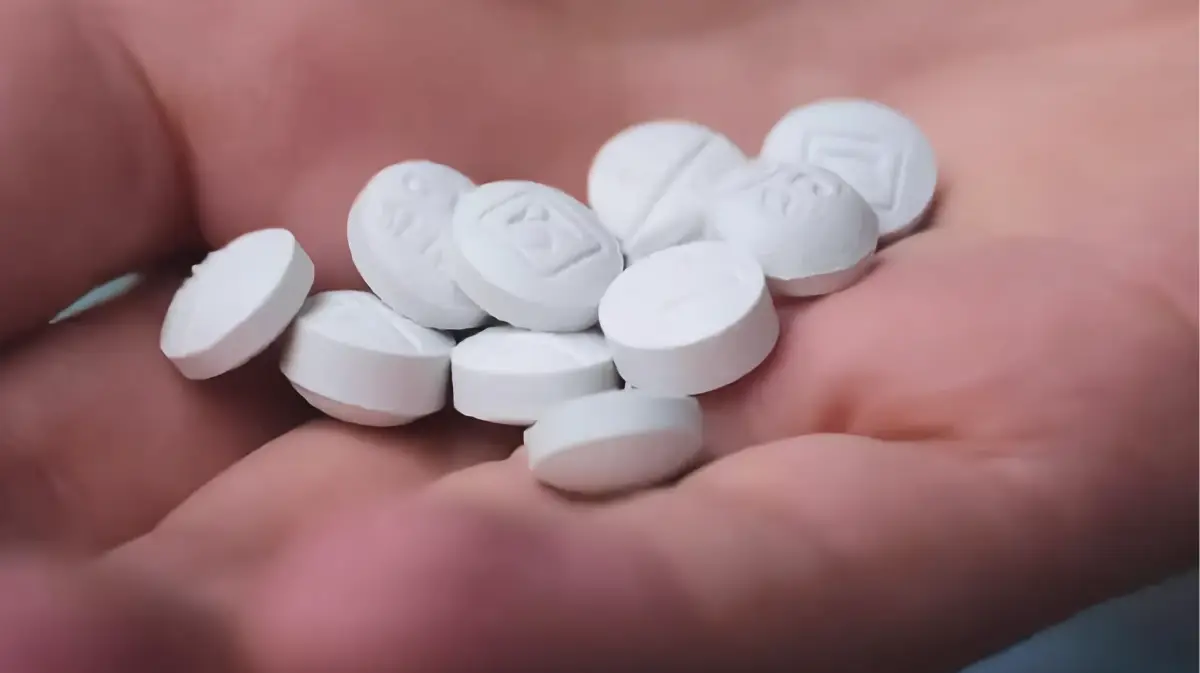
Buprenorphine and methadone may be treatment options when someone exposed to cychlorphine meets criteria for opioid use disorder, but treatment should be individualized by an addiction-medicine professional.
SAMHSA identifies buprenorphine, methadone, and naltrexone as FDA-approved medications used in the treatment of opioid use disorder. Buprenorphine can reduce opioid withdrawal symptoms and cravings, while methadone is provided for opioid use disorder through regulated treatment settings.
What has not been established is a special medication protocol validated specifically for cychlorphine.
That distinction matters. The pharmacology gives clinicians a rationale for applying established opioid-use-disorder treatments, but factors such as uncertain exposure, other opioids in the drug supply, concurrent benzodiazepine or stimulant use, current withdrawal status, and prior treatment history can affect how care is approached.
Medication should therefore be managed by a qualified clinician rather than through a self-directed detox or medication plan.
Does Insurance Cover Treatment for Cychlorphine Addiction?
Insurance may cover addiction treatment related to cychlorphine exposure, but coverage generally depends on the diagnosis, medical necessity, recommended level of care, provider network, plan benefits, authorization requirements, and individual policy rather than whether a program is specifically marketed as “cychlorphine treatment.”
If cychlorphine or another opioid has contributed to opioid use disorder, dependence, withdrawal, or repeated overdose risk, potentially covered services may include medical detoxification, residential care, PHP, IOP, outpatient treatment, psychiatric services, or medications for opioid use disorder.
Coverage should always be verified with the individual insurer and treatment provider before assuming that a particular service is covered.
When Should Someone Seek Professional Help?
Professional evaluation becomes increasingly important when opioid use is no longer an isolated exposure but part of a pattern involving withdrawal, increasing tolerance, cravings, repeated use despite consequences, difficulty stopping, unexpected drug reactions, or overdose.
You do not need definitive proof that cychlorphine was present before seeking help.
In fact, uncertainty itself can be clinically relevant. Emerging opioids are often encountered in mixtures, routine toxicology testing may not identify every novel substance, and treatment decisions may need to focus on the pattern of opioid use and the symptoms occurring now rather than the exact name of every compound involved.
For families, an unexplained overdose, major change in tolerance, repeated episodes of extreme sedation, withdrawal symptoms between periods of use, or inability to stop using opioids are reasonable reasons to pursue an addiction-medicine assessment.
For someone experiencing these problems personally, seeking treatment does not require reaching a particular threshold of severity. An evaluation can determine whether outpatient treatment is sufficient or whether detoxification, residential care, medication treatment, or another level of support would be safer.
What Matters Most About Cychlorphine Right Now?
Cychlorphine is a real emerging opioid threat, but the science is still catching up with the speed at which it has appeared in the illicit drug supply.
Several points are already reasonably clear:
Cychlorphine is a potent synthetic opioid capable of causing dangerous respiratory depression. It has appeared in unpredictable drug mixtures, including exposures in which people apparently believed they were taking another substance. Routine drug screening may fail to identify it. Dependence and opioid use disorder are plausible consequences of repeated exposure based on its opioid pharmacology, although a cychlorphine-specific dependence or withdrawal timeline has not been established.
And when overdose is suspected, identifying the exact opioid is secondary to responding to the emergency.
Call 911, administer naloxone when available, and treat abnormal breathing or unresponsiveness as a medical emergency. Evidence from both general opioid-overdose guidance and published cychlorphine cases supports acting quickly rather than waiting for toxicology confirmation.
For people experiencing repeated opioid use, withdrawal, escalating tolerance, overdose, or difficulty stopping, established opioid-use-disorder treatment—including professional withdrawal management and medication treatment when appropriate—can be considered even though cychlorphine itself is relatively new.