



-
 By:
Valerie Puffenberger, PMHNP-BC
By:
Valerie Puffenberger, PMHNP-BC -
Editor:
Phyllis Rodriguez, PMHNP-BC
-
Clinical Reviewer:
Dr. Ash Bhatt, MD, MRO
 By:
By:
 Editor:
 Clinical Reviewer:
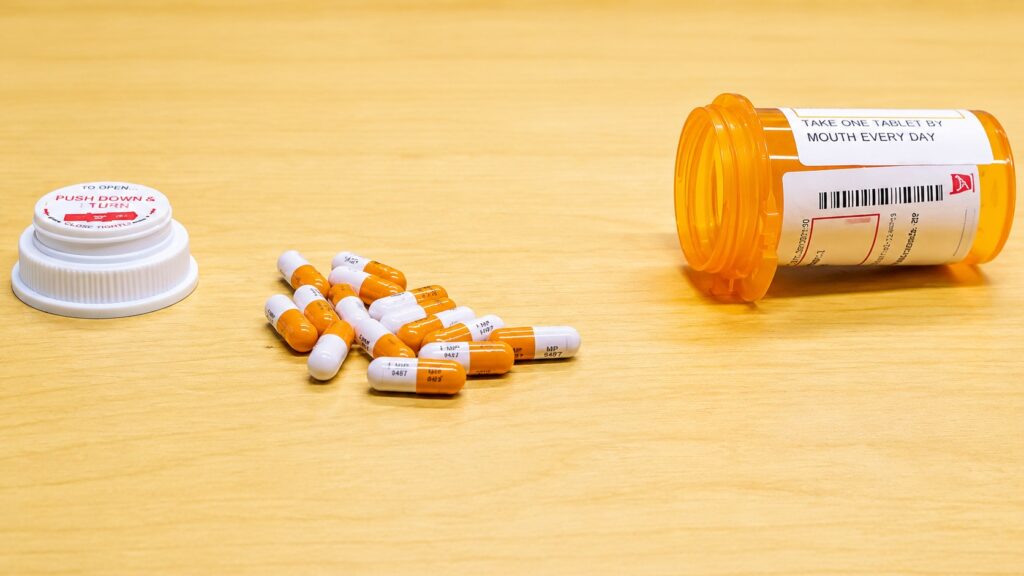
Adderall, a combination of mixed amphetamine salts, has long been a first-line treatment for attention deficit hyperactivity disorder and is part of a broader class addressed in amphetamine addiction treatment. However, ongoing medication shortages since 2022, combined with its classification as a schedule ii controlled substance, have prompted many patients to explore alternatives to adderall. Studies show misuse rates reaching 20-30% among college students, and the FDA has issued warnings about cardiovascular risks and addiction potential related to the effects of Adderall on the body.
Whether you’re concerned about side effects, managing adhd symptoms with fewer risks, or simply can’t access your prescription, understanding your treatment options is essential. This guide examines 12 evidence-based adderall alternatives across four categories: prescription stimulants, non-stimulant medications, natural supplements, and lifestyle interventions.
How We Evaluated the Best Adderall Alternatives
Selecting the right medication or intervention for treating adhd requires systematic evaluation. Here’s what we considered when ranking these alternatives:
| Criteria | What We Assessed |
|---|---|
| Clinical Efficacy | ADHD Rating Scale improvements, response rates from RCTs |
| FDA Approval | Approved for ADHD vs. off-label use |
| Safety Profile | Adverse event rates, controlled substance status |
| Addiction Potential | Schedule classification, misuse statistics |
| Side Effects | Frequency and severity of common reactions |
| Onset/Duration | Time to effectiveness, coverage hours |
| Accessibility | Generic versions availability, insurance coverage |
| Evidence Base | Meta-analyses, randomized controlled trials |
| Research suggests that stimulant medications remain most effective short-term (70-80% response rate), while non stimulant options and behavioral therapies offer better long-term sustainability. |
Top 12 Adderall Alternatives for ADHD Management
1. Vyvanse (Lisdexamfetamine)
Vyvanse is a prodrug stimulant that converts to dextroamphetamine in the bloodstream. This extended release formulation provides smoother pharmacokinetics than immediate-release amphetamine salts.
Why it stands out: The prodrug design reduces abuse potential by 50-70% compared to Adderall, as crushing or snorting proves ineffective.
Best for: Patients needing long acting formulations with reduced addiction risk.
Key strengths:
- 12-14 hour duration minimizing rebound symptoms
- FDA approved for ADHD ages 6+
- Lower jitteriness (15% vs. 25% on Adderall)
Possible limitations: Still classified as Schedule II, costs $300-400/month without insurance, and carries similar cardiovascular effects including elevated blood pressure.
2. Strattera (Atomoxetine)
Strattera was the first non stimulant medication approved for ADHD. As a selective norepinephrine reuptake inhibitor, it elevates dopamine and norepinephrine levels in the prefrontal cortex without direct dopamine release in reward centers.
Why it stands out: Zero addiction potential as a non-controlled substance with 24-hour coverage.
Best for: Patients with substance abuse history or those who can’t tolerate stimulants.
Key strengths:
- No sleep disturbances common with other stimulant drugs
- Reduces anxiety symptoms by 20-25%
- Works around the clock
Possible limitations: Requires a few weeks (4-6) to reach effectiveness, 40-50% symptom improvement versus 70-80% for stimulants, and carries FDA black box warning for suicidality risk (0.4% in youth).
3. Ritalin/Concerta (Methylphenidate)
These methylphenidate based medications block dopamine and norepinephrine transporters rather than increasing release like amphetamines. Concerta uses an osmotic pump for extended release lasting up to 12 hours.
Why it stands out: Different mechanism means 40% of amphetamine non-responders succeed with methylphenidate.
Best for: Patients experiencing adverse reactions to amphetamine-based prescription medications.
Key strengths:
- Well-established since 1955 with extensive safety data
- Generic versions available ($20-50/month)
- Multiple formulations from 3-12 hours
Possible limitations: Remains Schedule II with abuse potential, and immediate-release forms require multiple daily doses.

4. Intuniv (Guanfacine ER)
Originally developed for low blood pressure treatment, this alpha-2A adrenergic agonist modulates prefrontal cortex activity without affecting the central nervous system dopamine pathways that drive addiction.
Why it stands out: Non-controlled status with excellent emotional regulation benefits.
Best for: ADHD patients with anxiety, aggression, or impulse control difficulties.
Key strengths:
- Enhances stimulant effects by 20-30% when combined
- 50% improvement in oppositional symptoms
- Supports healthier coping mechanisms
Possible limitations: Causes sedation in 30-40% initially, requires cardiovascular monitoring, and takes 1-2 weeks for onset.
5. Wellbutrin (Bupropion)
This norepinephrine-dopamine reuptake inhibitor is FDA approved for depression but widely used off-label for adhd treatment. It affects brain chemicals similarly to stimulants but with lower abuse potential.
Why it stands out: Addresses both ADHD and depression in the same class of patients—conditions that overlap in 50% of cases.
Best for: Patients with co-occurring depression or seeking motivation enhancement.
Key strengths:
- Weight-neutral unlike stimulants causing 5-10% loss
- 40-60% response rate in stimulant failures
- Low addiction profile
Possible limitations: Off-label status limits insurance coverage, contraindicated with seizure history or eating disorders (0.4% seizure risk at high doses).
6. Modafinil (Provigil)
Modafinil functions as a dopamine reuptake inhibitor approved for sleep disorder treatment, including narcolepsy. Off-label use for ADHD shows 35-45% focus improvement in adults.
Why it stands out: Provides cognitive enhancement without typical stimulant jitteriness (5% anxiety vs. 15%).
Best for: Adults with ADHD and excessive daytime sleepiness seeking an energy boost.
Key strengths:
- Schedule IV (lower abuse potential than Schedule II)
- 12-15 hour duration
- Promotes wakefulness naturally
Possible limitations: Expensive ($1,000+/month), headaches in 34% of users, rare Stevens-Johnson syndrome risk (0.01%).
7. L-Theanine + Caffeine Combination
This natural adderall alternatives stack combines L-theanine’s GABA modulation (200mg) with caffeine’s adenosine antagonism (100mg) for synergistic cognitive function benefits.
Why it stands out: Research-backed with 20-30% attention improvement and readily available OTC alternatives.
Best for: Adults seeking mild cognitive support without prescription drug requirements.
Key strengths:
- Non-addictive when cycled appropriately
- Costs approximately $0.20 per dose
- No prescription needed
Possible limitations: Only 20% of Adderall’s potency, caffeine pills can cause tolerance and difficulty sleeping with overuse.
8. Omega-3 Fatty Acids
EPA/DHA supplementation (1-2g daily) reduces inflammation and supports brain health through improved dopamine signaling. Meta-analyses of 20+ RCTs confirm benefits for managing adhd symptoms.
Why it stands out: Strong research base showing 20-25% symptom reduction in youth with low baseline levels.
Best for: Children and adults as adjunct therapy, particularly since 40% of ADHD patients show deficiency.
Key strengths:
- Excellent safety profile
- Supports cardiovascular and brain function
- No addiction concerns
Possible limitations: Requires 8-12 weeks for effects, variable supplement quality, and results are subtle compared to prescription medications.

9. Cognitive Behavioral Therapy (CBT)
Evidence-based psychotherapy targeting executive dysfunction through structured 12-16 session programs builds lasting skills for managing adhd.
Why it stands out: Produces 40-50% lasting gains with superior 6-month maintenance compared to medication alone (per Safren RCTs).
Best for: Adults seeking long-term skill development and root-cause intervention.
Key strengths:
- No side effects
- Addresses underlying behavioral patterns
- Benefits persist after treatment ends
Possible limitations: Requires 2-3 months commitment, 50% dropout rate, and severe cases may need combination with other medications.
10. Exercise and Physical Activity
Aerobic physical exercise (30 minutes, 5x/week) elevates BDNF and dopamine by 20-30% acutely, rivaling methylphenidate’s short-term effects in children.
Why it stands out: Natural alternatives that improve focus immediately while supporting overall mental health.
Best for: All ADHD patients as adjunct to any treatment plan.
Key strengths:
- Free and universally accessible
- Immediate effects on attention
- Reduces hyperactivity naturally
Possible limitations: Benefits are temporary (lasting hours), requires consistency, and insufficient alone for severe ADHD.
11. Magnesium and B-Vitamin Complex
Nutritional supplementation (Magnesium 300-400mg daily) addresses deficiencies present in approximately 50% of ADHD patients, supporting proper NMDA receptor function.
Why it stands out: Corrects underlying nutritional gaps that may worsen ADHD symptoms.
Best for: Patients with documented deficiencies, especially those eliminating processed foods.
Key strengths:
- Safe with minimal side effects
- Supports overall brain health
- Inexpensive and accessible
Possible limitations: Limited evidence as standalone (effect size 0.2), and supplements like ginkgo biloba require more research.
12. Mindfulness and Meditation Practices
Eight-week MBSR programs train sustained attention through insula activation, demonstrating 25-35% inattention reduction and improved sleep hygiene in practitioners.
Why it stands out: Directly targets attention regulation while building gray matter in attention-related brain regions.
Best for: Adults and adolescents seeking drug-free symptom management.
Key strengths:
- Builds long-term attention skills
- 30% stress reduction
- Addresses emotional regulation
Possible limitations: 20-30% non-adherence rate, requires patience, and emerging evidence base specifically for ADHD populations.

Quick Comparison of Top Adderall Alternatives
- Vyvanse – Best for extended stimulant effects with lower abuse risk
- Strattera – Best for patients with addiction history or 24-hour coverage needs
- Ritalin/Concerta – Best for patients who don’t respond to amphetamine-based medications
- Intuniv – Best for ADHD with emotional dysregulation or anxiety
- Wellbutrin – Best for ADHD with co-occurring depression
- CBT + Exercise – Best comprehensive non-medication approach for managing symptoms long-term
How to Choose the Right Adderall Alternative
Consider Your Addiction Risk Profile
Family history of substance use disorders doubles your addiction risk with stimulant drugs. Honest discussion with your healthcare provider about your health history and past substance use is critical.
Non stimulant options like Strattera or Intuniv offer similar medications to Adderall’s benefits without targeting the brain’s reward pathways that drive dependence.
Evaluate Severity of ADHD Symptoms
Symptom severity directly influences treatment selection:
| Severity | Recommended Approach |
|---|---|
| Mild | Natural alternatives, lifestyle interventions (30% sufficient) |
| Moderate | Non-stimulants or combination therapy |
| Severe | Prescription medications (80% require pharmacotherapy) |
| Unlike stimulants, natural approaches and therapy work best when combined with other interventions for comprehensive symptom management. |
Consider Co-occurring Mental Health Conditions
Approximately 50% of ADHD patients have comorbid conditions affecting the right medication choice, including trauma-related conditions where PTSD and addiction treatment may be needed:
- Anxiety: Intuniv or Strattera (avoid stimulants that may worsen symptoms)
- Depression: Wellbutrin offers dual benefits
- Tic disorders: Non stimulant adhd medications preferred
Your treatment options should address the full picture, not just inattention or hyperactivity.
Which Alternative Is Best for You?
Selecting among adhd medications requires matching your profile to appropriate interventions:
Choose non-stimulant medications if: You have addiction risk factors, substance use history, or anxiety comorbidities. Strattera and Intuniv provide solid efficacy without controlled substance concerns.
Choose natural alternatives and therapy if: You have mild symptoms, prefer drug-free approaches, or want to reduce hyperactivity through sustainable lifestyle changes. CBT combined with physical activity offers lasting benefits.
Choose different stimulant medications if: Adderall XR causes specific side effects but stimulants generally improve focus effectively. Vyvanse or Concerta may provide better tolerability with similar mechanisms.
Choose combination approaches if: You want optimal outcomes. Research shows medication plus therapy improves results by 20% compared to either alone.
The Importance of Professional Guidance in ADHD Treatment
ADHD significantly increases substance abuse risk—35-50% according to SAMHSA data—particularly when left untreated. The active ingredients in stimulant medications can be misused, and people who want to stop often need guidance on how to quit Adderall safely, making professional oversight essential.
At Legacy Healing Center, our dual diagnosis treatment addresses both ADHD and co-occurring disorders involving substance use through evidence-based protocols. Dr. Ash Bhatt and our board-certified team provide comprehensive assessments examining how your ADHD intersects with mental health and substance use concerns.
Our luxury, accredited programs offer:
- Medically supervised treatment with privacy for executives and professionals
- CBT and trauma-informed therapy integrated with medication management, similar to our dual diagnosis treatment center in Philadelphia
- Same-day admissions and insurance verification
Finding the right adderall alternatives shouldn’t mean navigating complex treatment decisions alone. Whether you’re concerned about existing substance use or want to prevent future problems, comprehensive evaluation ensures your adhd treatment supports lasting recovery.
Contact Legacy Healing Center today for a confidential consultation with our addiction medicine specialists.