



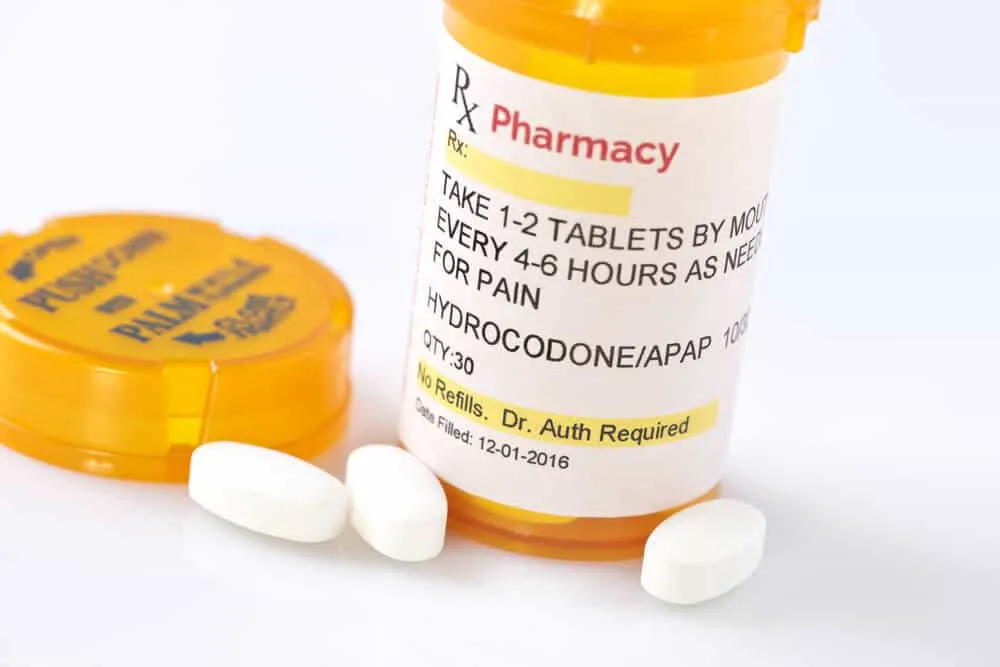
Percocet vs. Hydrocodone: A Comprehensive Guide to Opioid Pain Management
-
 By:
Valerie Puffenberger, PMHNP-BC
By:
Valerie Puffenberger, PMHNP-BC -
Editor:
Phyllis Rodriguez, PMHNP-BC
-
Clinical Reviewer:
Dr. Ash Bhatt, MD, MRO
 By:
By:
 Editor:
 Clinical Reviewer:
When it comes to managing moderate to severe pain, doctors often prescribe opioid medications like hydrocodone and Percocet. Although both effectively provide relief, they differ in composition, potency, and potential side effects.
Understanding these differences is crucial for patients and caregivers to make informed decisions about their pain management options.
Our rehab centers offer comprehensive support for individuals struggling with dependency on these medications, helping them regain control of their lives.
The addiction specialists at Legacy Healing Center will explain whether Percocet is stronger than hydrocodone and how they compare in real medical use.
Is Percocet Stronger Than Hydrocodone?
When comparing them, it is essential to note that Percocet and hydrocodone are both strong opioid pain medications commonly used to treat moderate to severe pain. Percocet contains a mixture of oxycodone and acetaminophen. Hydrocodone is also commonly combined with acetaminophen. Oxycodone, the central opioid in Percocet, is generally believed to be stronger than hydrocodone, leading to potentially better pain relief in smaller amounts. Yet, the potency and efficacy of these drugs may differ based on the amount taken, personal tolerance, and particular health conditions.
While Percocet may have a higher potency compared to hydrocodone, it may not be the ideal option for every individual. Both drugs present a significant likelihood of addiction, misuse, and adverse reactions like sleepiness, nausea, and decreased breathing. A healthcare provider should decide between Percocet and hydrocodone based on a patient’s medical history, level of pain, and risk of adverse reactions. Following the exact prescription when using these medications is essential to reduce the chances of addiction and other issues.
👉 In simple terms: Percocet is usually stronger, but not always the right choice for every patient.
What Is The Difference Between Hydrocodone And Percocet?
Hydrocodone and Percocet are prescription opioids used for moderate to severe pain, but they differ in composition, potency, and use.
Active Ingredients:
Hydrocodone is an opioid commonly combined with acetaminophen. Percocet contains oxycodone combined with acetaminophen.
Potency:
Oxycodone (in Percocet) is generally more potent than hydrocodone.
Effectiveness:
Percocet may provide stronger pain relief at lower doses.
Side Effects:
Both may cause drowsiness, nausea, constipation, and dizziness. Percocet may carry a higher risk of respiratory depression due to stronger opioid effects.
Addiction Potential:
Both carry a high risk of dependence and misuse, especially with prolonged use.
Prescribing Uses:
Hydrocodone is often used for moderate or longer-term pain management. Percocet is typically prescribed for short-term, severe pain such as post-surgical recovery.
👉 Norco medication (hydrocodone + acetaminophen) is also commonly prescribed in this category and is considered similar to hydrocodone-based treatments.
Hydrocodone vs Percocet: Which Is Stronger?
In most cases, Percocet is stronger than hydrocodone due to the higher potency of oxycodone.
However, the best option depends on:
- Pain severity
- Medical history
- Prior opioid exposure
- Risk of side effects or dependence
Doctors do not choose based on strength alone—they focus on safety and effectiveness for each patient.
Is Percocet Safer Than Hydrocodone?
Neither medication is considered safer in general.
Both carry similar risks, including:
- Dependence
- Misuse or addiction
- Respiratory depression
- Drowsiness and impaired coordination
- Overdose risk
Safety depends more on proper medical use than the medication itself.
Treating Opioid Dependence at Legacy Healing Center
If you or a loved one is struggling with dependence on medications like hydrocodone or Percocet, Legacy Healing Center provides structured, compassionate treatment focused on recovery.
Our programs include medically supervised detox, individualized therapy, relapse prevention planning, and long-term recovery support designed to help patients rebuild health and stability.
Frequently Asked
Questions about Percocet vs Hydrocodone
What is the difference between Percocet and hydrocodone?
Percocet combines oxycodone + acetaminophen, while hydrocodone is often paired with acetaminophen . The two differ in potency, metabolism, and side effect profiles. Percocet generally has stronger analgesic effect per dose, but also higher risk of liver damage when combined with high acetaminophen amounts.
Which is safer — Percocet or hydrocodone?
Both carry risks of overdose, dependence, and side effects. Safety depends on dosage, duration, underlying health conditions (e.g. liver or kidney issues), and concurrent use of other sedatives or alcohol. A medical professional should determine which is safer in your specific case.
What are common side effects of Percocet and hydrocodone?
Common side effects include drowsiness, dizziness, nausea, vomiting, constipation, and respiratory depression. Long-term use may result in tolerance, dependence, hormonal changes, and risk of liver damage (especially due to acetaminophen).
Which drug is more potent — Percocet or hydrocodone?
Oxycodone (in Percocet) is generally more potent than hydrocodone. This means you may need a lower dose of Percocet to achieve a similar pain-relief effect compared to hydrocodone, but that also increases the risk of side effects and overdose if misused.