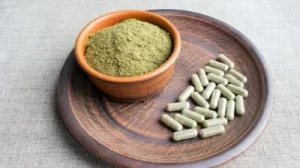
What Is 7-OH and How Is It Linked to Kratom?
7-hydroxymitragynine is a
powerful active metabolite of kratom that binds strongly to the brain’s opioid receptors, driving much of kratom’s effects.Key facts about 7-OH:
- Formed when your body metabolizes mitragynine (kratom’s primary alkaloid) via CYP3A4 enzymes
- Largely responsible for kratom’s ability to relieve pain, produce euphoria, and enhance mood
- Laboratory studies since the mid-2000s show 7-OH is 5-10 times more potent than morphine milligram-for-milligram
- Regular kratom use—particularly 20-40+ grams daily—leads to opioid tolerance, physical dependence, and withdrawal syndromes comparable to short-acting opioids
Understanding 7OH Withdrawal vs. Precipitated Withdrawal
Two distinct phenomena exist: spontaneous
kratom withdrawal after stopping use, and precipitated withdrawal triggered by starting medications like taking
Suboxone too soon.
Typical 7-OH/kratom withdrawal symptoms include:- Muscle aches and muscle pain throughout the body
- Profuse sweating and chills nausea
- Anxiety, irritability, and restlessness
- Insomnia and fatigue
- GI upset: nausea, vomiting, diarrhea
- Intense cravings and mood disturbances
- Depression and low energy
These
opioid withdrawal symptoms usually emerge 6-24 hours after the last dose in heavy daily users, peaking over days 1-3—similar to other opioids.In contrast, precipitated withdrawal comes on abruptly—often within 30-60 minutes of taking buprenorphine—because of rapid displacement of 7-OH from receptors.

What Is Precipitated Withdrawal in the Context of 7-OH?
Precipitated withdrawal is a sudden,
severe opioid withdrawal syndrome triggered when a high-affinity partial agonist or antagonist (usually buprenorphine or naloxone) enters the system while 7-OH still heavily occupies opioid receptors.
The mechanism works like this:- Buprenorphine’s binding affinity (Ki ~0.2-1 nM) exceeds 7-OH’s affinity (~1-10 nM)
- Buprenorphine “kicks off” existing 7-OH and replaces a stronger opioid signal with its weaker ceiling effect
- This causes an abrupt drop in receptor activation, plunging the nervous system into withdrawal
- The same mechanism applies whether someone has been using heroin, other opioids, or kratom—only timing and dose differ
Precipitated withdrawal can also occur if naloxone is administered directly, rapidly blocking 7-OH at the receptor level. One case report documented severe precipitated withdrawal occurring just one hour after buprenorphine naloxone administration following recent 7-OH intake.
7OH Precipitated Withdrawal Symptoms: What It Actually Feels Like
Precipitated withdrawal symptoms mirror classic opioid withdrawal but arrive compressed and intensified—often feeling far worse than any prior cold-turkey experience.
Physical symptoms:- Sudden waves of nausea and vomiting
- Profuse sweating and gooseflesh (piloerection)
- Severe muscle and bone aches
- Stomach cramps and explosive diarrhea
- Dilated pupils and rapid heart rate
- Uncontrollable yawning
- Elevated blood pressure
Psychological symptoms:- Intense anxiety or panic attacks
- Agitation and akathisia-like restlessness
- Profound dysphoria and depression
- Racing thoughts and irritability
- Overwhelming cravings to “fix it” with more kratom or opioids
Onset and course: Symptoms typically start within 15-60 minutes of taking buprenorphine, peak over 1-3 hours, and feel unbearable at their worst. Patients describe it as “dying” or “flu times ten.” However, with proper medical support, symptoms usually begin easing within several hours and resolve substantially within 24 hours.
Why 7-OH Users Are at Unique Risk for Precipitated Withdrawal
Many people underestimate kratom because it’s legal in most states and sold openly at smoke shops. This causes both patients and clinicians to misjudge buprenorphine timing.
Factors increasing risk:- Heavy kratom users (20-40+ grams daily for months) develop receptor occupancy and opioid dependence comparable to moderate prescription opioid use
- Kratom contains both short-acting and longer-acting alkaloids; with frequent dosing, effective activity can persist 24+ hours
- Patients often underreport kratom intake or don’t view it as an “opioid,” so buprenorphine may be started as if they were opioid-naïve
- Concentrated 7-OH extracts (versus plain leaf) dramatically escalate dependence severity and precipitated withdrawal risk
Research published in J Psychoactive Drugs and J Addict Med confirms kratom’s opioid-like pharmacology, yet this reality often goes unrecognized in clinical settings unfamiliar with kratom addiction.
How Long After 7-OH/Kratom Use Before Starting Suboxone?
No one-size-fits-all hour mark exists. Medical teams at Legacy Healing Center use clinical tools and comprehensive history rather than clock time alone.
General ranges:- Light, intermittent kratom users: 12-18 hours after last use may be sufficient
- Heavy, long-term users: 24-36+ hours often required
- Those also on methadone or long-acting opioids: 36-72+ hours or longer
The Clinical Opiate Withdrawal Scale (COWS) guides proper timing. Most protocols recommend waiting until at least mild-to-moderate withdrawal emerges (COWS score ≥12-13) before the first buprenorphine dose.In a
luxury inpatient setting, clinicians monitor vitals, symptoms, and timing around the clock, adjusting medication assisted treatment based on hour-by-hour presentation rather than rigid timelines. This professional supervision dramatically reduces precipitated withdrawal risk.
Preventing 7OH Precipitated Withdrawal: Medical Strategies
Avoiding precipitated withdrawal is far easier than managing it—and is a core priority of
Legacy Healing Center’s detox team.
Prevention strategies include:- Thorough intake assessment: Capturing exact kratom product types, doses (teaspoons vs. grams), frequency, years of use, and any concurrent drug alcohol use or benzodiazepines
- “Wait for withdrawal” approach: Patients are kept comfortable with non-opioid medications (clonidine for autonomic symptoms, ondansetron for nausea, hydroxyzine or trazodone for anxiety and sleep) until clear, objective moderate withdrawal symptoms emerge
- Low-dose or micro-induction: For high-risk individuals, starting with 0.5-1 mg buprenorphine at intervals gently replaces 7-OH without abrupt receptor displacement, reducing cravings gradually
- Continuous monitoring: Vital signs, COWS scores, and symptom tracking enable real-time protocol adjustments

What To Do If 7-OH Precipitated Withdrawal Happens
Even with careful planning, precipitated withdrawal occasionally occurs. Evidence-informed responses exist.
Critical points:- Dosing more kratom or illicit opioids almost never “fixes” precipitated withdrawal—buprenorphine’s higher receptor affinity blocks their effects
- Attempting to override with more opioid use increases overdose risk once buprenorphine begins to wear off
Medical management in supervised detox:- Additional carefully titrated buprenorphine to achieve ceiling effect
- IV or oral fluids for hydration
- Anti-nausea medications (ondansetron)
- Non-opioid pain control and blood pressure support
- Calming, 1:1 nursing reassurance
Time course matters: The worst phase lasts hours, not days. Symptoms can be extremely intense but are survivable. Most patients feel markedly better by the following day in a clinical health clin setting with proper support.
7OH Withdrawal Timeline Without and With Medical Support
The experience differs dramatically between
home detox and medically supervised care.
Without medical support:| Timeline | Symptoms |
|---|
| 6-24 hours | Early anxiety, restlessness, chills, increased energy followed by crashes |
| Days 1-3 | Peak: severe muscle pain, nausea, diarrhea, insomnia, irritability |
| Days 4-7 | Gradual physical improvement, lingering fatigue |
| Weeks 2-4 | Protracted mood and sleep issues, anhedonia |
With medical support:- Earlier symptom recognition and intervention
- Targeted medications to blunt peaks and manage pain
- Improved sleep through appropriate sleep aids
- Nutritional support and psychological counseling from day one
- Access to massage, yoga, low-impact exercise, and private rooms
The same physiological timeline becomes far more manageable and less traumatic in a luxury environment designed for comfort and lasting recovery.
Dual Diagnosis: When 7-OH Use Masks Deeper Mental Health Needs
Many kratom and 7-OH users originally started to self-treat chronic pain, anxiety, PTSD symptoms, ADHD, or depression—seeking ways to manage pain or enhance mood without prescriptions.
Important considerations:- Withdrawal—especially if precipitated—can unmask or worsen underlying conditions: panic attacks, major depressive episodes, intrusive trauma memories, or suicidal thinking
- Physical symptoms and psychological symptoms intertwine, requiring integrated treatment
- Legacy Healing Center offers full psychiatric evaluation, evidence-based therapies (CBT, EMDR for trauma), and ongoing medication management throughout kratom detox
This approach especially benefits executives, professionals, veterans, and first responders who need discreet yet comprehensive care for both opioid use disorders and co-occurring mental health conditions.
Why Choose Legacy Healing Center for 7OH & Kratom Detox
Legacy Healing Center is a luxury, accredited provider experienced in
medically complex detoxes—including kratom, 7-OH, and polysubstance cases where precipitated withdrawal risk runs high.
Key differentiators:- Board-certified addiction medicine leadership (Dr. Ash Bhatt) overseeing protocols that account for kratom’s unique pharmacology
- Medically supervised detox with 24/7 monitoring and individualized induction timing
- Private or semi-private rooms, gourmet meals, fitness facilities, spa-like amenities
- Concierge travel support for out-of-state or high-profile clients requiring discretion
Legacy offers a
full continuum of care—residential, PHP, IOP, sober living, and long-term aftercare—so patients move from acute 7-OH withdrawal through stabilization and into ongoing recovery within one integrated system.
After Detox: Building a Life Beyond 7-OH and Kratom
Detox—whether complicated by precipitated withdrawal or not—is only the first step, not a cure. Dependence and withdrawal resolution must lead to sustained recovery work.
Therapy focuses on:- Learning coping skills to manage chronic pain without kratom
- Addressing anxiety and trauma triggers through evidence-based approaches
- Repairing relationships damaged by kratom dependence
- Planning safe return to work and family life
Relapse-prevention planning for kratom:- Avoiding smoke shops and online vendors
- Understanding marketing myths about “legal highs” and “natural” products
- Having a concrete plan for cravings
Legacy Healing Center’s aftercare includes virtual and in-person options, alumni support, and coordination with local healthcare provider networks so clients maintain continuity of care after residential treatment.
Getting Help for 7OH Precipitated Withdrawal Today
If you’re fearful of precipitated withdrawal—or have already experienced it—reaching out before attempting another home detox or unsupervised Suboxone start could prevent significant suffering.
Next steps:- Call Legacy Healing Center for fast insurance verification
- Complete a simple online form for same-day or next-day admission when medically appropriate
- Request discreet travel coordination and privacy protections for executives and high-profile individuals
7-OH dependence and even past precipitated withdrawals are treatable. With the right medical support, proper timing, and a luxury environment designed for healing, recovery is both safer and more comfortable than going it alone.



 By:
By:
 Editor:
 Clinical Reviewer: