
Insurance Disclaimer
We may contact your insurance provider to verify benefits and obtain any required authorizations. Verification of benefits is not a guarantee of payment or coverage. Coverage and payment are subject to your health plan’s terms, limitations, and exclusions at the time services are provided. Any services denied or not covered by your insurer may become your financial responsibility.
Aetna Rehab Coverage: Everything You Need To Know
About Carelon Insurance

Carelon is one of the largest behavioral health and healthcare management organizations in the United States, serving more than 61 million members through health plans, employers, government programs, and provider partnerships.
As a subsidiary of Elevance Health and the organization behind Carelon Behavioral Health (formerly Beacon Health Options), Carelon does not typically sell insurance directly to consumers. Instead, it manages behavioral health benefits, substance abuse treatment services, care coordination, utilization management, and specialty healthcare programs for many major insurance carriers, including Anthem and Blue Cross Blue Shield-affiliated plans. Through its nationwide behavioral health network, Carelon helps connect members to evidence-based treatment, crisis services, outpatient therapy, psychiatric care, and specialized addiction treatment programs. This broad reach has made Carelon rehab coverage one of the most administered behavioral health benefit systems in the country.
For those researching Carelon rehab coverage, the company takes a highly structured, evidence-based approach to substance abuse treatment and recovery. Carelon Behavioral Health supports a full continuum of care that may include medical detox, residential rehab, inpatient treatment, Partial Hospitalization Programs (PHPs), Intensive Outpatient Programs (IOPs), medication-assisted treatment (MAT), outpatient counseling, peer recovery support, and dual diagnosis treatment for individuals struggling with both addiction and mental health disorders. Carelon places a strong emphasis on clinical quality, recovery outcomes, and matching patients to the appropriate level of care using nationally recognized treatment guidelines and medical necessity criteria. Unlike many traditional insurers that primarily process claims, Carelon actively manages behavioral health treatment pathways, helping coordinate care transitions between detox, rehab, outpatient treatment, and long-term recovery support. This integrated approach has made Carelon one of the most influential organizations in behavioral health and addiction treatment management nationwide.
How Does Carelon Insurance work for substance abuse?
Carelon works for substance abuse treatment differently than many traditional insurance companies because it is primarily a behavioral health management organization, not just a claims processor. Through Carelon Behavioral Health (formerly Beacon Health Options), the company manages addiction and mental health benefits for more than 61 million members nationwide and connects individuals to a full continuum of evidence-based care that may include medical detox, residential rehab, inpatient treatment, Partial Hospitalization Programs (PHPs), Intensive Outpatient Programs (IOPs), outpatient therapy, medication-assisted treatment (MAT), crisis services, peer support, and long-term recovery resources. Carelon’s approach is heavily focused on clinical quality and matching members to the appropriate level of care using evidence-based guidelines and medical necessity criteria. Unlike many insurers that become involved only during authorization and claims review, Carelon actively coordinates care, provides provider consultation resources, supports medication-assisted treatment for opioid and alcohol use disorders, and uses care management programs designed to improve engagement and recovery outcomes. Carelon also operates specialized substance use disorder programs that emphasize early intervention, proactive outreach, and ongoing support rather than simply paying for treatment episodes.
For individuals with dual diagnosis conditions—where substance abuse and mental health disorders occur together—Carelon places significant emphasis on integrated treatment rather than treating addiction and mental health separately. Its clinical resources specifically include screening tools and treatment guidance for co-occurring mental health and substance use disorders, reflecting current best practices that show integrated treatment produces better outcomes than fragmented care. Depending on the underlying health plan, members may have access to therapy, psychiatry, medication management, inpatient psychiatric care, addiction treatment, virtual behavioral health services, and coordinated care navigation through the same behavioral health network. Carelon’s behavioral health model is built around whole-person care, meaning treatment decisions consider mental health symptoms, physical health needs, social factors, recovery support systems, and relapse prevention planning together. Many providers who work with Carelon note that approvals for detox, residential rehab, PHP, IOP, and dual diagnosis treatment tend to be strongest when facilities submit detailed clinical documentation demonstrating both addiction severity and co-occurring psychiatric needs. This integrated behavioral health focus is one of the reasons Carelon has become one of the largest and most influential behavioral health organizations in the country, with a network exceeding 150,000 providers and more than four decades of behavioral health experience.
Does Carelon Insurance Cover Luxury Treatment?
Yes, Carelon may cover treatment at a luxury rehab facility, but its approval process is often more clinically driven than many traditional insurers because Carelon Behavioral Health specializes in managing behavioral health and substance use treatment benefits. Rather than focusing on the reputation or luxury status of a facility, Carelon evaluates whether the requested level of care meets evidence-based medical necessity criteria, often using ASAM (American Society of Addiction Medicine) guidelines for substance use treatment. This means Carelon may approve coverage for detox, residential rehab, dual diagnosis treatment, PHP, IOP, psychiatric services, and medication-assisted treatment (MAT) at a high-end facility if the clinical treatment is medically necessary and the provider is in-network or otherwise authorized. However, luxury amenities such as private suites, concierge services, gourmet dining, spa treatments, executive accommodations, personal trainers, or resort-style experiences are generally not considered medically necessary and therefore are typically not covered.
What makes Carelon somewhat different from many insurers is that it actively manages behavioral health treatment pathways and frequently conducts detailed clinical reviews before approving higher levels of care. Providers who regularly work with Carelon often note that residential and luxury rehab approvals are strongest when facilities submit comprehensive documentation showing withdrawal risks, relapse history, failed outpatient treatment attempts, co-occurring mental health conditions, and the need for 24-hour structured care. Carelon’s own clinical criteria emphasize matching members to the appropriate level of care rather than automatically approving the most intensive setting requested. In practice, this means Carelon is often willing to cover the treatment portion of a luxury rehab stay if the program delivers evidence-based addiction and mental health services, but members may still be responsible for paying the difference between covered clinical services and the facility’s premium amenities. Many treatment providers also report that Carelon generally prefers continuity of care, often encouraging transitions from detox to residential treatment and then into PHP, IOP, therapy, or recovery support services as part of a long-term treatment plan rather than viewing rehab as a single isolated event.
What Carelon Insurance Plans are the best for addiction and mental health coverage?
The Carelon “plans” that usually cover the widest range of addiction and mental health treatment are typically PPO-style commercial plans or large employer/union plans where Carelon Behavioral Health manages the behavioral health benefit. These plans often offer the broadest access to detox, residential rehab, PHP, IOP, outpatient therapy, psychiatry, MAT, virtual care, and dual diagnosis treatment because they may include stronger out-of-network flexibility and larger provider networks. Carelon itself is not usually the main insurance plan; it manages behavioral health benefits for insurers and employers, so the underlying plan still controls deductibles, copays, network access, and exclusions. Carelon says it supports 61 million members across all 50 states with more than 150,000 network providers, but its medical necessity criteria vary by state, contract, and member benefits.
Based on provider feedback, public reviews, and forum-style complaints, the best real-world Carelon coverage is usually found when three things line up: the facility is in-network, the plan has PPO or broad-network benefits, and the provider submits strong documentation showing medical necessity for each level of care. Carelon is known for a structured clinical review process, especially for residential rehab, PHP, IOP, and dual diagnosis care, so approvals tend to be smoother when treatment centers clearly document withdrawal risk, relapse history, psychiatric symptoms, failed outpatient attempts, and ASAM-level need. A practical caution: public reviews and recent reporting show complaints about inaccurate provider directories and difficulty finding available in-network behavioral health providers, so members should not rely only on the online directory; they should call the provider, Carelon, and the primary insurance plan to confirm network status and authorization before admission.
Does Carelon Insurance cover medication-assisted detox (M.A.T.)?
Yes, Carelon often covers medication-assisted detox and medication-assisted treatment (MAT) when it is part of a medically necessary substance use disorder treatment plan, but Carelon usually acts as the behavioral health administrator for another insurance plan rather than the standalone insurer. In practice, that means Carelon may review and authorize detox, residential treatment, PHP, IOP, outpatient therapy, psychiatry, and MAT using clinical guidelines and medical necessity criteria, while the member’s underlying health plan determines the exact copays, deductibles, pharmacy rules, and network requirements. Carelon’s substance use disorder resources emphasize evidence-based treatment across mild, moderate, and severe SUD cases, including care coordination and recovery support.
Medications that may be covered, depending on the plan and provider setting, commonly include buprenorphine or buprenorphine/naloxone for opioid use disorder, methadone through approved opioid treatment programs, naltrexone for opioid or alcohol use disorder, and acamprosate or disulfiram for alcohol use disorder. Detox may also involve short-term withdrawal-management medications, such as benzodiazepines for alcohol withdrawal or comfort medications for opioid withdrawal, when clinically appropriate and supervised by a licensed provider. The key is that Carelon is most likely to approve medication-assisted detox when the provider documents withdrawal risk, substance use history, co-occurring mental health symptoms, relapse risk, and why that level of care is needed. Before starting treatment, members should confirm whether Carelon manages their behavioral health benefits, whether the detox or MAT provider is in-network, and whether prior authorization is required.
What kind of outpatient programs does Carelon Insurance cover?
Carelon commonly covers a broad range of outpatient addiction and behavioral health programs, but what makes its approach different is that Carelon is not simply paying claims—it actively manages behavioral health treatment pathways through Carelon Behavioral Health, one of the largest behavioral health organizations in the country. Depending on the member’s underlying health plan, Carelon may cover standard outpatient counseling, individual therapy, group therapy, psychiatry, medication management, medication-assisted treatment (MAT), Intensive Outpatient Programs (IOPs), Partial Hospitalization Programs (PHPs), peer recovery support services, virtual therapy, telehealth psychiatry, and integrated dual diagnosis treatment for individuals experiencing both addiction and mental health disorders. Carelon’s clinical model emphasizes matching patients to the least restrictive level of care that can safely produce positive outcomes, meaning members are often encouraged to progress from detox or residential treatment into PHP, IOP, outpatient therapy, and recovery support rather than remaining in higher-cost levels of care longer than clinically necessary. This stepped-care approach is heavily guided by ASAM Criteria and evidence-based clinical review processes.
One of Carelon’s most unique treatment approaches is its focus on whole-person behavioral healthcare and integrated recovery management. Unlike many insurers that separate addiction treatment from mental health services, Carelon specifically promotes integrated treatment for co-occurring disorders and operates specialized Substance Use Disorder (SUD) programs that combine addiction treatment, psychiatric care, care coordination, medication-assisted treatment, and long-term recovery support. Carelon also places significant emphasis on early intervention, recovery engagement, and preventing relapse through ongoing outpatient support. Its network includes more than 150,000 behavioral health providers nationwide, and many of its programs incorporate virtual care, digital behavioral health tools, and coordinated care management to help members stay connected to treatment after detox or inpatient rehab. Providers who regularly work with Carelon often note that the organization strongly favors outpatient treatment when clinically appropriate because research consistently shows that maintaining engagement in recovery services over time is one of the strongest predictors of long-term success. This focus on continuity of care, measurement-based outcomes, and integrated dual diagnosis treatment is one of the biggest ways Carelon differs from many traditional behavioral health benefit managers.
Additional Information about Carelon Insurance
One little-known advantage of Carelon is that many members focus entirely on getting approved for detox or rehab and miss out on Carelon’s care management and recovery support services, which can sometimes be just as valuable as the treatment itself. Providers and members frequently mention in forums and recovery communities that Carelon is often more willing to approve continued outpatient support, medication-assisted treatment (MAT), therapy, psychiatry, and dual-diagnosis care when there is a clearly documented long-term recovery plan in place. In other words, Carelon tends to view addiction treatment as a continuum rather than a single rehab stay. A practical tip that many experienced admissions teams recommend is asking your treatment provider to include not only withdrawal symptoms and substance use history in the authorization request, but also any depression, anxiety, PTSD, trauma, or relapse concerns. Because Carelon specializes in behavioral health management, demonstrating the connection between addiction and mental health needs can often strengthen approval requests and improve access to ongoing recovery services after detox or residential treatment. This is especially important because many people report that Carelon’s strongest benefit is not necessarily the initial rehab approval, but the ongoing support that helps prevent relapse after treatment ends.
Personalize your treatment plan
with a benefits specialist. Call us.
Safely Detox at Castillian

Find Alcohol Treatment
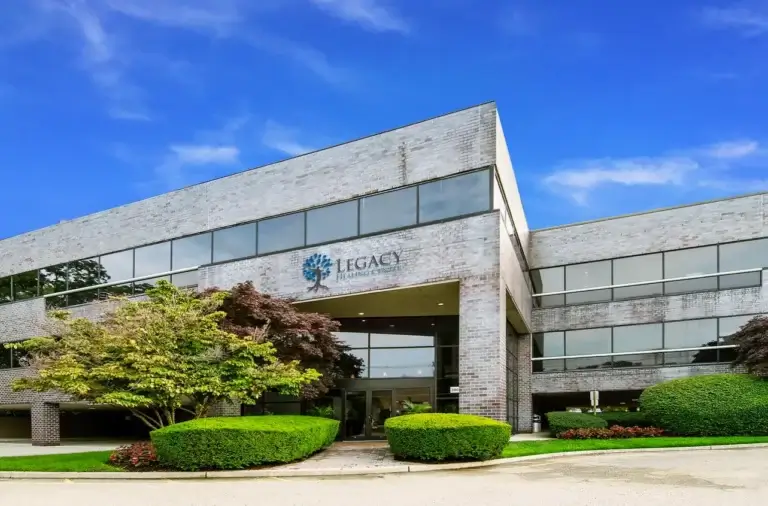
Legacy Healing Center Parsippany, NJ

Legacy Healing Center Cincinnati, OH