

 By:
By:
 Editor:
 Clinical Reviewer:

What Is Inhalant Use Disorder in DSM-5?
Inhalants are volatile hydrocarbons and gases found in common household and industrial products. These include:
Aerosol sprays (spray paint, deodorants, cooking sprays)
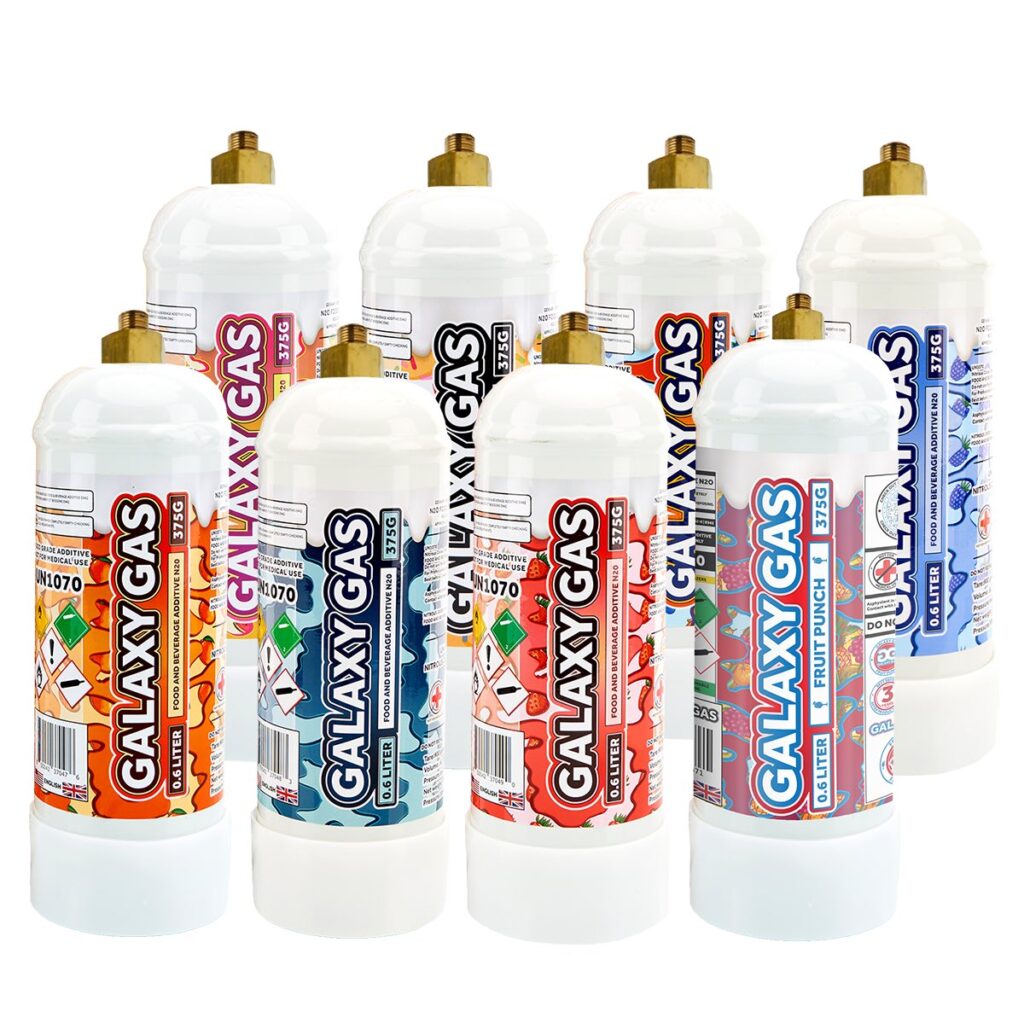
Gases (nitrous oxide cartridges or “whippets,” butane, propane)
Solvents (glue, paint thinners, gasoline, lighter fluid, nail polish remover, correction fluid)
Cleaning products (degreasers, dry-cleaning fluids)
The DSM-5 defines inhalant use disorder as a “problematic pattern of inhalant use leading to clinically significant impairment or distress.” This pattern must manifest through at least two of eleven specified criteria occurring within a 12-month period.
Importantly, DSM-5’s inhalant use disorder category specifically targets hydrocarbon based inhalant substances and excludes nitrites such as amyl nitrite and butyl nitrite (“poppers”). These are classified separately because their primary mechanism involves smooth muscle relaxation rather than central nervous system depression, producing distinct intoxication profiles.
Impairment from inhalant use can include medical complications (organ damage, mild neurocognitive disorder), psychological distress (depression, anxiety disorders), and disruptions in school, work, or relationships—affecting the person’s ability to function in daily life.
DSM-5 Diagnostic Criteria for Inhalant Use Disorder
The diagnostic and statistical manual of mental disorders lists 11 criteria for diagnosing inhalant use disorder. A diagnosis requires meeting at least 2 criteria within a 12-month period:
Using inhalants in larger amounts or over a longer period than intended
Persistent desire or unsuccessful efforts to cut down or control inhalant use
Spending a great deal of time obtaining, using, or recovering from inhalant use
Craving or strong urge to use inhalants
Recurrent inhalant use leading to failure to fulfill major role obligations at school, work, or home
Continued inhalant use despite persistent or recurrent social or interpersonal problems caused or worsened by use
Giving up or reducing important social, occupational, or recreational activities because of inhalant use
Recurrent use in situations in which it is physically hazardous (e.g., huffing while driving, using near open flames)
Continued use despite knowing that physical or psychological problems are likely caused or worsened by inhalant use
Tolerance: needing more of the substance to achieve the same effect or experiencing diminished effect with the same amount
Withdrawal symptoms (though DSM-5 notes these are typically mild and not formally diagnostic for most inhalants)
Some long term inhalant users of solvents and gases may experience inhalant withdrawal symptoms including irritability, anxiety, and tremors after stopping heavy use.
Severity Specifiers:
Severity | Criteria Met | Typical Care Level |
|---|---|---|
Mild | 2-3 criteria | Outpatient treatment |
Moderate | 4-5 criteria | Intensive outpatient or PHP |
Severe | 6+ criteria | Residential treatment |
DSM-5 Criteria for Inhalant Intoxication
Inhalant intoxication is a separate but related diagnosis in DSM-5, often accompanying inhalant use disorder. This diagnosis applies when someone has recently and intentionally inhaled volatile hydrocarbons from household or industrial products.
Behavioral and Psychological Changes:
Belligerence or aggression
Apathy and emotional blunting
Impaired judgment and decision-making
Marked mood swings or lability
Physical Symptoms and Neurological Signs:
Dizziness, lightheadedness, and a “drunk” feeling
Slurred speech and unsteady gait (ataxia)
Nystagmus (rapid, involuntary eye movements) and blurred vision
Lethargy, slowed reflexes, or psychomotor retardation
Tremor and muscle weakness
Euphoria, disinhibition, or occasionally hallucinations
Stupor or coma in severe cases
For DSM-5 criteria to be met, symptoms must not be better explained by another medical condition or other substances. Intoxication typically resolves rapidly—within minutes to hours—but can occur even without meeting full criteria for use disorder.
Prevalence and Risk Factors
Recent inhalant abuse data from national surveys reveals concerning patterns among young adults and adolescents:
Approximately 6% of 8th graders report past-year inhalant use
Around 10% of teens have tried inhalants at least once in their lifetime
About 0.4% of the population meets full DSM-5 criteria for inhalant use disorder annually
Among frequent inhalant users (5+ lifetime uses), studies show 37.7-45.7% meet disorder criteria
Inhalants appeal to adolescent patients and young adults for several reasons: they cost less than $5 per use, they’re legally accessible in any household, and many perceive these products as “safer” than illicit substance options like other drugs.
Key Risk Factors:
History of trauma, neglect, or child abuse
Peer groups or family members who engage in substance use
Poverty, unstable housing, or limited supervision
Co-occurring mental health conditions (ADHD, depression, anxiety disorders, adolescent conduct disorder)
Family dysfunction and lack of parental monitoring
While inhalant use peaks in adolescence, adults with chronic use face amplified medical risks including organ failure and persistent cognitive deficits.
Co-Occurring Mental Health and Substance Use Disorders
The statistical manual of mental disorders and clinical research confirm high comorbidity between inhalant use disorder and comorbid psychiatric disorders. Approximately 70% of adults with inhalant problems have at least one co-occurring psychiatric disorder.
Common Co-Occurring Mental Disorders:
Depression and bipolar spectrum disorders
Anxiety disorders and post-traumatic stress disorder (PTSD)
Adolescent conduct disorder and oppositional defiant disorder
Antisocial personality disorder and other personality disorders in adults
Suicidal ideation and self-harm behaviors
Polysubstance use is also common among inhalant users. Research shows 68.5% also use hallucinogens or prescription drugs, along with alcohol, nicotine, cannabis, stimulants, and opioids. This overlap with other substance use disorders significantly increases risk of inhalant overdose, respiratory depression, and metabolic disturbances.
Drug alcohol combinations are particularly dangerous. The presence of multiple substances complicates treatment but makes comprehensive care even more essential.
Legacy Healing Center specializes in dual diagnosis treatment, addressing both inhalant use disorder and underlying mental health conditions simultaneously for optimal outcomes.
Signs and Symptoms of Inhalant Addiction in Everyday Life
Beyond DSM-5 diagnostic criterion, families often notice patterns that suggest developing inhalant addiction. These warning signs warrant immediate attention:
Observable Warning Signs:
Chemical, paint, or fuel odors on breath, clothing, hair, or in bedroom/car
Paint or stain marks around mouth, nose, and hands; chapped or irritated skin around nose and lips
Hidden paraphernalia: rags, paper or plastic bag containers, empty spray cans, solvent containers, or nitrous oxide cartridges
Sudden changes in school or work performance, truancy, or frequent “headaches” and “stomach aches”
Episodes of appearing “drunk” without alcohol odor—slurred speech, red eyes, poor coordination that resolve quickly
Mood swings, irritability, secretive behavior, locking doors, withdrawing from family or addictive behaviors around certain products
Memory lapses, confusion, or difficulty paying attention (cerebellar dysfunction indicators)
Unexplained nausea, vomiting, nosebleeds, or chronic cough
These signs suggest possible inhalant exposure and warrant a physical examination and psychological evaluation by family physicians or specialists—not self-diagnosis.

Short-Term and Long-Term Health Effects of Inhalant Use
Inhaled substances depress the central nervous system, can cause hypoxia, and carry significant risk even with occasional use. Understanding the negative consequences helps motivate treatment-seeking.
Short-Term Effects:
Euphoria, dizziness, impaired judgment
Nausea, vomiting, headache
Hallucinations and disorientation
Increased risk of accidents and risky behavior
Respiratory depression
Sudden Sniffing Death Syndrome: This fatal cardiac arrhythmia can occur during or immediately after huffing certain inhalants. A catecholamine surge triggers lethal heart rhythms. This syndrome accounts for approximately 50% of inhalant-related deaths in some reports and can happen to first-time users.
Long-Term Effects from Using Inhalants Repeatedly:
Brain damage: cortical atrophy, cognitive decline, memory and attention problems
Peripheral neuropathy (nerve damage in extremities)
Liver toxicity and kidney damage
Bone marrow suppression
Myocarditis and heart failure
Rhabdomyolysis leading to kidney failure
Use of volatile inhalants during adolescence can interfere with brain development, potentially causing persistent mild neurocognitive disorder that may be only partially reversible. Certain inhalants carry higher risks for particular organ systems based on their chemical composition.
Diagnosis and Clinical Evaluation
There is no single definitive laboratory tests that can diagnose inhalant use disorder. Diagnosis relies on DSM-5 criteria, comprehensive history, and clinical examination in a controlled setting.
Clinical Evaluation Components:
Detailed history: substances used, frequency, route (sniffing, huffing, bagging via paper or plastic bag), and contexts
Review of DSM-5 criteria for both disorder inhalant use and intoxication
Physical examination: peri-oral/peri-nasal rash, chemical odors, neurological deficits, signs of organ damage
Laboratory tests: liver enzymes, kidney function, creatine kinase (for rhabdomyolysis), though these cannot alone confirm the disorder
Screening for sexually transmitted diseases in high-risk populations
Assessment for co-occurring psychiatric disorders and other substance use
National Institute guidelines recommend comprehensive evaluation. At Legacy Healing Center, care begins with thorough medical, psychiatric, and psychosocial intake—including DSM-5-based evaluation by board-certified specialists—to determine the safest and most effective treatment level.
Treatment of Inhalant Use Disorder at Legacy Healing Center
There is no FDA-approved medication specifically for inhalant use disorder. Treatment focuses on evidence-based psychosocial interventions and comprehensive medical care addressing compulsive use patterns.
Treatment Continuum:
Medically supervised detox and stabilization (especially for chronic use or co-occurring substance abuse)
Residential/inpatient treatment in a luxury, private setting with 24/7 clinical support
Partial Hospitalization Program (PHP) for structured daytime treatment
Intensive Outpatient Program (IOP) for step-down care
Sober living and aftercare planning for sustained recovery
Therapeutic Approaches:
Cognitive Behavioral Therapy (CBT): addresses triggers, cravings, and thinking patterns driving inhalant use
Motivational Interviewing (MI): enhances readiness to stop, particularly effective for adolescent patients and young adults
Trauma-informed therapies (including EMDR) when history of abuse, neglect, or PTSD is present
Family therapy: rebuilds trust, establishes healthy boundaries, educates loved ones about inhalant addiction and family dysfunction
Luxury Amenities:
Private or semi-private rooms
Spa-style environment and wellness programming
Gourmet meals prepared by professional chefs
Fitness facilities and holistic therapies
Discreet, concierge-level support for high-profile clients

Why Choose a Luxury Rehab Like Legacy Healing Center for Inhalant Addiction?
Inhalant use disorder often requires structured, intensive care due to high medical risk (sudden sniffing death, organ damage), frequent comorbid psychiatric disorders, and complex psychosocial factors including increased risk from delayed treatment.
What Sets Legacy Apart:
Accredited, evidence-based care combined with a high-end, private environment
Clinical leadership by Dr. Ash Bhatt, a board-certified addiction medicine physician (American Psychiatric Publishing standards)
Individualized treatment plans based on particular inhalant history, other substances used, mental health needs, and family dynamics
Advantages for Executives, Professionals, Veterans, and First Responders:
Complete privacy and confidentiality with discreet admissions
Secure, upscale facilities away from public view
Ability to integrate work responsibilities when clinically appropriate
Strong emphasis on long-term relapse prevention and stress management
Support groups and peer connections with similar professionals
Legacy tailors every treatment plan to the individual rather than using a one-size-fits-all approach to abused inhalants and drug abuse treatment.
Life After Treatment: Outcomes and Long-Term Support
Inhalant use disorder, especially when severe or accompanied by other addictions, often has a chronic, relapsing course. However, long-term recovery is absolutely achievable with ongoing support.
Successful Outcomes Often Include:
Sustained abstinence from inhalants and other misused substances
Improved cognitive functioning and emotional stability (though some neurological damage may be only partially reversible)
Restored family relationships and healthier communication
Academic or career progress and better overall quality of life
Long-Term Support from Legacy:
Step-down levels of care (PHP, IOP, outpatient) tailored to progress
Alumni programs and peer support networks
Referrals to local 12-step or alternative support groups
Ongoing coordination with outpatient psychiatrists, therapists, and primary care providers
Periodic “tune-up” stays when needed, especially when early brain injury or severe psychiatric comorbidity is present

When to Seek Help and How Legacy Healing Center Can Support You
Consider reaching out for professional help if you or a loved one:
Meets two or more DSM-5 criteria for inhalant use disorder
Has experienced blackouts, memory loss, or medical scares related to inhalant use
Shows warning signs described earlier in this article
Continues using inhalants leads to negative consequences despite attempts to stop
Early intervention can prevent irreversible brain and organ damage and dramatically improve long-term outcomes. The sooner treatment begins, the better the prognosis.
Legacy Healing Center Offers:
Same-day or rapid admissions when clinically appropriate
Insurance verification and assistance with travel arrangements
Confidential consultations for individuals and families concerned about inhalant use
Comprehensive assessment by addiction medicine specialists
If you recognize these signs in yourself or someone you love, Legacy Healing Center is ready to help. Contact us today for a private assessment and take the first step toward lasting recovery from inhalant addiction.