




-
 By:
Valerie Puffenberger, PMHNP-BC
By:
Valerie Puffenberger, PMHNP-BC -
Editor:
Phyllis Rodriguez, PMHNP-BC
-
Clinical Reviewer:
Dr. Ash Bhatt, MD, MRO
 By:
By:
 Editor:
 Clinical Reviewer:
Key Takeaways
- Long term addiction treatment extending 6 months, 1 year, or 2 years dramatically improves recovery success compared to a single 30-day stay, especially when delivered across multiple levels of care including detox, residential, PHP, IOP, OP, and aftercare.
- Legacy Healing Center provides a complete continuum of care: 30–45 days of medical detox and residential inpatient treatment, followed by step-down programs in luxury facilities across Florida, New Jersey, Ohio, and California.
- Research from the National Institute on Drug Abuse (NIDA) confirms that at least 90 days in treatment significantly improves outcomes—and many individuals with chronic substance use disorders or dual diagnosis do best with 6–24 months of structured support.
- Long term treatment programs are particularly beneficial for those experiencing chronic relapse, severe substance use disorders, co occurring mental health conditions, or previous short term programs that didn’t produce lasting results.
- Ready to explore your options? Verify your insurance online or call Legacy Healing’s 24/7 admissions team at 888-534-2295 to take the first step.
What Is Long Term Addiction Treatment?
Long term addiction treatment refers to care that extends well beyond the traditional 30-day rehab model. These long term treatment programs typically span 6 months, 1 year, or even 2 years, moving clients through multiple levels of care including detox, residential treatment, partial hospitalization (PHP), intensive outpatient (IOP), standard outpatient (OP), and ongoing aftercare.
The fundamental difference between long term treatment and a standard 28–30 day program comes down to time and depth. A longer period in treatment allows for:
- Brain and body stabilization after years of drug use or alcohol addiction
- Deeper trauma work that can’t be rushed in a few weeks
- Lifestyle rebuilding including vocational training and relationship repair
- Comprehensive relapse prevention planning that’s tested in real-world settings
It’s important to understand that “long term” doesn’t necessarily mean spending 2 years in a locked facility. Instead, think of it as a stepped-down continuum where treatment intensity gradually decreases while real-world responsibilities increase. Patients live on site during the early phases, then progressively regain autonomy as they build coping skills and demonstrate stability.
Long term rehab models are especially relevant for those struggling with:
- Alcohol dependence and alcohol addiction
- Opioid use disorder (heroin, fentanyl, prescription painkillers)
- Benzodiazepine dependence requiring careful, extended tapers
- Stimulant addiction (cocaine, methamphetamine)
- Polysubstance dependence involving multiple psychoactive drugs
At Legacy Healing Center, the long term approach is personalized. Length and progression through levels of care are calibrated to each client’s substance use history, co occurring mental health conditions, and individual relapse risk—not arbitrary calendar deadlines.

Why Longer Treatment Works: The Evidence Behind 6–24 Months of Care
The evidence supporting extended care is substantial. The National Institute on Drug Abuse (NIDA) has consistently found that at least 90 days of treatment is associated with significantly better outcomes. Studies examining 6–12 month programs show even greater reductions in relapse rates, particularly for those with severe substance use disorders.
The Mechanisms Behind Long Term Success
Several factors explain why longer treatment produces better results:
| Factor | Why It Matters |
|---|---|
| Neuroplasticity and brain healing | Years of drug abuse fundamentally alter brain chemistry. It takes months—not weeks—for neural pathways to begin normalizing. |
| Medication stabilization | For dual diagnosis clients, finding the right psychiatric medications and dosages requires ongoing adjustment. |
| Real-world practice | Progressively less structured settings allow clients to practice recovery skills while still having clinical support. |
| Social and coping skill development | Building new social skills, coping strategies, and healthy functioning patterns requires repetition over time. |
Consider the contrast between a single 30-day stay and a 12-month continuum. In the short program, a client completes detox, receives some individual and group counseling, and returns home—often to the same environment and triggers. In the 12-month model, that same person moves from detox to residential treatment, then to PHP where they practice skills in semi-real-world conditions, then to IOP where they balance treatment with work or school, and finally to OP and aftercare where they fine-tune their relapse prevention strategies with ongoing professional support.
Why Short Term Programs Often Fall Short
Many programs focus on immediate stabilization without addressing the underlying patterns, trauma, and environmental factors that fuel addiction. This is why repeated short term programs without long term follow-up often fail. The mental health services administration and addiction research communities increasingly recognize that treating chronic conditions like drug addiction requires extended, adaptive care—not one-size-fits-all timelines.
Legacy Healing tracks progress across months using individualized treatment plans, clinical assessments, and relapse prevention milestones. The treatment team adjusts approaches based on how clients actually respond, not just how many days have passed.
The Full Continuum of Care: From Detox to Long Term Aftercare
A “continuum of care” describes the structured path from acute crisis intervention through long term recovery maintenance. At its most comprehensive, this includes:
- Medical detox (5–10+ days)
- Residential inpatient treatment (30–45 days)
- Partial Hospitalization Program (PHP) (4–8 weeks)
- Intensive Outpatient Program (IOP) (8–12+ weeks)
- Standard Outpatient (OP) (ongoing)
- Alumni and long term aftercare (6–24+ months)
Each level gradually reintroduces responsibility and freedom while maintaining professional support. This stepwise approach has been shown to improve long term recovery rates significantly compared to abrupt transitions from inpatient to complete independence.
A Typical Path Through the Continuum
Here’s what a realistic journey might look like:
- Days 1–10: Medical detox with 24/7 nursing supervision, managing withdrawal symptoms
- Days 11–45: Residential inpatient program with intensive therapy, psychoeducation, and holistic care
- Weeks 6–12: PHP with structured daily programming while living in supportive housing
- Months 3–5: IOP with evening sessions, allowing return to work or school
- Months 6–24: OP sessions, alumni programming, and community support groups
Legacy Healing offers all these levels under one umbrella or through closely coordinated networks in Florida, New Jersey, Ohio, and California. This ensures seamless transitions rather than fragmented care where clients fall through the cracks between providers.
Movement between levels is flexible. Clinical teams can slow down or speed up transitions depending on cravings, mental health stability, and home environment. The goal isn’t checking boxes—it’s building foundations for lifelong recovery.

Detox & 30–45 Days of Residential Inpatient: Building the Initial Foundation
Medical detox is typically the first step, lasting 5–10 days for most substances, though alcohol treatment and benzodiazepine detox may require longer under careful supervision. At Legacy Healing, detox takes place in a comfortable, luxury structured setting with 24/7 nursing and physician oversight.
The first 30–45 days of residential treatment focus on:
- Physical stabilization and management of withdrawal symptoms
- Sleep restoration after months or years of disrupted patterns
- Initial therapy for trauma and mental health issues
- Psychoeducation about addiction as a chronic brain disease
- Building motivation for continued treatment
Key Therapeutic Approaches
| Therapy Type | Purpose |
|---|---|
| Individual therapy | One-on-one work addressing personal history, trauma, and goals |
| Group therapy | Peer support, accountability, and shared learning |
| CBT (Cognitive Behavioral Therapy) | Identifying and changing unhelpful thought patterns |
| DBT skills training | Emotional regulation and distress tolerance |
| Family counseling | Beginning the process of relationship repair |
| Medication management | Addressing depression, anxiety, PTSD, or cravings |
Legacy Healing’s residential facilities feature resort-style amenities: chef-prepared meals supporting nutritional recovery, private or semi-private rooms, fitness facilities, yoga studios, and meditation spaces. These luxury elements aren’t frivolous—they help clients feel safe, respected, and focused on recovery rather than discomfort.
This phase removes clients from triggers and provides a secure environment for total stabilization before transitioning into more real-world exposure.
Partial Hospitalization Program (PHP): Intensive Day Treatment With Structured Support
PHP is a highly structured program, typically 5–6 days per week for 6–8 hours daily. Depending on location and clinical appropriateness, clients may reside in Legacy housing or return home each evening.
PHP generally follows the initial 30–45 days of inpatient treatment and often lasts 4–8 weeks. It provides intensive substance abuse treatment while beginning to practice recovery skills in more real-life settings.
Clinical goals at the PHP level include:
- Deep trauma processing using evidence-based approaches
- Addressing family dynamics through ongoing family therapy
- Refining medication regimens with psychiatric oversight
- Introducing vocational training and educational planning
- Strengthening relapse prevention skills
Daily programming includes group counseling, multiple weekly individual sessions, psychiatric check-ins, holistic therapies, and workshops focused on coping skills development.
PHP acts as a critical bridge between the protected bubble of residential treatment and the increased autonomy of IOP. Without this transitional phase, many clients experience shock or overwhelm when leaving inpatient care—a common trigger for early relapse.
Intensive Outpatient Program (IOP): Balancing Treatment With Real-Life Responsibilities
IOP typically involves 3–5 days per week of therapy, approximately 3 hours per session. This level allows clients to work, attend school, or care for family while staying actively engaged in treatment.
IOP often runs for 8–12 weeks or longer, depending on clinical needs and progress. It’s a crucial component of 6–12+ month treatment plans, providing the extended care necessary for lasting change.
Key IOP focuses include:
- Managing triggers in real time as they arise
- Practicing relapse prevention strategies in actual life situations
- Rebuilding relationships damaged by addiction
- Strengthening sober support networks (12-Step, SMART Recovery, or other support groups)
- Developing self control and healthy decision-making habits
Legacy Healing’s IOPs are designed to be discreet and flexible, appealing to professionals, parents, and those needing privacy while continuing care.
Sample Weekly IOP Schedule
| Day | Activity |
|---|---|
| Monday | Group counseling session (6–9 PM) |
| Tuesday | Individual therapy (5 PM) |
| Wednesday | Group therapy + skills workshop (6–9 PM) |
| Thursday | Family session (bi-weekly) |
| Saturday | Recovery fellowship meeting + peer support |
Services offered vary based on individual treatment plans, but this structure allows clients to maintain sobriety while rebuilding productive lives.
Outpatient (OP) & Long Term Aftercare: Sustaining Recovery for 6–24 Months
Standard outpatient care involves 1–3 weekly sessions—individual, group, or family—focusing on maintenance. This includes fine-tuning coping strategies, processing new stressors, and monitoring mental health and medications.
OP often continues for 6–24 months after initial treatment, particularly for those with:
- Chronic addiction histories
- Co occurring disorders like PTSD, bipolar disorder, or severe anxiety
- Previous treatment attempts that didn’t lead to sustained recovery
- Ongoing challenges with domestic violence, unstable housing, or relationship issues
Legacy Healing’s alumni and aftercare services include:
- Alumni groups and recovery events
- Regular check-ins with clinical staff
- Virtual support for those who have relocated
- Referrals to trusted local providers when clients move or travel
- Ongoing case management for complex needs
Long term follow-up dramatically reduces relapse rates by catching problems early—before a slip turns into a full return to use. Think of extended care not as a burden, but as a protective investment in career, family, and well being that pays dividends over years.
6-Month, 1-Year, and 2-Year Recovery Paths: What Long Term Really Looks Like
When we talk about “6, 12, and 24 months” of treatment, we’re referring to total time actively involved in structured treatment and aftercare—not necessarily living in a residential rehab facility the entire duration.
Sample 6-Month Path
| Phase | Duration | Focus |
|---|---|---|
| Medical detox | 10 days | Withdrawal management, stabilization |
| Residential inpatient | 30 days | Intensive therapy, foundation building |
| PHP | 4 weeks | Structured day treatment |
| IOP | 8–10 weeks | Real-world integration |
| OP | Through month 6 | Maintenance and relapse prevention |
Sample 1-Year Path
| Phase | Duration | Focus |
|---|---|---|
| Detox + Residential | 30–45 days | Full stabilization |
| PHP | 6–8 weeks | Intensive transition |
| IOP | 3–4 months | Work/school reintegration |
| OP + Alumni | 6–9 months | Long term maintenance, periodic family therapy |
Sample 2-Year Path (Chronic Relapse Cases)
For individuals with severe substance use disorders, multiple prior treatment attempts, or significant co occurring psychiatric disorders, a 2-year commitment may be appropriate:
- Months 1–3: 60–90 days of higher-intensity care (detox, residential, PHP)
- Months 4–15: Extended IOP/OP with structured sober living if needed
- Months 16–24: Strong alumni involvement, contingency management, community support groups
These timelines are adjusted to each person’s progress. Clinical teams reassess at regular intervals using individualized care approaches rather than one-size-fits-all deadlines.
Who Benefits Most From 1–2 Years of Structured Support?
Certain profiles consistently benefit from longer durations of care:
- Chronic use history: 10+ years of substance abuse
- Multiple prior treatment attempts: Previous short term programs that didn’t stick
- History of overdose: Indicating severe substance dependence
- Co occurring mental health conditions: Depression, anxiety, PTSD, bipolar disorder, eating disorders
- Unstable housing or relationships: Environmental factors that complicate recovery
Examples include:
- Chronic opioid dependence requiring medication assisted treatment and extended behavioral support
- Alcohol use disorder with liver or cardiac complications requiring careful medical monitoring
- Benzodiazepine dependence requiring slow, medically supervised tapers over months
For these individuals, 1–2 years of connected care dramatically improves likelihood of:
- Stable employment
- Repaired family relationships through ongoing family counseling
- Sustained abstinence
- Development of fulfilling lives in recovery
Legacy Healing works closely with families, employers (when appropriate), and legal professionals to support long term treatment plans while protecting client privacy.
A 2-Year Success Story (Anonymized):
Michael, a 42-year-old executive, arrived at Legacy after his third failed attempt at 30-day rehab for alcohol and cocaine use. With severe anxiety and a 15-year addiction history, the clinical team recommended a 2-year path. He spent 60 days in residential, 3 months in PHP, a full year in IOP while returning to work, and continues OP and alumni involvement 20 months later. He recently received a promotion and reports his relationships with his children have “completely transformed.”
Luxury Long Term Treatment at Legacy Healing Center
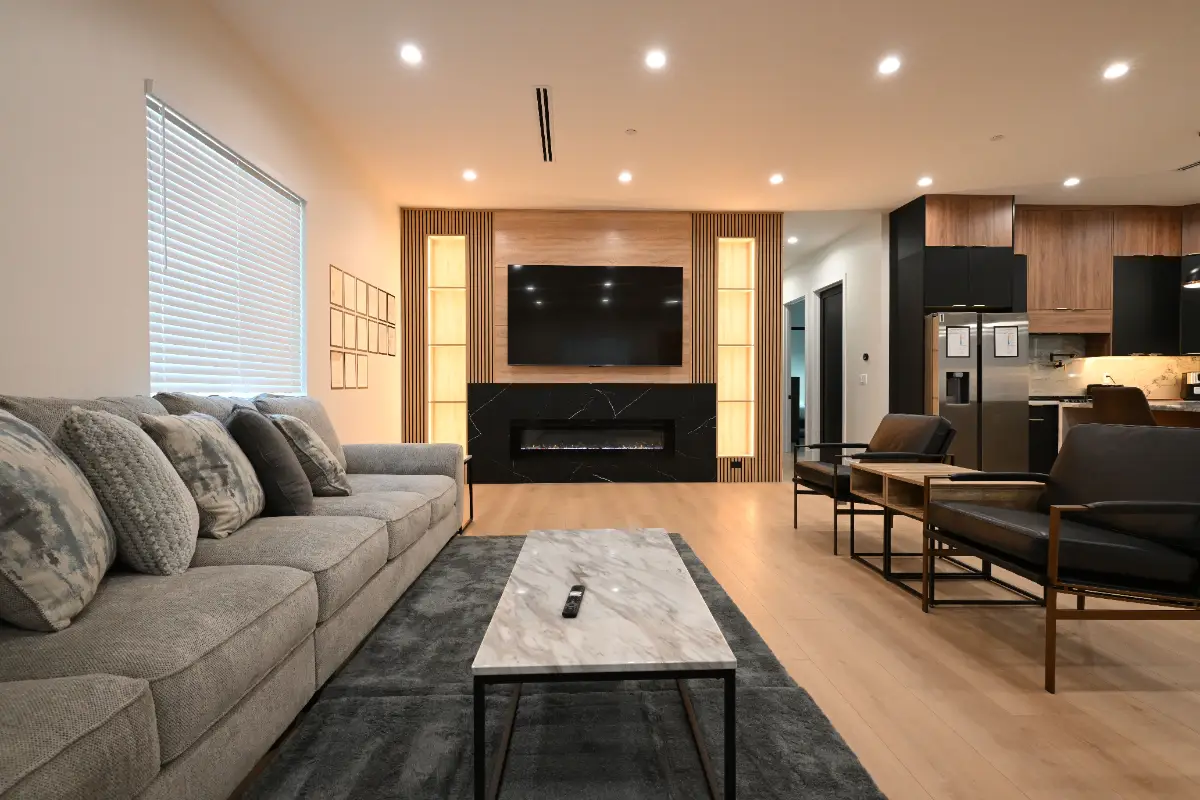
Legacy Healing Center is an award-winning, luxury addiction treatment provider with treatment center locations in Florida, New Jersey, Ohio, and California. Every facility emphasizes upscale, private environments designed to support healing with dignity.
Physical Settings That Support Recovery
- Resort-style campuses with tranquil outdoor areas
- Comfortable common spaces designed for community building
- Private or semi-private rooms ensuring rest and privacy
- Natural settings that promote calm and reflection
Key Amenities for Long Term Healing
| Amenity | Recovery Benefit |
|---|---|
| Chef-prepared meals | Nutritional restoration, eliminating one daily stressor |
| Fitness and yoga studios | Physical health, natural mood regulation |
| Meditation spaces | Stress reduction, emotional regulation practice |
| Recreational activities | Healthy socialization, rediscovering joy |
| Access to nature | Grounding, reduced anxiety |
These luxury elements directly support recovery. Reduced stress improves sleep. Comfort enhances willingness to stay longer. Dignity allows clients to focus entirely on therapy rather than daily discomfort.
Despite the luxury setting, the core remains clinical excellence—licensed professionals, evidence-based care, and a strong safety culture.
Evidence-Based, Trauma-Informed & Dual Diagnosis Care
Many long term clients at Legacy present with co occurring mental health conditions that must be treated alongside addiction. Research from American Addiction Centers and similar organizations confirms that integrated dual diagnosis care produces significantly better outcomes than treating conditions separately.
Core Evidence-Based Modalities:
- CBT (Cognitive Behavioral Therapy): Restructuring thought patterns that drive use
- DBT Skills Training: Emotional regulation and distress tolerance
- EMDR and trauma-focused therapies: Processing past experiences safely
- Motivational Interviewing: Building internal motivation for change
- Family therapy: Healing relationships and establishing healthy boundaries
For opioid and alcohol use disorders, medication assisted treatment (MAT) is integrated with counseling sessions where clinically appropriate. This may include buprenorphine, naltrexone, or other FDA-approved medications that prevent relapse and reduce cravings.
“Trauma-informed” means therapists:
- Avoid re-traumatization through careful pacing
- Prioritize safety and consent
- Help clients process past experiences at a pace appropriate for long term treatment
Psychiatric oversight continues throughout the continuum, ensuring mental health medications and strategies can be adjusted as clients progress from detox to OP.
Holistic & Whole-Person Healing Over Time
Legacy’s holistic offerings complement clinical work:
- Yoga and mindfulness training
- Art therapy and creative expression
- Fitness programming and personal training
- Nutrition counseling and cooking education
- Spiritual support (optional, non-denominational)
Long term treatment allows these practices to become consistent habits—daily routines rather than one-off activities. Over months, clients build sustainable patterns of stress reduction and emotional regulation.
The philosophy addresses:
- Physical health: Exercise, nutrition, sleep restoration
- Emotional wounds: Trauma processing, grief counseling, relationship work
- Spiritual/existential questions: Meaning, purpose, identity beyond addiction
- Practical life skills: Budgeting, employment, healthy relationships
As clients move into PHP, IOP, and OP, they’re encouraged to integrate these practices into home life—morning meditation, regular exercise, healthier meal planning. Holistic care is a key reason that longer stays lead not only to sobriety, but to genuinely improved quality of life and well being.

Life Skills, Family Healing, and Relapse Prevention in Long Term Treatment
Long term recovery is about building a new life, not just stopping substance use. This requires life skills development, relationship repair, and robust relapse prevention planning.
Practical Life Skills Developed Over Months
| Skill Area | Examples |
|---|---|
| Financial management | Budgeting, debt management, financial planning |
| Time management | Scheduling, prioritization, healthy routines |
| Employment | Job search skills, interview preparation, workplace boundaries |
| Communication | Assertiveness, boundary-setting, conflict resolution |
| Daily living | Healthy sleep habits, meal planning, self-care routines |
Family Programming at Legacy
Addiction damages relationships. Legacy’s family programming addresses this through:
- Education about addiction as a chronic brain disease
- Structured family sessions facilitated by trained therapists
- Boundary coaching for both clients and family members
- Tools for rebuilding trust over realistic timeframes
- Ongoing family therapy throughout IOP and OP phases
Key Benefits of Relapse Prevention Planning
Relapse prevention isn’t a single conversation—it’s an ongoing process refined across all levels of care:
- Identifying personal triggers (people, places, emotions, situations)
- Creating written relapse prevention plans
- Developing crisis plans for high-risk situations
- Connecting with community support groups and recovery fellowships
- Building accountability partnerships
These components are revisited from detox through aftercare, allowing clients to refine skills as their circumstances evolve.
Measuring Progress and Adjusting the Long Term Plan
Legacy Healing clinicians conduct periodic assessments—typically monthly or at each level transition—reviewing:
- Symptom severity and cravings
- Mood and mental health stability
- Functional improvements (work, school, relationships)
- Quality of social support network
- Adherence to relapse prevention strategies
Treatment plans are living documents. Goals, therapies, and level of care are revised as clients gain stability or encounter new challenges.
Clients actively participate in goal-setting. They might prioritize:
- Mending specific family relationships
- Returning to a particular career or completing education
- Addressing unresolved trauma from childhood or adulthood
- Developing specific social skills or healthy hobbies
This ongoing adjustment is a major advantage of long term rehab over fixed-length programs. Care matches real recovery, not arbitrary timelines.
Celebrating Progress:
Legacy recognizes milestones through graduation ceremonies at each level transition, alumni events, and ongoing recognition of recovery anniversaries. These celebrations reinforce hope, build community, and strengthen relationships among peers in recovery.
Cost, Insurance, and Accessing Long Term Luxury Treatment
Long term luxury treatment represents a significant investment—but for many people, it’s the difference between repeated cycles of short term programs and lasting recovery.
Insurance Coverage for Long Term Care
Legacy Healing is in-network with many major insurers. Coverage for multiple levels of care—detox, residential, PHP, IOP, OP—is often available, subject to plan limits and medical necessity criteria.
To understand your benefits:
- Verify your insurance online through Legacy’s secure form
- Speak with admissions specialists who can clarify deductibles, co-pays, and out of pocket costs
- Receive a personalized estimate of coverage over 6–24 months
Many programs focus on insurance authorization for initial treatment only. Legacy’s team helps families understand how coverage applies across the full continuum, maximizing benefits at each level.
Your insurance provider may require periodic reauthorization. Legacy’s clinical documentation team handles this process, reducing administrative burden on families.
How to Get Started With Long Term Treatment at Legacy Healing
The process is straightforward and designed to reduce barriers:
- Confidential phone call – Discuss concerns, history, and goals
- Clinical assessment – Brief evaluation to determine appropriate level of care
- Insurance verification – Understand coverage and any out of pocket costs
- Treatment recommendation – Proposed duration and pathway through levels of care
- Admission scheduling – Often same-day or next-day for those needing detox
Transportation support is available in many cases. Admissions staff are compassionate, nonjudgmental, and experienced in walking families through crisis decisions.
Legacy can coordinate with employers or legal systems (with client consent) to support medical leave documentation or court-related requirements.
Ready to explore your treatment options?
Call 888-534-2295 anytime—Legacy’s admissions team is available 24/7. The next 6 to 24 months could transform everything. The first step is a single phone call.
Long term addiction treatment isn’t about being locked away—it’s about building the foundation for a life you actually want to live. Legacy Healing Center offers the full range of services, clinical expertise, and luxury environment to support 6-month, 1-year, or 2-year recovery journeys.
Whether you’re exploring treatment for yourself or a loved one, the next step is simple: verify your insurance or call 888-534-2295 to speak with our admissions team 24/7. Recovery is possible—and it starts with a single conversation.