


 By:
By:
 Editor:
 Clinical Reviewer:

When the High Fades: Understanding Cocaine’s Grip
The pull of cocaine isn’t just chemical; it’s emotional, psychological, and often reinforced by environment and circumstance. For many, it begins as a way to feel sharper, bolder, or briefly unburdened. But the very speed that defines cocaine’s high also drives its danger.
At Legacy Healing Center, we specialize in helping individuals break free from this pattern gently, clinically, and with care grounded in dignity and discretion through evidence-based cocaine treatment programs.
What Is Cocaine?
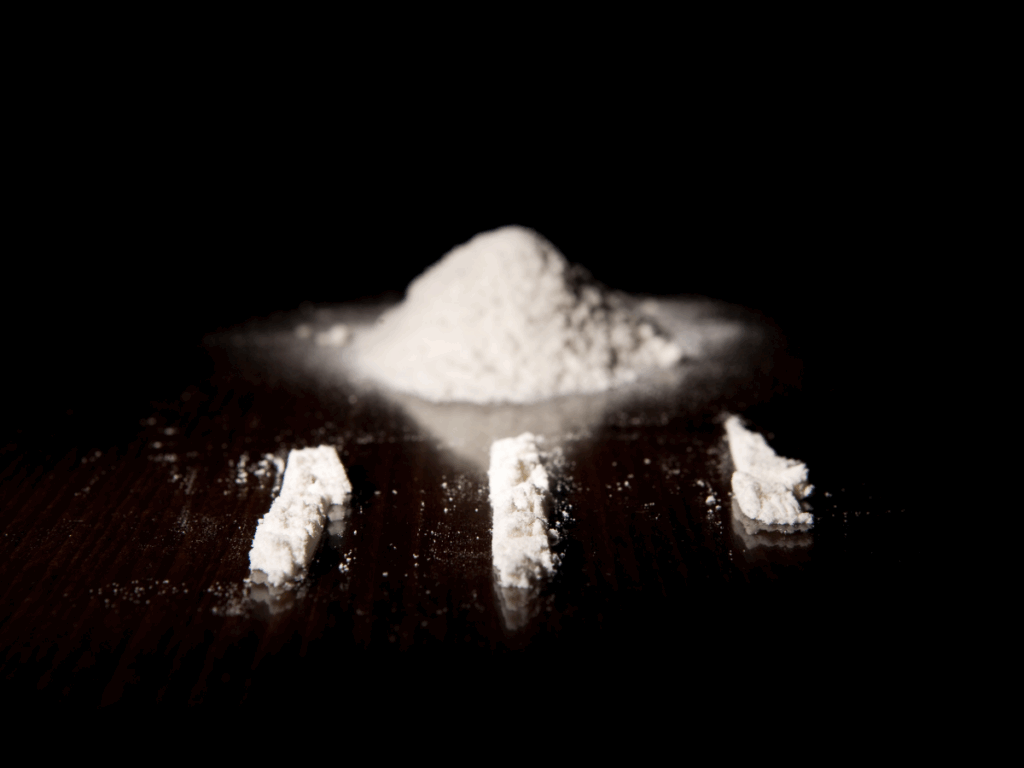
Cocaine is a powerful stimulant derived from the coca plant and classified as a Schedule II controlled substance due to its high potential for misuse and limited approved medical use, such as local anesthesia in surgical procedures. On the street, it typically appears as a fine white powder, often snorted or injected. When processed with baking soda, it becomes crack cocaine, a hardened, smokable form that delivers an even faster, more intense high. Adding to its risks, today’s cocaine is often mixed with other substances like fentanyl, sometimes without the user’s knowledge, which can significantly increase the chances of a dangerous or even fatal overdose.
Key Facts About Cocaine Use
- Potency: Effects begin within seconds (smoked/injected) to minutes (snorted) and last 5–30 minutes.
- Prevalence: Roughly 5 million Americans used cocaine in 2023 (SAMHSA).
- Polydrug use: Many users mix cocaine with alcohol, benzodiazepines, or opioids, compounding health dangers.
Recognizing Cocaine Use Disorder and Addiction
Even occasional “party” use can evolve into dependence. Early recognition of the primary signs and symptoms of cocaine abuse allows intervention before serious harm occurs.
Behavioral red flags include sudden bursts of energy and confidence, secretive disappearances, reckless spending, and neglect of responsibilities. These are common cocaine addiction symptoms that often worsen over time.
Physically, users may have dilated pupils, runny or bloody noses, weight loss, or burn marks on lips and fingers (from crack pipes). These visible cocaine use symptoms are often accompanied by cardiovascular strain.
Psychologically, cocaine drives mood swings—euphoria gives way to irritability, paranoia, anxiety, or profound depression during the crash phase.
Left unchecked, these symptoms escalate: chronic nasal damage, cardiac arrhythmias, cognitive decline, and legal or financial ruin. If you notice these patterns in yourself or a loved one, seeking professional cocaine addiction treatment promptly can prevent long-term damage.
What Makes Cocaine Addictive?
Cocaine’s addictiveness lies in how rapidly—and powerfully—it floods the brain with dopamine, the neurotransmitter linked to pleasure and motivation. Each surge reinforces drug-seeking behavior, while subsequent crashes leave the brain depleted and craving relief.
Biological Factors
- Dopamine blockade: Cocaine prevents dopamine re-uptake, creating a “super-rush” of pleasure. Over time, the brain cuts back natural dopamine production, so normal activities no longer feel rewarding.
- Genetics: Variations in dopamine-related genes can raise vulnerability to stimulant addiction.
- Neuroadaptation: Repeated exposure thickens stress pathways and weakens impulse-control circuits, making relapse more likely even after detox.
Psychological Factors
- Rapid reinforcement: A short, intense high followed by distress drives binge patterns (“chasing the bump”).
- Co-occurring disorders: Anxiety, depression, and trauma increase the urge to self-medicate with stimulants.
- Environmental cues: Music, nightlife, or certain friends can trigger powerful conditioned cravings.
How Does Cocaine Affect the Brain?
Two or three lines—or a single hit of crack—can alter brain chemistry within seconds. Initially, users feel energetic, focused, and invincible. Repeated use, however, reshapes gray matter and disrupts emotional regulation.
Short- and Long-Term Effects on the Brain
| Phase | Neurological Impact | Cognitive/Emotional Consequences |
|---|---|---|
| Short-term (minutes–hours) | Dopamine surge, heightened norepinephrine and serotonin | Euphoria, hyper-alertness, talkativeness, paranoia |
| Long-term (weeks–years) | Reduced dopamine receptors, prefrontal cortex thinning, increased oxidative stress | Memory loss, poor decision-making, depression, increased stroke or seizure risk |
Neuroimaging shows chronic users have lower activity in the brain’s reward and self-control centers—changes that can persist months into sobriety, underlining the need for extended treatment and aftercare.
How Does Cocaine Affect the Body?
While the brain drives addiction, the body bears the brunt of cocaine’s systemic stress. The cardiovascular system is especially vulnerable.
Short- and Long-Term Effects on the Body
| System | Short-Term Effects | Long-Term Effects |
|---|---|---|
| Cardiovascular | Elevated heart rate and blood pressure, vasoconstriction | Arrhythmias, hypertensive crises, heart attack, cardiomyopathy |
| Respiratory | Rapid breathing, chest tightness (crack) | Chronic cough, lung damage, pulmonary edema |
| Gastrointestinal | Decreased appetite, nausea | Malnutrition, ulcers, bowel ischemia |
| Nasal/Oral | Runny nose, nosebleeds, lip burns | Deviated septum, chronic sinusitis, tooth decay |
| Reproductive | Temporary libido increase | Menstrual irregularities, infertility, fetal growth restriction (during pregnancy) |
Overdose Risk
A cocaine overdose can strike after a single binge or small dose tainted with fentanyl. Warning signs include extreme agitation, hyperthermia, chest pain, irregular heartbeat, seizures, or sudden collapse. Immediate emergency care (911) and, if opioid contamination is suspected, naloxone administration can be lifesaving.
Cocaine Withdrawal Symptoms
Detoxing from cocaine rarely produces life-threatening physical symptoms, but the psychological crash can be brutal.
Typical timeline:
| Time Since Last Use | Common Symptoms |
|---|---|
| 0–24 hrs | Cravings, anxiety, fatigue, irritability |
| 1–3 days | Depression, sleep disturbances, vivid nightmares |
| 4–7 days | Anhedonia (inability to feel pleasure), low energy, increased appetite |
| 1–4 weeks | Mood swings, lingering cravings, “brain fog” |
| >1 month | Intermittent cravings, stress sensitivity |
Because despair and cravings peak early, medically supervised detox and 24/7 support are strongly recommended to prevent relapse or self-harm.
Treatment Programs for Cocaine Addiction
Effective care addresses the drug, the mind, and the environment:
- Medically Supervised Detox – Stabilizes mood and sleep; clinicians may use off-label medications such as modafinil or topiramate to ease cravings.
- Inpatient Rehab (30–90 days) – Provides intensive therapy in a structured setting; ideal for severe addiction or co-occurring disorders.
- Partial Hospitalization or Intensive Outpatient – Daily or thrice-weekly therapy while living at home, suitable for step-down care or moderate cases.
- Evidence-Based Therapies – Cognitive-Behavioral Therapy (CBT) rewires thought patterns; Motivational Interviewing builds commitment; Dialectical Behavior Therapy teaches emotion regulation.
- Dual Diagnosis Treatment – Concurrent management of depression, anxiety, PTSD, or ADHD reduces relapse risk.
- Peer Support & Aftercare – Cocaine Anonymous, SMART Recovery, sober-living homes, alumni programs, and ongoing counseling keep recovery on track long after formal treatment ends.
At Legacy Healing Center, personalized plans weave these components into a seamless continuum—from detox and residential care to aftercare and alumni events—empowering clients to build purpose-driven, substance-free lives.
A Private Pathway to Healing and Recovery
If you or someone close to you is struggling with cocaine addiction, compassionate, expert support is available 24/7 at (888) 858-0137.
You can:
- Verify insurance confidentially
- Speak with an admissions specialist
- Explore detox and rehab options
- Ask questions without pressure
Taking the first step may feel overwhelming—but it is also the beginning of lasting change. Recovery is possible, and help is available now.
Immediate, Confidential Support
Whether you’re ready to start today or simply exploring your options, trusted help is available:
- Legacy Healing Center: Call (888) 534-2295 to speak privately with a detox and recovery specialist.
- SAMHSA National Helpline: 1-800-662-HELP (4357) – Free, 24/7 support for individuals and families affected by substance use.
- 988 Suicide & Crisis Lifeline: Dial 988 for immediate assistance in a mental health or substance-related emergency.
You are not alone—healing is just one call away.
Table of Contents
Most Insurance Policies Cover Treatment
"*" indicates required fields
Your information is kept private
Find Treatment Today

Legacy Healing Center Parsippany, NJ

Legacy Healing Center Cincinnati, OH