


-
 By:
Valerie Puffenberger, PMHNP-BC
By:
Valerie Puffenberger, PMHNP-BC
-
Editor:
Phyllis Rodriguez, PMHNP-BC
-
Clinical Reviewer:
Dr. Ash Bhatt, MD, MRO
 By:
By:
 Editor:
 Clinical Reviewer:
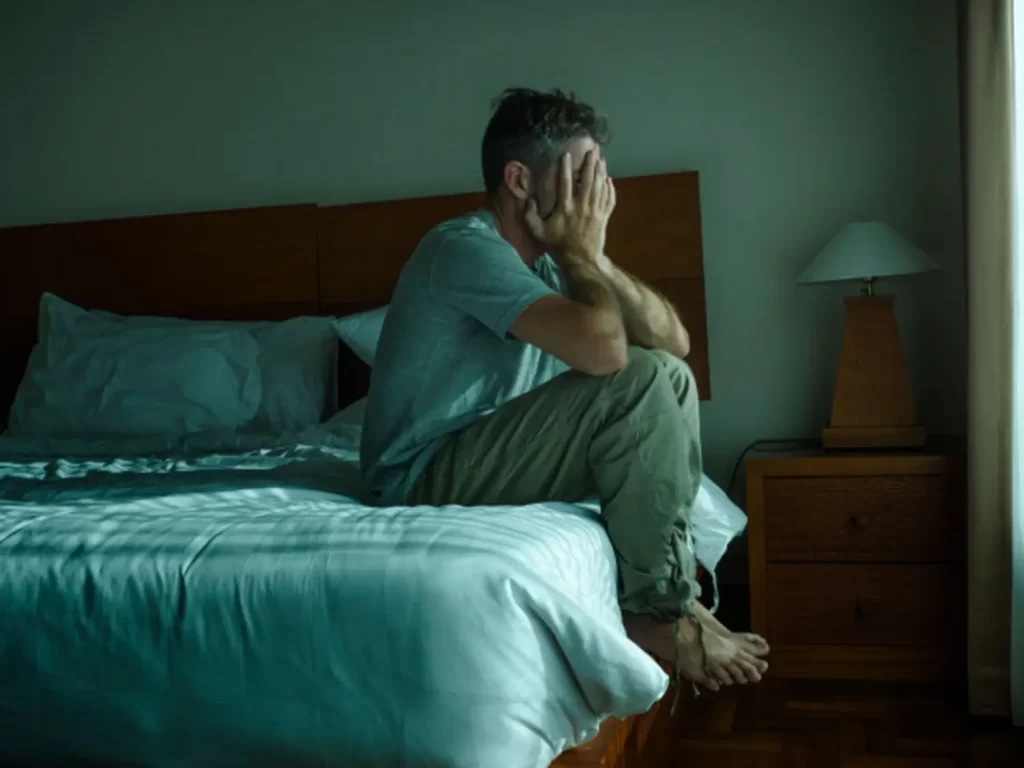
Quitting alcohol is one of the most transformative decisions you can make for your health and well-being. However, feeling tired after quitting alcohol—often called sobriety fatigue — is a common hurdle many face during recovery. This sense of fatigue after quitting drinking is your body’s way of signaling that it’s working hard to heal and restore balance after prolonged alcohol use.
At Legacy Healing Center, a nationally recognized addiction treatment facility, we provide compassionate care and resources to help individuals manage symptoms like alcohol withdrawal fatigue and rebuild energy throughout the recovery process.
Why Do You Feel Tired After Quitting Alcohol?
Fatigue after quitting alcohol stems from the changes your body undergoes as it recovers. Alcohol affects your brain, sleep, and energy levels in ways that take time to reverse.
Some common reasons for post-alcohol fatigue or tiredness after quitting drinking include:
- Disrupted Sleep Patterns: Alcohol interferes with your body’s ability to enter deep sleep, leading to irregular rest even after you stop drinking.
- Alcohol Withdrawal Fatigue: Detoxing from alcohol can leave you feeling drained as your body flushes toxins and adjusts to functioning without it.
- Nutritional Deficiencies: Heavy drinking depletes key nutrients, such as vitamins B and D, which are vital for energy production.
These effects are especially noticeable in the early stages of recovery, such as during the first 10 days or first two weeks without alcohol. The alcohol detox program offered by Legacy Healing Center provides crucial support during this time to help manage fatigue from alcohol withdrawal and encourage faster recovery.
For more about withdrawal symptoms, read our guide on alcohol withdrawal symptoms.

How Long Does Sobriety Fatigue Last After Quitting Alcohol?
The duration of fatigue varies depending on factors like how long you drank, your overall health, and the quality of your sleep and nutrition.
Below is a general timeline of what to expect when managing fatigue after quitting alcohol:
- Days 1-3 without alcohol: The body begins detoxing, and withdrawal symptoms such as headaches, irritability, and fatigue are common.
- Day 4 without alcohol: Withdrawal symptoms, including headaches and fatigue, often peak during this time.
- 10 days without alcohol: Detox symptoms begin to subside, though energy levels may remain low.
- 2 weeks without alcohol: Many people notice gradual improvements in focus and energy, but some fatigue may persist.
- 30 days without alcohol: Sleep and energy levels often stabilize as your body continues its healing process.
It’s also worth noting that feelings of sobriety fatigue can last longer for some individuals, sometimes extending into the first 60 days of no alcohol. This is completely normal.
To better understand recovery timelines, see how long alcohol stays in your system.
Does Alcohol Withdrawal Cause Fatigue?
Yes — alcohol withdrawal does cause fatigue. When you stop drinking, your nervous system, hormones, and metabolism must readjust. This process uses a lot of energy, which can lead to no energy after quitting alcohol, low motivation, and brain fog.
If you’re struggling with tiredness during detox, consider a medically supervised alcohol rehab program to reduce withdrawal fatigue safely.
For general health information on alcohol withdrawal, visit SAMHSA(Substance Abuse and Mental Health Services Administration).
How to Combat Fatigue After Quitting Alcohol
Fatigue can feel overwhelming, but it’s not permanent. Small, intentional changes can make a significant difference as you recover:
1. Focus on Proper Nutrition
The importance of proper nutrition in recovery cannot be overstated. Alcohol depletes essential nutrients your body needs for energy. Replenish yourself with a diet rich in leafy greens, lean proteins, and whole grains. Foods high in vitamin B can be beneficial for restoring energy.
2. Stay Hydrated
Dehydration is a major contributor to feeling tired after quitting alcohol. Drinking water consistently throughout the day can improve your energy levels and overall well-being.
3. Prioritize Restorative Sleep
Creating a calming bedtime routine can help reset your internal clock. Consider activities like meditation or reading before bed to improve the quality of your sleep.
4. Find Strength in Small Steps
Exercise plays a vital role in recovery by improving mental clarity, reducing stress, and boosting overall well-being. Light exercises, such as walking or yoga, can boost mood and help people regain strength. While intense workouts may be too much during early recovery, even short bursts of activity can make a difference.
5. Lean on Professional Support
Programs like the sober living services at Legacy Healing Center provide structured environments where you can focus on healing while surrounded by a supportive community.
How Legacy Healing Center Helps You Regain Your Energy
Legacy Healing Center provides comprehensive rehab care for individuals facing the challenges of quitting alcohol, including fatigue. Our holistic approach ensures our team addresses every aspect of your recovery. Here’s how we help:
- Alcohol Detox Programs: Guided detoxification that eases withdrawal symptoms like alcohol withdrawal fatigue
- Nutritional Support: Professional advice on how to replenish your body and rebuild energy through a proper diet
- Individualized Therapy: Addressing emotional factors like anxiety after quitting drinking and rebuilding motivation
- Sober Living Services: Structured environments designed to support long-term recovery and overall wellness
Every program at Legacy Healing Center is tailored to the individual, ensuring you receive the care and support you need to feel like yourself again.
Renew Your Energy and Reclaim Your Life
Feeling tired after quitting alcohol is a natural part of the healing process, but it’s also a temporary one. With time, patience, and professional guidance, you can overcome this challenge and move forward with renewed strength.
If you’re ready to overcome sobriety fatigue and take the next step toward lasting sobriety, contact Legacy Healing Center today.
For more insights, visit our recovery blog.