



-
 By:
Alex Herrera
By:
Alex Herrera
-
Editor:
Phyllis Rodriguez, PMHNP-BC
-
Clinical Reviewer:
Dr. Ash Bhatt, MD, MRO
 By:
By:
 Editor:
 Clinical Reviewer:
The holiday season stretches from November through January like a marathon of potential relapse triggers. Family gatherings centered around alcohol, disrupted routines, financial pressure, and emotional landmines make this the most challenging time of year for anyone in addiction recovery. Research shows that stress is one of the primary relapse triggers, with up to 60-80% of relapses linked to stress-induced cravings that spike during high-demand periods.
Understanding how to manage stress effectively during the holidays isn’t just about feeling better—it’s about protecting your sobriety when the stakes are highest. The combination of alcohol-centered events, family dynamics, work deadlines, and social pressures creates a perfect storm that can quickly spiral into intense cravings and compromised decision-making.
Consider the typical December scenario: office holiday parties with open bars, family dinners where relatives ask probing questions about your “new lifestyle,” financial strain from gift-giving expectations, and the grief that often surfaces around anniversaries of loss. These aren’t abstract challenges—they’re real situations that require concrete coping strategies.
The good news is that effective stress management techniques can serve as powerful shields against relapse. By combining physical self care, emotional regulation tools, and a strong support system, you can navigate even the most triggering holiday situations while maintaining your sobriety. The key is building these skills before you need them and having a clear plan for when stress levels rise.
This isn’t about avoiding all holiday stress—that’s neither possible nor necessary. Instead, it’s about learning to cope with stress in healthy ways that strengthen your recovery rather than threaten it. Every successfully managed stressful situation builds confidence and resilience for the challenges ahead.
Why the Holidays Are a High-Risk Time for Stress and Relapse
November through January represents the most relapse-prone period for people in recovery, with statistics showing 2-3 times higher relapse rates during holiday seasons. The convergence of multiple stressors creates a challenging environment where old coping mechanisms feel most tempting.
Holiday traditions often revolve around alcohol consumption—from champagne toasts to eggnog at family gatherings to New Year’s Eve celebrations. These events normalize and celebrate the very substances that people in recovery work daily to avoid. The social pressure to “just have one” intensifies when coupled with the expectation that holidays should be joyful and celebratory.
Family dynamics add another layer of complexity. Returning to childhood homes can trigger old patterns and emotional responses. Relatives may question lifestyle changes, express skepticism about recovery efforts, or inadvertently create situations that feel overwhelming. The stress of explaining addiction recovery to family members who don’t understand can be exhausting and emotionally draining.
Financial pressure peaks during the holiday season, with Americans spending an average of $1,000 on gifts, travel, and entertainment. For someone in early recovery who may have damaged credit, lost employment, or spent money on substances instead of savings, this financial stress can feel insurmountable. The shame around not being able to participate fully in gift-giving traditions compounds the emotional burden.
Disrupted routines further destabilize people in recovery who rely on structure for emotional regulation. Regular meeting times change, gyms have holiday hours, therapists take vacation time, and normal daily schedules shift to accommodate travel and events. This loss of routine can leave individuals feeling unmoored precisely when they need stability most.
Grief and loneliness often intensify during holidays, particularly for those who have lost relationships or family connections due to their substance use. Social media amplifies feelings of isolation by showcasing others’ seemingly perfect holiday celebrations. The combination of grief, loneliness, and social comparison creates emotional vulnerability that increases relapse risk.
How Stress Affects the Brain and Body in Recovery
When stress hormones like cortisol and adrenaline flood your system, your body prepares for fight-or-flight response. For people in addiction recovery, this physiological activation can reawaken neural pathways that were strengthened during active substance use, making cravings feel sudden and overwhelming.
The brain’s stress response system becomes hypersensitive during recovery as it learns to function without chemical assistance. What might feel like manageable stress to someone else can feel like a crisis when your nervous system is still recalibrating. This heightened sensitivity explains why holiday stressors that seemed manageable in the past now feel potentially threatening to your sobriety.
Chronic stress during the holiday season can create a cascading effect throughout your body. Sleep patterns become disrupted, leading to fatigue that impairs decision-making. Muscle tension increases, particularly in the shoulders, neck, and jaw. Headaches become more frequent, and digestive issues may emerge or worsen. Your heart rate may feel elevated even during rest periods.
Emotionally, unmanaged stress manifests as irritability, anxiety, and mood swings. You might notice increased sensitivity to criticism or feeling overwhelmed by situations that previously felt manageable. Some people experience emotional numbness or disconnection as their nervous system attempts to protect itself from overstimulation. Others may feel hopeless or question whether recovery is worth the effort.
The key insight is that stress itself isn’t inherently dangerous—it’s a normal part of life that everyone experiences. The risk lies in allowing stress to accumulate without healthy outlets or coping mechanisms. When stress builds up without release, it creates internal pressure that seeks relief through the fastest available means, which historically may have been substance use.
Understanding these physiological and emotional responses helps normalize the experience of feeling stressed during holidays while emphasizing the importance of proactive stress management. Your body and brain are doing exactly what they’re designed to do—protect you from perceived threats. Your job is to provide them with healthy ways to process and discharge that stress energy.
Recognizing Your Personal Holiday Stressors
Effective stress management in recovery begins with identifying your unique stress patterns rather than assuming all holiday stress is the same. Each person’s triggers are shaped by their family history, trauma experiences, substance use patterns, and current life circumstances.
Family conflict represents one of the most common holiday stressors. This might include pressure to attend gatherings with relatives who don’t support your recovery, arguments about politics or personal choices, or being questioned about your decision not to drink. Some families minimize addiction as a “phase” or express frustration that you’re “still” not drinking years into recovery.
Alcohol-focused events create obvious stress for people in recovery, but the pressure extends beyond just refusing drinks. You might feel anxious about explaining why you’re not drinking, worry about being judged as “boring,” or feel left out of conversations and activities that center around alcohol consumption. Even well-meaning hosts may repeatedly offer drinks or express concern that you’re “not having fun.”

Financial pressure intensifies during holidays when gift-giving expectations, travel costs, and entertainment expenses accumulate. This stress is particularly acute for people in early recovery who may be rebuilding their financial stability after spending money on substances or dealing with job loss related to their addiction.
Travel and disrupted routines can destabilize even people with strong recovery programs. Missing regular meetings, sleeping in unfamiliar beds, eating at different times, and navigating airport or highway stress can create a sense of being unmoored from the structure that supports everyday sobriety.
Grief and anniversaries often surface during holidays, whether related to deaths, relationship losses, or painful memories associated with previous holiday seasons. The expectation that holidays should be joyful can make sadness or loneliness feel more intense and shameful.
Social anxiety may spike during recovery as you navigate social situations without the social lubricant of alcohol or drugs. You might worry about being awkward, boring, or unable to connect with others in the way you once did while using substances.
To identify your personal stress patterns, consider keeping a brief written inventory during early November. Note which specific events, people, or situations trigger feelings of anxiety, resentment, or urges to use. Look for patterns: Do mornings feel harder than evenings? Are family gatherings more challenging than work events? Does spending money create more stress than social interaction?
Pay attention to early warning signs that stress is building: overcommitting to events, canceling therapy appointments, skipping meetings, or isolating from supportive friends. These behavioral changes often precede emotional crashes and can serve as early intervention points.
Building a Stress-Resilient Holiday Plan
Creating a detailed plan for November through January transforms reactive crisis management into proactive self-protection. Rather than hoping you’ll handle stress well in the moment, intentional scheduling creates a framework for maintaining sobriety even when emotions run high.
Start planning by early November or at least two weeks before your first major holiday event. This timeline allows you to make thoughtful decisions about which gatherings to attend, how long to stay, and what support systems to activate. Last-minute planning often leads to poor boundaries and overwhelming schedules.
Begin by listing all potential holiday commitments: work parties, family gatherings, religious services, friend celebrations, and community events. For each event, consider your stress level from 1-10 and identify specific challenges you might face. A family dinner might rate 8/10 due to relatives who drink heavily and ask personal questions, while a work gathering might rate 4/10 because you can leave early and bring a sober friend.
For high-stress events you choose to attend, create specific safety protocols. Set arrival and departure times in advance, arrange your own transportation so you’re not dependent on others, and identify a “buddy” you can call if you need support during the event. Practice phrases you’ll use to decline alcohol offers: “I’m driving tonight,” “I’m taking medication that doesn’t mix with alcohol,” or simply “No thanks, I’m all set.”
Consider which events to skip entirely, particularly those centered on heavy drinking or hosted by people who don’t support your recovery. It’s better to disappoint others than to risk your sobriety by attending events that feel genuinely unsafe. You can always send a thoughtful card or small gift instead of attending in person.
Build buffer time into your schedule before and after potentially stressful events. If you’re attending a family dinner on Sunday, keep Saturday evening and Monday morning relatively free so you can prepare mentally beforehand and recover emotionally afterward. Back-to-back social commitments often lead to exhaustion and poor decision-making.
Financial boundaries protect both your wallet and your stress levels. Set a realistic holiday budget that includes gifts, travel, food, and entertainment, then stick to it even if it means giving smaller gifts or attending fewer events. Financial stress often triggers shame, which can lead to emotional vulnerability and increased relapse risk.
Creating a Daily Stress-Protection Routine
Holiday chaos often dismantles the daily routines that support emotional stability, making a simplified but consistent routine essential for protecting your well being during high-stress periods. Focus on 3-5 non-negotiable daily practices that can be maintained even during travel and busy schedules.
Sleep consistency serves as your foundation. Aim to keep the same bedtime and wake time within 30 minutes, even during vacation days or after late events. This might mean leaving parties earlier than others or declining overnight visits that would disrupt your sleep schedule. Quality sleep directly impacts your ability to manage stress and resist impulses the following day.
Meal timing and nutrition support blood sugar stability, which directly affects mood and cravings. Plan to eat breakfast within an hour of waking and avoid going more than 4-5 hours between meals, even during busy days. Pack healthy snacks when attending events to avoid arriving hungry, which can trigger poor food choices and emotional instability.
Movement doesn’t need to be formal exercise—a 10-15 minute walk, gentle stretching, or dancing to music can discharge stress and boost mood. Schedule movement before potentially stressful events when possible, as physical activity helps regulate your nervous system and provides emotional resilience for challenging situations.
Recovery actions might include attending meetings, reading recovery literature, journaling, or calling your sponsor. Choose one daily recovery activity that can be done anywhere and doesn’t depend on other people’s schedules. This might be a morning meditation, evening gratitude list, or checking in with a recovery app.
Use a paper planner or phone calendar to protect time for these routines before social obligations fill your schedule. Mark your non-negotiables in ink and treat them as seriously as important appointments. When people invite you to events that conflict with your routine, consider responding: “I’d love to join you, but I need to leave by 9 p.m. to maintain my sleep schedule” rather than abandoning your boundaries.
Plan realistic routines for workdays versus weekends, acknowledging that December often involves irregular schedules. A workday routine might include a 5-minute morning meditation, a walk during lunch, and an evening check-in call. Weekend routines might allow for longer self-care activities but still maintain consistent sleep and meal times.
Physical Stress Management: Supporting Your Nervous System
Your physical body serves as the foundation for stress resilience, particularly during the demanding holiday season. When basic physical needs are neglected, even minor stressors can feel overwhelming and trigger intense cravings. Treating physical self care as active relapse prevention rather than optional luxury creates a protective foundation for your emotional and mental well being.
Sleep, nutrition, and movement work synergistically to regulate your nervous system and maintain the mental clarity needed for healthy decision-making. During recovery, your body is relearning how to function without chemical assistance, making consistent physical care even more critical during high-stress periods like holidays.
Research demonstrates that people in recovery who prioritize physical wellness show significantly lower relapse rates and report better emotional regulation during challenging periods. The investment in basic physical needs pays dividends in increased resilience, improved mood, and clearer thinking when facing holiday triggers.
Sleep: Your First Line of Defense
Sleep deprivation doubles relapse risk by impairing prefrontal cortex function—the brain region responsible for impulse control and decision-making. During the holiday season, late-night events, travel across time zones, and disrupted schedules frequently compromise sleep quality precisely when you need optimal cognitive function most.
Aim for 7-9 hours of sleep consistently, maintaining regular bedtime and wake times even during holiday breaks when you might not have work obligations. Your body’s circadian rhythms depend on consistency, and dramatic schedule changes can trigger mood swings, increased anxiety, and impaired judgment that persist for several days.
Establish a calming pre-sleep routine that signals to your nervous system that it’s time to wind down. This might include turning off screens 30-60 minutes before bed, taking a warm bath or shower, reading something peaceful, or practicing gentle stretching. Avoid discussing stressful topics or checking social media during this wind-down period.
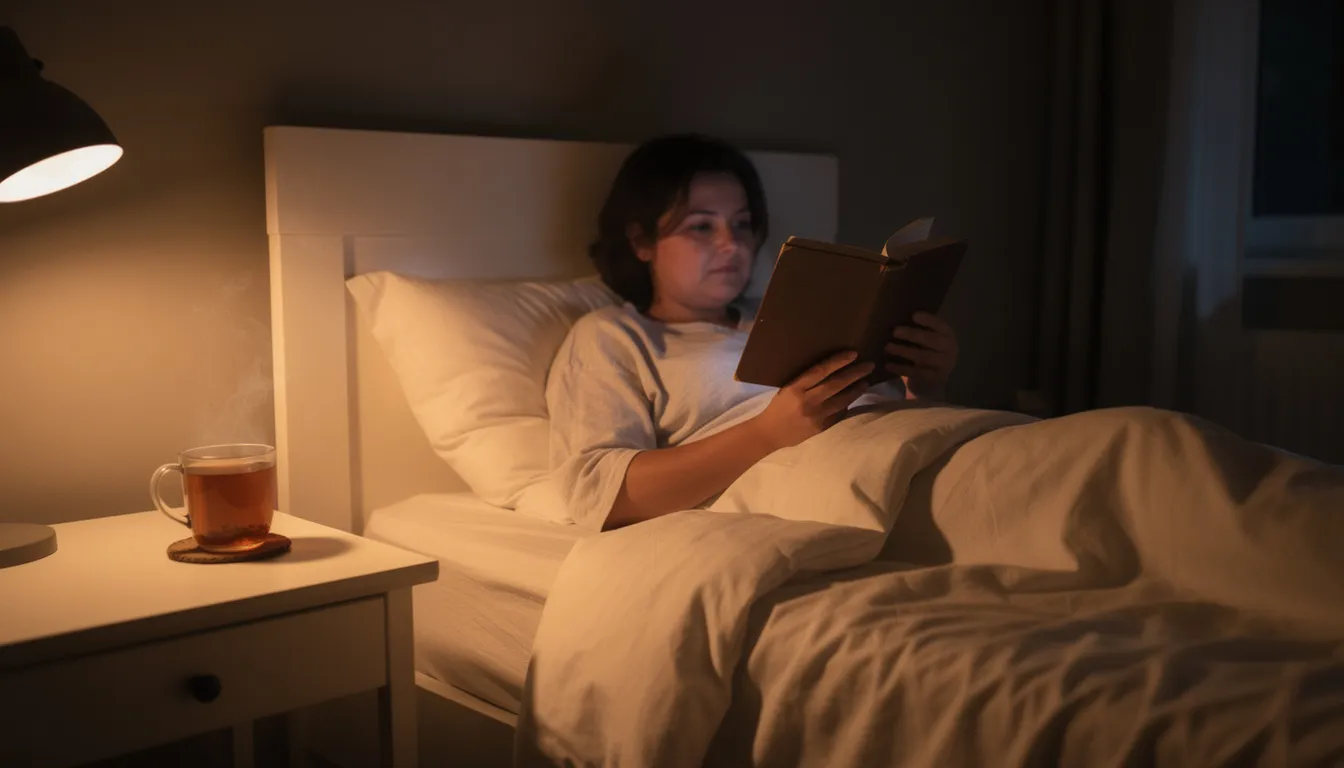
Protect your sleep by setting boundaries around holiday events. If a family gathering or work party will keep you up past your usual bedtime, plan to leave early rather than sacrificing sleep for social pressure. You can explain: “I need to head home to maintain my sleep schedule, but thank you for including me.” Most people understand the importance of enough sleep for overall health.
Create a sleep-supportive environment even when traveling. Pack comfortable pajamas, a familiar pillow or blanket, earplugs, and an eye mask. Consider using white noise apps if you’re sleeping in unfamiliar locations. If staying with family, communicate your sleep needs in advance: “I’ll need to go to bed by 10 p.m. to function well tomorrow.”
Limit caffeine intake after mid-afternoon, as caffeine can interfere with sleep quality even if it doesn’t prevent you from falling asleep. Replace afternoon coffee or energy drinks with herbal tea or water to avoid disrupting your natural energy rhythms.
Nutrition: Fuel That Stabilizes Mood
Holiday eating patterns often involve skipping meals, consuming excess sugar, eating heavy late-night dinners, and drinking less water—all of which destabilize blood sugar and intensify stress and cravings. Maintaining regular, balanced meals becomes a crucial stress management technique during the holiday season.
Blood sugar fluctuations directly impact mood, energy levels, and decision-making capacity. When blood sugar drops, your body releases stress hormones that can trigger anxiety, irritability, and cravings for both food and substances. Eating balanced meals with lean protein, whole grains, and healthy fats helps maintain stable energy throughout the day.
Plan to eat breakfast within an hour of waking, focusing on protein and complex carbohydrates that provide sustained energy. Examples include oatmeal with nuts and fruit, eggs with whole grain toast, or Greek yogurt with berries. This foundation helps regulate your nervous system before facing daily stressors.
Avoid arriving at holiday gatherings hungry, which often leads to overeating sugary or high-fat foods that can trigger mood crashes later. Eat a small, protein-rich snack before leaving home, such as an apple with peanut butter or a handful of nuts. This prevents desperation eating and allows you to make thoughtful choices about party food.
Stay hydrated throughout busy days, as dehydration can mimic anxiety symptoms and impair cognitive function. Carry a water bottle and aim to drink water regularly rather than waiting until you feel thirsty. Limit alcohol consumption by non-drinking guests at parties by asking for sparkling water with lime or other festive non-alcoholic options.
Keep healthy meals simple during busy holiday weeks. Stock your kitchen with quick options like rotisserie chicken, bagged salads, frozen vegetables, and whole grain bread. A balanced meal might be as simple as chicken over salad with avocado or a smoothie with protein powder, spinach, and fruit.
Pay attention to how different foods affect your mood and energy levels during stressful periods. Some people find that sugar and refined carbohydrates trigger anxiety or mood swings, while others notice that skipping meals leads to irritability and poor decision-making. Use this awareness to make food choices that support your emotional stability.
Movement and Exercise: Discharging Stress
Physical activity serves as a natural stress reliever by lowering cortisol levels, releasing mood-boosting endorphins, and providing a healthy outlet for tension and anxiety. Even brief periods of movement can significantly impact your ability to cope with stress and maintain emotional equilibrium during challenging holiday situations.
Regular physical activity has been shown to be as effective as antidepressant medications for improving mood in early recovery, with 30-minute sessions three times weekly yielding measurable improvements in emotional well-being. The key is consistency rather than intensity—gentle, enjoyable movement sustained over time provides more benefits than sporadic intense workouts.
Winter weather and busy schedules require creative solutions for maintaining regular movement. Indoor options include walking at shopping malls, following online yoga videos, dancing to music, using hotel gym facilities, or doing bodyweight exercises in small spaces. The goal is finding activities you enjoy enough to maintain even during hectic periods.
Schedule movement strategically around known stressors when possible. A 15-minute walk before attending a stressful family dinner can help regulate your nervous system and provide emotional resilience for challenging conversations. Similarly, gentle stretching or yoga after a difficult day helps discharge accumulated tension and promotes better sleep.
Choose movement that feels good rather than punitive. If you associate exercise with shame or obligation, focus on activities that feel nurturing: stretching while watching television, dancing while cleaning, or taking photos during nature walks. The goal is stress relief and mood improvement, not punishment or appearance changes.
Consider tai chi or gentle yoga, which combine movement with mindfulness and can be practiced in small spaces without equipment. These practices specifically target nervous system regulation and can be particularly helpful for people whose stress manifests as physical tension or racing thoughts.
Make movement social when possible by walking with friends, attending group fitness classes, or playing active games with family members. Social connection combined with physical activity provides dual benefits for stress relief and recovery support.
Emotional and Mental Tools for Managing Holiday Stress
Managing stress effectively requires emotional regulation skills that help you notice, process, and respond to difficult feelings without becoming overwhelmed or resorting to old coping mechanisms. During the holiday season, when emotions often run high and triggers abound, these mental health tools become essential for maintaining sobriety and overall well being.
Emotional regulation doesn’t mean avoiding all difficult feelings or maintaining constant positivity. Instead, it involves developing the capacity to experience challenging emotions without being hijacked by them. This skill allows you to feel anxious about a family gathering while still attending and protecting your boundaries, or to notice sadness about past holidays while still participating in present-moment joy.
The goal is building awareness of your internal experience so you can respond intentionally rather than react impulsively. When you can identify that you’re feeling overwhelmed, lonely, or resentful, you create space between the feeling and your actions. This space is where recovery happens—in the pause between trigger and response.
Mindfulness and Grounding in Triggering Moments
Mindfulness involves paying attention to the present moment without judgment, which reduces reactivity when tensions rise during holiday interactions. When your mind is focused on what’s happening right now, it’s not rehearsing past conflicts or catastrophizing about future problems—both mental patterns that amplify stress and trigger cravings.
Practice mindfulness serves as an anchor during overwhelming situations. When conversations become heated or you feel the urge to escape, bringing your attention to physical sensations can interrupt the escalation and provide stability. This doesn’t require special equipment or leaving the room—simple awareness practices can be done discreetly anywhere.
Grounding techniques help when anxiety or emotional intensity threatens to spiral out of control. The 5-4-3-2-1 technique involves naming 5 things you can see, 4 things you can touch, 3 things you can hear, 2 things you can smell, and 1 thing you can taste. This practice brings your nervous system back to the present moment and out of fight-or-flight mode.
Feel your feet on the floor and the weight of your body in your chair during difficult conversations. Notice the temperature of a glass in your hand or the texture of fabric against your skin. These physical anchors provide stability when emotions feel chaotic and help you stay connected to your body rather than getting lost in mental spirals.
Practice breathing exercises that can be done anywhere without drawing attention. Try inhaling for a count of 4 and exhaling for a count of 6, which activates the parasympathetic nervous system and promotes relaxation. You can do this while sitting at a dinner table, waiting in line, or listening to a challenging conversation.
Create brief opportunities for mindful breaks during social events. Step outside for fresh air, visit the restroom for a quiet moment, or offer to help in the kitchen where you can focus on simple tasks like washing dishes. These micro-breaks allow you to reset your nervous system before returning to social interaction.
Build a daily mindfulness practice during calm moments so these tools feel familiar and accessible during stress. Even 5 minutes of morning meditation or evening reflection helps strengthen your capacity to stay present during challenging situations.
Labeling and Processing Your Feelings
Simply naming your emotions reduces their intensity by 30-50% according to neuroscience research, as the act of emotional labeling activates the prefrontal cortex and calms the amygdala’s stress response. This practice, sometimes called “name it to tame it,” provides immediate relief during overwhelming emotional experiences.
Develop a broader emotional vocabulary beyond “good,” “bad,” “stressed,” or “fine.” Specific words like “disappointed,” “overwhelmed,” “resentful,” “lonely,” or “anxious” help you understand your internal experience more clearly and respond more effectively. When you can distinguish between feeling anxious versus angry, you can choose different coping strategies.

Create a simple daily check-in practice during the holiday season. Each morning or evening, spend 2-3 minutes writing or mentally noting what you’re feeling and what might be contributing to those emotions. This prevents feelings from building up internally and helps you identify patterns in your stress responses.
Share at least one honest feeling daily with a safe person during high-risk periods. This might be your sponsor, therapist, recovery friend, or supportive family member. Saying “I’m feeling really anxious about tomorrow’s dinner” or “I felt left out at the party” helps process emotions before they intensify into cravings or impulsive actions.
Use feeling words when talking to others about your experience rather than just describing events. Instead of “The dinner was terrible,” try “I felt overwhelmed by all the questions about my recovery” or “I felt proud that I stayed for two hours and then took care of myself by leaving.”
Notice the difference between feelings and thoughts. Thoughts are mental commentary (“This is going to be awful,” “Nobody understands me”), while feelings are emotional experiences (“anxious,” “sad,” “frustrated”). Feelings are temporary and don’t require action, while thoughts can be examined and challenged.
Consider keeping a small notebook or phone app where you can jot down emotions as they arise rather than waiting for your daily check-in. This helps prevent emotional buildup and provides valuable information about your stress patterns and triggers.
Using Thought Skills to Reduce Stress
Holiday stress is often amplified by thought patterns that involve catastrophizing, all-or-nothing thinking, or mind reading what others are thinking about your recovery. Learning to notice and gently challenge these thoughts can significantly reduce emotional intensity and prevent stress from spiraling out of control.
Common stress-inducing thoughts during holidays include “I have to make everyone happy,” “If I leave early, they’ll think I’m rude,” “Everyone is judging me for not drinking,” or “This is going to be a disaster.” These thoughts often contain words like “always,” “never,” “everyone,” “have to,” or “should”—language that indicates inflexible thinking.
Practice thought awareness by noticing when your mind starts predicting negative outcomes or creating elaborate stories about what others are thinking. Ask yourself: “Is this thought helpful right now?” and “What evidence do I have that this thought is true?” Often, anxious thoughts are based on assumptions rather than facts.
Develop more balanced alternatives to extreme thoughts. Instead of “Everyone will be disappointed if I don’t drink,” try “Some people might not understand my choice, but my sobriety is more important than their comfort.” Instead of “I can’t handle this,” try “This feels challenging, and I have tools to cope.”
Focus on what you can control rather than worrying about outcomes beyond your influence. You can control your arrival and departure times, your responses to questions, and your self-care practices. You cannot control other people’s reactions, the weather, or unexpected events that might arise.
Limit mental rehearsing of potential conflicts or reliving past holiday disasters. When you notice your mind spinning through “what if” scenarios, gently redirect your attention to present-moment planning: “What do I need to do today to take care of myself?”
Challenge perfectionist thoughts about holiday performance. Recovery isn’t about being perfect or making everyone else comfortable with your choices. It’s about making decisions that support your long-term well being even when those decisions disappoint others.
Recovery-Specific Strategies to Protect Sobriety Under Stress
While general stress management techniques benefit everyone, people in addiction recovery need specific strategies that directly address relapse triggers and strengthen their commitment to a substance free life. These recovery-focused approaches acknowledge that holiday stress isn’t just uncomfortable—it can be genuinely threatening to sobriety and require targeted intervention.
Relapse prevention during the holidays involves both avoiding unnecessary risks and having clear plans for managing unavoidable challenges. This means making some difficult decisions about events to skip, conversations to limit, and boundaries to maintain, even when these choices disappoint others or feel socially awkward.
The holiday season often tests recovery in ways that everyday life doesn’t. Social events centered around alcohol, family dynamics that trigger old patterns, and emotional intensity that accompanies holidays can reactivate neural pathways associated with substance use. Recognizing this heightened risk allows you to implement appropriate safeguards.
Recovery-specific strategies work best when implemented proactively rather than reactively. This means having conversations with sponsors and therapists in November about holiday plans, attending extra meetings during high-risk weeks, and creating written plans for managing specific triggering situations.
Strengthening Your Support System Before the Holidays
Your support network serves as a protective buffer during stressful periods, but holiday schedules often disrupt regular meeting times, therapy appointments, and informal check-ins with recovery friends. Proactive planning ensures that support remains accessible when you need it most.
Schedule additional support during November and December rather than assuming your regular schedule will be sufficient. This might include extra therapy sessions, more frequent sponsor calls, attending different meetings when your regular group has holiday conflicts, or planning regular check-ins with accountability partners.
Communicate specific high-risk dates to your key supports so they can offer extra attention during vulnerable periods. If New Year’s Eve has historically been challenging, ask your sponsor to call you that evening or make plans to attend a meeting with a recovery friend. If family gatherings trigger anxiety, schedule therapy sessions both before and after these events.
Build a holiday-specific support circle of 2-4 people you can text or call when stress spikes. Include phone numbers in your contacts with descriptors like “Holiday Support – Sarah” so you can access help quickly without searching. Let these people know they’re part of your holiday safety plan and ask permission to reach out when needed.
Take advantage of virtual meeting options when traveling or when local meetings have holiday schedules. Online meetings provide access to recovery support 24/7 and can be particularly valuable during late-night cravings or early-morning anxiety when in-person support isn’t available.
Consider attending meetings on high-risk days even if they’re not your regular meeting times. Many groups hold special meetings on Thanksgiving morning, Christmas Day, or New Year’s Eve specifically for people who need extra support during these triggering times.
Create accountability systems with recovery friends who understand holiday challenges. This might involve daily check-in texts during the last week of December, buddy system attendance at challenging events, or agreements to call before attending any high-risk situations.
Planning for High-Risk Events with Alcohol or Old Using Environments
Some holiday events pose genuine threats to sobriety and require careful evaluation about whether to attend at all. Office parties centered on heavy drinking, gatherings with people who used substances with you in the past, or events where you’ll be the only sober person may warrant polite declination rather than risk management.
For events you choose to attend, develop specific safety protocols that address both environmental triggers and social pressures. Always have your own transportation so you can leave immediately if the situation becomes unsafe. Depending on others for rides often leads to staying longer than feels comfortable and increases relapse risk.
Bring a sober support person when possible, or connect with someone else at the event who doesn’t drink heavily. Having an ally who understands your recovery creates a safety net and reduces feelings of isolation during potentially triggering social interactions.
Hold a non-alcoholic beverage at all times to avoid repeated offers of alcohol and provide something to do with your hands during social anxiety. Ask hosts about available options in advance, or bring your own special drinks to ensure you have appealing alternatives to alcohol.
Practice polite but firm responses to alcohol offers before attending events. Simple phrases like “I’m all set, thank you,” “I’m driving tonight,” or “I don’t drink” work better than elaborate explanations that invite debate. Most people accept a polite decline without pressing for details.
Identify specific “red line” moments that will trigger an immediate departure. This might be when shots come out, when your former using friends arrive, when family arguments escalate, or when you notice your own stress levels becoming unmanageable. Having predetermined exit criteria prevents impulsive decision-making in triggering moments.
Plan your exit strategy in advance, including what you’ll say to hosts and how you’ll handle any social pressure to stay longer. “I need to head home now, but thank you for including me” works for most situations without requiring detailed explanations about your recovery needs.
Creating a Written Holiday Relapse-Prevention Plan
A written holiday plan transforms abstract recovery intentions into concrete, actionable steps you can reference during moments of high stress or confusion. This document serves as a roadmap when emotions run high and clear thinking becomes difficult.
Include your personal stress triggers, early warning signs that stress is building, specific coping tools that work for you, and contact information for key support people. Keep this information accessible in your phone, wallet, or posted somewhere visible at home.
List 3-5 specific actions you’ll take if cravings arise: “If I feel like using, I will call my sponsor, leave the triggering situation, attend a meeting, text my accountability partner, and review my reasons for getting sober.” Having predetermined steps prevents paralysis during crisis moments.

Document your “why” for maintaining sobriety during challenging times. This might include relationships you’re rebuilding, health improvements you’ve experienced, goals you’re working toward, or consequences you want to avoid. Reading these reminders during difficult moments can strengthen motivation to cope with stress in healthy ways.
Include practical information like meeting schedules during holiday weeks, therapist contact information, crisis hotline numbers, and names of sober friends who understand your situation. Having this information compiled in one place prevents the additional stress of searching for support during emergencies.
Review and update your plan weekly during November and December as new stressors emerge or support systems change. What feels manageable during Thanksgiving week might need adjustment by New Year’s Eve as stress accumulates and energy resources become depleted.
Share relevant portions of your plan with key support people so they understand how to help you most effectively. Your sponsor might need to know your highest-risk events, while your therapist might focus on emotional coping strategies and warning signs to monitor.
Knowing When Stress Is Too Much: Reaching Out for Extra Help
Even with strong coping skills and support systems, there are times when holiday stress becomes overwhelming and additional intervention is necessary to prevent relapse. Recognizing these moments and seeking professional help demonstrates strength and wisdom rather than failure or weakness.
Persistent or escalating cravings that don’t respond to your usual coping strategies indicate that your current support level may be insufficient for the stress you’re experiencing. If thoughts of “just one drink” or “just this once” become frequent or feel compelling, immediate professional intervention can help interrupt the progression toward relapse.
Isolation behaviors often precede relapse as shame and overwhelm make social connection feel too difficult. If you find yourself consistently skipping meetings, canceling therapy appointments, or avoiding calls from supportive friends, these changes signal the need for increased professional support.
Sleep disruption, appetite changes, or persistent anxiety that interferes with daily functioning may indicate that stress has crossed from manageable challenge into crisis territory. Physical symptoms often reflect emotional overwhelm and require professional assessment to determine appropriate intervention levels.
Thoughts of hopelessness, questioning whether recovery is worthwhile, or feeling like substance use would solve your problems indicate serious risk that warrants immediate professional attention. These thought patterns often precede relapse and require skilled intervention to address safely.
Consider intensive outpatient programs, additional therapy sessions, or brief residential stays if your current support feels insufficient for managing holiday stress. Many treatment programs offer holiday-specific groups or intensified support during November and December specifically because this period poses heightened risks.
Don’t wait for crisis to seek professional help. Early intervention when stress levels are elevated but manageable is far more effective than waiting until relapse feels imminent. Therapists, counselors, and treatment programs prefer helping people strengthen their recovery foundation rather than rebuilding after relapse.
If you’re having thoughts of self-harm or suicide, seek immediate help through emergency services, crisis hotlines, or hospital emergency departments. Holiday stress combined with underlying mental health challenges can create genuine emergencies that require immediate professional intervention.
Many insurance plans offer crisis intervention services or telehealth options that can provide immediate support during holiday emergencies. Research these resources during calm moments so you know how to access help quickly when needed.
Bringing It All Together: Managing Stress as a Lifelong Recovery Skill
Stress management in recovery isn’t just about surviving the holidays—it’s about developing lifelong skills that protect your sobriety during all of life’s challenging seasons. Every stressful situation you navigate successfully builds confidence and resilience for future challenges, creating an upward spiral of recovery strength.
The holidays provide an intensive training ground for stress management because they compress multiple triggers into a short time frame. Successfully managing family dynamics, social pressures, financial stress, and emotional triggers during December prepares you for similar challenges throughout the year. The coping skills you develop during holiday seasons serve you during work stress, relationship conflicts, health scares, and other life difficulties.
Effective stress management means responding intentionally rather than reacting impulsively when pressure mounts. This doesn’t mean you’ll never feel overwhelmed, anxious, or triggered—it means you’ll have reliable tools for managing these experiences without compromising your recovery. The goal is building capacity to handle life on life’s terms.
Integration of physical self-care, emotional regulation skills, and strong support systems creates a comprehensive approach to stress management that addresses your whole person rather than just your addiction. When you prioritize sleep, nutrition, and movement while also practicing mindfulness, emotional awareness, and connection with others, you create multiple protective factors that work synergistically.
Remember that managing stress doesn’t require perfection. There will be moments when you feel overwhelmed, make imperfect choices, or need additional support. These experiences are normal parts of recovery and provide valuable learning opportunities rather than evidence of failure. Each challenging situation teaches you something about your triggers, strengths, and needs.
Choose one physical tool (like consistent sleep or daily movement), one emotional tool (like mindfulness or feeling awareness), and one support-based tool (like regular check-ins or meeting attendance) to begin implementing today. Starting with small, manageable changes builds momentum for larger improvements over time.
Long-term recovery is built through repeatedly choosing healthy responses to stress, season after season and year after year. Each holiday you navigate successfully proves to yourself and others that recovery is possible even during life’s most challenging moments. This evidence becomes a foundation of confidence that supports continued growth and healing.
Your sobriety is worth protecting, especially during the times when it feels most difficult to maintain. The stress management skills you develop now will serve you for years to come, creating a legacy of resilience that extends far beyond any single holiday season.