

 By:
By:
 Editor:
 Clinical Reviewer:

Immediate Support Is Always Available
Whether you’re ready to begin or simply exploring your options, trusted resources are here to support you:
Legacy Healing Center – Speak confidentially with a specialist at (888) 534-2295
SAMHSA National Helpline – Call 1-800-662-HELP (4357) for 24/7 free, confidential guidance for individuals and families
988 Suicide & Crisis Lifeline – Dial 988 anytime for urgent support in a mental health or substance-related crisis
You are never alone. Support, understanding, and a path forward are just one step away.
The Rise of Kratom in America
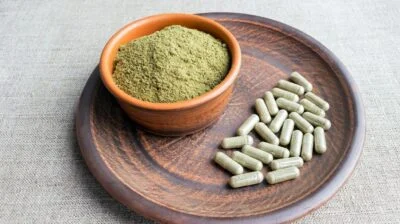
Kratom is not scheduled as a controlled substance in the United States as of April 2019. The FDA has issued a public health advisory about kratom in November 2017. Kratom products are widely available in various forms, often without clear labeling of potency or dosing instructions. The lack of regulation means that consumers may not know the actual contents or potency of kratom products they purchase, and there are no quality assurances or controls in place. Many kratom products do not come with instructions for safe use or dosing recommendations, and consumers may be unaware of the specific alkaloid content, which can vary significantly between batches.
However, with its growing popularity in the United States, concerns have risen about the risks of kratom overdose and addiction, especially when taken in high doses or combined with other substances. Most kratom-related fatalities involve additional substances, such as opioids, benzodiazepines, or stimulants, and kratom use is often associated with drug use, including self-medication and use with other drugs.
What Is Kratom and How Does It Work?
Kratom leaves contain chemical compounds called alkaloids, primarily mitragynine and 7-hydroxy mitragynine, which interact with opioid receptors in the brain. Alkaloid mitragynine is the primary active compound in kratom, responsible for most of its stimulant and opioid-like effects.
While mitragynine acts on opioid receptors and has been compared to opioids in terms of its effects, it is considered to carry a lower risk of fatal overdose and produces little of the signature respiratory depressing effects seen with morphine-like opioids. At low doses, kratom produces stimulant effects, increasing energy and focus. At higher doses, it can have opioid-like effects, including sedation and pain relief. This dual action contributes to both its therapeutic potential and risk for misuse.
Kratom Statistics: Usage and Overdose Data
Kratom use has surged in recent years, with an estimated 10 to 16 million Americans turning to kratom products for reasons ranging from pain relief to mood enhancement. While many users seek out kratom for its perceived natural benefits, the Drug Enforcement Administration (DEA) has classified kratom as a drug of concern due to its potential for misuse, overdose, and addiction.
Although kratom is not currently a controlled substance in the United States, its growing popularity has prompted increased scrutiny from public health agencies.
Data from the Centers for Disease Control and Prevention (CDC) reveals that between 2014 and 2019, there were 91 reported deaths associated with kratom use. Importantly, the majority of these cases involved the presence of other substances, such as opioids, benzodiazepines, or stimulants, highlighting the increased risk of overdose when kratom is combined with other drugs.
Higher doses of kratom are also linked to a greater risk of overdose, especially when users seek stronger pain relief or mood enhancement effects. These statistics underscore the importance of using caution with kratom products and being aware of the potential dangers associated with kratom use, particularly when other substances are involved.
Understanding Kratom Overdose: Symptoms and Risks
While kratom is not classified as an opioid, its interaction with opioid receptors means that an overdose is possible and can cause heavy sedation and even breathing cessation. The risk of kratom overdose increases with higher doses, use of potent kratom products such as liquid extracts or concentrates, and mixing kratom with other substances like alcohol, prescription drugs, or opioids, which creates a higher risk of severe adverse effects.
Public health officials have recorded over 2,000 fatal kratom-related overdoses since 2021 in the United States. Kratom has been linked to a significant number of overdose deaths, often in combination with other substances such as opioids and benzodiazepines.
Most kratom-related deaths involve the use of other substances like alcohol, benzodiazepines, or opioids, and medical examiners often rely on toxicology reports to determine the cause of death. Poison control centers have reported an increase in calls related to kratom toxicity, and poison control data is used to track adverse effects such as seizures and increased heart rates.
Kratom-related deaths often involve individuals with a history of substance misuse and lack of medically supervised treatment. Opioid use and opioid overdose are often factors in kratom-related fatalities. Higher risk of overdose is associated with higher doses, potent products, and mixing kratom with other substances. More research is needed to fully understand kratom’s safety, toxicity, and overdose risks.
Common Signs of Kratom Overdose
-
Nausea and vomiting
-
Agitation and irritability
-
Elevated blood pressure and rapid heartbeat (high blood pressure)
-
Confusion and impaired balance
-
Psychosis and seizures
-
Severe sedation or difficulty breathing
If you or someone you know experiences severe symptoms such as slow or shallow breathing, seizures, chest pain, inability to wake up, or bluish lips or skin, call 911 immediately. Prompt medical attention is critical for kratom overdose.
Mixing Kratom: Dangers of Combining Substances
Combining kratom with other substances can significantly increase the risk of serious health complications and overdose.
-
The American Kratom Association cautions that mixing kratom with drugs such as prescription opioids, benzodiazepines, or alcohol can lead to dangerous interactions, including respiratory depression, seizures, and even fatal overdoses.
-
The Food and Drug Administration (FDA) has also issued warnings about the dangers of mixing kratom with prescription opioids, emphasizing that this combination can dramatically raise the risk of overdose and death.
-
The National Institute on Drug Abuse (NIDA) reports that using kratom alongside other substances not only increases the risk of overdose but can also contribute to addiction, substance abuse, and mental health disorders.
Kratom users should be especially cautious about mixing kratom with alcohol or prescription drugs, as these combinations can have unpredictable and potentially life-threatening effects.
If you or someone you know experiences Kratom withdrawal symptoms or signs of overdose after mixing kratom with other substances, it is crucial to seek immediate medical attention and consider reaching out to an addiction treatment center for support. At Legacy Healing Center, we provide comprehensive addiction treatment and mental health services to help individuals safely recover from substance abuse and regain control of their lives.
Recognizing Kratom Addiction and Withdrawal Symptoms
Regular use of kratom, especially in high doses or potent forms, can lead to kratom misuse and addiction. Signs of kratom addiction include:
-
Needing more kratom to achieve the same effects (tolerance)
-
Experiencing cravings and withdrawal symptoms when not using
-
Continued use despite negative effects on health and relationships
-
Difficulty controlling or reducing kratom use
Withdrawal symptoms may resemble those of opioid withdrawal and include chills, nausea, muscle aches, insomnia, irritability, and restless legs syndrome.
How Legacy Healing Center Supports Kratom Addiction Treatment
At Legacy Healing Center, we understand the complexities of kratom addiction and overdose risk. Our luxury addiction treatment programs offer comprehensive, evidence-based care tailored to your individual needs. Our licensed medical staff provides medically supervised detox to safely manage withdrawal symptoms, followed by personalized therapy to address the psychological aspects of addiction.
Our Treatment Services Include:
-
Dual diagnosis treatment for co-occurring mental health and substance use disorders
-
Trauma-informed therapy and integrative health approaches
-
Aftercare planning and sober living support
We accept a variety of insurance carriers and offer admissions navigators to assist with payment options and insurance verification, making it easier for you to access the care you need.
Preventing Kratom Overdose and Promoting Recovery
To reduce the overdose risk associated with kratom, avoid mixing kratom with alcohol, prescription opioids, or other drugs.
Kratom use appears to be increasing across the United States, with estimates suggesting that 10–16 million people use it for various health reasons. Kratom products vary widely in strength, making it difficult for consumers to know how much they are ingesting, and a normal dose depends on the individual, with users typically taking 3-9 grams in powder form.
Its safety and potential for overdose are not well understood, and more research is needed to better understand kratom’s risks and inform public health recommendations. Use kratom products cautiously, especially potent extracts or liquid forms, and follow dosing guidelines carefully.
If you or a loved one is struggling with kratom misuse or addiction, seeking professional disorder treatment is essential.
At Legacy Healing Center, we are dedicated to helping kratom users reclaim their lives through compassionate, integrative health services. Contact us today to learn more about our kratom addiction treatment programs and take the first step toward lasting recovery.
**Don’t let kratom misuse control your life. Reach out to Legacy Healing Center for expert support and personalized care. Call us or verify your insurance online to start your journey to sobriety.
Table of Contents
Check Your Coverage Now
"*" indicates required fields
Your information is kept private
Ready to Get Help?
Give us a call or fill out a contact form and we’ll reach out to you.