



-
 By:
Valerie Puffenberger, PMHNP-BC
By:
Valerie Puffenberger, PMHNP-BC
-
 Editor:
Phyllis Rodriguez, PMHNP-BC
Editor:
Phyllis Rodriguez, PMHNP-BC
-
 Clinical Reviewer:
Dr. Ash Bhatt, MD, MRO
Clinical Reviewer:
Dr. Ash Bhatt, MD, MRO
Key Takeaways
- A typical weekday in alcohol rehab at Legacy Healing Center follows a structured schedule: wake-up around 6:30–7:00 a.m., morning group therapy, balanced meals, individual counseling, wellness activities, evening support meetings, and lights out by 10:00 p.m.
- Most people begin with medically supervised alcohol detox lasting 7–14 days before fully joining the daily rehab schedule, with 24/7 medical care to safely manage withdrawal symptoms.
- Days are intentionally structured—therapy sessions, educational workshops, exercise, meals, and downtime all work together to replace drinking habits with healthy routines that support long term recovery.
- Legacy Healing Center offers luxury, resort-style treatment centers in California, Florida, Ohio, and New Jersey, featuring evidence-based therapies, trauma-informed care, and dual-diagnosis treatment for co occurring mental health conditions.
- Ready to learn more? Admissions is available 24/7 at 888-534-2295, and you can complete a simple insurance verification online to understand your coverage before you call.
What Happens In Alcohol Rehab? (Quick Overview)
If you’ve been wondering what happens in alcohol rehab, you’re not alone. Many people picture something vague—maybe rows of chairs, uncomfortable conversations, or an atmosphere that feels clinical and cold. The reality at most reputable programs is far more supportive and structured than those assumptions suggest.
Alcohol rehab is a treatment program designed to help people stop drinking safely, address the root causes of alcohol addiction, and build practical skills for a sober life. While every treatment facility operates a bit differently, most follow a similar sequence: comprehensive assessment at intake, medical detox (if clinically necessary), a daily schedule of therapy and activities, and aftercare planning before discharge.
Here’s a general timeline of what to expect:
- First 24 hours: Arrival, intake paperwork, medical evaluation, and settling into your room.
- First week: Detox (if needed) with medical supervision, gradual introduction to group sessions and the daily schedule.
- Weeks 2–4 and beyond: Full participation in individual therapy, group therapy sessions, educational workshops, wellness activities, and preparation for life after treatment.
At Legacy Healing Center, addiction treatment can take place at several levels of care: residential treatment centers (inpatient), partial hospitalization (PHP), or intensive outpatient (IOP). The daily schedule adjusts based on which level best fits your clinical needs.
It’s worth noting that alcohol rehab is not the same as “just detox.” The detox process addresses the body—helping you safely stop drinking and manage withdrawal symptoms. Rehab goes further, addressing thoughts, emotions, habits, and long term relapse prevention strategies. The goal isn’t just to get alcohol out of your system; it’s to give you the tools to stay sober and rebuild your everyday life.
A Typical Day In Alcohol Rehab: Sample Schedule
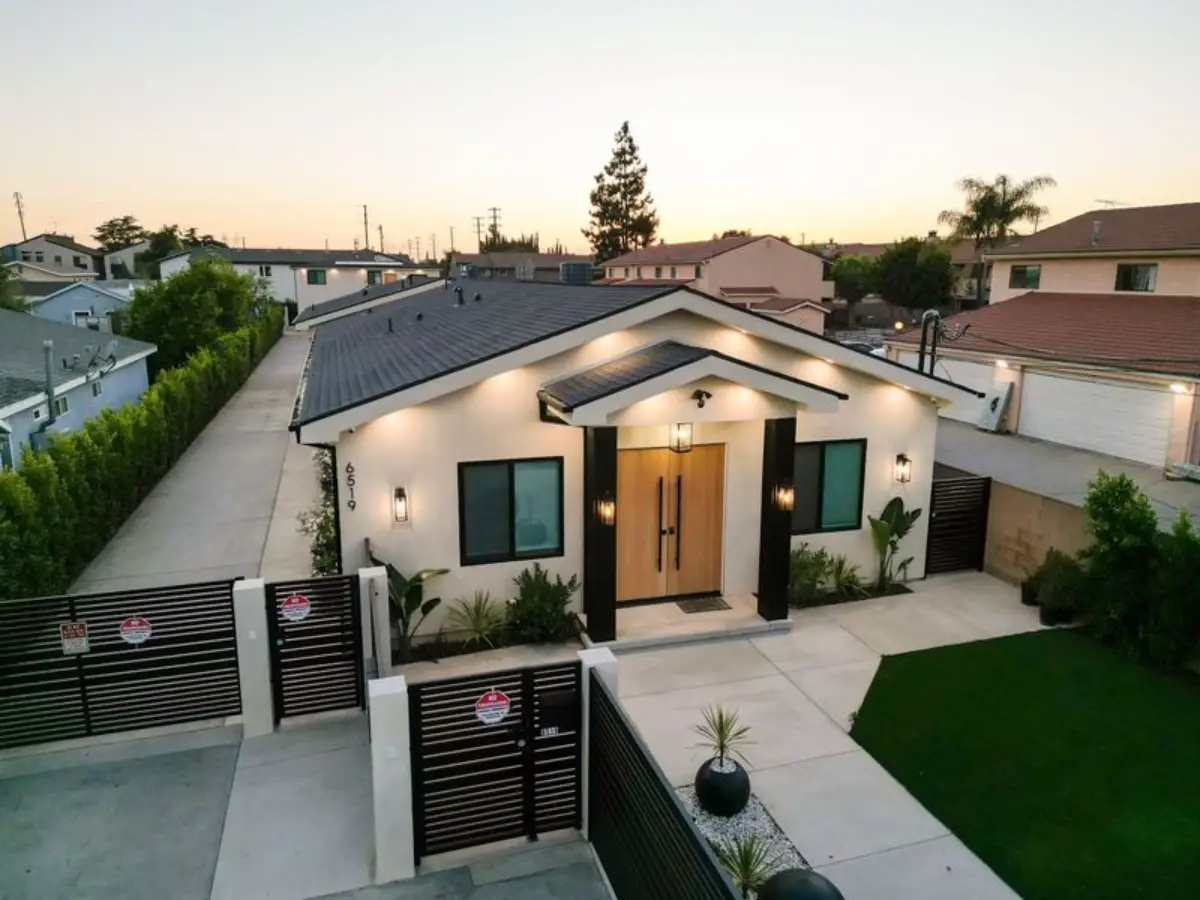
Times and activities vary by treatment center, but let’s walk through a concrete weekday example—a residential day in 2026 at a Legacy Healing Center campus in California.
Morning: Wake-Up Through Late Morning
The day begins between 6:30 and 7:30 a.m. with a gentle wake-up call. Staff may check in for vital signs or medication management if you’re still tapering off detox medications or taking psychiatric medications for a co-occurring condition like anxiety or depression. Personal hygiene—showering, grooming, getting dressed—is part of the morning routine, helping rebuild self-care habits that may have slipped during active alcohol consumption.
Breakfast is served around 8:00 a.m. in a communal dining area. Meals are balanced and nutritious, often prepared by on-site chefs with menus designed to restore vitamins and hydration depleted by long-term drinking. Eating together with peers also builds connection and accountability.
By 9:00 a.m., the clinical day starts in earnest. Many programs open with a brief “daily goals” or mindfulness group—a chance to set intentions, practice breathing exercises, and mentally prepare for the work ahead.
Late Morning: Group Therapy and Education
The heart of the morning is typically primary group therapy, running from around 9:30 a.m. to 11:00 a.m. or later. These group sessions might focus on cognitive-behavioral therapy (CBT) techniques, relapse prevention, or coping skills for managing cravings. Research shows that CBT-based group therapy, combined with peer support, helps 60–70% of participants reduce relapse risk.
Following group therapy, many programs schedule psychoeducational sessions. These workshops cover topics like how alcohol affects the brain and body, the science of physical dependence, and how addiction impacts relationships and mental health. Understanding the “why” behind addiction helps residents make sense of their experiences and stay motivated.
Afternoon: Individual Therapy and Wellness
After lunch around noon—and a short break for rest or quiet time—the afternoon shifts to more personalized work.
Individual therapy sessions typically occur 1–2 times per week (or more often when clinically indicated). These one-on-one meetings with a licensed therapist allow for deep dives into personal history, trauma, family dynamics, and specific goals. Approaches may include CBT, motivational interviewing, EMDR for trauma, or dialectical behavior therapy (DBT) skills.
Afternoons also include time for wellness activities: yoga, supervised gym sessions, guided walks on facility grounds, or holistic practices like meditation and breathwork. Physical activity releases endorphins, improves sleep, and helps counteract the depression common in early recovery.
Some days include experiential or specialized groups—art therapy, music therapy, or dual-diagnosis groups for those managing both substance abuse and mental health conditions.
Evening: Dinner, Meetings, and Rest
Dinner is served around 6:00 p.m., followed by evening programming. Many residential treatment centers host on-site 12-step or recovery support groups in the evening, where residents can practice the principles of Alcoholics Anonymous or similar programs. These support groups reinforce commitment and help residents build a sober support system.
After meetings, there’s typically time for journaling, reading, or using designated outdoor relaxation areas. Quiet time allows for processing the day’s emotional work.
Lights out is usually around 10:00 p.m. This enforced bedtime supports 8–10 hours of sleep, critical because poor sleep can triple relapse risk, and alcohol disrupts natural sleep cycles that need time to recover.
Weekends: A Slightly Lighter Schedule
Weekends in inpatient programs may have fewer formal therapy sessions, but the structure remains. Recreational activities, family therapy sessions (in-person or virtual), alumni events, and extended personal time fill the schedule. The goal is balance: enough structure to prevent boredom and cravings, but enough downtime for rest and reflection.
Medication And Alcohol Detox
Many people entering alcohol rehab begin with medical detox. If you’ve been drinking heavily or for a long time, stopping suddenly can be dangerous. Alcohol withdrawal symptoms range from mild (anxiety, sweating, nausea) to severe (seizures, delirium tremens). That’s why the detox process happens under 24/7 medical supervision at a qualified treatment facility.
What Happens at Intake
When you arrive for detox, healthcare professionals gather detailed information:
- Medical history and current medications
- Time since your last drink
- Blood work and vital signs
- Withdrawal risk assessment using tools like the CIWA-Ar scale
This comprehensive assessment determines the right level of medical care and helps staff anticipate complications.
Medications Used During Detox
Depending on your withdrawal risk, medical professionals may use:
- Benzodiazepines (e.g., Ativan, Librium) to prevent seizures and ease acute withdrawal
- Thiamine and other vitamins to address deficiencies common after heavy drinking
- Anti-nausea and sleep aids to improve comfort
All medications are administered under direct medical supervision, with dosing adjusted as symptoms evolve.
How Long Does Alcohol Detox Take?
For most people, the detox process lasts 2–7 days. alcohol symptoms usually peak within the first 24–72 hours, then gradually subside. Staff monitor closely for complications and adjust medications to alleviate withdrawal symptoms safely.
Transitioning from Detox to Rehab
Once medically stable, you’ll gradually join the full daily schedule of group therapy, individual therapy, and activities. Medication management continues as needed—some residents taper off detox meds, while others start medications for ongoing support.
Longer-Term Medication Options
For some, medications like naltrexone, acamprosate, or disulfiram may be recommended to support long term recovery. Psychiatrists and addiction physicians at Legacy Healing evaluate whether these are appropriate based on your history, preferences, and treatment plan.
Therapy: The Core Of Each Day
Therapy is the centerpiece of the daily rehab schedule. Every personalized treatment plan is tailored to your history, mental health, and goals—because no two people’s recovery journeys look exactly alike.

Individual Therapy
Individual therapy sessions typically happen 1–2 times per week, sometimes more. These private meetings with a licensed therapist allow you to explore personal trauma, family patterns, shame, and specific triggers in a safe and supportive environment.
Common approaches include:
- Cognitive-behavioral therapy (CBT): Identifies thought patterns that fuel addiction and teaches healthier responses.
- Motivational interviewing (MI): Builds intrinsic motivation for change.
- EMDR: Used for trauma processing, often in luxury settings.
- DBT-informed skills: Helps with emotion regulation and distress tolerance.
Group Therapy
Group counseling runs most days, with 8–12 participants and a trained counselor. Topics rotate through relapse prevention, coping strategies, emotion regulation, shame and guilt, and rebuilding relationships. Group dynamics foster interpersonal learning and help you practice socializing sober.
Research consistently shows that group therapy sessions, combined with individual work, significantly improve outcomes in the recovery process.
Family Therapy
Alcohol addiction affects the whole family. Legacy Healing involves spouses, parents, or adult children through scheduled family therapy sessions—in-person or virtual. These sessions focus on repairing trust, improving communication, and addressing enabling behaviors. Data suggests family-involved treatment can boost six-month sobriety rates by up to 50%.
Dual-Diagnosis Care
Many people seeking treatment for alcohol addiction also have co occurring conditions like depression, anxiety, or PTSD. At Legacy Healing, psychiatric evaluation, medication management, and integrated therapy are woven into the daily schedule so both conditions are treated together—not separately.
Experiential and Specialized Therapies
In luxury settings, you may also have access to art therapy, music therapy, equine therapy (where available), or additional trauma-focused modalities. These experiential therapies provide alternative outlets for emotional expression and can be especially helpful for those who struggle to open up in traditional talk therapy.
Physical Fitness, Wellness, And Holistic Activities
Physical health and emotional wellness are deeply connected in alcohol recovery. Most days at a quality treatment provider include dedicated wellness time.
Fitness Options
Legacy Healing campuses offer a range of fitness activities:
- Supervised gym sessions
- Yoga classes
- Guided walks on landscaped grounds
- Swimming (where available)
- Personal training at some locations
Exercise supports recovery by improving sleep, boosting mood through endorphins, and restoring energy levels depleted by years of drinking.
Holistic Practices
Beyond exercise, you’ll find holistic activities built into the daily or weekly schedule:
- Meditation and breathwork
- Mindfulness groups
- Massage or chiropractic care (at select locations)
- Nutrition counseling
These practices help manage stress, reduce cravings, and promote overall well-being.
Nutrition and Meals
Meals are structured and balanced, often chef-prepared with menus designed to restore nutrients lost during long-term alcohol consumption. Communal meals also build peer connection and accountability—eating together is a simple but powerful part of rebuilding healthy routines.
Rest and Personal Time
Rest is not neglected. Time for reading, journaling, using outdoor relaxation areas, or simply enjoying on-site amenities is built into the schedule. Recovery is hard work, and downtime helps prevent burnout.
Residential vs. Outpatient: How Daily Life Differs
“A typical day” looks different depending on your level of care. Here’s how the options compare:
| Level of Care | Daily Commitment | Where You Live | Best For |
|---|---|---|---|
| Residential/Inpatient | 24/7, full-day clinical schedule | On campus | Severe addiction, need for immersive support, early recovery |
| PHP (Partial Hospitalization) | 5–6 hours/day, several days/week | Home or sober living | Transition from residential, moderate support needs |
| IOP (Intensive Outpatient) | 3 hours/day, 3–4 days/week | Home or sober living | Mild-to-moderate needs, continued work or school |
Residential (Inpatient) Treatment
In inpatient rehab, you live on campus, eat all meals on-site, and attend a full-day clinical schedule. Overnight staff provide emotional support and medical care around the clock. This immersive structured environment removes outside distractions and allows you to focus entirely on recovery.
Research shows inpatient treatment outperforms outpatient care in initial abstinence rates by 20–30%, especially for severe alcohol addiction.
Partial Hospitalization (PHP)
PHP clients attend 5–6 hours of programming per day, several days per week, then return home or to sober living arrangements in the evenings. This level provides robust clinical support while allowing some reintegration into everyday life.
Intensive Outpatient (IOP)
Intensive outpatient offers a lighter weekly schedule—typically 3 hours per day, 3–4 days per week. This allows continued work, school, or family responsibilities while still receiving structured addiction treatment.
Stepping Down Through Levels of Care
Legacy Healing helps clients “step down” from residential to PHP to IOP as they progress, adjusting the daily structure while gradually increasing independence. This continuum-of-care approach is associated with significantly better long-term outcomes.
Telehealth or virtual groups may be available for some outpatient services, with daily check-ins and homework between sessions.
Life Skills, Recreation, And Building A Sober Routine
Beyond therapy, rehab days are designed to teach practical skills for living comfortably without alcohol.
Life-Skills Groups
You’ll participate in workshops and activities focused on:
- Budgeting and financial management
- Time management
- Job readiness and return-to-work planning
- Healthy communication and conflict resolution
These skills address the practical side of maintaining sobriety once treatment ends.
Recreation and Creative Activities
Recreational time is built into the schedule:
- Art workshops
- Music groups
- Movie nights
- Game nights
- Supervised outings (when clinically appropriate)
These activities provide healthy outlets for stress and help you discover new interests to replace drinking.
Practicing a Consistent Routine
One of the most underrated benefits of inpatient programs is simply practicing a consistent daily routine. Wake-up times, grooming, chores, and participation in activities rebuild self-esteem and responsibility—habits that support long term recovery after discharge.
Luxury Amenities at Legacy Healing
In luxury environments like Legacy Healing, clients also benefit from high-end amenities: comfortable private or semi-private rooms, landscaped outdoor spaces, quiet lounges, and resort-style common areas. These touches make day-to-day life feel safe, dignified, and conducive to healing.

Starting Your Rehab Journey With Legacy Healing Center
It’s normal to feel nervous about what a day in rehab looks like. But knowing the structure can make taking the first step much easier—and you don’t need to have everything figured out before reaching out.
How to Get Started
Starting your recovery journey is straightforward:
- Call Legacy Healing admissions 24/7 at 888-534-2295. You’ll have a confidential conversation about your symptoms, drinking history, and treatment options with a compassionate team member.
- Verify your insurance online. Use the simple insurance verification form to understand your insurance coverage before you call. Most major insurers are accepted, and staff will explain any out-of-pocket alcohol rehab cost upfront.
- Plan your arrival. Once admission is approved, staff help with travel planning and answer questions about what to bring.
What Happens in the First 24 Hours
After admission is approved, here’s what to expect:
- Travel to a Legacy Healing location in Florida, New Jersey, Ohio, or California
- Check-in and orientation to the campus
- Medical assessment and intake paperwork
- Meeting with clinical staff to discuss your personalized treatment plan
You don’t need to have all the answers. The admissions and clinical teams help decide the appropriate level of care and explain exactly what daily life will look like for your specific situation.
You’re Not Alone
Many Legacy Healing alumni started exactly where you are now—uncertain, nervous, but ready for something to change. One phone call can be the beginning of a new chapter. Healing is possible with structured, compassionate care and ongoing support.