



-
 By:
Alex Herrera
By:
Alex Herrera
-
 Editor:
Phyllis Rodriguez, PMHNP-BC
Editor:
Phyllis Rodriguez, PMHNP-BC
-
 Clinical Reviewer:
Dr. Ash Bhatt, MD, MRO
Clinical Reviewer:
Dr. Ash Bhatt, MD, MRO
Key Takeaways
- Legacy Healing Center offers luxury depression rehab retreats at our Los Angeles, Ohio, and New Jersey facilities, designed for people whose symptoms aren’t improving with outpatient care alone.
- Our retreats combine evidence-based clinical treatment, trauma-informed therapy, and holistic wellness in a residential, resort-style environment with 24/7 support.
- We specialize in treating depression with or without co-occurring substance use disorders (dual diagnosis), providing a full continuum of care from medical detox through aftercare.
- You can verify your insurance online or call 888-534-2295 for 24/7 confidential admissions support.
- Whether you’re seeking help for yourself or a family member, taking the next step toward lasting recovery can happen today.

What Is a Depression Rehab Retreat?
A depression rehab retreat is a residential, treatment-focused alternative to casual wellness weekends where clients live on-site for several weeks and follow a structured, clinically led program. This isn’t a spa vacation or yoga-only getaway—it’s an immersive mental health experience built around real clinical care.
At Legacy Healing Center, our depression rehab retreats are hosted at our luxury rehab facilities in Los Angeles (CA), Ohio, and New Jersey. We offer 30 to 90+ day length-of-stay options based on your clinical needs and recovery goals.
What sets our retreats apart from wellness-focused alternatives is the depth of clinical support:
- Comprehensive psychiatric evaluation upon arrival
- Evidence-based psychotherapy with licensed professionals
- Medication management when appropriate
- 24/7 nursing and clinical oversight
Our programs are designed for adults struggling with major depressive disorder, persistent depressive disorder, trauma-related depression, and depression co-occurring with anxiety disorders or addiction. We also see clients dealing with seasonal affective disorder, bipolar disorder, and premenstrual dysphoric disorder.
Clients benefit from daily therapeutic activities and a calm, private setting that removes them from the stressors and triggers of everyday life. This peaceful environment allows you to focus entirely on your healing journey without the distractions that make outpatient treatment less effective for some people.
When a Depression Retreat Is the Right Next Step
Not everyone needs residential treatment for depression—but for some, it’s exactly what’s been missing. A depression rehab retreat becomes the right choice when weekly therapy sessions and medication haven’t provided enough relief, or when your functioning at work, school, or in relationships has significantly declined.
Consider whether any of these indicators sound familiar:
| Sign | What It Might Look Like |
|---|---|
| Recurring hopelessness | Persistent thoughts that things will never improve |
| Work or school problems | Missing days, declining performance, difficulty concentrating |
| Social isolation | Withdrawing from family and friends who care about you |
| Self-medicating | Using alcohol or drugs to cope with emotional pain |
| Repeated crises | Multiple ER visits or urgent care for mental health concerns |
| Physical symptoms | Chronic fatigue, sleep problems, or unexplained aches |
There’s also what many call “high-functioning” depression. You might keep up appearances at work or with family, but inside you feel exhausted, numb, or burnt out. An immersive residential setting allows honest work on underlying issues without the pressure to “perform” normalcy.
Legacy can often admit clients within 24 hours after a clinical assessment. Our retreats are suitable for people needing prompt, intensive support—though not those requiring active emergency psychiatric hospitalization.
If you’re a loved one unsure whether someone needs a retreat-level program versus outpatient or virtual care, our admissions team can provide guidance. Call 888-534-2295 anytime for a confidential conversation.
Depression, Anxiety, and Substance Use: The Dual Diagnosis Connection
Depression rarely exists in isolation. It commonly overlaps with generalized anxiety, panic disorder, eating disorders, and substance use disorders. When these mental health conditions occur together, each can worsen the others if left untreated—creating a cycle that feels impossible to break.
At Legacy, we see common dual-diagnosis patterns:
- Alcohol used to “take the edge off” – Temporary relief that deepens depressive symptoms over time
- Prescription sedatives or opioids misused – Self-medicating emotional pain with medications not prescribed for that purpose
- Stimulant misuse tied to work stress – Attempting to power through exhaustion and burnout
- Cannabis dependence masking anxiety – Numbing symptoms rather than addressing root causes
Our depression treatment center is fully equipped to manage both mental health and addiction, including on-site medical detox when needed. You don’t have to choose between treating one or the other—we address both simultaneously.
Our psychiatrists and addiction medicine providers collaborate closely with therapists to build integrated treatment plans. These plans address mood symptoms, cravings, trauma, and lifestyle factors together rather than in separate silos.
This dual-focus approach is especially important for people who have relapsed after prior “mental health only” or “addiction only” treatment. Untreated depression often drives substance use, while active addiction makes depression nearly impossible to treat effectively. Breaking this cycle requires addressing both sides of the problem.
What to Expect Day-to-Day at a Depression Rehab Retreat
Your days at a depression retreat follow a structured yet balanced rhythm. Think of it as a supportive framework that includes therapy, wellness activities, meals, rest, and recreation—not an overwhelming clinical schedule.
A typical day might include:
| Time of Day | Activities |
|---|---|
| Morning | Check-in, mindfulness practice, breakfast, group therapy |
| Midday | Individual therapy, psychoeducation sessions, lunch |
| Afternoon | Holistic therapies (yoga, art, fitness), coping skills training |
| Evening | Dinner, support groups, reflection time, journaling |
Schedules vary somewhat by location (Los Angeles, Ohio, New Jersey), but all Legacy retreats blend clinical services with holistic therapies such as yoga, meditation, fitness, and creative expression.
Clients also have scheduled time for:
- Rest and personal reflection
- Journaling and quiet activities
- Outdoor time and nature walks
- Contact with approved family members
Days are intentionally designed to reduce overwhelm. Staff guide transitions, explain the purpose of each activity, and adjust your treatment plan as symptoms improve. You won’t be left wondering what comes next or why you’re doing something—mental health professionals are there to support you through every step of the recovery process.

Clinical Care at Legacy’s Depression Rehab Retreats
Clinical excellence is the backbone of Legacy’s depression retreats. Every treatment team includes licensed psychiatrists, psychologists, and therapists who specialize in mental illness and depressive disorder.
Upon arrival, each client receives a comprehensive assessment including:
- Full psychiatric evaluation
- Medical screening and health history
- Substance use assessment
- Review of current medications and past treatment attempts
This thorough intake process ensures your treatment plan addresses your specific needs rather than following a one-size-fits-all approach.
We use evidence-based therapies proven effective for depression:
- Cognitive Behavioral Therapy (CBT) – Identifying and restructuring negative thought patterns
- Dialectical Behavior Therapy (DBT) – Building skills for emotional regulation and distress tolerance
- Trauma-focused therapy – Including EMDR where clinically appropriate
- Relapse-prevention work – Essential for those with addiction histories
Medication management is available for clients who benefit from antidepressants, mood stabilizers, or anti-anxiety medications. Our psychiatrists monitor and adjust these carefully throughout your stay.
Every client is assigned a primary therapist who coordinates their individualized care and meets regularly to track progress and refine goals. This consistent therapeutic relationship becomes central to your depression recovery.
Psychiatric and Medication Management
Many clients arrive already on one or more psychiatric medications, sometimes with mixed results or frustrating side effects. Our board-certified psychiatrists review your diagnoses, past medication trials, and genetic or medical considerations to optimize your regimen.
The length of stay—often 30-45 days or longer—allows time to safely evaluate how medication changes affect your mood, sleep, and functioning. With 24/7 nursing oversight, adjustments happen under careful supervision rather than the guesswork that can occur with monthly outpatient appointments.
Our philosophy uses medication thoughtfully as one part of a broader healing plan. Medical treatment works best when combined with therapy, lifestyle changes, and skills building rather than standing alone.
Evidence-Based Psychotherapies
Psychotherapy is central to addressing the thought patterns, behaviors, and relationship dynamics that fuel depression. Individual therapy and group therapy work together to create lasting change.
Key therapeutic approaches include:
- CBT for restructuring negative beliefs – Learning to identify cognitive distortions and replace them with more balanced thinking
- DBT skills for emotional regulation – Building distress tolerance and interpersonal effectiveness
- Interpersonal therapy elements – Improving communication and relationships that impact mood
Therapy occurs in both individual sessions and small-group formats, giving you a mix of private work and peer support. Group sessions provide opportunities to learn from others facing similar challenges while building community.
For clients with trauma histories, clinicians incorporate trauma-informed approaches. When clinically appropriate, modalities like EMDR or somatic-focused work help process experiences that fuel depression symptoms.
Holistic and Wellness Therapies in a Luxury Setting
Legacy’s “whole-person” model addresses mind, body, and spirit—especially important for chronic or treatment-resistant depression that hasn’t responded to medication and therapy alone. These holistic options complement clinical care rather than replacing it.
Common holistic therapies include:
- Yoga and movement classes
- Mindfulness and meditation groups
- Fitness programming and personal training
- Nutrition counseling for physical and mental health
- Art therapy and creative expression
- Music therapy
- Equine therapy at select locations
- Nature walks and outdoor activities
- Breathwork sessions
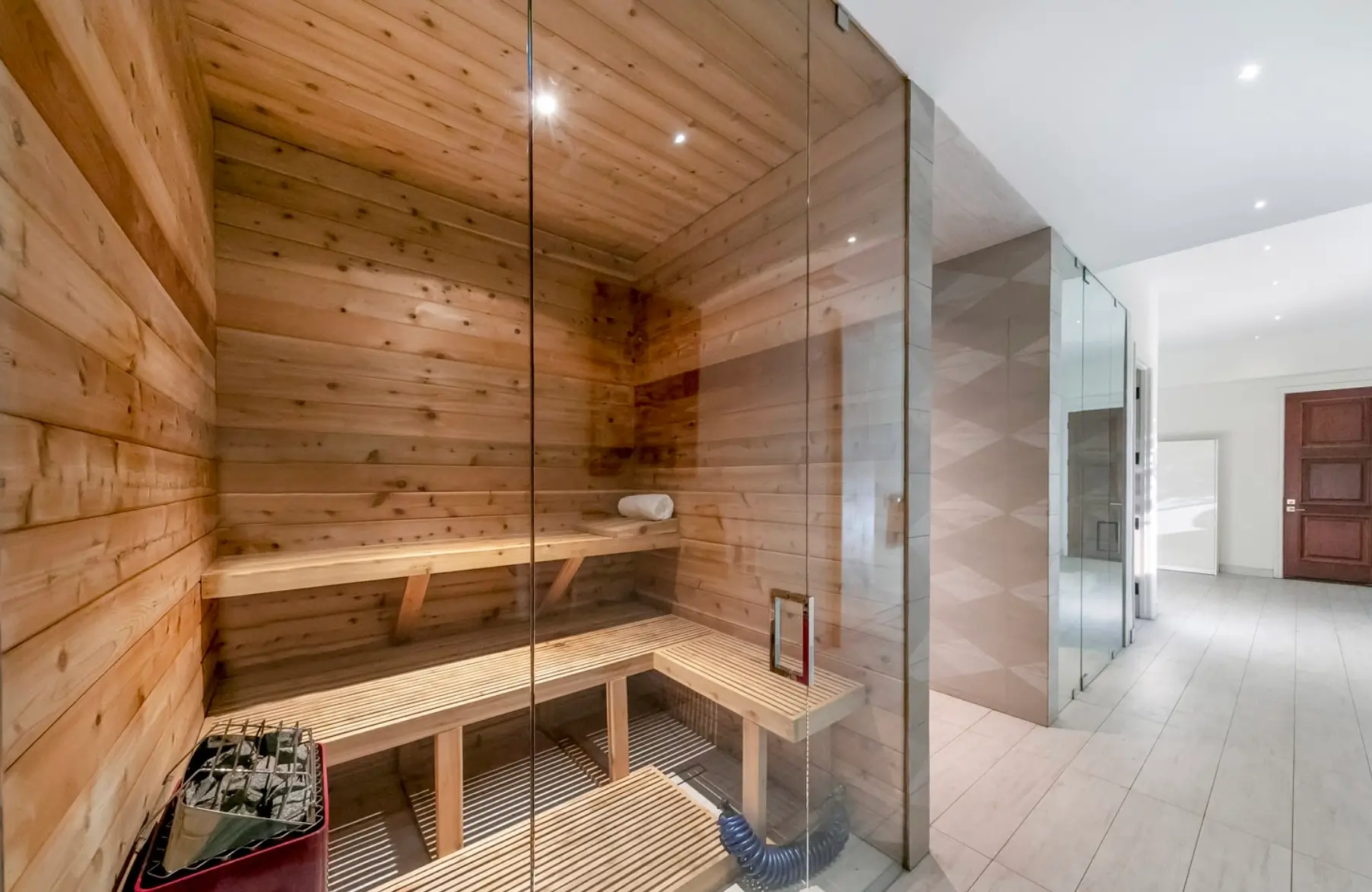
The luxury environment itself supports healing. Private or semi-private rooms, well-appointed common areas, comfortable lounges, outdoor spaces, and chef-prepared meals create a supportive environment where you can focus on recovery.
These amenities aren’t just “extras.” They’re part of creating a safe, dignified atmosphere where clients can fully focus on healing without feeling institutionalized. A calming environment makes difficult therapeutic work more manageable.
Clients often begin to feel small but meaningful improvements in energy, sleep, and outlook as they engage consistently with both clinical and holistic components. These wellness practices become tools you can carry into daily life long after your retreat ends.
Retreat Environments in Los Angeles, Ohio, and New Jersey
Each Legacy location offers its own character while maintaining consistent clinical quality and luxury-level comfort:
Los Angeles, California – Our Southern California campus offers abundant sunshine and outdoor spaces perfect for year-round wellness activities. The discreet, upscale setting is convenient to major travel hubs while feeling removed from urban stress.
Ohio – Our wooded, tranquil Midwestern location provides space for walking paths and outdoor activities that support reflection and grounding. The natural setting offers a different kind of healing environment for those seeking peace away from coastal cities.
New Jersey – A peaceful, private environment near major Northeast cities makes this location accessible to clients from New York, Pennsylvania, and the broader Tri-State area. You can access world-class treatment without traveling far from home.
All locations maintain the same standards of clinical excellence, trained professionals, and resort-style amenities that define Legacy’s approach to residential care.

Types of Programs and Length of Stay
Legacy offers a continuum of care so you can move smoothly between levels of support as your depression improves. This step-down approach prevents the jarring transition from intensive treatment to no support.
Depression treatment program options include:
| Level of Care | Description | Typical Duration |
|---|---|---|
| Residential/Inpatient | 24/7 structured care in our depression rehab retreat | 30-90+ days |
| Partial Hospitalization (PHP) | Full-day programming while living off-site | 2-4 weeks |
| Intensive Outpatient (IOP) | Several sessions per week while maintaining daily life | 4-8+ weeks |
| Outpatient/Aftercare | Ongoing therapy and support | Ongoing |
Depression rehab retreats are built around residential treatment, often starting with 30 days and extendable to 60 or 90 days depending on severity, progress, and co-occurring conditions.
For those who don’t require 24/7 residential support—or who are stepping down from it—we also offer PHP and IOP at select locations. These treatment options provide continued structure while you rebuild your life outside treatment.
Initial clinical and insurance assessments help determine the most appropriate level of care. Legacy develops personalized discharge and aftercare plans before clients leave, ensuring the retreat experience becomes part of a broader journey toward lasting recovery.
Preparing for a Depression Rehab Retreat
Deciding to attend a mental health retreat can feel overwhelming. Preparation helps reduce anxiety about the transition and sets you up for success from day one.
Practical steps to handle before arrival:
- Arrange time away from work or school (FMLA may apply)
- Plan pet care or childcare coverage
- Organize finances and bill payments
- Communicate with close family about your decision
- Gather insurance information
What to pack:
- Comfortable clothing for therapy and activities
- Walking shoes for outdoor activities
- Prescribed medications in original bottles
- A journal for reflection
- Permitted comfort items (Legacy provides a detailed packing list)
Consider setting a few personal intentions before arrival. Maybe you want to be open to new coping skills, honestly discuss past experiences, or focus on sleep and self care. These intentions give your work direction without creating pressure.
Our admissions team is available 24/7 at 888-534-2295 to answer questions about what to expect on day one, transportation options, and any special needs or accommodations. No question is too small when it comes to preparing for this step.
Insurance, Cost, and Accessing Care
Cost is a realistic concern, but many clients are surprised by how much of their depression treatment is covered by health insurance. Don’t let assumptions about price prevent you from exploring your options.
Legacy Healing Center works with many major private insurance plans. Insurance coverage can often apply to residential treatment, PHP, and IOP services when medically necessary.
To check your benefits quickly:
- Visit our secure online form at https://www.legacyhealing.com/verify-insurance/
- Submit basic information for a confidential benefits check
- Receive a call from our team explaining your coverage
Our admissions specialists walk families through deductibles, co-pays, and any out-of-pocket estimates. We can also discuss self-pay options when needed.
Financial discussions are compassionate and pressure-free. The focus is on matching each person to an appropriate level of care as quickly as possible—not on selling a particular program. We understand that worrying about cost can feel overwhelming when you’re already struggling, so we handle these conversations with care.
Life After a Depression Rehab Retreat: Aftercare and Support
“Healing doesn’t end when treatment does.” At Legacy, the goal of a retreat is sustainable improvement in your overall well being—not just a temporary lift that fades when you return home.
Aftercare planning includes:
- Referrals to outpatient therapy and psychiatry near your home
- Step-down into Legacy IOP or PHP where appropriate
- Community support group recommendations
- Alumni services and ongoing connection
Relapse-prevention planning covers both mood relapse (return of depression symptoms) and, when applicable, relapse to substance use. You’ll leave with concrete coping strategies and crisis plans for difficult moments.
We encourage family involvement throughout the recovery process. Family members learn how to support your recovery without overstepping, with guidance on communication and healthy boundaries. A family member’s understanding can make an enormous difference in long-term outcomes.
Many clients report that the skills, routines, and insights gained during their retreat continue to help them months and years after discharge. The combination of professional help during treatment and ongoing care afterward creates the foundation for regain balance in your life.

How to Get Started at Legacy’s Depression Rehab Retreat
Whether you’re seeking help for yourself or someone you love, taking the next step can happen today. Depression is treatable, and you don’t have to struggle alone.
Here’s how to begin:
- Call our admissions team – Available 24/7 at 888-534-2295
- Or verify insurance online – Submit an online verification form to review your benefits and understand costs
During the initial call, we’ll discuss symptoms, history, safety concerns, current medications or substance use, and insurance information. This helps us recommend the right location and level of care for your situation.
In many cases, we can coordinate admission to one of our depression rehab retreats in Los Angeles, Ohio, or New Jersey within 24 hours. When you’re ready for intensive support, waiting weeks isn’t acceptable.
The symptoms of depression can make everything feel overwhelming—including reaching out for help. But that single call can be the beginning of real change. Legacy Healing Center is ready to provide a safe, luxurious, and clinically robust environment where you can build resilience and reduce symptoms of depression for good.
Your well-being matters. Reach out today.