


 By:
By:
 Editor:
 Clinical Reviewer:

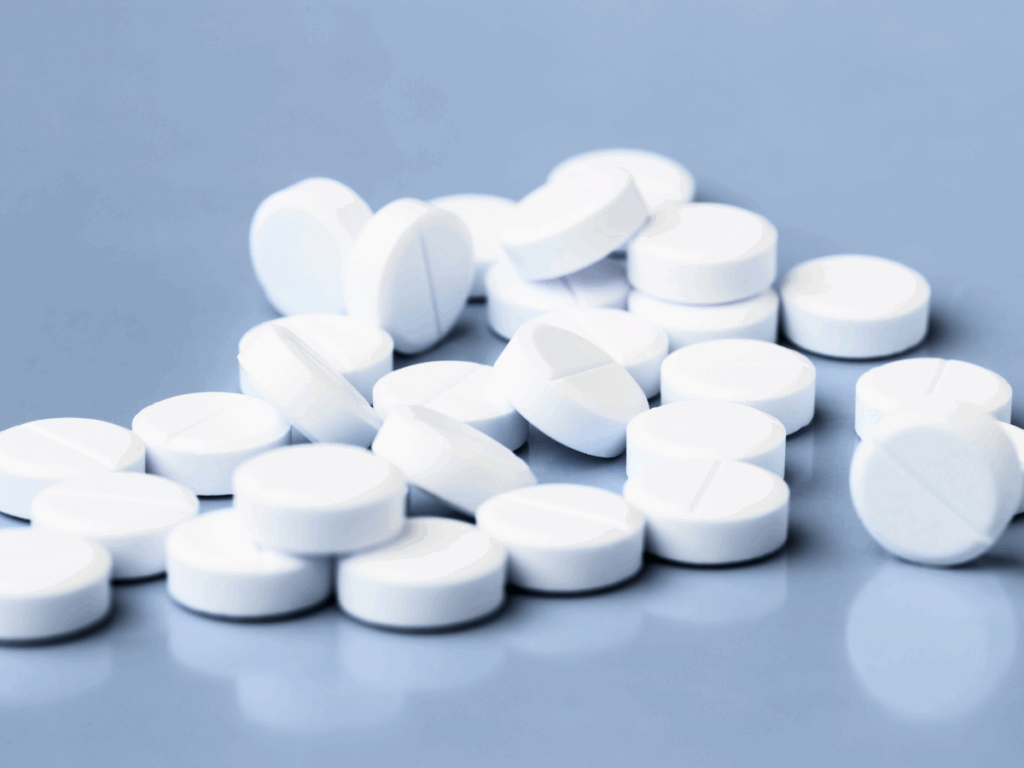
What Are Amphetamines?
Amphetamines are powerful central nervous system stimulants used in both medical and illicit settings. Medically, they are prescribed to treat ADHD, narcolepsy, and occasionally obesity.
Prescription stimulants such as Adderall and Dexedrine can be safe when taken as directed under medical supervision. However, misuse—such as taking higher doses or using without a prescription—significantly increases the risk of dependence.
Illicit stimulants like methamphetamine produce intense euphoria and carry an even higher risk of addiction and long-term health consequences.
Recognizing Amphetamine Dependence and Addiction
Amphetamine misuse often develops gradually. What may begin as occasional use to enhance productivity or energy can evolve into a pattern of compulsive behavior.
Common warning signs include:
Behavioral Signs
Increasing dosage without medical guidance
Obsessive focus on obtaining or using the drug
Neglecting responsibilities at work, school, or home
Financial or legal problems related to use
Physical Signs
Rapid weight loss
Dilated pupils
Insomnia or disrupted sleep patterns
Elevated heart rate or blood pressure
Psychological Signs
Mood swings
Anxiety or panic
Paranoia or irritability
Depression during “crash” periods
Recognizing these changes early can be the first step toward meaningful treatment.
What Makes Amphetamines Addictive?
Amphetamines increase levels of dopamine, norepinephrine, and serotonin—brain chemicals responsible for mood, motivation, and pleasure. This surge produces heightened alertness and euphoria, reinforcing repeated use.
With continued exposure, the brain adapts by reducing natural dopamine production. Over time, individuals may need larger doses to feel the same effects, leading to tolerance and dependence.
Biological Risk Factors
Neuroadaptation from repeated use
Genetic predisposition
Psychological & Environmental Risk Factors
Pressure to perform academically or professionally
Social environments where stimulant use is normalized
How Do Amphetamines Affect the Brain?
Amphetamines overstimulate neurotransmitter systems, particularly dopamine pathways involved in reward and motivation. This can cause intense emotional highs followed by significant crashes.
Short-Term Effects
Heightened alertness
Increased confidence
Long-Term Effects
Cognitive decline
Memory impairment
Poor impulse control
Risk of stimulant-induced psychosis
How Do Amphetamines Affect the Body?
Physically, amphetamines place significant strain on the cardiovascular and metabolic systems.
Short-Term Physical Effects
Euphoria
Increased energy
Suppressed appetite
Long-Term Physical Effects
Cardiovascular disease
Severe weight loss and malnutrition
Dental decay
Skin sores and infections
Amphetamine Overdose Risk
Amphetamine overdose can be life-threatening. High doses—or combining stimulants with other substances—can trigger:
Seizures
Stroke
Dangerous overheating
Cardiac arrest
Immediate medical intervention is critical in suspected overdose situations.
Amphetamine Withdrawal Symptoms
When someone stops using amphetamines after prolonged use, withdrawal symptoms can begin within 24 hours. Symptoms often peak within several days and may persist for weeks without support.
Common withdrawal symptoms include:
Extreme fatigue
Sleep disturbances
Irritability
Intense cravings
Because withdrawal can involve severe mood disturbances, medical supervision is strongly recommended.
Treatment Programs for Amphetamine Addiction
Recovery from amphetamine addiction often begins with medically supervised detox to stabilize the body and manage withdrawal safely.
Following detox, treatment may include:
Inpatient Residential Care – Structured, immersive support
Outpatient Programs – Flexible care for milder cases
While no medications are currently FDA-approved specifically for amphetamine addiction, supportive medications may be used to ease withdrawal symptoms and address co-occurring mental health conditions.
Long-term recovery typically includes therapy, relapse prevention planning, and ongoing peer support.
Begin Your Recovery Today
If you or someone you love is struggling with amphetamine use, compassionate help is available 24/7.
Our clinical team provides:
Psychiatric evaluation and support
Individualized treatment planning
Long-term recovery strategies
Call (888) 534-2295 or verify your insurance securely online to take the first step.
You don’t have to navigate stimulant addiction alone. When you’re ready to reclaim your health and clarity, we’re here to help.
Immediate Help and Support
Whether you’re preparing for treatment or just starting to ask questions, these confidential resources are available:
- Legacy Healing Center: Call (888) 534-2295 to speak confidentially with a specialist in amphetamine and stimulant addiction.
- SAMHSA National Helpline: Dial 1‑800‑662‑HELP (4357) for 24/7 support and treatment referrals.
- 988 Suicide & Crisis Lifeline: Dial 988 for immediate assistance during a mental health or substance-related crisis.
You are not alone. Support is closer than you think.
Table of Contents
Check Your Coverage Now
"*" indicates required fields
Your information is kept private
Ready to Get Help?
Give us a call or fill out a contact form and we’ll reach out to you.