
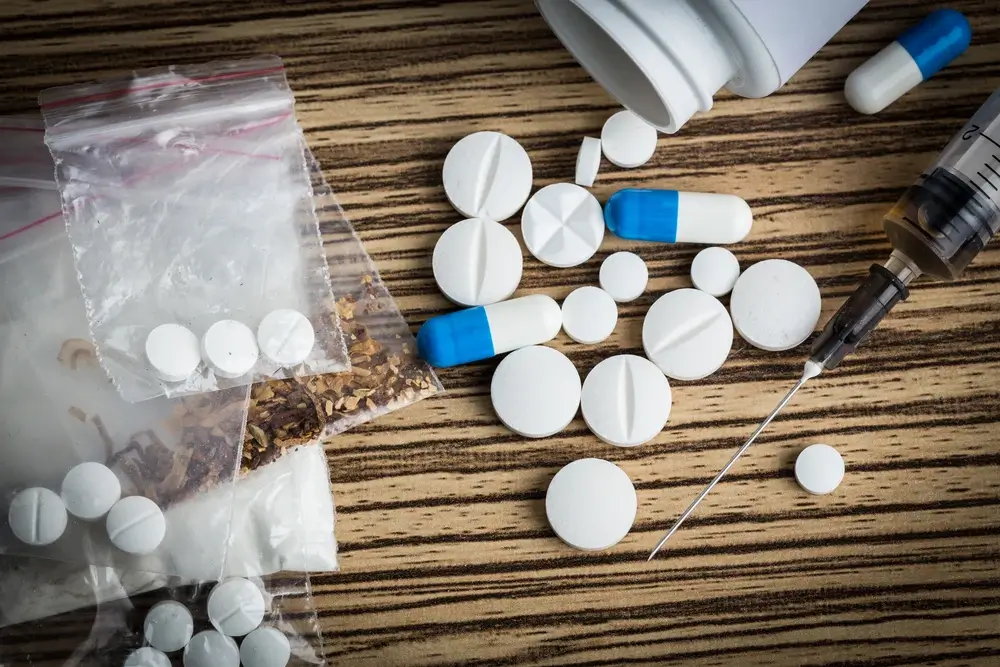
Understanding Drug Classifications – Strongest to Weakest
-
 By:
Valerie Puffenberger, PMHNP-BC
By:
Valerie Puffenberger, PMHNP-BC
-
 Editor:
Phyllis Rodriguez, PMHNP-BC
Editor:
Phyllis Rodriguez, PMHNP-BC
-
 Clinical Reviewer:
Dr. Ash Bhatt, MD, MRO
Clinical Reviewer:
Dr. Ash Bhatt, MD, MRO
You may have heard a drug mentioned as a Schedule II or III and wonder what it meant. Drug classifications are important because it enables doctors and patients to understand their dangers against their benefits. It can be helpful to understand about the different types of drug classifications when you are prescribed a medication.
Drug Classifications
The US Food and Drug Administration is responsible for determining the classification of medications sold for medicinal purposes. This authority comes from the Federal Food, Drug, and Cosmetic Act, which was passed in 1938. The act helps determine which drugs are approved for specific purposes and what dangers may exist when taking those drugs.
The Act has been amended over the years as more drugs have been developed and new drug classifications recognized. The FDA oversees both prescription medications and over-the-counter drugs. Prescription medications can only be given out by a doctor’s order. OTC drugs can be purchased in a pharmacy or other retail store and include medications, such as Tylenol or Motrin¹.
How are Drugs Classified
Various systems exist to classify drugs. The drug classifications may be based on active ingredients, how they act in the body, or their intended use. For instance, an antidepressant may be classified by how it acts, such as which neurotransmitter it acts on. It can also be classified as treating anxiety or personality disorders, which may put it in multiple categories.
One system is known as the International Drug Evaluation and Classification Program. This organization is made up of professionals in law enforcement. Seven categories are used, which are based on the major effects on behavior from the drugs. These drug classifications include the following:
- Central nervous system depressants: These drugs slow down the systems in the body, such as reduced heart rate or lowered blood pressure. Some drugs you will find in this category include Valium, Xanax, and Prozac.
- Stimulants: Stimulants do the opposite of depressants because they increase systems, such as raising blood pressure, increasing heart rate and breathing. The drugs can increase the person’s energy as well. Drugs labeled as stimulants include Adderall and Ritalin.
- Hallucinogenic drugs: These drugs are often prescribed to help one sleep. They can alter the perception of reality and may include Ambien, LSD, and ecstasy.
- Dissociative anesthetic drugs: These drugs help the person to not feel pain, but they also distort their perception of reality and alter what they hear and see. Examples include PCP and special K.
- Narcotic analgesic medications: This type of drug is also used to treat pain and is labeled as opioids. Examples include Vicodin, codeine, Demerol, and heroin.
- Inhalants: These drugs are not usually sold as medication but alter a person’s perception of reality. Some examples of this substance include paint thinner, gasoline, and paint.
- Cannabis products: Products in this category all contain THC and includes marijuana and hashish.
What are the Different Types of Drug Classifications?
Drugs are also labeled by Schedule for drug classifications related to substance abuse. This system helps determine their medical value, safe usage protocols, and the potential risk of abuse.
- Schedule I: No recognized medical value and no protocol for safe use with a high potential for abuse. It includes heroin, many hallucinogenic drugs, some stimulants, and certain cannabis products.
- Schedule II: Some medical value under certain conditions but a high potential abuse. Some examples include cocaine, amphetamines like Adderall, certain narcotics like morphine, barbiturates like Nembutal, and PCP.
- Schedule III: These drugs have medical value with a somewhat lower risk than the first two schedules. They may include anabolic steroids, Tylenol with codeine, Mecoral, and testosterone.
- Schedule IV: These drugs have accepted medical value and lower potential for abuse. They may include Benzodiazepines like Xanax, Tramadol, Sonata, Provigil, phenobarbital and chloral hydrate.
- Schedule V: These drugs have a low risk for abuse and accepted medical use. They can include some cough medicines with codeine, anticonvulsant medications, and medications with a small amount of opium.
Drugs may be moved from one schedule to another based upon new evidence. This is quite common when new drugs are introduced, and it is determined that they are either more or less addictive than at first thought. However, the FDA has strict guidelines to follow for drug classifications, which helps ensure that all drugs are accurately labelled and categorised.
Drugs in Schedules I, II, and III can be quite addictive according to drug classifications standards. If you or a loved one are using any drugs that fit into one of these categories, it’s important to understand the risks. If addiction or a substance use disorder develops, professional help is available.
How to Find Help
Legacy Healing Centers is a drug and alcohol addiction treatment center with staff who can help you start on the road to recovery. Our centers provide a holistic approach to treat the entire person and assist them in beginning a new life.
We can help you with medical detox, which allows our staff to supervise your detoxing. We provide medication when needed to help with withdrawal symptoms and to ensure a safe process to cleanse your body from the substance you have been using.
Once detox has been completed, you can begin addiction treatment. You may require a partial hospitalization program or inpatient care to get the support you need to avoid relapsing. Once you complete this portion of treatment, you may move onto outpatient care as you transition to your new life.
At Legacy, our therapists will develop a care plan to provide the resources and skills you need for success. You will go through group therapy along with individual counseling. You may benefit from other therapy, such as hypnotherapy treatment. We also provide aftercare and 12-step meetings for additional support that continue for as long as you need.
Sources:
- US FDA. (March 2018). Federal Food, Drug, and Cosmetic Act.
- DEA. Drug Scheduling.
Frequently Asked
Questions about Drug classifications
What is the weakest drug?
The weakest drugs are mild substances like caffeine or over-the-counter pain relievers, which have low addiction risk and minimal effects on the brain.
What is drug classifications?
Drug classification is the system of grouping drugs based on their effects, chemical structure, medical use, and potential for abuse.
What are the classes of drugs?
The main drug classes are stimulants, depressants, opioids, hallucinogens, inhalants, and cannabinoids—each affecting the brain and body differently.
What are the types of drugs and their effects?
Stimulants boost energy, depressants relax, opioids relieve pain, hallucinogens change perception, and inhalants cause brief euphoria but can be harmful.