



Immediate Help: Finding a Rehab in Las Vegas Today
Quality alcohol and drug rehabs in Las Vegas are available right now. Whether you need medical detox, residential care, PHP, intensive outpatient, or standard outpatient services, help is accessible today for Las Vegas residents and those traveling from other states.
Many centers offer 24/7 admissions phone lines with same-day assessments. The website uses a security service to protect client information, and performing security verification of insurance typically happens within hours. Most facilities accept major insurers active in Nevada—Aetna, Cigna, Blue Shield, UnitedHealthcare, and Medicaid-managed plans are commonly in network.
Your next steps:
- Call an admissions team for a confidential assessment
- Complete insurance verification (same-day turnaround is standard)
- Schedule your intake appointment
The tone is urgent but calm. Privacy protocols are strict, and fast access to medical detox means people in crisis can stabilize safely.
Why Choose a Rehab in Las Vegas, Nevada?
Las Vegas serves as a significant regional hub for addiction treatment, drawing clients from Nevada, Arizona, Utah, and California. Year-round accessibility via Harry Reid International Airport makes it a practical choice for out-of-state individuals seeking care.
Clark County reports elevated rates of substance use, including alcohol tied to nightlife culture, methamphetamine, opioids, and prescription drug misuse. This creates high local demand for comprehensive dual diagnosis care addressing co occurring disorders like depression, anxiety, and PTSD.
Many Las Vegas rehabs operate in quiet suburban neighborhoods or desert outskirts—well away from Strip chaos. This supportive environment offers privacy and restoration.
Why being away from home helps:
- Reduces exposure to familiar relapse triggers
- Creates focused immersion in the treatment process
- Separates clients from enabling relationships temporarily
Facilities often coordinate airport pickup and assist families with nearby lodging arrangements.

Types of Addiction Treatment Programs in Las Vegas
Las Vegas offers the full continuum of care: medical detox, residential rehab, PHP, IOP, standard outpatient, sober living, and alumni aftercare. Most reputable programs create individualized treatment plans so clients can move up or down in level of care based on clinical progress.
Levels of care available:
- Medical Detox: 24/7 supervised withdrawal management (3-10 days)
- Residential/Inpatient: Live on-site with structured therapy (30-90 days)
- PHP: 5-6 hours daily, 5 days/week
- IOP: 3-5 days/week, 9-15 hours total
- Standard Outpatient: 1-2 sessions weekly
- Sober Living: Drug-free housing with peer accountability
Many centers incorporate trauma-informed, evidence-based treatments—CBT, DBT, EMDR, and medication-assisted treatment—throughout all levels.
Medical Detox in Las Vegas
Medical detox is the critical first step for alcohol, benzodiazepine, and opioid dependence. Physicians and nurses licensed in Nevada supervise the entire process, with clients remaining in a controlled safe environment featuring 24/7 monitoring.
Typical stays last 3-10 days depending on substance and medical history. The body needs time to stabilize, and clinical staff manage withdrawal symptoms with appropriate medications—lorazepam for alcohol/benzo seizure risks, buprenorphine or methadone protocols for opioid withdrawal.
What to expect on day one:
- Intake assessment and paperwork
- Lab work (toxicology, liver function)
- Meeting with medical provider to customize comfort medications
- Orientation to your private room
The environment should feel calm, not clinical. Regular vital sign checks happen discreetly while you rest.
Residential & Inpatient Rehab
Residential rehab means living on-site in a structured, 24/7 therapeutic environment following detox. Most programs run 30-60 days, with some luxury centers in Las Vegas offering extended stays up to 90 days for long term recovery support.
Daily schedules typically include individual therapy, group counseling, family sessions (in-person or virtual), psychoeducation, and wellness activities. Many Las Vegas residential programs cap census at 8-20 clients with 2:1 staff ratios ensuring personalized attention.
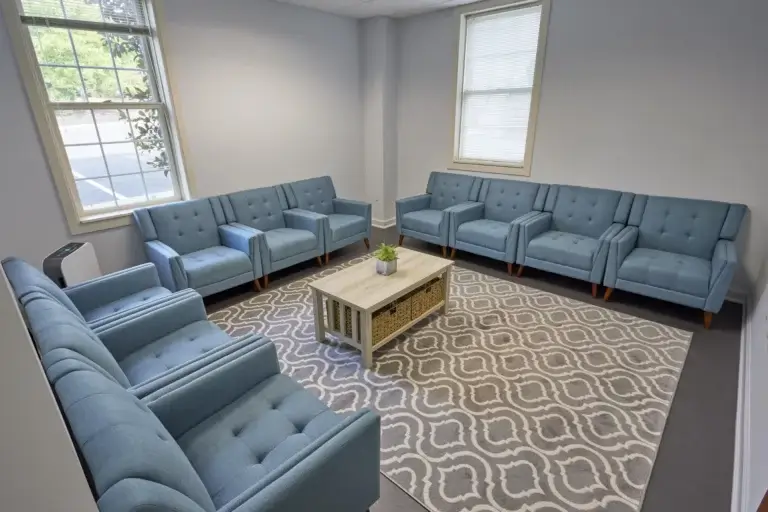
Luxury rehabs feature private or semi-private rooms, chef-prepared nutrition-focused meals, yoga, fitness centers, and access to outdoor desert spaces. The atmosphere is home-like and calming—think courtyards, natural light, and comfortable common areas rather than institutional sterility.

Partial Hospitalization (PHP) & Intensive Outpatient (IOP)
PHP serves as a step-down from residential care, offering full treatment days (5-6 hours, 5 days weekly) while clients live at home or in sober housing. It’s displayed while the website verifies your insurance that PHP often bridges the gap between inpatient and independent life.
IOP provides fewer hours—typically mornings or evenings, 3-5 days weekly—suitable for clients returning to work, school, or caregiving. Both programs integrate group therapy, individual sessions, psychiatric care, and relapse prevention.
Many Las Vegas providers run PHP/IOP from outpatient centers near major roads like I-215 or I-15 for accessibility. Virtual or hybrid options are increasingly available for Nevada residents who cannot attend daily.
Standard Outpatient, Sober Living & Alumni Support
Standard outpatient involves 1-2 therapy sessions weekly plus medication management, serving as ongoing lower-level care. Sober living homes provide drug-free housing with curfews, regular testing, and peer accountability—often coordinated with local rehabs.
Alumni programs deliver ongoing support: monthly gatherings, check-in calls, and community events maintaining the recovery journey. Local resources include 12-step meetings valley-wide, SMART Recovery groups, and faith-based options throughout NV.
Specialized Addiction Treatment Services in Las Vegas
Many Las Vegas rehabs address complex realities beyond surface-level substance use through specialty programs for alcohol, drugs, dual diagnosis, trauma, and specific populations like veterans.
Alcohol Use Disorder Programs
Alcohol-focused tracks include medically supervised detox managing seizure and delirium tremens risks. Evidence-based treatments—CBT targeting triggers, motivational interviewing, and MAT options like naltrexone or acamprosate—support the healing process.
Programs address real-world challenges: casino bars, 24/7 nightlife culture, and social pressure. Education covers alcohol’s impact on liver, heart, and brain health. Many people achieve long term recovery with structured support.
Drug & Substance Use Disorder Treatment
Las Vegas rehabs treat opioids (heroin, fentanyl), prescription painkillers, methamphetamine, cocaine, benzodiazepines, and polysubstance use. Treatment plans are customized based on substances, duration of use, mental health status, and prior history.
Integrated approaches combine MAT for opioid use disorder, trauma-focused therapy, and skills-based relapse prevention. Contingency management works well for stimulant use; DBT helps with emotion regulation. Programs screen for overdose risk, provide naloxone education, and assist families with safety plans.
Dual Diagnosis & Trauma-Informed Care
Dual diagnosis means treating both a substance use disorder and mental health condition—depression, anxiety, bipolar disorder, or PTSD—simultaneously. Several Las Vegas centers specialize in this integrated approach rather than addressing conditions separately.
Trauma-informed care employs EMDR, somatic therapies, and specialized group work. Licensed clinicians (LCSWs, LMFTs, LCPCs, psychiatrists) collaborate on treatment and medication management. The healing process benefits from this holistic focus, reducing relapse and improving functioning after discharge.
Programs for Veterans, Military & First Responders
Las Vegas, near Nellis AFB with a large veteran population, offers dedicated tracks for veterans, active-duty members, and first responders. These programs address PTSD, moral injury, chronic pain, and co-occurring substance use in small, peer-based groups.
Staff understand military and responder culture, coordinating with VA or Tricare when applicable. Evidence-based trauma treatments—EMDR, prolonged exposure, cognitive processing therapy—combine with addiction recovery care. Healing alongside others who understand frontline stress reduces shame and increases engagement.
Holistic, Wellness & Alternative Therapies
Many Las Vegas rehabs complement traditional therapy with holistic services targeting physical, emotional, social, spiritual, and other wellness dimensions.
Common offerings:
- Yoga and mindfulness meditation
- Nutrition counseling and fitness training
- Art and music therapy
- Guided outdoor activities in the desert
- Massage and acupuncture (luxury centers)
These aren’t stand-alone extras—they’re integrated into treatment to regulate the nervous system, improve sleep, stabilize mood, and teach healthy coping.

What to Expect at a Las Vegas Rehab Center
From first phone call to early treatment days, most Las Vegas rehabs follow predictable structures helping clients feel safe. Verification successful confirmations happen quickly, and the respond ray id system ensures secure communication.
Admissions, Assessment & First 24 Hours
Admissions teams conduct initial assessments, gather medical and substance use history, and verify insurance benefits—often same-day. Upon arrival, staff greet you, handle security verification procedures, complete paperwork, and provide facility orientation.
Standard screenings include physical exam, mental health assessment, withdrawal scales, and lab work. You’ll meet your primary therapist and case manager within 24 hours. Families can speak with staff (with client consent) about communication and visitation.
Daily Schedule, Therapy & Amenities
A typical residential day includes morning check-in, therapy groups (6-10 participants), individual sessions, nutritious meals from on-site kitchens, holistic sessions, evening reflection, and recreation. This page is displayed as your program unfolds.
Group types include process groups, skills training, psychoeducation, and relapse prevention. Weekend activities might include supervised hikes in nearby desert areas. Consistent routines and boundaries—no substances, supervised passes—create stability with round-the-clock support.
Family Involvement & Education
Many centers offer family therapy, multi-family groups, and educational workshops covering addiction, enabling, boundaries, and communication. Virtual sessions serve out-of-state relatives.
Topics address navigating early recovery at home, setting realistic expectations, and supporting without controlling. The goal: preparing everyone for life after intensive treatment.
Choosing the Right Rehab in Las Vegas
Las Vegas has numerous options, so focus on accreditation, clinical quality, fit with your needs, and practical factors. Protect against malicious bots by working directly with verified facility websites and admissions lines.
Licensing, Accreditation & Clinical Quality
Reputable centers hold Nevada state licensing plus accreditations like The Joint Commission or CARF. Verify that clinicians—psychiatrists, LCSWs, LCADCs—hold current licenses. Look for evidence-based protocols over vague promises, and ask about emergency procedures and outcome tracking.
Insurance, Cost & Payment Options
Admissions staff run benefits checks quickly, providing out-of-pocket estimates before admission. Payment options include self-pay packages and financing. Ask whether lab work, medications, and aftercare are included or billed separately. The security service to protect your information ensures confidential financial discussions.
Location, Setting & Level of Privacy
Settings range from neighborhood homes to remote desert properties. Consider commute needs for outpatient versus trigger-distance benefits for residential. Privacy features include discreet entrances and confidential records. Tour facilities virtually or in-person before deciding.
Life After Rehab: Continuing Recovery in Las Vegas
Completing treatment begins—not ends—addiction recovery. Strong aftercare planning is standard, including referrals, alumni support, and ongoing therapy.
Aftercare pillars:
- Outpatient therapy continuation
- Support groups (12-step, SMART Recovery)
- Sober housing if needed
- Wellness routines (exercise, nutrition, sleep)
Aftercare Planning & Alumni Programs
Discharge planning starts early, identifying housing, outpatient providers, and support groups. Alumni networks offer ongoing groups, social events, and relapse response plans for quick re-engagement if struggles arise.
Building a Sober Life in Las Vegas
Living sober amid 24/7 entertainment is challenging but possible. Choose sober-friendly spaces, explore Red Rock Canyon, engage fitness groups, and limit casino time. Focus on early bedtimes, regular routines, and supportive peer circles.
A balanced weekly routine might include work, two meetings, one therapy session, three workouts, and family time. New traditions and friendships emerge in recovery.
Frequently Asked Questions About Rehabs in Las Vegas
Prospective clients and families often have similar questions. Here are quick answers:
How long does rehab in Las Vegas usually last? Residential typically runs 30-90 days; IOP programs average 6-12 weeks.
Is detox required before treatment? For alcohol, opioids, or benzodiazepines with severe dependence, medically supervised detox is usually necessary.
How can family participate? Through weekly therapy sessions, educational workshops, and virtual options for out-of-state relatives.
What should I bring to residential rehab? Comfortable clothing, basic toiletries, and any approved medications. Facilities provide lists; no contraband allowed.
How is confidentiality protected? HIPAA regulations govern all records and communications. Your information remains private.
Contact a Las Vegas rehab admissions team directly for personalized answers—confidential, no obligation.