



Legacy’s Luxury Rehabs Offer Compassionate Care, Trusted Support — Wherever You Are
If you’re searching for addiction treatment in Alabama, you may already feel the weight of urgency. Things might be escalating. Or maybe you’ve been quietly carrying this for years — unsure when or how to ask for help.
Taking the first step to start your recovery journey is often the hardest, but it’s also the most important. The journey of overcoming addiction is a significant struggle, and having the right support can make all the difference in achieving sobriety and a better life.
Whether this is for you or someone you love, we want you to hear this clearly:
You are not alone. And there is a way forward.
At Legacy Healing Center, we help individuals and families from across Alabama access high-quality, evidence-based addiction treatment — delivered with compassion, dignity, and deep respect for your story. Addiction affects not only the individual but also everyone who loves them. We encourage you to find the right treatment or support that fits your needs, and our team is here to help guide you every step of the way.
While Legacy does not currently operate a physical treatment center inside Alabama, many Alabama residents choose Legacy for our clinical excellence, full continuum of care, and hands-on support from the very first phone call. We make treatment accessible — even when it means traveling — because lasting recovery is worth it. Completing a recovery program can be a life-changing experience, providing a profound positive impact and a new perspective on healing and personal growth.
Choosing a rehab center in Alabama can feel overwhelming, especially for those just starting their recovery journey. We understand how important it is to find the right support as you begin this process.
Substance Use in Alabama: A Growing Public Health Concern
Addiction affects individuals and families across Alabama — in Birmingham and Huntsville, in Mobile and Montgomery, and throughout rural counties where resources can be especially limited. Substance abuse has a profound impact on individuals and families in Alabama, leading to emotional, financial, and social challenges that ripple through entire communities. The impact stretches beyond the person using substances: schools, workplaces, first responders, and loved ones all feel the ripple effects. In communities where support systems are already stretched thin, the need for accessible, compassionate treatment has never been clearer.
Recent public health data show how serious this challenge has become:
- Opioid prescribing rates in Alabama have long been among the highest in the nation. At the height of the crisis, Alabama had one of the highest per-person opioid prescription rates in the U.S., far above the national average, contributing to elevated risk for misuse and dependence.
- The crisis has shifted from prescription opioids to illicit and synthetic opioids like fentanyl. State reporting describes a marked shift over time from prescription painkillers to heroin and now to fentanyl-tainted street drugs, a trend associated with rising overdose risk and deaths.
- Overdose death rates in Alabama remain a major concern. In recent years, Alabama’s overdose death rate reached levels well above the national average of drug overdose deaths, reflecting the severity of the epidemic within the state.
- Fentanyl is now a primary driver of opioid fatalities. Between 2018 and 2022, fentanyl-involved overdose deaths in Alabama rose dramatically —from the low hundreds to several times that number — as illicit fentanyl became more widespread.
- Prescription opioids are still dispensed at high rates. Even as prescribing has declined over the past decade, Alabama’s opioid dispensing rate remains near the top nationally, indicating continued widespread exposure to these medications in communities. Alabama Department of Mental Health
Many people are also grappling with the emotional fallout of the pandemic — including post-pandemic trauma, untreated depression, anxiety, job insecurity, and isolation — all of which can elevate the risk of substance misuse and complicate recovery. While specific, statewide data on methamphetamine use trends in Alabama are limited in publicly accessible reports, regional treatment admissions and law enforcement indicators show that methamphetamine remains widely encountered in both urban and rural areas.
Most Alabama rehab centers provide treatment for co-occurring mental health disorders in addition to substance use disorders. Compounding the challenge, most of the 155 treatment centers in Alabama are located in Jefferson, Mobile, and Madison counties, leaving the rural parts of Alabama lacking full-spectrum behavioral health services and integrated dual diagnosis care — meaning individuals with co-occurring mental health conditions may have to travel long distances to access comprehensive treatment and support.
Alabama has taken steps to save lives in this landscape, including laws that expand access to naloxone (a life-saving opioid overdose reversal medication) and provide Good Samaritan protections for people seeking emergency help during an overdose. Under Alabama law, individuals acting in good faith can receive immunity from certain charges when they seek medical assistance for an overdose, and standing orders allow wider community access to naloxone without a prescription. Alabama has numerous treatment centers that offer detox services for individuals struggling with addiction.
Behind every number is a real story — someone who is struggling, a family feeling helpless, a community trying to find answers. If you’re feeling scared or overwhelmed right now, that fear makes sense. Addiction today is more unpredictable and more dangerous than ever before. Getting help sooner rather than later can truly save a life.
Self-Assessment: Is It Time to Seek Help?
You’re not alone if you’re wondering whether it’s time to reach out for help. We know this decision feels huge — and if you’re in Alabama, you might be feeling overwhelmed by addiction’s impact on your life or someone you love. Here’s the truth: recognizing you need support isn’t just brave, it’s the most important step you’ll ever take toward healing.
Let’s start simple. A self-assessment can be your first gentle step forward. Think of it as a quiet conversation with yourself — a chance to honestly reflect on what you’re experiencing and how addiction might be affecting you and the people you care about. As you do this, consider whether you are experiencing any symptoms of withdrawal or mental health issues, as recognizing these symptoms is an important part of understanding your situation. We’re not talking about a formal diagnosis here. Instead, it’s a way to help you see your situation more clearly and connect you with exactly the right support and care you need.
Why Traveling Outside Alabama Can Support Lasting Recovery
For many people, choosing addiction treatment outside Alabama isn’t about giving up on local options — it’s about giving recovery the best possible chance to succeed.
A change in environment can be deeply therapeutic. When you step away from familiar stressors, routines, and expectations, it becomes easier to focus fully on healing — without constant reminders of past patterns or pressures.
Out-of-state treatment can offer meaningful advantages, including:
- Healthy distance from triggers
Physical space from places, relationships, or daily routines tied to substance use can reduce cravings and allow new habits to take root. - Freedom from stigma or fear of being recognized
In smaller communities, privacy concerns can be a real barrier to seeking help. Traveling for care offers discretion and peace of mind. - Enhanced confidentiality and comfort
Professionals, veterans, caregivers, and public-facing individuals often value the added privacy and structure that out-of-state programs provide. - Access to specialized, comprehensive care
Many out-of-state programs offer advanced trauma therapy, integrated dual diagnosis treatment, and boutique settings designed for deeper, more personalized healing.
At Legacy Healing Center, our compassionate, experienced staff understands that traveling for treatment can feel daunting at first. That’s why we focus on creating a welcoming, supportive environment from your very first conversation — one where you feel safe, respected, and understood.
While many rehab centers in Alabama require an assessment before care begins, Legacy’s intake process goes further. We take the time to understand your history, your mental health needs, your family dynamics, and your goals — so your treatment plan reflects you, not just a diagnosis.
Research consistently shows that individuals who engage fully in treatment — particularly when removed from high-risk environments — experience stronger long-term recovery outcomes. But beyond the data, many people describe something even simpler:
Sometimes, being somewhere new gives you the space to breathe, reset, and truly begin again.
And for many, that change of place becomes the turning point toward lasting recovery.
Closest High-End Option for Alabama Residents: Legacy Healing Center Cincinnati
For many individuals and families in Alabama, Legacy Healing Center Cincinnati offers the ideal balance of convenience, privacy, and high-quality outpatient care.
Located just about a six-hour drive from Birmingham, Huntsville, and much of northern Alabama, our Cincinnati location makes it possible to access exceptional treatment without traveling across the country — while still providing the healthy distance that can support meaningful change.
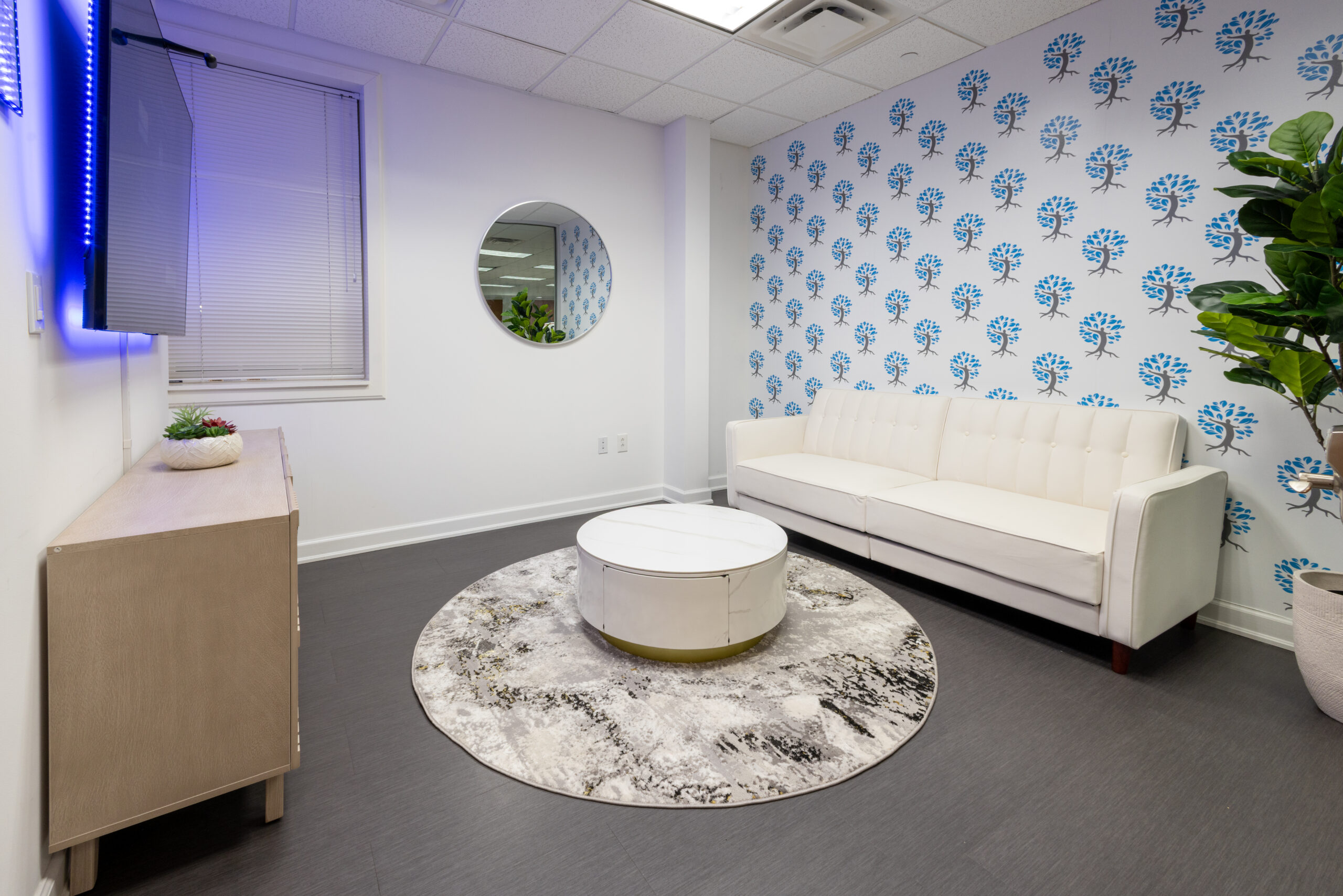
The setting itself is calm, welcoming, and intentionally boutique. It’s designed to feel safe and supportive, not overwhelming — a place where you can focus on your recovery without distractions.
Levels of Care Available in Cincinnati
Legacy Healing Center Cincinnati offers a full outpatient continuum, including:
Partial Hospitalization Program (PHP)
Structured, day-long treatment with strong clinical and therapeutic support
Intensive Outpatient Program (IOP)
A flexible yet focused level of care that balances treatment with daily responsibilities
Outpatient Program (OP)
Ongoing clinical support as you build independence and stability
Aftercare & Alumni Support
Continued connection, accountability, and community beyond formal treatment
Who Cincinnati Is Best Suited For
Our Cincinnati location is an excellent option for individuals who are:
- Stepping down from medical detox or residential inpatient treatment
- Transitioning from higher levels of care into a more independent phase of recovery
- Looking for structured support while reintegrating into work, family life, or daily routines
From your first call, our admissions and care teams work closely with you to make the process feel manageable. We coordinate intake, scheduling, and local housing options, so you’re never left trying to piece things together on your own.
If you’re coming from Alabama, we’ll help you understand exactly what to expect — and walk with you through every step toward care that fits your needs and your life.
Full-Service Detox & Inpatient Treatment at Legacy Locations Nationwide
If you or someone you love needs medical detox or residential inpatient treatment, Legacy Healing Center offers a complete continuum of care at our trusted locations across the country. We help you move quickly, safely, and confidently into the level of care that best supports lasting recovery.
Legacy Inpatient & Detox Locations
Fort Lauderdale, Florida
Medical detox and residential rehab in a supportive, healing environment — easily accessible via short flights from Birmingham or Mobile.
Los Angeles, California
Comprehensive inpatient treatment with advanced trauma therapy and integrated dual diagnosis care.
Cherry Hill, New Jersey
Inpatient services serving the Northeast corridor with the same clinical excellence and compassionate support Legacy is known for.
No matter which location you choose, the experience is guided by the same commitment: respectful care, evidence-based treatment, and individualized support from experienced clinicians.
We Handle the Logistics — So You Can Focus on Healing
Traveling for treatment can feel overwhelming, especially in a crisis. That’s why Legacy coordinates every detail for you, including:
- Flight arrangements
- Airport pickup
- Admission timing
- Clinical placement across detox, residential, and outpatient levels of care
All Legacy Healing Center locations offer 24-hour, same-day admission for detox or residential treatment when clinically appropriate — because waiting can cost lives.
If Immediate Travel Isn’t Possible
If traveling right away isn’t feasible, we can help identify trusted partner detox facilities within Alabama to stabilize you or your loved one safely. From there, we coordinate a seamless transition to Legacy for continued care through PHP, IOP, outpatient treatment, and aftercare.
You never have to navigate these decisions alone. From the first call forward, we stay with you — making sure every step feels supported, clear, and focused on recovery.
Specialized Treatment Tracks for Families, Women & Couples
Addiction doesn’t happen in isolation — and neither does healing. Substance use affects entire families and relationships, often creating patterns of silence, confusion, and hurt long before treatment begins. At Legacy Healing Center, we believe that meaningful recovery is strongest when the people who matter most are supported, educated, and included whenever appropriate. Including family members in therapy and recovery processes is essential to foster a supportive environment and improve long-term outcomes.
That’s why we offer specialized treatment tracks designed to address the unique needs of individuals, families, and couples navigating addiction together.
Family Healing
Addiction can disrupt communication, blur boundaries, and leave families feeling exhausted or unsure how to help. Our Family Healing track focuses on restoring connection while protecting each person’s emotional well-being.
Families are encouraged to participate in therapy and education designed to:
- Repair communication breakdowns and reduce conflict
- Identify and address codependency or enabling patterns
- Rebuild trust through guided support, understanding, and shared tools for healing
When families heal alongside their loved one, recovery becomes more sustainable for everyone involved.
Women’s Program
Many women carry layers of trauma, responsibility, and self-doubt that complicate addiction and recovery. Our Women’s Program offers a safe, empowering, and trauma-sensitive environment where healing can happen at your own pace.
This track provides:
- Compassionate, trauma-informed care tailored to women’s experiences
- Support for self-worth, identity, and life transitions — including parenting challenges
- A judgment-free space where vulnerability is met with understanding, not pressure
Here, women are supported not just in recovery, but in reconnecting with their strength and sense of self.
Couples Rehab
When both partners are impacted by addiction, recovery can feel overwhelming — especially when trust and communication have been strained. Our Couples Rehab track supports partners who are committed to healing together while also honoring individual needs.
Couples work includes:
- Joint therapy alongside individualized treatment plans
- Boundary-setting, communication repair, and accountability work
- Tools for rebuilding trust and creating a healthier shared future
Recovery is possible as a partnership — when guided with structure, honesty, and care.
Therapies That Transform Lives
At Legacy Healing Center, treatment is never one-size-fits-all — because your story, your history, and your needs are uniquely your own.
Every person who comes to Legacy receives a personalized, adaptive care plan grounded in evidence-based practices and informed by ongoing outcomes research. Your treatment evolves as you do, ensuring that care remains aligned with your progress, challenges, and goals at every stage of recovery.
Evidence-Based Clinical Therapies
Our therapeutic approach integrates industry-leading modalities that address both the behaviors of addiction and the deeper emotional patterns beneath them, including:
- Cognitive Behavioral Therapy (CBT) to help identify and change unhelpful thought patterns
- Dialectical Behavior Therapy (DBT) to build emotional regulation, distress tolerance, and interpersonal skills
- EMDR and trauma-focused therapies to process unresolved trauma safely and effectively
- Motivational Interviewing (MI) to strengthen internal motivation and readiness for change
- Integrated psychiatric care woven throughout treatment to support mental health and stability
These therapies are delivered by experienced clinicians who understand how addiction, trauma, and mental health intersect — and how to treat them together.
Whole-Person Healing & Holistic Wellness
We believe recovery is about more than symptom management. True healing involves reconnecting with your body, restoring emotional balance, and rediscovering meaning and purpose.
That’s why Legacy incorporates holistic wellness practices into each individualized recovery plan. These complementary therapies support the nervous system, build resilience, and help create a more sustainable foundation for long-term recovery. Depending on your needs and level of care, holistic offerings may include:
- Yoga and mindful movement to support physical healing and emotional grounding
- Breathwork and nervous system regulation to reduce stress and improve emotional regulation
- Creative and expressive therapies that offer new ways to process feelings and experiences
- Nutrition, recreation, and vocational support, helping clients rebuild healthy routines and confidence in daily life
Recovery isn’t just about stopping substances.
It’s about learning how to live well again — with clarity, connection, and a renewed sense of possibility.
Mental Health & Dual Diagnosis Support
Many people living with addiction are also carrying untreated mental health conditions — sometimes quietly, sometimes for years. Anxiety, depression, trauma, and mood disorders often exist alongside substance use, each reinforcing the other in ways that make recovery feel even more overwhelming.
That’s why integrated dual diagnosis care is essential. Across Alabama and the country, the majority of treatment programs now recognize that substance use and mental health must be addressed together — not separately — to support lasting recovery.
At Legacy Healing Center, we provide fully integrated dual diagnosis treatment for individuals experiencing co-occurring conditions such as:
- PTSD and complex trauma
- Depression and anxiety disorders
- Bipolar disorder
- Obsessive-compulsive disorder (OCD) and related conditions
Mental health care is not an add-on at Legacy — it is woven into every phase of treatment. From the very beginning, clients receive:
- Comprehensive psychiatric evaluation
- Thoughtful medication management when appropriate
- Trauma-informed therapy that supports emotional safety and healing
- Ongoing coordination between clinical, psychiatric, and therapeutic teams
This integrated approach continues seamlessly from detox through residential care and into outpatient treatment, ensuring consistency, stability, and support as recovery progresses.
You don’t have to choose between treating your mental health and treating your addiction.
We treat both — together — because real healing addresses the whole person.
Lifelong Recovery & Alabama-Based Support After Treatment
Recovery doesn’t end when treatment does — and at Legacy Healing Center, neither does our commitment to you.
Completing a structured treatment plan at Alabama addiction treatment centers is a crucial step, as it allows you to progress to ongoing support and aftercare services that are essential for sustained recovery. Lasting recovery is built over time, with continued connection, accountability, and support long after formal treatment ends. That’s why we prioritize long-term success, helping you transition from structured care into everyday life with confidence and clarity.
Ongoing Support Beyond Treatment
Legacy supports your recovery journey through:
- Personalized relapse prevention planning tailored to your triggers, strengths, and goals
- Alumni mentoring and peer connection, fostering a strong, supportive recovery community
- Ongoing clinical check-ins to help you stay grounded and supported during transitions
- Virtual alumni groups, allowing clients returning to Alabama — including Birmingham, Montgomery, Mobile, Tuscaloosa, and surrounding communities — to stay connected no matter where they live
For many people, the relationships formed during treatment become a lasting source of encouragement and accountability. These bonds often extend well beyond the program, creating a sense of belonging that continues to support recovery for years to come.
Support Close to Home in Alabama
As you return to daily life in Alabama, we help ensure you’re not navigating recovery alone. Our team assists with referrals to trusted, local resources, including:
- Licensed therapists and mental health providers
- Community-based and peer-led support groups
- Sober living homes throughout Alabama
Wherever your life takes you after treatment, you’ll leave Legacy with a plan, a support system, and people who genuinely care about your continued well-being.
You’re not starting over — you’re moving forward, supported every step of the way.
Insurance, Affordability & Financial Transparency
The cost of addiction treatment in Alabama can vary widely depending on the level of care, length of stay, and types of services provided. In general, residential inpatient care costs more than outpatient treatment, while many programs offer flexible payment options to help make care more accessible.
If finances are one of your biggest concerns, you’re not alone — and help may be more attainable than you expect.
Worrying about cost should never stop someone from getting help. At Legacy Healing Center, our goal is to remove confusion and stress around finances so you can focus on what matters most: healing.
Insurance & Payment Support at Legacy
We make the financial process as simple and transparent as possible:
- We accept most private insurance plans
- Fast, free insurance verification — often completed the same day
- Clear explanations of coverage and costs before you make any decisions
Many people are surprised by how much their insurance covers. We’ll walk through every option with you — patiently and honestly — so there are no unexpected surprises.
Important to Know
- Legacy Healing Center does not accept Medicaid or Medicare
If you’re seeking public or low-cost treatment options within Alabama, there are resources available. Many treatment centers across the state offer low-cost, free, or sliding-scale programs based on income and financial need.
We’re happy to help point you in the right direction, including:
- FindTreatment.gov, a national directory of addiction and mental health services
- Alabama Department of Mental Health (ADMH) resources and referral options
Private Pay & Financing Options
For those without insurance coverage or seeking additional flexibility, private pay and financing options may be available upon request. Our admissions team will explain these options calmly and clearly, answering your questions without pressure.
No matter your financial situation, you deserve to understand your options — and to be treated with dignity and respect while you explore them.
If you’re unsure where to start, we’re here to help you take that first step with clarity and confidence.
Getting Started from Alabama
Taking the first step doesn’t mean committing to everything at once. It simply means deciding not to carry this alone anymore — and allowing someone to help you find your way forward.
When you call Legacy Healing Center, you’ll speak with a compassionate admissions professional who listens first and guides second. There’s no pressure, no judgment — just a calm conversation focused on understanding what you’re facing and what support would be most helpful right now.
How We Support You From the First Call
We’ll walk through the process together and help you:
- Understand the level of care that best fits your needs
- Verify insurance and explain coverage clearly
- Coordinate travel and intake if care outside Alabama is recommended
- Plan for detox, inpatient, outpatient, or aftercare services
- Complete a structured treatment program and transition smoothly into aftercare
- Move forward at a pace that feels manageable and safe
For many people, detoxification is the first step in recovery — especially when substances have been used regularly or heavily. From there, ongoing drug or alcohol treatment helps build the skills, stability, and support needed for long-term recovery. We’ll help you understand each step and what makes the most sense for your situation.
If you’re unsure where to begin, that’s okay. We’ll help you find the right resources and guide you toward the support that fits your needs — even if Legacy isn’t the right next step.
Don’t wait. Healing is possible — and we’ll help you get there.
📞 Call Legacy Healing Center today
📩 Or submit a confidential form to speak with an Admissions Ally
Your journey.
Your recovery.
Your new beginning.
We’re ready when you are.