


-
 By:
Valerie Puffenberger, PMHNP-BC
By:
Valerie Puffenberger, PMHNP-BC
-
 Editor:
Phyllis Rodriguez, PMHNP-BC
Editor:
Phyllis Rodriguez, PMHNP-BC
-
 Clinical Reviewer:
Dr. Ash Bhatt, MD, MRO
Clinical Reviewer:
Dr. Ash Bhatt, MD, MRO
Answering the Big Question Up Front: Can You Really Be Happy and Sober During the Holidays?
Yes, you absolutely can be happy and sober during the holidays. This might sound impossible if you’re facing your first Thanksgiving dinner without wine or dreading New Year’s Eve without champagne, but sobriety and happiness are not opposites—especially during Thanksgiving, Christmas, New Year’s, and other culturally alcohol-centered holidays.
Many people in early recovery fear that December gatherings, office parties, and family traditions will be joyless without alcohol. Research and lived experience show the opposite over time. A person with 90 days sober facing their first New Year’s Eve might feel anxious and uncertain, wondering how they’ll celebrate without drinking. Fast forward to someone with 5 years sober, and they often describe looking forward to peaceful, early mornings on January 1st—waking up clear-headed, energized, and grateful.
Recent research from 2024 reveals that “happiness with recovery” is one of the strongest predictors of sustained abstinence and treatment completion. This finding validates what many people in recovery discover: happiness is not only possible in sobriety but actually protective against relapse. The key difference is that holiday happiness in sobriety often looks quieter and more grounded—rooted in emotional safety, clarity, and self esteem rather than loud parties and hangover stories.
“Sobriety and happiness are not opposites—they’re partners in creating a more authentic, sustainable way of living.”

How Alcohol-Centered Holidays Distort Our Idea of Happiness
Western cultures, especially in the U.S., Canada, and the U.K., have deeply ingrained the idea that holiday joy requires heavy drinking. Think about the scenes that dominate our cultural imagination: champagne countdowns on December 31st, spiked eggnog at Christmas dinners, “SantaCon” bar crawls through city centers, and Black Friday “boozy brunch” traditions that stretch into the afternoon.
These images aren’t accidents—they’re carefully cultivated by decades of marketing and social conditioning. Alcohol companies spend millions linking their products to connection, relaxation, and celebration during the holiday season. Wine commercials show families laughing around dinner tables, beer ads feature friends toasting at parties, and liquor brands position themselves as essential ingredients for memorable celebrations.
The reality behind these glossy images tells a different story. Those champagne countdowns often end in arguments or regrettable decisions. The spiked eggnog can lead to family conflicts that last well into January. The holiday parties fueled by alcohol frequently result in missed mornings with children, relationship tensions, and a January filled with anxiety and regret.
What these marketing messages hide are the real consequences: increased emergency room visits during holiday weeks, higher rates of domestic violence incidents, and the millions of people who start each new year with shame, hangovers, and promises to “do better next time.” The illusion that alcohol creates connection actually often destroys it, replacing authentic presence with chemically induced temporary highs that mask underlying discontent.
For people with substance use disorder, repeated holiday drinking seasons create a particularly challenging cycle. The brain’s reward system becomes so accustomed to these alcohol-fueled celebrations that sober joy can initially feel flat or inadequate during December and January—not because sobriety lacks happiness, but because the brain needs time to recalibrate.
Redefining Happiness in Early Sobriety (Especially in the First Holiday Season)
The first sober holiday season often feels awkward, lonely, or less exciting than previous years. If this describes your experience, it doesn’t mean sobriety “isn’t working”—it means your brain and emotions are adjusting to a new way of experiencing joy and connection.
Happiness in early recovery shifts from chasing highs to seeking emotional safety, predictability, and self-respect. Instead of measuring success by how late you stayed at a party or how much fun you appeared to have, sober happiness might look like waking up clear-headed on January 1st, remembering every conversation you had with your grandmother on Christmas Day, or feeling proud that you left a triggering situation without guilt or compromise.
Many people describe a grief process during their first sober holidays—mourning “the old way of celebrating” while simultaneously feeling relief. You might experience FOMO watching Instagram stories from late-night parties, but also notice the quiet satisfaction of avoiding hangovers, fights, or shame. Both feelings can coexist.
This first holiday season works best when approached as an experiment in new definitions of joy. Peaceful mornings become more appealing than chaotic nights. Board games with family replace bar hopping. Volunteering at a soup kitchen on Christmas morning creates deeper fulfillment than nursing a hangover. Early walks on December 26th offer clarity that sleeping until noon never provided.
Expectations management becomes crucial during this transition. Happiness in the first sober holiday may be subtle—small moments of contentment rather than constant euphoria. A successful day might mean feeling grateful for one conversation, enjoying one meal fully present, or simply going to bed without regret. These quieter victories build the foundation for deeper, more sustainable happiness in future years.
The recovery journey often involves discovering that authentic happiness was always available—it was simply masked by the chaos and numbness of active addiction. Early sobriety during the holidays reveals this truth slowly, one clear moment at a time.

What Research Says: Happiness With Recovery Supports Sobriety
Recent findings from addiction treatment research reveal a fascinating discovery: feeling genuinely happy with your recovery process is one of the strongest predictors of staying sober. A 2024 study published in positive psychology research followed 78 adults through residential and intensive outpatient treatment programs in the Midwestern United States during 2020-2021, tracking their progress with various substances including alcohol, opioids, and stimulants.
The researchers measured “happiness with recovery” using a single item measure where participants rated their response to “In general, I am happy with my recovery” on a 0-10 scale. The study’s baseline assessment showed that each one-point increase on this happiness scale was associated with dramatically higher odds of staying abstinent—an 80% increase in likelihood—and a 50% increase in treatment retention rates.
What makes this finding particularly striking is that other positive psychology factors didn’t show the same predictive power. General life satisfaction, positive affect, and overall well being lost their significance when researchers controlled for other variables like previous treatment episodes or confidence staying sober. This suggests something unique about recovery-specific happiness that supports long term sobriety.
The participant’s treatment record showed that individuals who reported higher happiness with their recovery were more likely to achieve successful treatment completion, even after adjusting for factors like urges to use substances, days sober, or legal issues. This association remained strong throughout the study period, indicating that cultivating happiness with the recovery process—not just happiness in general—creates a protective buffer against relapse.
Translating this into a holiday context means that feeling genuinely glad to be sober in December, even if life isn’t perfect, can act as a powerful defense against pressure to drink at parties or family gatherings. The research suggests that recovery outcomes improve when people can honestly say they’re happy with their choice to pursue sobriety, regardless of external circumstances or social expectations.
This finding offers hope for anyone struggling with self doubt about their recovery during emotionally charged seasons. Building happiness with your recovery process—celebrating small wins, acknowledging progress, and appreciating the benefits you’re gaining—isn’t just feel-good advice. It’s a research-backed strategy for supporting long term recovery and reducing relapse risk during challenging times like the holidays.
The Real-Life Benefits of Sobriety That Support Holiday Happiness
The concrete benefits of sobriety create a foundation that makes holiday happiness not just possible, but more sustainable than alcohol-fueled celebrations. These improvements touch every aspect of life, from physical health to relationships, and become especially apparent during the demanding weeks of late November through early January.
Better sleep and increased energy make the busy holiday season more manageable. After just a few weeks without alcohol, many people report sleeping more deeply and waking more refreshed. This translates directly to holiday benefits: more energy for long days of cooking, shopping, or playing with children on Christmas morning. Instead of forcing enthusiasm through a hangover, you can genuinely enjoy these experiences with natural energy and focus.
Improved immune function means fewer missed celebrations due to illness. Alcohol suppresses immune response, making people more susceptible to colds and flu during the winter months. In sobriety, your body can better fight off the viruses that typically circulate during November through February. This means attending gatherings you actually want to be at, rather than missing them while sick or struggling through them while feeling terrible.
Stronger relationships emerge as one of sobriety’s most rewarding benefits during family-intensive holidays. Being emotionally available and fully present creates space for meaningful conversations that simply weren’t possible during years of chaotic celebrations. Trust begins rebuilding with partners, children, and extended family members who remember previous holidays marked by arguments, embarrassing behavior, or emotional absence. Many people describe their first few sober Christmases as awkward but note that by year three or four, family dynamics have fundamentally improved.
Financial stability opens new possibilities for holiday generosity and experiences. Money not spent on alcohol can redirect toward gifts, travel, shared experiences, or charitable giving during November and December. This shift often increases satisfaction and sense of purpose during the holiday season. Many people discover that spending money on creating memories—like a family ski trip or tickets to holiday performances—brings deeper fulfillment than spending equivalent amounts on alcohol throughout the year.
Increased confidence and self-respect create a positive feedback loop during social events. Successfully navigating a holiday party sober, having meaningful conversations, and leaving when you’re ready (rather than when you’re too intoxicated to drive safely) builds self-trust and self esteem. Each positive experience reinforces your ability to enjoy celebrations without compromise, reducing anxiety about future gatherings and increasing anticipation for upcoming holidays.
These benefits compound over time, creating what many people describe as a fundamentally different relationship with the holiday season. Instead of approaching December with anxiety about managing drinking, hiding consumption, or recovering from excess, the holidays become associated with presence, connection, and authentic joy.

Building New Sober Traditions for Joyful Holidays
Lasting holiday happiness in sobriety often comes from intentionally building new traditions instead of trying to force old, alcohol-heavy ones to feel the same. Creating new rituals gives you something to look forward to and helps establish positive associations with the holiday season in recovery.
Annual winter hikes on December 26th can replace the traditional “recovery day” spent nursing hangovers. Many families discover that spending time outdoors together—whether walking through snow-covered neighborhoods, exploring local parks, or taking day trips to scenic areas—creates deeper connection than sitting around feeling unwell. The physical activity and fresh air provide natural mood elevation while creating opportunities for conversation and shared experiences.
Themed movie nights throughout December can become anticipated weekly events. Whether it’s classic holiday films, foreign cinema, or family favorites, dedicating specific evenings to screen time together builds routine and shared enjoyment. Adding homemade snacks, cozy blankets, and rotating who chooses the film creates investment from all family members while keeping costs low and expectations manageable.
Game tournaments and cookie-baking days tap into competitive fun and creative expression. Establishing annual Monopoly championships, card game tournaments, or puzzle competitions creates excitement that builds throughout November. Similarly, dedicating specific days to baking traditional family recipes or trying new ones together provides hands-on activity, delicious results, and opportunities for teaching skills between generations.
Ornament-making sessions and neighborhood light-walks offer creative and community-focused alternatives to bar-centered activities. Crafting decorations together—whether from natural materials, recycled items, or purchased supplies—creates lasting mementos while spending time together. Walking through neighborhoods to see holiday displays provides gentle exercise, fresh air, and shared appreciation for community creativity and spirit.
Connection-focused activities strengthen relationships with other people in recovery and supportive friends. Hosting sober brunches on New Year’s Day, organizing potluck dinners with others prioritizing healthy lifestyles, or arranging virtual gatherings for those separated by distance creates community without centering alcohol. These events often become more meaningful than traditional parties because they focus explicitly on connection and conversation rather than consumption.
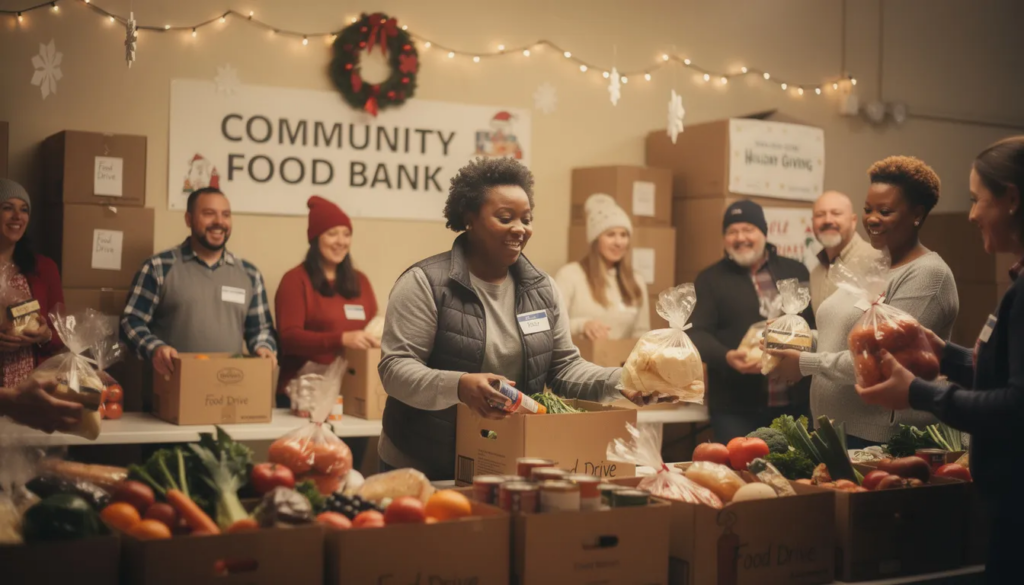
Service-oriented traditions like volunteering at food banks in late November, organizing toy drives in early December, or delivering meals on Christmas morning tap into gratitude and purpose that spark deeper joy than self-focused celebrations. Many people report that service work during the holidays provides perspective on their own challenges while creating genuine satisfaction and connection with their communities.
The key to successful new traditions lies in marking calendar dates and making them predictable. Establishing that “every December 24th at 10 a.m. we make breakfast together” or “every New Year’s Day we volunteer for three hours” creates anticipation and routine that becomes comforting anchors year after year.
Practical Strategies to Protect Your Sobriety and Happiness During the Holidays
Holiday stress, travel, and family dynamics can increase relapse risk, but planning ahead supports both maintaining sobriety and genuine enjoyment. The goal isn’t to avoid all challenging situations but to navigate them successfully while protecting your recovery and well being.
Bringing your own non-alcoholic drinks to parties eliminates the awkward “what are you drinking?” conversations while ensuring you have appealing options. Stock up on sparkling water, specialty sodas, or fancy coffee drinks that feel festive without requiring explanation. Many people find that having their hands occupied with a beverage reduces social anxiety and provides a familiar ritual during unfamiliar situations.
Arranging independent transportation allows you to leave early if situations become triggering or uncomfortable. Whether that means driving yourself, arranging ride services, or coordinating with sober friends, having an exit strategy reduces anxiety and increases confidence about attending events. Plan to arrive later and leave earlier than you might have in the past—most people won’t notice, and those who do often appreciate your commitment to taking care of yourself.
Exit plans should include rehearsed phrases for leaving uncomfortable situations gracefully. Practice saying “I have an early morning,” “I promised to check in with my sponsor,” or “I’m feeling tired” until they feel natural. Having backup plans for alternative activities—like meeting a friend for coffee, attending a recovery meeting, or watching a movie at home—prevents the disappointment that can lead to poor decisions.
Daily routines that protect mood become especially important during the busy weeks of late November through early January. Maintaining regular sleep schedules, even when social calendars are packed, supports emotional regulation and decision-making. Basic exercise like 20-minute walks provides stress relief and mood elevation that counteracts holiday pressures. Nourishing meals help stabilize blood sugar and energy levels when surrounded by rich foods and irregular eating patterns.
Brief mindfulness practices during busy holiday weeks don’t require long meditation sessions. Five minutes of deep breathing before entering parties, quick body scans in the car after family meals, or ten quiet minutes alone in the morning can provide emotional reset and clarity throughout demanding days.
Setting boundaries around events known to be unsafe requires honest assessment and commitment to your recovery. Skipping a historically heavy-drinking New Year’s Eve party in favor of a smaller, safer gathering or online recovery meeting might feel disappointing initially but supports long term happiness and sobriety. Future research consistently shows that people who protect their recovery during early vulnerable periods report higher satisfaction and lower relapse rates over time.
Planning at least one “sober joy” activity per holiday week creates positive associations with the season while providing something to anticipate. Whether it’s attending concerts, going ice skating, decorating sessions, or trying new restaurants, scheduling activities you genuinely enjoy helps balance obligations with pleasure and reinforces that a sober lifestyle can include diverse, fulfilling experiences.

Using Gratitude and Mindfulness to Find Joy in a Quieter Holiday Season
Gratitude and mindfulness practices improve mood and lower stress in recovery, especially during emotionally charged seasons like late November and December. These tools help retrain the brain to notice positive experiences while building emotional resilience for long term recovery.
Simple daily gratitude rituals fit easily into busy holiday schedules while providing significant mental health benefits. Writing three specific things you’re grateful for each night—focusing on concrete details rather than general statements—helps shift attention from what’s missing to what’s present. Saying thanks before meals, whether silently or aloud, creates mindful pauses that increase appreciation for nourishment and company. Focusing on one small, sober win from each day—like leaving a party early, enjoying a clear-headed morning, or having an honest conversation—reinforces recovery progress and builds confidence.
These practices connect directly to brain healing after substance use. Regular gratitude exercises help rebuild natural reward pathways that were dulled by years of alcohol abuse or other substances. The brain learns to notice and appreciate small positive experiences, gradually reducing the need for external highs to feel satisfied or content. Spending time in reflection helps strengthen neural pathways associated with positive emotions and reduces reliance on substances for mood regulation.
Basic mindfulness tools for holiday scenarios provide immediate stress relief without requiring extensive training or time commitments. Pausing for 5 deep breaths before entering parties helps center yourself and set intentions for the experience. Doing a body scan in the car after family gatherings—noticing physical sensations, tension, or relaxation—provides information about your emotional state and helps process complex interactions. Spending 10 quiet minutes alone after holiday meals allows you to transition between social energy and personal space without feeling overwhelmed.
Mindful, sober moments that might not have been possible before recovery often become treasured memories. Watching children open presents at 7 a.m. without a hangover allows full presence and genuine joy in their excitement. Walking in cold winter air while fully aware of temperature, scents, and sounds creates rich sensory experiences that substance use previously dulled. Having conversations with elderly relatives while completely present enables deeper connection and appreciation for family relationships that might have been taken for granted during active addiction.
Practicing present-moment awareness during holiday activities—whether cooking, decorating, or spending time with loved ones—increases satisfaction and reduces the tendency to wish things were different. Noticing textures, temperatures, colors, and sounds while engaged in holiday traditions creates richer experiences and stronger positive memories than going through motions while mentally elsewhere.
The past week approach to mindfulness involves reviewing recent experiences for moments of genuine happiness, connection, or peace. This reflection helps identify what activities and interactions truly support well being versus what you think “should” make you happy based on cultural expectations or previous experiences with substances.
When Sobriety Feels Hard: Honoring Mixed Emotions Without Giving Up
The holidays can intensify sadness, grief, loneliness, or anger—even in sobriety—and happiness in recovery doesn’t mean feeling good all the time. Acknowledging this reality helps prevent the discouragement that comes from expecting constant joy during what are inherently complex, emotionally charged seasons.
Sobriety allows full emotional experience instead of numbing, which can be particularly painful when facing family conflict, losses, or memories linked to past substance use during Christmas, Hanukkah, New Year’s, or other observances. The first few sober holidays often bring up grief for relationships damaged during active addiction, regret about missed celebrations with loved ones who have since died, or anxiety about how to navigate family dynamics without substances as emotional buffers.
Naming feelings and talking about them with safe people—sponsors, therapists, trusted friends, or support group members—prevents isolation and shame that can lead to relapse. Mental health disorders often co-occur with substance use disorder, and the holiday season can exacerbate symptoms of depression, anxiety, or trauma responses. Professional support during November and December isn’t a sign of weakness but a practical strategy for protecting both mental health and recovery.
Practical coping steps for difficult holiday emotions include scheduling extra recovery meetings in December, planning telehealth therapy sessions during busy weeks, or joining online recovery communities during quieter evenings when loneliness feels most acute. Many treatment programs and mutual aid organizations offer special holiday programming specifically designed to support people through challenging seasons.
Current legal issues, relationship conflicts, or financial stress don’t disappear because it’s the holiday season, and trying to force gratitude or happiness when experiencing genuine hardship often backfires. Instead, acknowledging that this year might be particularly difficult while still taking care of your recovery creates space for both struggle and hope to coexist.
Mixed emotions don’t mean recovery is failing—they often signal growth, healing, and a more honest relationship with yourself. The ability to feel sadness without immediately reaching for substances represents significant progress, even when it’s uncomfortable. Learning to tolerate difficult feelings without making them worse through substance use builds emotional resilience that supports long term sobriety and well being.
Personal growth in recovery often involves accepting that happiness isn’t constant or perfect, especially during seasons that carry heavy emotional weight. Building tolerance for discomfort while maintaining hope and commitment to sobriety creates a foundation for sustainable recovery that can weather difficult holidays and other challenging life experiences.

Looking Beyond This Season: How Sober Holidays Build Long-Term Happiness
Each sober holiday season—starting with your first—becomes part of a longer story of healing, connection, and self-respect. The holidays you’re navigating right now, whether challenging or surprisingly enjoyable, contribute to a growing foundation of trust with yourself and others that strengthens over time.
Repeated sober Decembers and New Year’s Eves create a track record of reliability and presence that transforms relationships with family and friends. People who once worried about your behavior during celebrations begin to relax and enjoy your company. Children start associating holidays with your full attention and emotional availability rather than unpredictability or absence. Partners and spouses rediscover the joy of shared experiences without worrying about managing your consumption or dealing with aftermath.
Over several years, people in long term recovery often describe deeper, more stable happiness during holiday seasons. Fewer crises mean more energy for enjoyment and connection. More meaningful traditions replace chaotic celebrations. Improved health allows full participation in activities that were previously difficult or impossible. Clearer memories of time with family and friends create lasting satisfaction that extends well beyond the holiday season itself.
The confidence that comes from successfully navigating multiple sober holiday seasons builds momentum for continued recovery and happiness. Each year that you attend parties without drinking, enjoy family dinners without conflict, and start new years clear-headed and hopeful reinforces your ability to find joy and meaning in a sober lifestyle. This growing confidence makes future holidays feel more manageable and appealing rather than threatening to your recovery.
See this year not as an isolated test to pass or fail, but as the beginning or continuation of a new pattern that can transform future holidays. Whether this is your first sober Thanksgiving or your tenth, each experience contributes valuable information about what works for you, what doesn’t, and what adjustments might improve next year’s experience.
Happiness in sobriety may be imperfect and evolving, but it’s real, sustainable, and ultimately more aligned with long term wellbeing than past alcohol-centered celebrations. The holidays don’t have to undermine your recovery—they can become proof that a fulfilling, sober life is possible. Each year builds on the last, creating a foundation of lasting happiness that no temporary high could ever match.