



-
 By:
Valerie Puffenberger, PMHNP-BC
By:
Valerie Puffenberger, PMHNP-BC
-
 Editor:
Phyllis Rodriguez, PMHNP-BC
Editor:
Phyllis Rodriguez, PMHNP-BC
-
 Clinical Reviewer:
Dr. Ash Bhatt, MD, MRO
Clinical Reviewer:
Dr. Ash Bhatt, MD, MRO
Quick Answer: Best Sober Holiday Date Ideas
The holidays don’t have to mean compromising your sobriety for romance. These concrete, holiday-specific sober dating ideas help you create meaningful connections while protecting your recovery during the emotionally intense holiday period.
- Walk through your city’s holiday lights festival – Evening strolls through decorated neighborhoods or downtown districts, perfect for natural conversation
- DIY hot cocoa and cookie decorating night – Cozy at-home date with seasonal flavors and creative activities
- New Year’s sunrise hike – Start January 1st with a grounding outdoor adventure and clear intentions
- Holiday farmers market exploration – Browse seasonal crafts, foods, and live music in a family-friendly atmosphere
- Ice skating followed by warm café time – Active winter fun with a built-in transition to intimate conversation
- Volunteer at a local charity’s gift-wrapping station – Share values while giving back to your community
- Museum’s special holiday exhibition – Cultural exploration with festive themes and built-in talking points
- Escape room with winter/holiday themes – Team building activity that creates natural bonding through shared challenges
- Cooking class featuring traditional holiday dishes – Learn together while exploring family traditions and favorite foods
- Comedy show at an alcohol-free venue – Shared laughter without the pressure of bar environments
All these ideas naturally avoid alcohol-centered venues while supporting deeper conversations and protecting long term sobriety. Holiday romance can feel magical and meaningful without compromising your recovery journey.
Why Sober Dating Feels Different During the Holidays
November through January amplifies drinking culture everywhere you turn. Office parties feature open bars, “holiday cocktails” appear on every menu, and champagne toasts become social expectations at family gatherings and New Year’s events. The cultural script tells us that celebration requires alcohol, making this season particularly challenging for anyone in recovery.

People in early recovery often feel extra vulnerable during this period. Family stress intensifies, financial pressure mounts, and seasonal loneliness can collide with dating nerves to create perfect storm conditions. Many cities host “12 bars of Christmas” crawls, boozy holiday markets, and New Year’s Eve events where heavy drinking is the main attraction. For someone protecting their sobriety, these environments present unnecessary risks.
However, dating while sober during the holidays isn’t about restriction—it’s about protecting your mental health and recovery stability while building genuine connections. When you remove alcohol from the equation, you’re forced to connect authentically rather than relying on liquid courage or party atmospheres to carry conversations.
The rest of this article focuses on intentional, experience-based connection instead of alcohol-based socializing. This approach not only protects your sobriety but often creates deeper, more memorable dates than traditional bar-hopping or boozy celebrations.
Foundations of Healthy Sober Holiday Dating
Dating during the holidays while protecting recovery requires honest self-assessment and clear priorities. The combination of seasonal stress, family dynamics, and romantic pressure can quickly overwhelm someone who hasn’t established solid recovery foundations. Your meetings, therapy sessions, and self-care routines must remain non-negotiable, even when holiday romance feels exciting.
Many recovery programs suggest waiting at least one year before dating seriously, and the holidays can test this wisdom. If you’re in early recovery, consider whether you’re genuinely ready to handle both seasonal triggers and relationship dynamics simultaneously. There’s no shame in waiting until you feel more stable.
For those ready to date, establish specific non-negotiables for the season. Examples might include “no office party dates,” “leave all events by 10 p.m.,” or “never skip December meetings for romantic plans.” Write these down and communicate them clearly to potential partners.
The holidays can intensify what researchers call “love drug” chemicals—dopamine and oxytoxin flood your system during new romantic connections. In recovery, your brain’s reward system may be particularly sensitive to these natural highs. Going slowly helps maintain perspective and prevents using relationships as substitute highs.
Plan dates around your existing recovery process rather than the other way around. If you attend meetings on Tuesday evenings, don’t schedule Tuesday night dates. This approach reinforces that recovery remains your foundation, and a supportive partner will respect these boundaries without question.
Communicating Your Sobriety and Holiday Boundaries
Clear, early communication about sobriety reduces awkwardness and protects your recovery when dating during the alcohol-heavy holiday season. Many people appreciate honesty upfront rather than discovering your boundaries at an inappropriate moment, like when someone orders champagne for a toast.
Consider mentioning your sober lifestyle in dating profiles with phrases like “sober since 2022” or “alcohol-free, love cozy winter nights in.” This transparency attracts people aligned with your values while filtering out those who prioritize party culture.
When planning a first date during the holidays, bring up your preferences via text: “I don’t drink, so I’d love to do something cozy like hot chocolate and lights instead of a bar. How does that sound?” Most reasonable people will respond positively and suggest alternatives.
Be explicit about holiday-specific boundaries before attending events together:
- No champagne toasts or holiday cocktails
- Leaving early if environments become uncomfortable
- Avoiding bar-heavy celebrations like New Year’s Eve parties
- Having your own transportation to maintain control
A supportive partner won’t push for “just one drink” during Christmas dinner or pressure you to attend events that feel unsafe. Pay attention to how people react when you communicate these boundaries—their response tells you everything about long-term compatibility.
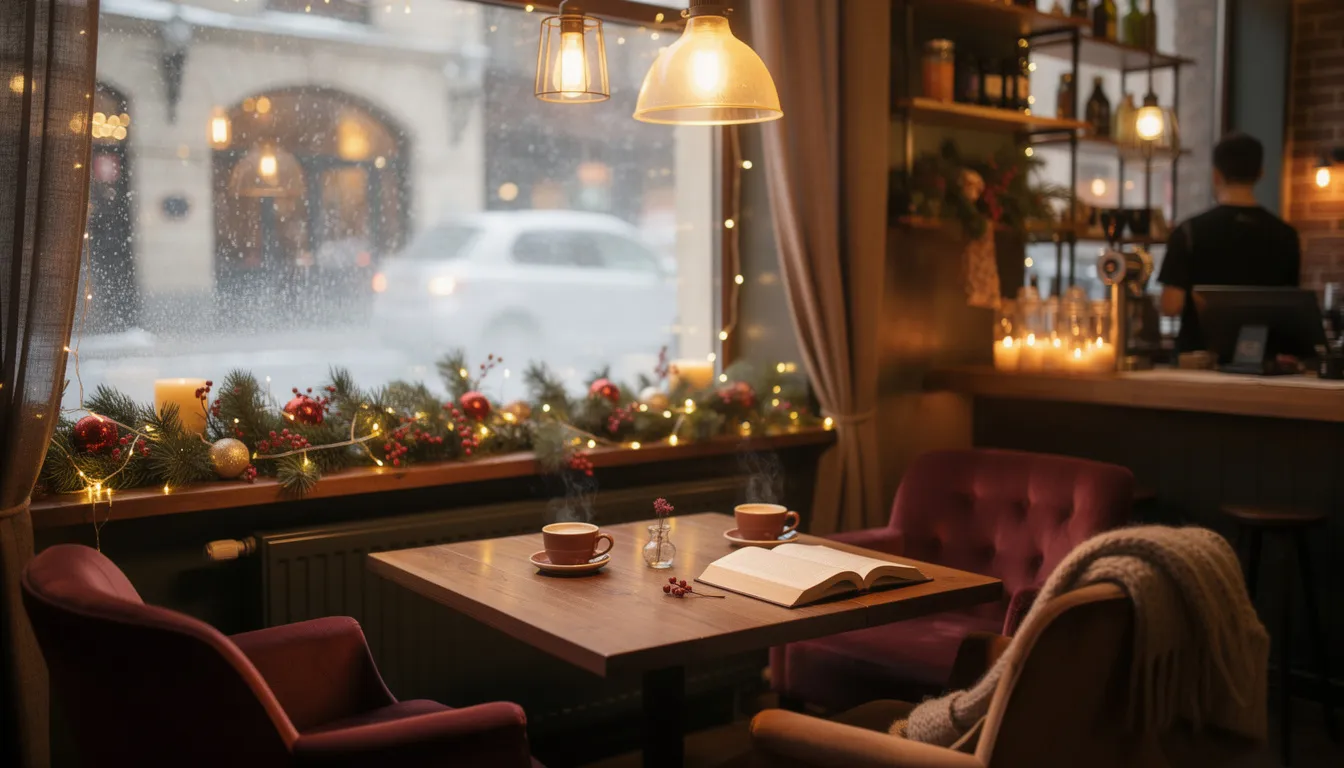
Sober First Date Ideas With a Festive Twist
First date nerves combined with holiday busyness can tempt you toward familiar bar settings, but alcohol-free alternatives often create more meaningful connections. These festive options provide natural conversation starters while keeping you in environments that support your sobriety.
Holiday market walks with hot cider – Most cities host seasonal markets featuring crafts, food vendors, and live music. Browse together while sipping non-alcoholic warm drinks and people watch among families and couples enjoying the atmosphere.
Late-afternoon strolls through downtown light displays – Evening walks through decorated business districts or residential neighborhoods encourage natural conversation while providing beautiful backdrops for connection.
Small museum December exhibitions – Many cultural institutions host special holiday-themed shows or winter art installations. Museums naturally spark discussions about interests and perspectives.
Ice skating followed by warm café time – City rinks offer playful activity that breaks the ice (literally), and the transition to a nearby coffee shop creates perfect opportunity for deeper conversation.
Farmers market holiday shopping – Weekend morning markets often feature seasonal produce, holiday treats, and local crafts. Shopping together reveals personal tastes and values while maintaining a relaxed, public atmosphere.
For first dates, prioritize daytime or early evening timing to avoid rowdier nighttime holiday crowds. Weekend mornings and early afternoons tend to attract families and low-key couples rather than party-focused groups.
Plan “soft end times” by agreeing to 90-minute initial meetings. This keeps early dates light and prevents emotional overwhelm while leaving room to extend naturally if you’re both enjoying the experience.
Cozy At-Home Sober Date Ideas for Winter Nights
Winter weather and holiday traffic make staying in appealing, especially when you’re avoiding bars and party scenes. At-home dates during the holidays can feel romantic and intimate without involving alcohol, but require careful planning to maintain appropriate boundaries for your recovery stage.
Baking holiday cookies from family recipes – Share traditions while creating something delicious together. The sensory experience of mixing, decorating, and tasting provides natural conversation about childhood memories and family backgrounds.
DIY holiday mocktail creation – Research non alcoholic drinks recipes and experiment with seasonal flavors like cranberry, cinnamon, or peppermint. This gives you both the ritual of crafting special drinks without compromising sobriety.
Classic holiday movie marathons – Create cozy atmospheres with blankets, candles, and seasonal snacks while watching films like “It’s a Wonderful Life” or “Love Actually.” The shared experience provides built-in discussion topics.
Gingerbread house competitions – Turn construction into playful rivalry with store-bought kits or homemade dough. The focused activity reduces pressure for constant conversation while encouraging teamwork and laughter.
Gift wrapping and holiday card creation – Combine practical preparation with creative expression by helping each other prepare for family celebrations.
Create romantic ambiance through sensory details: fairy lights, scented candles, soft music, and warm blankets transform ordinary spaces into intimate settings. However, consider safety and pacing if you’re in early recovery—keep first few dates in neutral spaces to avoid isolating too quickly if emotional boundaries aren’t yet solid.
Encourage phone-free evenings to emphasize presence and authentic connection over digital distractions. This creates space for quality time and deeper conversations that alcohol often masks in traditional dating scenarios.

Outdoor Winter Sober Dates That Feel Magical
Cold-weather outdoor dates can feel cinematic and memorable without involving alcohol, especially when you embrace the season’s natural beauty and festive atmosphere. Winter activities often provide built-in romance through shared warmth, beautiful scenery, and the cozy feeling of experiencing weather together.
Sunset walks through decorated neighborhoods – Many residential areas go all-out with holiday decorations. Walking together as lights begin twinkling creates magical atmosphere while encouraging natural conversation about family traditions, childhood memories, and aesthetic preferences.
Free city light shows and installations – Most urban areas host special winter exhibitions featuring projected lights, sculpture displays, or botanical garden illuminations. These events provide stunning backdrops for connection without alcohol-centered crowds.
Easy winter hikes followed by thermos tea – Choose beginner-friendly trails and bring warm beverages to share at scenic viewpoints. The moderate physical activity reduces anxiety while creating opportunities for meaningful conversation during rest stops.
January 1st sunrise walks – Start the new year together by watching dawn break over your city or natural area. This creates shared symbolism about fresh beginnings and provides grounding alternative to hangover recovery.
Winter date ideas work in both cold climates (snowy park exploration, ice sculpture viewing) and milder regions (evening beach strolls with blankets, outdoor holiday concerts). The key is embracing seasonal elements rather than fighting them.
Plan around specific local events like tree lighting ceremonies, charity runs, or holiday parades rather than defaulting to bar-centric festivities. Many cities publish December event calendars featuring family-friendly celebrations that naturally minimize alcohol focus.
Include practical elements: dress warmly in layers, bring hand warmers, pack non alcoholic drinks in insulated containers, and have backup indoor plans if weather becomes uncomfortable. Preparation shows thoughtfulness while ensuring comfort throughout your time together.

Holiday-Themed Creative and Cultural Sober Dates
Shared learning and creativity provide powerful, low-risk ways to connect during the holiday season. Creative activities naturally reduce performance pressure while revealing personality, problem-solving styles, and aesthetic preferences in ways that bar conversations rarely achieve.
December pottery or ornament-painting workshops – Many studios offer holiday-themed classes where you create decorative pieces together. The focused activity provides structure while encouraging collaboration and conversation about artistic preferences.
Seasonal art installations and light displays – Winter months often bring special exhibitions to galleries, museums, and public spaces. Viewing art together creates natural discussion prompts about interpretation, emotions, and creative expression.
Holiday choir concerts and community theater – Attend performances of seasonal classics like “A Christmas Carol” or “The Nutcracker” where alcohol isn’t central to the experience. Live performances create shared emotional experiences that deepen connection.
Craft markets and artisan fairs – Browse handmade gifts and seasonal decorations while supporting local artists. Shopping together reveals values about supporting small businesses and personal taste in home decoration.
Cooking classes featuring traditional holiday dishes – Learn to prepare seasonal foods from different cultural backgrounds. This combines education with sensory experience while creating opportunities to discuss family traditions and favorite foods.
Book workshops and performances early in the season to avoid last-minute default plans that might center around bars or alcohol-heavy venues. December fills up quickly, and advance planning demonstrates intentionality about creating meaningful experiences together.
These environments naturally facilitate conversation through shared focus on external activities rather than intense eye contact or pressure to continuously entertain each other—particularly helpful for people who previously relied on alcohol to manage dating anxiety.
Service-Oriented Sober Dates: Giving Back Together
The holiday season highlights both gratitude and community need, making volunteer service a meaningful way to connect with dating partners while supporting your recovery values. Service-oriented dates shift focus from impressing each other to sharing compassion and values, creating foundation for long-term compatibility.
Food bank sorting and holiday meal preparation – Many organizations need extra help during December and January. Working together to sort donations, prepare meals, or serve community dinners reveals character while contributing to important causes.
Gift-wrapping stations for local charities – Volunteer to wrap presents for families in need during the weeks leading up to Christmas. The repetitive, creative task provides natural conversation opportunities while creating tangible impact.
Holiday toy drives and distribution events – Help collect, organize, and distribute gifts for children. These activities often attract families and community members rather than party-focused crowds.
Shelter volunteering on Christmas Eve or Christmas Day – Animal shelters and homeless service organizations particularly need support during holidays when regular volunteers visit family. Walking dogs or serving meals creates shared purpose.
Community cleanup and park maintenance – Many park systems organize winter cleanups or trail maintenance projects. Outdoor service combines physical activity with environmental stewardship.
Research logistics carefully: signup deadlines, background check requirements, and event duration. Choose organizations that focus on service rather than fundraising events that might feature alcohol as centerpieces.
Plan to debrief over coffee or tea afterward to process the experience together. Discussing what you observed, felt, and learned creates emotional intimacy while reinforcing shared values about community engagement and gratitude.
Service dates particularly benefit people in recovery because giving back reinforces recovery principles while creating positive identity associations beyond past substance use patterns.
Navigating Office Parties and Social Events as Sober Daters
Holiday social events present specific challenges for sober daters, especially when you’re invited as someone’s date to company parties, friends’ celebrations, or New Year’s Eve gatherings. These situations require advance planning and clear communication to protect your sobriety while maintaining relationships.
Office holiday parties with open bars – Decide beforehand whether you’ll attend, set specific time limits (like leaving by 9:30 p.m.), and arrange your own transportation to maintain control over departure timing. If attending, hold a non alcoholic drink consistently and identify sober allies among colleagues or other partners.
Friends’ annual cocktail parties or themed celebrations – Communicate your boundaries when invited and suggest alternatives like arriving early before heavy drinking begins, or hosting a pre-party dinner at an alcohol-free restaurant.
New Year’s Eve events with champagne toasts – These present particular challenges since alcohol is deeply embedded in cultural expectations. Consider attending alternative celebrations, planning early “fake midnight” countdowns, or creating entirely different traditions.
Develop code words or signals with your date for when you need to leave. Simple phrases like “I’m getting tired” or “Should we head out?” allow graceful exits without announcing sobriety concerns to entire groups.
Hold non alcoholic drinks prominently—sparkling water with lime, fancy sodas, or mocktails—to deflect questions and reduce offers of alcohol. Most people don’t monitor what others are drinking if you appear to have something festive.
Practice polite responses to drinking pressure: “I’m driving,” “I don’t feel like it tonight,” or simply “No thank you, I’m good.” A supportive date will never pressure you to explain further or justify your choices.
Remember that protecting your recovery is more important than fitting into any social situation. Partners who prioritize your safety over social appearances demonstrate the kind of support necessary for healthy long-term relationships.
Dating Apps, “Sober Curious” Culture, and Holiday Expectations
The rise of “sober curious” culture, especially among younger generations, has made alcohol-free dating more mainstream and socially acceptable. This trend shows up prominently during the holidays as more people question whether they need alcohol to enjoy seasonal celebrations.
Many dating platforms now include features supporting sober lifestyles. Apps like Bumble offer sober dating badges, while others include filters for drinking habits that help you find people aligned with alcohol-free preferences. These tools make it easier to connect with compatible matches before investing time in incompatible situations.
Craft dating profiles that highlight your sober lifestyle positively. Instead of focusing on what you don’t do, emphasize what you enjoy: “Ideal December date: hot cocoa, Christmas lights, and zero hangover tomorrow” or “Love exploring farmers markets and trying new coffee shops during the holidays.”
Set expectations in initial conversations before meeting. When someone suggests meeting for drinks, respond with enthusiasm for alternative activities: “I don’t drink, but I’d love to check out the holiday market downtown this weekend. Are you free Saturday afternoon?”
Use holiday-specific profile prompts to attract like-minded people. Share photos from sober activities like hiking, farmers markets, or cozy coffee dates rather than party scenes. This visual communication attracts people who appreciate similar lifestyles.
Not everyone you date needs to be completely sober, but partners should willingly participate in alcohol-free activities and avoid pressuring you to drink alcohol during holiday events. The “sober curious” movement has created more understanding among moderate drinkers about the benefits of alcohol-free socializing.
Holiday season provides natural opportunities to showcase your values through profile updates about volunteer work, family time, or seasonal activities that don’t involve alcohol. This authenticity attracts people who appreciate depth over party culture.

Emotional Safety, Pacing, and Loneliness During the Holidays
Late November through early January intensifies loneliness and can tempt you to rush intimacy to avoid difficult feelings. The combination of family stress, seasonal depression, and cultural pressure to be coupled creates emotional vulnerability that requires careful management in recovery.
Check in with yourself honestly before each date: “Am I dating to avoid feelings, or because I’m genuinely ready to connect?” If you’re using romance to escape seasonal depression, family conflict, or anniversary grief, consider focusing on other support systems first.
Go slower than feels tempting during this emotionally charged season:
- Limit dates to 2-3 times per week maximum
- Choose more group or daytime activities rather than intense one-on-one evenings
- Maintain time between dates for reflection, journaling, or conversations with sponsors/therapists
- Avoid overnight stays or extended holiday weekends together too early
Holiday loneliness is real and painful, but building sustainable coping strategies protects both your recovery and potential relationships. Have backup plans for difficult days that don’t involve your dating partner: attend extra meetings, call sober friends, engage in service work, or practice creative activities.
Recognize warning signs of emotional dependency: canceling recovery activities for dates, feeling panic when your person doesn’t respond to texts quickly, or experiencing mood swings based entirely on romantic interactions. These patterns indicate you may need to slow down and strengthen other support systems.
Quality time spent building authentic connection slowly increases chances of relationships surviving beyond the holiday season. Many holiday romances fizzle in January when normal routines resume and initial excitement fades. Relationships built on shared values, honest communication, and respect for boundaries have better long-term prospects.
Remember that being alone during holidays doesn’t reflect personal failure. Your recovery and emotional health matter more than meeting social expectations about seasonal romance. Building a solid foundation enables healthier relationships when genuine connections develop naturally.
New Year’s Eve Without Alcohol: Special Date Ideas
New Year’s Eve is often portrayed as the ultimate “drinking holiday,” with champagne toasts and bar crawls dominating cultural expectations. This can feel intimidating for sober daters, but alcohol-free celebrations often prove more memorable and meaningful than hazy party experiences.
Game night with festive mocktails – Create your own celebration with board games, card games, or video game tournaments. Craft special non alcoholic drinks with sparkling juice, herbs, and garnishes to maintain festive feeling without compromising sobriety.
Midnight nature walk to watch fireworks from distance – Many cities host public fireworks displays visible from parks or hillsides. Pack warm blankets and thermos beverages for outdoor countdown that avoids crowded bar scenes.
Early “fake midnight” celebration with sparkling cider – Celebrate at 10 p.m. or 11 p.m. with toast using alcohol-free alternatives. This creates ritual satisfaction while allowing earlier bedtimes and clearer mornings.
January 1st sunrise date instead of midnight parties – Skip late-night celebrations entirely and plan morning activities like hiking, farmers market visits, or cooking class together. Waking up refreshed creates better foundation for new year than recovery from hangovers.
Vision board creation and intention setting – Spend evening creating visual representations of goals for the coming year. This combines romantic planning with recovery-focused forward thinking.
Communicate your New Year’s plan clearly with dates well before December 31st. Many people make assumptions about NYE celebrations, so early discussion prevents last-minute pressure or disappointment.
Consider hosting or attending sober community events. Many recovery groups, community centers, and religious organizations sponsor alcohol-free countdown celebrations with music, dancing, and mocktails. These gatherings provide social atmosphere without triggering environments.
Create personal rituals that anchor your recovery goals: writing gratitude lists for the past year, setting intentions for continued sobriety, or planning service commitments for January. Sharing these practices with romantic partners deepens emotional intimacy while reinforcing your values.
Long-Term Relationships: Keeping Sober Romance Alive After the Holidays
Established couples in recovery also need intentional strategies for maintaining sober romance once holiday decorations come down and normal routines resume. The key lies in transforming favorite holiday sober date experiences into year-round traditions that strengthen both your relationship and recovery.
Turn seasonal dates into monthly traditions:
- Museum visits become first Saturday cultural explorations
- Holiday light walks evolve into neighborhood discovery adventures
- Volunteer experiences expand into quarterly service commitments together
- Cooking holiday meals together becomes weekly recipe experimentation
Set shared goals at the start of each year that align with both relationship building and recovery support. Examples might include training together for a spring 5K race, planning sober weekend getaways to explore new cities, or committing to monthly creative workshops that challenge you both.
Establish couple routines that reinforce sobriety while deepening connection:
- Morning walks before work instead of evening bar visits
- Weekly farmers market trips for cooking projects
- Regular game nights with other sober couples
- Monthly volunteer commitments that reflect shared values
Benefits of ongoing sober couple activities extend beyond avoiding alcohol: strengthened communication skills, reduced relapse Prevention risk through shared accountability, deeper emotional intimacy through authentic interactions, and modeling healthy relationships for friends and family.
Plan seasonal transitions consciously rather than defaulting to bar-based activities. When holiday festivities end, replace them with winter sport lessons, indoor rock climbing adventures, or cooking classes focused on different cultural cuisines.
The goal isn’t perfection but alignment—choosing activities and habits that support both romantic connection and long-term recovery stability. Couples who build their social lives around shared experiences rather than shared substances often report higher relationship satisfaction and lower stress levels.
Regular check-ins about individual recovery needs and relationship dynamics help maintain healthy balance. Schedule monthly conversations about what’s working, what feels challenging, and how to adjust activities to support both partners’ wellness.

Choosing Connection Without Compromise
Sober dating during the holidays is not only possible but often creates more authentic, memorable connections than traditional alcohol-centered dating. When you prioritize your sobriety, communicate clearly about boundaries, take emotional pacing seriously, and choose activities built around shared experiences, you create opportunities for genuine intimacy that extends far beyond seasonal festivities.
The challenges are real—holiday culture heavily promotes alcohol, emotional vulnerability increases during this season, and loneliness can tempt you to compromise your values. However, these same challenges become filters that help identify partners who truly respect your health, recovery, and long-term goals.
View your sobriety not as a limitation but as a powerful screening tool that attracts people aligned with authenticity, emotional depth, and sustainable lifestyle choices. Partners who enthusiastically participate in sober date activities and respect your recovery boundaries demonstrate the kind of character essential for healthy long-term relationships.
As you enter the new year, whether single or coupled, you can feel confident that prioritizing your recovery creates space for relationships grounded in honesty, presence, and genuine connection—foundations that serve love much better than any champagne toast ever could.