


-
 By:
Valerie Puffenberger, PMHNP-BC
By:
Valerie Puffenberger, PMHNP-BC
-
 Editor:
Phyllis Rodriguez, PMHNP-BC
Editor:
Phyllis Rodriguez, PMHNP-BC
-
 Clinical Reviewer:
Dr. Ash Bhatt, MD, MRO
Clinical Reviewer:
Dr. Ash Bhatt, MD, MRO
Answering the Big Question Fast: Can the Holidays Be Fun Sober?
The short answer is absolutely yes—and often more fun than you remember. If you’re facing your first alcohol free holiday season in 2024, or trying a “Dry December” or sober New Year’s, that anxious feeling in your stomach is completely normal. Many people worry that staying sober means sacrificing the magic, connection, and joy that make the holidays special.
Here’s what recovering people discover: sober activities during the holidays often create more meaningful memories, deeper connections with family members, and genuine celebration without the anxiety of hangovers, blackouts, or regrettable conversations. You’ll actually remember the funny stories your uncle tells, taste the delicious food your cousin spent hours preparing, and wake up January 1st feeling proud instead of ashamed.
The key isn’t white-knuckling through boring substitutes—it’s discovering that fun sober activities can be more engaging, creative, and fulfilling than anything you experienced while drinking alcohol. This article provides specific holiday-season ideas for November through January, plus practical tips for making them genuinely enjoyable instead of feeling forced or fake.
What you’ll discover:
- Outdoor winter activities that boost mental health and energy
- Cozy at-home ideas for long December evenings
- Community events that reduce isolation and build connection
- Volunteering opportunities that create meaning and purpose
- Creative projects that channel holiday spirit into tangible results
- Food and mocktail traditions that satisfy without triggering cravings
- Movement and mindfulness practices for emotional regulation
- Strategies for navigating alcohol-centric events safely
Why Sober Holiday Activities Matter (Especially in Early Recovery)
The holiday period from late November through early January creates a perfect storm of relapse triggers. Office parties flow with open bars, family gatherings amplify old tensions, travel disrupts healthy routines, and abundant free time can lead to dangerous boredom. For anyone in addiction recovery or exploring an alcohol free life, intentional planning becomes essential for staying sober.
Choosing structured sober activities provides concrete benefits beyond just avoiding temptation. You’ll experience better sleep without alcohol disrupting your rest cycles, save money that would typically disappear on drinks and bar tabs, and show up fully present for the people who matter most. Instead of wondering what you said or did the night before, you’ll remember meaningful conversations and genuine connections with friends and family members.
Traditional holiday celebrations often center around drinking alcohol—champagne toasts, spiked eggnog, wine with dinner, cocktails at parties. But these rituals can be systematically replaced with new traditions focused on presence, creativity, and authentic connection. A morning hike replaces the champagne brunch. Board game nights substitute for bar crawling. Volunteer work becomes more fulfilling than happy hour networking.
- High-risk days require concrete plans: Thanksgiving Eve, Christmas parties, and New Year’s Eve demand specific activities scheduled in advance
- Structure prevents dangerous downtime: Empty hours fuel rumination, cravings, and impulsive decisions
- Positive activities create new neural pathways: Your brain learns to associate holidays with health, connection, and accomplishment
- Community support reduces isolation: Shared sober experiences normalize alcohol-free celebration
Remember that if fun feels awkward initially, that’s completely normal. Many people report that sober fun feels “flat” for the first few months as their brain’s reward system recalibrates after stopping drinking. New associations with holiday joy take a couple of seasons to solidify, so be patient with the process and focus on consistency rather than instant euphoria.
Holiday Sober Activities Outside the House
Getting out of your home removes you from old drinking environments and prevents the boredom that can trigger cravings. Winter and holiday-specific activities provide natural structure while connecting you to seasonal joy without requiring alcohol to feel festive.
Winter Light and Holiday Displays Walking or driving tours of neighborhood holiday decorations offer simple, low-cost entertainment that captures seasonal magic. Pick one evening between December 10-23 when displays are at their peak, bring hot chocolate in a thermos, and create a new annual tradition. Many cities organize official light tours or publish maps of the best decorated streets.
Outdoor Winter Recreation
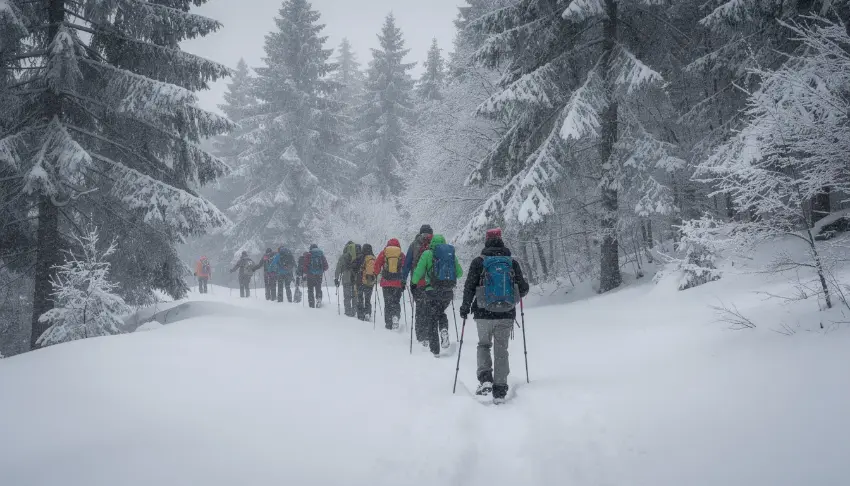
Day trips to nearby state parks provide fresh air, exercise, and natural stress relief—all crucial for mental health during potentially triggering seasons. Winter hiking, snowshoeing, or sledding gets your body moving and provides the natural high that comes from physical activity and nature exposure. These outdoor adventures work particularly well for family members who want to spend time together without alcohol-focused activities.
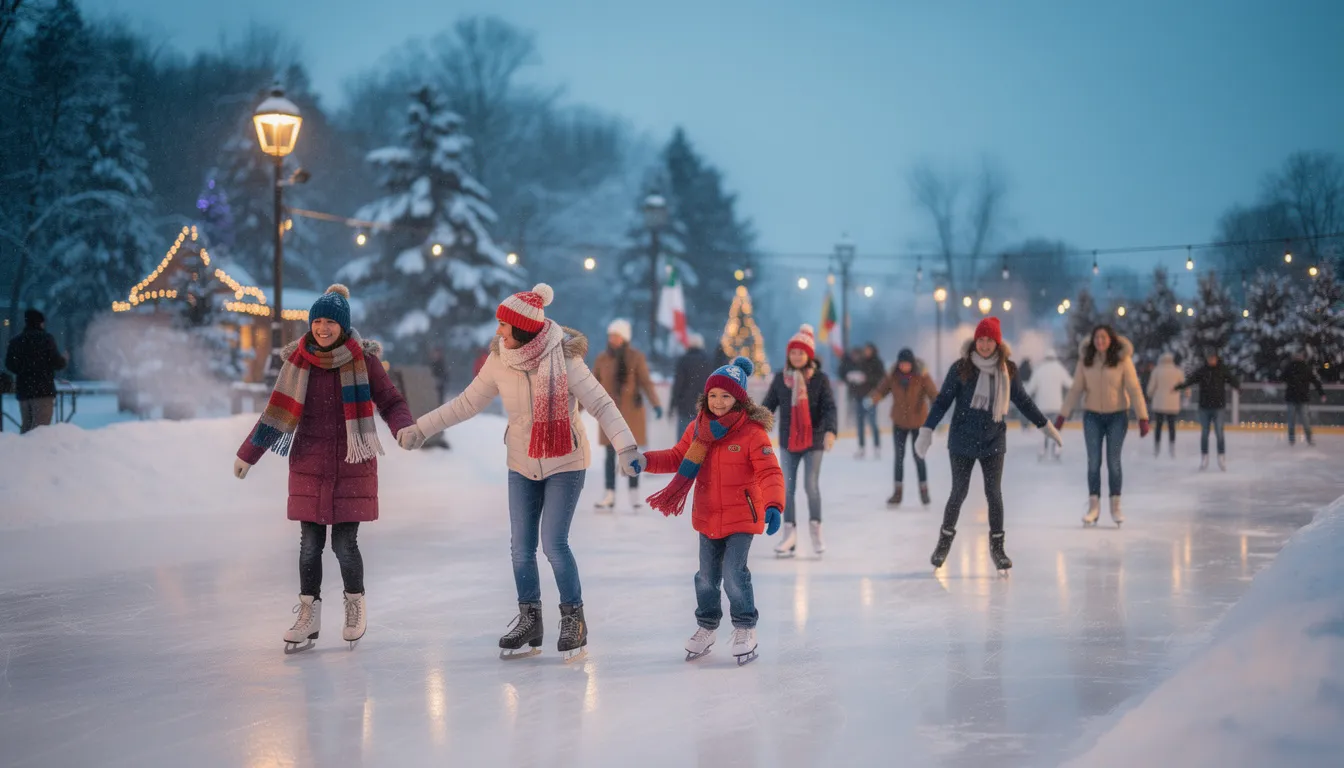
Ice Skating and Winter Sports Local rinks offer affordable fun that requires focus and balance—keeping your mind occupied while providing gentle exercise. Follow up with hot chocolate or coffee instead of the traditional post-activity drinks. Many rinks host special holiday sessions with seasonal music and decorations.
Holiday Markets and Craft Fairs Daytime holiday markets, farmers markets, and craft fairs provide social atmosphere, local art, and gift shopping opportunities. The key is arriving early and leaving before evening crowds when alcohol becomes more prevalent. Focus on the vendors, live music, and unique holiday foods rather than the bar areas.
Seasonal Runs and Walks Turkey Trots on Thanksgiving morning, Jingle Bell Runs in December, or New Year’s Day 5Ks reframe holidays around movement and accomplishment rather than consumption. These events often attract families and health-conscious people, creating naturally supportive environments for staying sober. Training for these events also provides positive focus during potentially difficult weeks.
Museums and Cultural Events Museums, historical sites, and cultural centers often host special December exhibits, candlelight tours, or holiday concerts. These venues typically maintain alcohol-free or low-alcohol environments while providing intellectual stimulation and cultural enrichment. Check your local museum websites for special programming between Thanksgiving and New Year’s.
Cozy At-Home Sober Activities for Winter Evenings
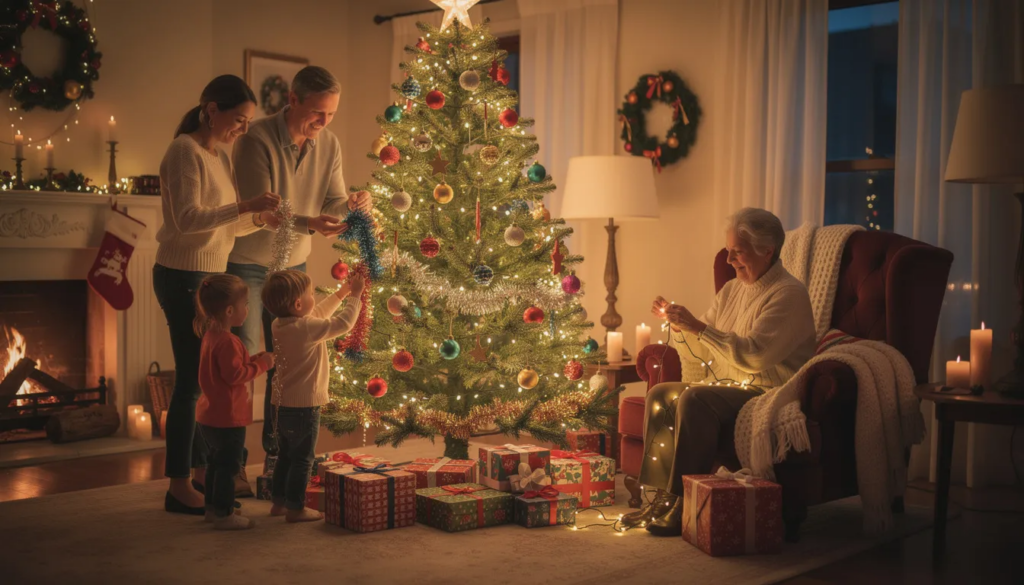
Winter evenings with their short daylight and cold temperatures can trigger what many in recovery call “prime drinking time.” Building intentional, cozy routines at home protects your sobriety while creating comfort and pleasure in alcohol-free ways.
Holiday Game and Puzzle Nights Host December board game nights with hot cider, seasonal snacks, and card games that engage multiple people. Choose games that require strategy and conversation—this keeps minds occupied and creates genuine fun through interaction rather than intoxication. Consider starting a holiday tradition where the same group gathers weekly through the season.
Seasonal Movie Marathons
Plan a holiday movie marathon with one film every Saturday night from Thanksgiving through New Year’s. Create a cozy viewing setup with blankets, pillows, and special snacks. This provides structure for potentially lonely evenings while building anticipation for each week’s selection.
Long-Term Projects Start a 1,000-piece winter puzzle or complex LEGO set that spans the entire holiday season. These projects provide satisfying progress markers and give you something productive to do with your hands during evening hours when cravings might strike. The focus required creates a meditative state that naturally reduces anxiety.
Home Improvement and Organization
Use holiday time off for small home improvement projects or decluttering that makes your space feel fresh for the new year. Reorganizing closets, repainting a room, or setting up a dedicated creative space channels energy productively while symbolizing the fresh start that sobriety represents.
Comfort Corner Creation Design a specific area of your home for relaxation and self-care. Include soft blankets, warm lighting, your favorite non-alcoholic drinks, and books or journals. Having a designated comfort space makes it easier to redirect evening urges toward nurturing activities rather than destructive ones.
Environmental design powerfully influences behavior—when your home feels cozy and intentionally alcohol-free, you’re less likely to experience cravings or feel deprived. Focus on abundance and comfort rather than restriction and denial.
Holiday Sober Activities Focused on Connection and Community
Isolation poses serious risks during recovery, especially when holiday schedules disrupt normal routines and social connections. The holidays can amplify loneliness for people healing from family trauma or managing their first major celebrations without alcohol. Prioritizing connection-based sober activities provides essential emotional support during vulnerable times.
Recovery Community Events Many sober groups and recovery organizations host special holiday gatherings—marathon meetings on Christmas Eve, sober New Year’s Eve parties, or Thanksgiving potlucks where sobriety is assumed rather than defended. These events provide safe social environments where you can relax without explaining your choices or managing temptation.
Alcohol-Free Holiday Parties Host afternoon cookie-decorating or gingerbread-house parties with clear expectations that the event is alcohol free. Invite family members, neighbors, or friends who respect your boundaries. Focus activities around creativity and collaboration—working together on projects naturally builds connection without requiring substances for social lubrication.
Coffee Shop and Café Gatherings Organize gift swaps or white elephant parties at coffee shops or cafés that serve creative non-alcoholic drinks. These venues provide social atmosphere without triggering environments. Many local cafés offer special holiday beverages that satisfy the desire for festive drinks without alcohol content.
Virtual Connection Options Schedule video calls or online game nights with loved ones in other cities, especially on potentially difficult nights like December 24 or December 31. Having planned connection provides protective anchoring during times when loneliness might otherwise lead to poor decisions. Online platforms offer board games, trivia, and other interactive options.
Sober Buddy Systems Form partnerships with one or two safe people for regular check-ins throughout the holiday season. Text or call each other before and after challenging events. Having someone who understands your commitment to staying sober provides accountability and support when willpower feels weak.
Remember that meaningful connection doesn’t require large groups—even one authentic relationship can provide the social support essential for maintaining sobriety during stressful times.

Giving Back: Volunteering and Service During the Holidays
Service work holds special significance in recovery communities because helping others shifts focus away from personal struggles while building purpose and meaning. The holiday season offers abundant volunteer opportunities that connect you to something larger than individual cravings or fears.
Meal Service and Food Distribution Volunteer at local shelters, soup kitchens, or community centers serving Thanksgiving and Christmas meals. Many organizations need extra help during peak holiday periods. This work provides direct connection to gratitude—seeing others’ challenges puts personal struggles in perspective while offering concrete ways to contribute.
Holiday Drives and Gift Programs Participate in toy drives, coat drives, or Angel Tree programs that have specific December deadlines. These activities involve shopping, wrapping, and organizing—keeping you busy during potentially dangerous idle time. Many recovery centers and sober groups organize collective participation in these programs.
Community Clean-Up and Support Help with clean-up after holiday parades or community events. Assist with decorating public spaces or setting up holiday displays. These activities connect you to your local community while providing physical activity and visible results from your efforts.
Elderly and Housebound Outreach Deliver meals, holiday cards, or care packages to elderly neighbors or people who are isolated. Many senior centers coordinate these programs during December. This service provides meaningful intergenerational connection while addressing the loneliness that many people experience during the holidays.
How to Find Opportunities Check city websites, religious organizations, mutual aid groups, and recovery organizations for volunteer postings. Sign up early for popular opportunities like Christmas Eve meal service or New Year’s Day events. Many programs require brief background checks or orientations, so plan ahead.
Volunteering provides multiple benefits for staying sober: built-in community with like-minded people, scheduled time that prevents dangerous boredom, physical activity, and the emotional rewards of meaningful contribution. Service work also naturally expands your social network with people who share values of helping others.
Creative and Crafty Sober Holiday Projects
Creative projects transform long winter evenings from empty time into opportunities for self-expression, skill-building, and calm focus. Engaging your creative side provides natural stress relief while creating tangible results that can become gifts or home decorations.
DIY Holiday Decorations Make your own ornaments, wreaths, or garlands using natural materials like pinecones, branches, and dried fruits. These projects require focus and provide immediate satisfaction while decorating your space in personal, meaningful ways. Many craft stores offer holiday workshops that combine learning new skills with social interaction.
Memory and Reflection Projects
Create personalized photo books or scrapbooks recapping your year, especially powerful if this represents your first sober holiday season. Document your personal growth, new experiences, and positive changes since stopping drinking. This project celebrates progress while providing quiet, reflective activity during emotional holiday periods.
Handmade Cards and Gifts Design holiday cards or small gifts to send in mid-December. Hand-lettering, watercolor painting, or simple crafting creates personal touches that often mean more to recipients than expensive purchased items. These projects also provide affordable gift options if money typically spent on alcohol is now allocated elsewhere.
Creative Challenges Try a “12 days of creativity” challenge where you complete one small artistic project each day—sketches, poems, photographs, or simple crafts. This structure provides daily positive activity while building creative confidence over time. Share progress with friends or sober groups to add accountability and connection.
Craft Station Setup Dedicate a small area of your home to creative work with supplies easily accessible. Having materials visible and organized makes starting projects easier when inspiration strikes or when you need distraction from cravings. Include basic supplies like paper, markers, glue, scissors, and seasonal materials.
Creative work provides the same focused attention that drinking once offered, but with productive results rather than hangovers and regret. The meditative qualities of repetitive crafting—knitting, drawing, or assembling—naturally calm anxiety while building something beautiful.
Food, Mocktails, and Culinary Traditions Without Alcohol
Many holiday traditions center around alcoholic drinks—champagne toasts, mulled wine, spiked eggnog. Rather than simply avoiding these rituals, replacing them with equally special alcohol-free alternatives maintains the ceremonial aspects while supporting your commitment to staying sober.
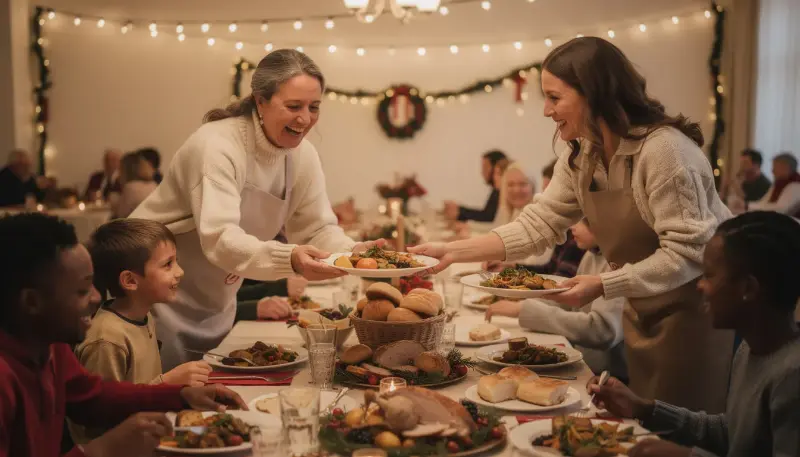
Alcohol-Free Holiday Brunches Host weekend December brunches featuring festive pancakes, waffles, or holiday-themed casseroles. Create beautiful table settings and special menu items that make the occasion feel celebratory without requiring alcohol. Invite family members or friends who support your alcohol free life for shared meal experiences.
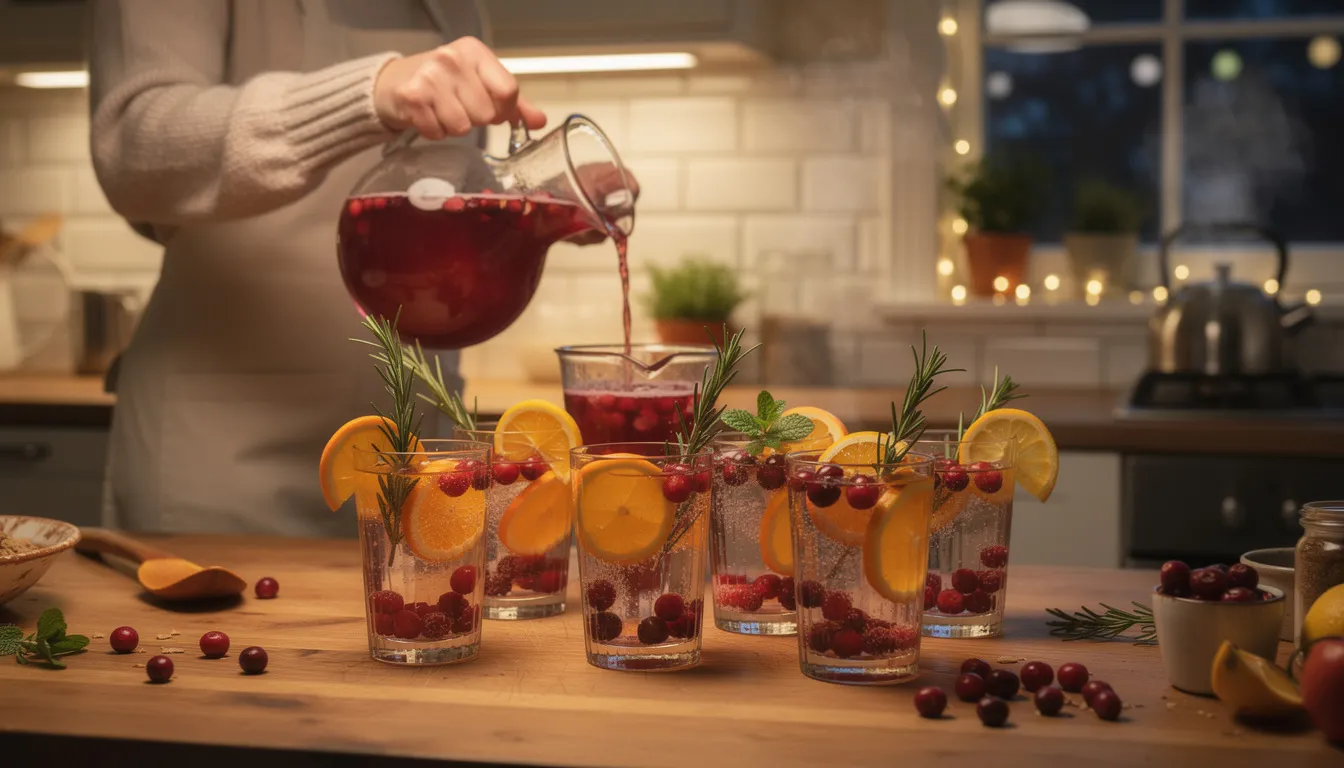
Seasonal Mocktail Exploration Plan mocktail nights using seasonal ingredients like cranberries, citrus, cinnamon, and fresh herbs. Experiment with recipes for non-alcoholic mulled cider, sparkling fruit punches, or creative hot chocolate variations. Many cities now offer mocktail classes or tastings that provide social activities centered around sophisticated alcohol-free beverages.
Cooking Together Traditions Organize “cook together” evenings with friends or partners where everyone learns one new main dish or dessert for holiday dinners. Focus on family recipes or international cuisines that create cultural connection through food rather than drinks. Cooking collaboratively provides conversation and shared experience while developing practical skills.
Traditional Recipe Adaptation Work with older family members to learn beloved family recipes, creating “sober versions” of dishes that traditionally included alcohol. This preserves cultural traditions while adapting them to support your current lifestyle. Document these adaptations to pass along to future generations.
Safe Beverage Planning Read labels carefully to avoid hidden alcohol in extracts, sauces, or desserts. When attending parties, bring your own favorite non-alcoholic drinks so you always have appealing options available. Research alcohol-free wine and beer brands if you want something that feels familiar without the intoxication.
Food traditions offer powerful ways to maintain holiday meaning while eliminating alcohol. Focus on creating new flavors, learning cooking skills, and sharing delicious food as central holiday experiences rather than treats accompanying drinks.
Movement, Mindfulness, and Self-Care During the Festive Season
The holidays often intensify emotions—anxiety about family interactions, grief over losses, excitement that feels overwhelming, or depression from seasonal changes. Body-based practices help regulate these feelings while supporting the physical health and mental health essential for staying sober.
Winter Fitness Challenges
Join short-term fitness programs like “25 days of movement” in December or yoga series that run through New Year’s. Having structured exercise provides daily routine during holiday schedule disruptions while building more energy and better sleep patterns. Many local gyms offer special holiday memberships or free trial periods.
Indoor Movement Options Explore heated yoga, climbing gyms, dance classes, or team sports that counter winter sluggishness and seasonal depression. Physical activities provide natural stress relief while connecting you to communities of health-focused people. Regular exercise also improves mood and reduces the anxiety that can trigger cravings.
Mindful Walking and Nature Connection Take gentle neighborhood walks to see holiday decorations while listening to recovery podcasts or calming music. Walking provides mild exercise, exposure to fresh air and natural light, and opportunities for reflection. Even 15-20 minutes daily can significantly impact mood and stress levels.
Meditation and Mindfulness Practices Establish brief daily meditation using apps or guided recordings focused on gratitude, stress relief, or emotional regulation. Start with just 5-10 minutes daily rather than ambitious goals that become overwhelming. Consistency matters more than duration, especially when building new habits during emotionally challenging periods.
Journaling and Reflection
Write briefly each evening about triggers you navigated, moments of joy you experienced, and aspects of sobriety you feel proud of. Holiday journaling helps process complex emotions while tracking progress over time. This practice also identifies patterns and provides perspective during difficult moments.
Digital Boundaries and Phone Management Set specific times for checking social media and news to reduce comparison and anxiety triggers. Holiday social media often emphasizes drinking, parties, and idealized celebration that can make sober people feel left out. Limiting exposure protects mental health while creating space for real-world connection and activities.
Focus on progress rather than perfection with self-care practices. Missing a day of meditation or exercise doesn’t ruin your efforts—consistency over time builds the emotional regulation skills essential for long-term recovery.
Planning Sober Holiday Events and Navigating Alcohol-Centered Spaces
You don’t have to avoid every event that serves alcohol, but intentional planning becomes essential, especially during your first 12-18 months of sobriety. Smart strategies help you maintain social connections while protecting your commitment to an alcohol free life.
Event Selection and Boundaries Decide in advance which holiday parties to attend, which to skip entirely, and which to attend briefly with planned early exits. Consider factors like venue (bar vs. restaurant), time (afternoon vs. late evening), and crowd (family-friendly vs. heavy-drinking coworkers). Office holiday parties, New Year’s Eve celebrations, and family gatherings each require different strategies.
Practical Preparation Strategies
- Bring your own appealing non-alcoholic drinks so you’re never empty-handed
- Prepare 1-2 polite responses for drink offers: “I’m driving tonight” or “I’m on a health kick”
- Arrange your own transportation so you can leave if uncomfortable
- Schedule check-in calls with sober friends before and after challenging events
- Eat before arriving so hunger doesn’t increase vulnerability to poor decisions
Hosting Alcohol-Free Events Create your own holiday gatherings where sobriety is expected rather than explained. Host afternoon-only open houses, game nights, or collaborative cooking events that naturally discourage heavy drinking. When alcohol isn’t the central focus, people often don’t miss it.
New Year’s Eve Alternatives
Plan alcohol-free New Year’s Eve celebrations with games, mocktails, special food, and a midnight nature walk instead of champagne toasts. Many cities now offer sober NYE events at community centers, yoga studios, or recovery-friendly venues. Early bedtime followed by New Year’s Day sunrise hiking also provides meaningful transition rituals.
Communication Scripts Practice simple explanations for your alcohol-free choices: “I feel better when I don’t drink,” “I’m focusing on my health this year,” or “I’m the designated driver tonight.” Most people accept these responses without further questioning, especially when delivered confidently.
Remember that protecting your sobriety always takes priority over social obligations. People who truly support your wellbeing will understand and accommodate your needs, while those who pressure you to drink may not deserve access to your time and energy.
New Traditions: Making the Holidays Yours in Long-Term Recovery
The first one or two sober holiday seasons often feel like rebuilding from scratch—everything seems different and unfamiliar. But over time, intentionally chosen alcohol-free traditions become genuinely special, often surpassing the meaning and joy of previous alcohol-centered celebrations.
Establishing Annual Rituals Choose 2-3 activities from previous sections to repeat intentionally every year on specific dates. Perhaps a New Year’s Day hike becomes your personal fresh start ceremony, December 24 volunteering provides meaning and purpose, or December 31 game nights with close friends create intimate celebration. Consistency transforms simple activities into treasured traditions.
Documentation and Memory-Making Take photos each year at the same location or during the same activity to track your personal growth over time. Create visual evidence of holidays that center around health, connection, and authenticity rather than intoxication and regret. These photos become powerful reminders during difficult moments.
Annual Reflection Practices Write a brief letter to yourself each December 31 about what you accomplished in sobriety and what you hope for the coming year. This practice provides structure for reflection while creating tangible records of your journey. Reading previous years’ letters often reveals growth that feels invisible day-to-day.
Evolving Traditions with Relationships As your social circle potentially changes in recovery, remain open to adapting traditions with new partners who support your sobriety, or children who benefit from alcohol-free celebrations. Sober traditions can evolve while maintaining their core values of presence, connection, and authentic joy.
Creating Legacy and Meaning Consider how your sober holiday traditions might influence others—family members who also want to reduce drinking, friends who are sober-curious, or future generations who could benefit from celebrations that don’t center around alcohol. Your choices create ripple effects beyond personal recovery.
These new traditions often become more meaningful than previous alcohol-centered celebrations because they’re built on choice rather than compulsion, presence rather than escapism, and authentic connection rather than chemically-induced bonding. What initially feels like sacrifice transforms into abundance.
Frequently Asked Questions About Sober Holiday Fun
What do sober people actually do on New Year’s Eve? Sober New Year’s celebrations include game nights with close friends, midnight nature walks or sunrise yoga on January 1st, early dinner parties that end before late-night drinking begins, and attending organized sober events at community centers or recovery-friendly venues. Many people in recovery prefer smaller, intimate gatherings over large parties.
How do I tell friends and family I’m staying alcohol-free this holiday? Simple, confident explanations work best: “I’m focusing on my health,” “I feel better when I don’t drink,” or “I’m trying an alcohol-free December.” Most people accept these statements without additional questioning. For family members who may be more persistent, establish clear boundaries and consider attending events for shorter periods.
What if I feel bored or left out at sober activities? Feeling disconnected initially is completely normal—your brain is learning new associations with fun and celebration. Focus on connecting with one person rather than trying to enjoy everything immediately. Bring a sober buddy for support, and give yourself permission to leave early if needed. Boredom often signals the need for more engaging activities rather than alcohol.
Is it okay to skip certain holiday events to protect my sobriety? Absolutely. Protecting your sobriety always takes priority over social obligations, especially in early recovery. Consider alternative ways to connect with important people—one-on-one coffee dates, afternoon visits, or phone calls instead of evening parties. People who truly support your wellbeing will understand and accommodate your needs.
Can sober activities still feel fun if I’m not in a formal recovery program? Yes—these activities benefit anyone choosing an alcohol free life, whether you’re sober-curious, moderating your drinking, or fully abstinent. The strategies work for people exploring sobriety, supporting someone in recovery, or simply wanting healthier holiday celebrations. Community connection and meaningful activities enhance wellbeing regardless of your specific relationship with alcohol.
Closing Thoughts: Your Holidays, Your Way
Sober activities aren’t about settling for less fun—they’re about discovering a different kind of holiday season built on clarity, genuine connection, and safety. While your first alcohol-free holidays might feel strange or unfamiliar, this discomfort signals growth rather than deprivation. You’re building new neural pathways that associate celebration with presence, creativity, and authentic joy rather than intoxication and eventual regret.
Remember that these new traditions become meaningful through repetition and intention, not overnight transformation. Each sober holiday season builds upon the previous one, creating a foundation of memories that support rather than undermine your commitment to an alcohol free life. The activities that initially feel forced or awkward often become the ones you treasure most as they represent your choice to prioritize health, relationships, and personal growth.
Your holidays belong to you now—designed around your values, your energy, and your vision of celebration rather than cultural expectations or addictive compulsions. This freedom to create meaningful traditions that genuinely serve your wellbeing is one of the unexpected gifts of recovery.
Take action this week: choose one outdoor activity, one cozy at-home tradition, and one community connection opportunity to put on your calendar. Start building the holiday season that supports your sobriety while creating the memories you’ll actually want to remember. Your future self will thank you for choosing presence over absence, connection over isolation, and authentic celebration over artificial fun.