


-
 By:
Valerie Puffenberger, PMHNP-BC
By:
Valerie Puffenberger, PMHNP-BC
-
 Editor:
Phyllis Rodriguez, PMHNP-BC
Editor:
Phyllis Rodriguez, PMHNP-BC
-
 Clinical Reviewer:
Dr. Ash Bhatt, MD, MRO
Clinical Reviewer:
Dr. Ash Bhatt, MD, MRO
Seeking help for ice addiction is an urgent necessity. This article explains what to expect from rehab for ice addiction, signs of the addiction, and the best treatment options available for effective recovery.
Key Takeaways
- Ice addiction, characterized by high dependence and severe health impacts, requires professional intervention and a strong support system for effective recovery.
- Early recognition of methamphetamine use disorder and its symptoms is critical for timely intervention, improving recovery outcomes and preventing legal or social complications.
- Comprehensive treatment options, including detoxification, inpatient and outpatient programs, counseling, and medication-assisted treatment, are essential to address both addiction and co-occurring mental health disorders for long-term recovery.
Understanding Ice Dependence and Addiction
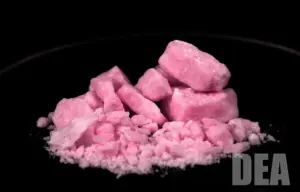
Ice, or crystal methamphetamine, is a potent, highly addictive synthetic stimulant that dramatically impacts the central nervous system. The allure of ice lies in its ability to produce an intense euphoria, increased energy, and heightened alertness; however, these effects come at a significant cost. Regular use of this potent stimulant can lead to dependence, necessitating professional help for effective recovery. The use of ice not only alters the brain’s reward system but also impairs emotional regulation and memory, making it a formidable foe in the realm of substance abuse. For many, the journey into meth addiction begins as a misguided attempt to cope with mental health issues, which only leads to further complications. Additionally, understanding how ice affects mental health is crucial for those seeking recovery.
Recovery from ice dependence demands a strong support system and health professional guidance to successfully achieve sobriety and manage strong cravings. Treatment is vital for reclaiming a healthy lifestyle and steering clear of the destructive behaviors linked to drug dependence.
Understanding the intricacies of ice withdrawal addiction is crucial for how to treat ice dependence effectively.
Recognizing the Signs of Crystal Meth Use and Methamphetamine Use Disorder
Early recognition of methamphetamine use disorder is key to effective intervention and treatment. Methamphetamine use can manifest through a range of physical, behavioral, and psychological symptoms, each offering clues that can aid in identifying a drug problem. Understanding these indicators can help in distinguishing between occasional drug use and a full-blown substance use disorder, which requires comprehensive substance abuse treatment. Additionally, addressing stimulant use disorders is crucial for long-term recovery.
The signs of methamphetamine use are diverse and can be categorized into three main groups: physical indicators, behavioral changes, and psychological symptoms. Each of these categories highlights different aspects of how methamphetamine affects the user, from noticeable changes in appearance to profound shifts in behavior and mental health. Recognizing these signs early can prompt timely intervention and improve the chances of successful meth treatment.
Physical Indicators of Ice Use
Physical indicators of methamphetamine use are often the most visible and can serve as early warning signs of a deeper issue. Users may exhibit a frail appearance, with weakened skin and tissue, altered blood circulation, and common allergic reactions to meth. These changes are a direct result of the drug’s harsh effects on the body, which can lead to significant health complications over time.
Other notable physical changes include dramatic weight loss, severe dental problems commonly referred to as “meth mouth,” and skin sores. These symptoms are not only detrimental to the user’s health but also serve as stark reminders of the destructive nature of ice addiction. Recognizing these physical signs is crucial for identifying methamphetamine dependence and seeking appropriate treatment.
Behavioral Changes
Behavioral changes are another critical indicator of methamphetamine use. Users often experience increased energy levels, making them more meth active than usual, which can initially seem positive but quickly becomes problematic. This heightened energy often leads to meth induced psychosis and erratic behavior, disrupting personal relationships and daily activities.
Social withdrawal is also common, as users isolate themselves from friends and family. This isolation complicates recovery efforts, as it removes the support network that is vital for overcoming addiction. Identifying these behavioral changes can signal the need for substance abuse treatment and kickstart the recovery process.
Psychological Symptoms
Psychological symptoms of methamphetamine use are profound and often debilitating. Ice addiction is associated with various mental health concerns, including anxiety, paranoia, and mood swings, and can lead to drug-induced psychosis. These symptoms can exacerbate existing mental health issues, making recovery even more challenging.
The impact of crystal meth use on the brain chemical balance further complicates the user’s emotional regulation and cognitive function. Addressing these psychological symptoms is vital for tackling both addiction and underlying mental health conditions, ensuring a successful and sustainable recovery.
The Importance of Early Intervention for Successful Meth Treatment
Early intervention is critical in addressing methamphetamine dependency, leading to better recovery outcomes. The earlier an individual receives help for meth misuse, the more favorable the long-term outcomes tend to be. Immediate treatment following early signs of methamphetamine use can significantly enhance recovery chances and reduce the risk of dependence.
Early treatment can also prevent potential legal or social issues stemming from prolonged methamphetamine use, which can lead to an increased risk of complications. It increases the chances of retaining individuals in medical treatment programs, which is essential for recovery.
Early intervention in meth use reduces the overall treatment and healthcare costs associated with advanced addiction. Taking action early not only saves lives but also promotes a healthier, more productive future for those affected by the drug.
Treatment for Ice Addiction and Drug Use
Comprehensive treatment approaches for ice addiction are essential for a successful recovery. These approaches include:
- Detoxification
- Inpatient residential programs
- Outpatient programs
Each is tailored to meet the specific needs of the individual.
Effective treatment typically includes Cognitive Behavioral Therapy (CBT) and contingency management, which have been successful in reducing methamphetamine use and improving treatment retention.
Accredited rehab centers provide evidence-based treatment options customized to individual needs.
Detoxification Process and Ice Withdrawal
Detoxification for methamphetamine addiction involves:
- Safely removing the drug from the body under medical supervision.
- Medical professionals are monitoring the process to manage withdrawal symptoms effectively.
- Withdrawal management programs offering 24/7 supervision during meth detox.
Medications like benzodiazepines may be prescribed during detox to alleviate withdrawal symptoms. Rehabilitation centers offer various clinical services and therapy programs to support individuals through detox and recovery.
Detoxification, counseling, and therapy are key components of a comprehensive treatment plan for meth addiction.
Inpatient Residential Programs for Crystal Methamphetamine Addiction
Inpatient residential treatment programs offer a safe environment with 24/7 supervision and no access to meth. This treatment reassures families that professionals are caring for their loved ones. Chronic, serious addiction may necessitate admission to an inpatient treatment program.
Inpatient programs are ideal for individuals facing chronic, long-term abuse and intense withdrawal symptoms. These programs typically last between 30 to 90 days, depending on individual needs. Factors influencing the choice between inpatient and outpatient treatment include personal circumstances, addiction severity, and underlying psychological reasons.
Outpatient Programs and Therapy
Individuals with less severe drug use, addiction, or commitments they can’t leave might consider an outpatient program specific for meth abuse. These programs offer flexibility to schedule treatment appointments throughout the week, with a typical time commitment of 10 to 12 hours a week.
Outpatient treatment sessions offer flexibility and structured counseling and therapy, supporting those who need to receive treatment while maintaining work or family responsibilities. These health services provide essential support for individuals balancing various commitments, including those seeking formal treatment.
Counseling and Behavioral Therapies
Counseling and behavioral therapies are crucial for treating meth addiction. Cognitive Behavioral Therapy (CBT) addresses thought and behavioral patterns leading to drug abuse. Counseling aims to identify underlying reasons for drug use and offer emotional support.
Counseling in meth addiction treatment addresses psychological damage, helps resist temptation, and supports sobriety. Contingency management, which involves rewards for achieving treatment goals like abstinence, is also effective.
These therapies are vital for helping individuals develop coping skills and sustain long-term recovery through individual therapy.
Support Systems and Aftercare
Support services and aftercare are essential for maintaining recovery from ice addiction. Aftercare offers continued support through various programs and therapies, preventing relapse after initial treatment. Many accredited facilities provide aftercare programs to support ongoing recovery.
Key components of addiction recovery include:
- Participation in community support groups, which helps individuals connect with others who share similar recovery experiences.
- Ongoing therapy, which addresses underlying issues contributing to addiction.
- Addiction health services that focus on coping skills, which are crucial to prevent a relapse.
A robust aftercare plan may include working with sponsors to further support regularly attending support group meetings.
Medication-Assisted Treatment
Medication-assisted treatment (MAT) is increasingly recognized as effective for managing methamphetamine use disorder. Research has identified the following certain medications and therapies that may help reduce methamphetamine use by alleviating methamphetamine withdrawal symptoms and cravings:
- Modafinil
- Bupropion
- Naltrexone
- Agonist replacement therapies using d-amphetamine and methylphenidate, which have shown promise in clinical trials for treating meth dependence.
Despite the testing of various medications, many have proven ineffective, highlighting the need for ongoing research to find effective treatments for methamphetamine dependence. Immunotherapies, including vaccines and monoclonal antibodies, are emerging as innovative strategies for treating methamphetamine addiction.
The goal of medication-assisted treatment is to manage symptoms through approved medications to reduce cravings associated with ice use and addiction.
Addressing Co-Occurring Disorders and Ice Affects
Addressing co-occurring disorders is crucial for a comprehensive approach to addiction. Long-term ice use can lead to serious mental health issues, including anxiety and depression. Trauma can be a root cause or lead to self-medication leading to drug abuse. Treating these underlying mental health concerns alongside addiction is essential for effective recovery.
Integrated treatment plans addressing both substance use disorders and mental health issues, including a mental health condition, are crucial for relapse prevention and ensuring long-term recovery. This holistic approach helps individuals develop skills for coping and emotional regulation to manage additional concerns during the recovery process.
How to Support a Loved One with Ice Addiction

Supporting a loved one with ice addiction requires patience, understanding, and the right resources. Approaching a family member with meth addiction may involve challenges such as hostility or denial. Approach the situation with empathy and provide information about substance abuse treatment options.
Support options and roles in recovery for meth addicts include:
- Narcotics Anonymous and Crystal Meth Anonymous, which are common support groups.
- Sober living homes, which play a crucial role by ensuring rule adherence and providing support in maintaining sobriety.
- Offering peer support and being involved in the recovery journey, which can make a significant difference.
Take the First Step Toward Freedom From Ice Addiction