



-
 By:
Valerie Puffenberger, PMHNP-BC
By:
Valerie Puffenberger, PMHNP-BC
-
 Editor:
Phyllis Rodriguez, PMHNP-BC
Editor:
Phyllis Rodriguez, PMHNP-BC
-
 Clinical Reviewer:
Dr. Ash Bhatt, MD, MRO
Clinical Reviewer:
Dr. Ash Bhatt, MD, MRO
If you’ve ever wondered whether certain people are simply born with an “addictive personality,” you’re asking an important question that science has been exploring for decades. While there’s no single personality type that guarantees someone will develop substance use disorders, research has identified specific personality traits that can increase your vulnerability to addiction.
Understanding these traits isn’t about labeling or judgment—it’s about recognizing the complex interplay between your personality, genetics, and environment that influences addiction risk. Most importantly, having these traits doesn’t mean addiction is inevitable. With the right awareness, support, and treatment approaches, you can build resilience and develop healthier coping mechanisms.
What Defines the Personality of an Addict
The truth is, there’s no single “addictive personality” that scientists have identified. Instead, addiction results from complex interactions between personality traits, genetic predisposition, and environmental factors. Think of it like a recipe where multiple ingredients combine to create different outcomes for different people.
Research suggests that certain personality characteristics appear more frequently among individuals with substance addiction, but these traits exist on a spectrum. You might recognize some of these patterns in yourself or loved ones:
- Impulsivity and poor impulse control – acting quickly without considering negative consequences
- Sensation-seeking behavior – craving intense experiences and novel stimulation
- Emotional dysregulation – difficulty managing emotions and stress intolerance, which often leads individuals to self-medicate with substances
- Low self-esteem leading to self-medication patterns
These traits increase your risk of developing addiction, but they don’t guarantee it will happen. Many people with these characteristics never develop substance use disorders, while others without obvious risk factors may still struggle with addiction. The key is understanding how these traits interact with other risk factors in your unique situation.
What makes someone vulnerable to addiction is rarely about weakness or moral failing. Instead, it’s about how your brain processes rewards, manages stress, and responds to substances. This understanding opens the door to more effective addiction treatment and lasting recovery.
Core Personality Traits Associated with Addiction
When researchers study the personality of an addict, they consistently find several key traits that appear more frequently in people with substance use disorders. Understanding these traits can help you recognize potential vulnerabilities and seek appropriate support.
Impulsivity and Its Impact on Addiction Risk
Impulsivity stands out as one of the strongest predictors of addiction risk. If you tend toward rapid, unplanned behavior without considering consequences, you may be more vulnerable to developing substance abuse issues.
Scientists measure impulsivity through behavioral tests like delay discounting tasks, where people choose between immediate smaller rewards and larger delayed rewards. Individuals with higher impulsivity scores often prefer immediate gratification, even when waiting would bring greater benefits. This pattern strongly correlates with earlier substance use initiation and faster progression to addiction.
Research reveals that 40-60% of impulsivity traits are inherited, linked to specific genes that affect dopamine receptors in your brain. If you struggle with impulse control, you’re not alone—and understanding this biological component can help reduce self-blame while guiding you toward effective interventions. Similarly, genetic factors may account for 40-60% of the risk for alcoholism and other substance-related disorders, highlighting the significant role of heredity in addiction.
Impulsive individuals often struggle with:
- Weighing long-term consequences against immediate gratification
- Stopping behaviors once they’ve started
- Planning ahead and considering alternatives
- Resisting urges when stressed or emotional
Sensation-Seeking and Risk-Taking Behaviors
Sensation-seeking represents another significant aspect of addictive personalities. This trait involves pursuing intense, novel experiences and having a high tolerance for physical and social risks. While sensation-seeking can lead to positive outcomes like creativity and adventure, it also increases your risk of experimenting with psychoactive substances.
This trait typically peaks during adolescence, which correlates with the highest rates of substance experimentation among young adults. If you’re naturally drawn to intense experiences, you might find that alcohol or illegal drugs initially provide the stimulation you crave.
Animal studies demonstrate that genetic predisposition to novelty-seeking predicts patterns like cocaine self-administration, suggesting deep biological roots for these behaviors. Understanding your sensation-seeking tendencies can help you find healthier ways to satisfy your need for excitement and novelty.
Different Personality Types Vulnerable to Addiction
While addictive personality traits vary widely, researchers have identified three distinct personality patterns that appear frequently among individuals with addiction vulnerabilities. Each type represents different pathways to substance dependence with unique risk factors, helping explain why addiction treatment programs must be tailored to individual needs.
The Adventurous Risk-Taker Profile
The adventurous risk-taker profile combines high sensation-seeking with low impulse control and thrill-seeking behavior. If you identify with this pattern, you likely enjoy novel experiences and may have experimented with multiple substances throughout your life.
This personality type is more common among men and often involves:
- Early substance use initiation in social settings
- Experimentation with various drugs or alcohol
- Driven by dopamine sensitivity, requiring increasingly intense experiences
- Progression from recreational use to problematic patterns
Your brain may require more stimulation than average to feel satisfied, making substances particularly appealing when other activities feel boring or insufficient. Understanding this biological difference can help you find alternative ways to meet your stimulation needs through risk-taking behaviors that don’t involve harmful substances.
The Anxious Self-Medicator Profile
The anxious self-medicator profile is characterized by social anxiety, depression, emotional sensitivity, and a generally cautious temperament. If this describes you, substance use likely began as a way to cope with emotional pain, loneliness, or mental health symptoms.
This pattern is more prevalent among women developing addiction, particularly to prescription medications. Common characteristics include:
- Using substances to manage negative feelings and chronic stress
- High neuroticism and low extraversion on personality assessments
- Preference for sedating substances like alcohol or benzodiazepines
- Drinking behavior or drug use that escalates during stressful periods
Your substance use may have started as an attempt to regulate emotions when healthier coping mechanisms felt inadequate. Recognizing this pattern is crucial for developing alternative strategies for stress management and emotional regulation.
The Obsessive-Compulsive Profile
The obsessive-compulsive profile involves rigid thinking patterns, perfectionism, and compulsive behaviors that extend to substance use. If you fit this pattern, your addiction may have developed through habitual use rather than purely impulsive behavior.
Key features include:
- Specific rituals around substance use
- Cycling between different addictive behaviors when attempting to quit
- All-or-nothing thinking about recovery
- Obsessive focus on particular substances or behaviors
This personality type may struggle with traditional addiction treatment approaches that don’t address the underlying compulsive tendencies. Understanding your need for structure and control can help guide more effective treatment strategies.
Biological and Genetic Factors in Addictive Personalities
Your genetic makeup plays a significant role in shaping addictive personality traits. Research shows that genetic factors account for 40-70% of addiction vulnerability across different substances, meaning your family history strongly influences your risk of developing addiction.
Specific genes affecting key brain systems contribute to addictive personalities:
- DRD2 gene variants influence dopamine pathways and reward sensitivity
- CHRNA5 gene variations affect nicotine receptors and smoking risk
- ALDH2 gene differences impact alcohol metabolism and alcohol addiction risk
If you have a family history of addiction, your individual risk increases by 4-8 times compared to the general population. This doesn’t mean addiction is inevitable, but it does suggest you may need extra support and awareness around substance use.
Neurobiological Mechanisms
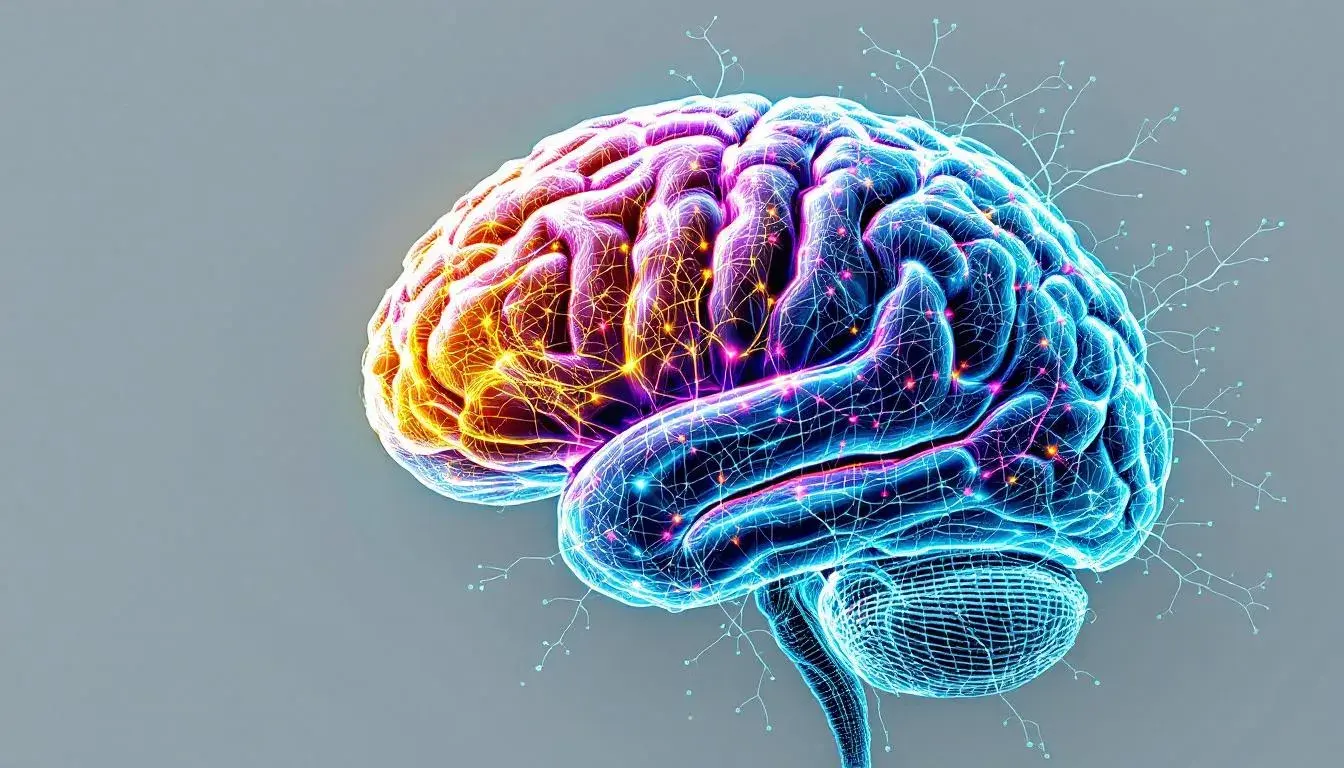
Brain imaging studies reveal distinct patterns in individuals with addiction-prone personalities. These include:
Altered reward pathways: Your brain’s dopamine, serotonin, and GABA systems may function differently, making you more sensitive to substance rewards or requiring higher levels of stimulation to feel satisfied.
Prefrontal cortex differences: Structural variations in brain areas responsible for decision-making and self-control can make it harder to resist impulses or consider long-term consequences.
Heightened stress response: Your brain’s stress systems may be more reactive, leading to greater reliance on substances for relief from anxiety or emotional discomfort.
Understanding these biological differences can help reduce shame around addiction while guiding more targeted treatment approaches that address your specific neurobiological vulnerabilities.
Environmental and Developmental Influences
While genetics provide the foundation for addictive personality traits, environmental factors significantly shape how these traits develop and express themselves. Your early experiences, relationships, and social environment all contribute to your risk of developing addiction.
Childhood trauma, abuse, and neglect strongly correlate with later development of addictive personality characteristics. If you experienced adverse childhood events, you may have learned to use substances as a way to regulate emotions or cope with overwhelming feelings that developed during those critical developmental periods. Exposure to sustained stress in childhood, such as physical or sexual abuse, has also been strongly linked to drug addiction and overeating in adulthood.
Early exposure to substances during critical brain development periods also increases risk. The adolescent brain is particularly vulnerable, as this is when many personality traits solidify and when sensation-seeking behavior naturally peaks among young adults.
Critical Developmental Periods
Adolescence represents the highest risk period for developing addiction, with elevated impulsivity and sensation-seeking creating perfect conditions for substance experimentation. During these years, your brain’s reward systems are highly active while impulse control systems are still developing.
Early pubertal development correlates with increased substance experimentation, as physical maturity may not match emotional regulation skills. If you experienced early puberty, you may have been exposed to adult situations before developing adequate coping skills.
Childhood emotional regulation abilities predict adult addiction vulnerability decades later. Longitudinal studies show that children who struggle with managing big emotions often develop substance abuse issues as adults, highlighting the importance of early intervention and teaching healthy coping mechanisms.
Social isolation and lack of supportive personal relationships accelerate addictive behaviors. Humans are naturally social creatures, and when healthy connections are missing, substances can fill that void. Peer influences and cultural factors also shape how underlying personality vulnerabilities express themselves.
Co-Occurring Mental Health Conditions
The relationship between addictive personalities and mental health is complex and bidirectional. Co-occurring disorders involving addiction and psychiatric conditions affect 50-75% of individuals in addiction treatment, making it crucial to address both issues simultaneously.
Common mental illnesses that frequently co-occur with substance use disorders include:
| Mental Health Condition | Prevalence with Addiction | Common Substance Patterns |
|---|---|---|
| Depression | 40-60% | Alcohol, opioids, stimulants |
| Anxiety Disorders | 25-45% | Alcohol, benzodiazepines |
| PTSD | 30-50% | Alcohol, opioids, cannabis |
| Bipolar Disorder | 60-80% | Alcohol, stimulants |
Borderline personality disorder and antisocial personality traits significantly increase addiction risk. These conditions share neurobiological mechanisms with addictive personalities, including difficulties with emotional regulation, impulse control disorders, and interpersonal relationships.
Self-Medication Patterns
Many individuals with addictive personalities use specific substances to manage particular psychiatric symptoms. Understanding these patterns can help identify underlying mental health needs:
Alcohol is commonly used for social anxiety, sleep problems, and general emotional numbing. If you find yourself drinking to feel more comfortable in social situations or to quiet racing thoughts at bedtime, this may indicate underlying anxiety or mood issues.
Stimulant drugs are often chosen by individuals with attention deficit disorders or depression. The temporary energy and focus these substances provide can mask underlying cognitive or mood difficulties.
Opioids are frequently used to numb emotional pain and trauma-related symptoms. If you’ve experienced significant loss, abuse, or other trauma, opioid use may represent an attempt to escape overwhelming emotional distress.
Recognizing these self-medication patterns is essential for developing comprehensive treatment plans that address both addiction and underlying mental health conditions.

Treatment Approaches for Addictive Personalities
Effective addiction treatment must address the specific personality traits and vulnerabilities that contribute to your substance use. One-size-fits-all approaches often fail because they don’t account for the diverse pathways that lead to addiction.
Personality-targeted interventions consistently show superior outcomes compared to generic addiction treatment. When treatment programs tailor their approach to your specific personality profile, you’re more likely to achieve lasting recovery and develop healthier coping mechanisms.
Cognitive Behavioral Therapy (CBT) effectively addresses the impulsivity and distorted thinking patterns common in addictive personalities. Through CBT, you can learn to identify triggers, challenge automatic thoughts, and develop better impulse control strategies. It remains one of the most commonly used treatments for addictive behaviors due to its proven effectiveness.
Dialectical Behavior Therapy (DBT) proves particularly beneficial for individuals struggling with emotional regulation difficulties. DBT teaches specific skills for managing intense emotions, tolerating distress, and improving personal relationships.
Motivational Interviewing helps overcome the ambivalence that’s common in certain personality types. This approach honors your autonomy while helping you explore your own motivations for change, rather than having change imposed from outside.
Personalized Treatment Strategies
Your treatment plan should address your specific personality vulnerabilities while building on your strengths. Consider these approaches based on different personality profiles:
For high impulsivity: Treatment programs might focus intensively on developing self-control through mindfulness training, cognitive restructuring, and behavioral contracts that provide immediate rewards for healthy choices.
For sensation-seeking personalities: therapy might involve finding exciting but healthy alternatives to substance use, such as extreme sports, creative pursuits, or volunteer work in challenging environments.
For anxious self-medicators: treatment typically emphasizes anxiety management, trauma therapy if needed, and developing a toolkit of healthier coping mechanisms for stress management.
For obsessive-compulsive tendencies: recovery programs might incorporate structured goal-setting, detailed relapse prevention plans, and addressing perfectionism that can trigger all-or-nothing thinking about recovery.
Evidence-based therapies work best when combined with medication-assisted treatment that targets underlying neurobiological factors. Your healthcare provider can determine whether medications might help address brain chemistry imbalances that contribute to your addictive personality traits.
Long-term recovery requires ongoing personality development and behavioral modification. This isn’t about changing who you are fundamentally, but rather learning to express your personality traits in healthier ways while building resilience against addiction risk.
Prevention and Early Intervention
Understanding addictive personality traits enables powerful prevention strategies, especially when implemented during critical developmental periods. Early identification of personality risk factors creates opportunities for intervention before substance abuse issues develop.
Building emotional resilience and healthy coping skills during childhood significantly reduces later addiction risk. If you’re a parent or work with young people, focusing on emotional regulation skills, stress management techniques, and building strong supportive relationships can provide protective factors against developing addiction. Prevention strategies often emphasize fostering these skills to reduce the risk of developing addictive behaviors.
Family-based interventions are particularly important when there’s a genetic predisposition to addiction in your family history. These programs help family members understand addiction risk, improve communication, and create supportive environments that reduce environmental risk factors.
School-based programs targeting impulsivity and decision-making show promising results. Teaching children and adolescents about their developing brains, the risks associated with early substance use, and providing them with tools for managing peer pressure can interrupt pathways to addiction.
For adults recognizing addictive personality traits in themselves, early intervention might involve:
- Learning about your specific risk factors and triggers
- Developing a strong support network through peer support groups
- Building stress management and emotional regulation skills
- Creating lifestyle changes that support your mental health
- Working with mental health professionals to address underlying issues
The National Institute on Drug Abuse emphasizes that prevention programs tailored to individual risk factors are far more effective than generic approaches. Whether you’re concerned about your own risk or that of a loved one, understanding personality factors provides a roadmap for targeted prevention strategies.
Remember that having addictive personality traits doesn’t mean addiction is inevitable. Many people with these characteristics lead fulfilling lives without developing substance use disorders by understanding their vulnerabilities and building appropriate supports around them.

Building Your Path to Recovery
Understanding the personality of an addict isn’t about accepting a predetermined fate—it’s about gaining the knowledge and tools you need to write your own recovery story. Whether you’re struggling with substance addiction yourself, supporting a loved one, or simply want to understand the complex factors behind addiction, recognizing these personality patterns is a powerful first step.
Your personality traits are just one part of the equation. While certain characteristics may increase your vulnerability to developing addiction, they can also become sources of strength in your recovery journey. The same sensation-seeking drive that may have led to substance experimentation can fuel your commitment to trying new, healthy experiences. The sensitivity that made you vulnerable to self-medication can also make you deeply empathetic and connected to others in recovery.
Recovery is possible for everyone, regardless of personality type or addiction history. The key is finding treatment approaches that work with your personality rather than against it, addressing underlying mental health needs, and building a support system that understands your unique vulnerabilities and strengths.
If you recognize yourself in any of these personality descriptions, don’t wait for addiction to develop or worsen before seeking help. Early intervention, whether through therapy, support groups, or lifestyle changes, can help you build resilience and develop healthier ways to meet your emotional and psychological needs.
Your recovery journey is uniquely yours, and understanding your personality is just the beginning. With the right support, evidence-based treatment, and commitment to growth, you can transform the traits that once made you vulnerable into the strengths that sustain your lasting recovery.
Learn more about Legacy Healing Center’s evidence-based treatment programs by calling 888-534-2295 to speak with an addiction specialist.