-
 By:
Valerie Puffenberger, PMHNP-BC
By:
Valerie Puffenberger, PMHNP-BC
-
Editor:
Phyllis Rodriguez, PMHNP-BC
-
Clinical Reviewer:
Dr. Ash Bhatt, MD, MRO
 By:
By:
 Editor:
 Clinical Reviewer:
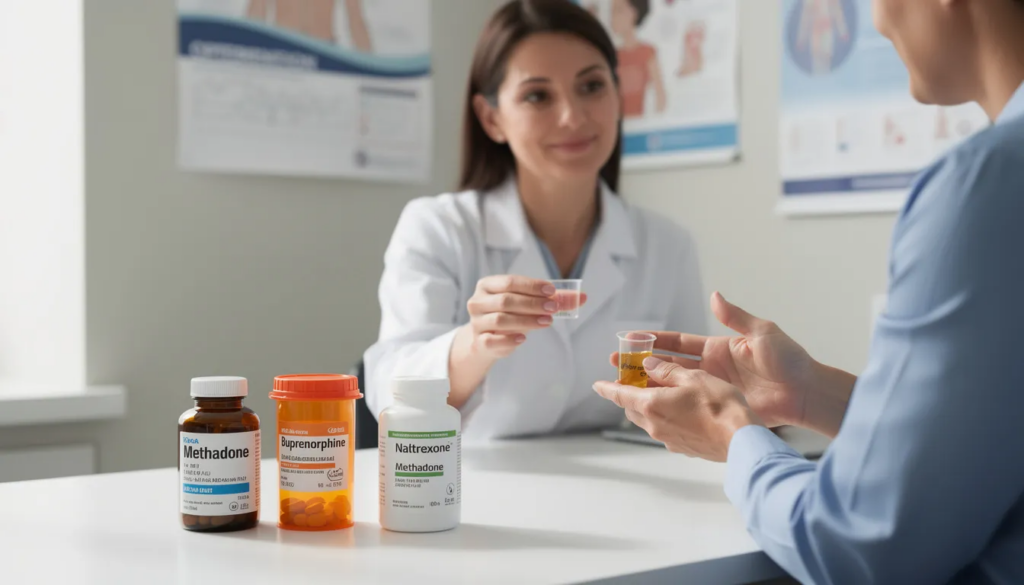
Opioid treatment programs have a proven track record for helping individuals recover from opioid addiction. Opioid treatment program services are specialized, licensed, and regulated healthcare offerings that provide medication-assisted treatment (MAT) for opioid use disorder.
- Evidence-Based Treatment: Combines medications approved by the FDA with individual and group therapy to treat opioid use disorder effectively.
- Comprehensive Care: Addresses physical dependence, withdrawal symptoms, and psychological aspects of substance abuse simultaneously.
- Improved Outcomes: Reduces overdose risk by up to 50% and supports long-term recovery through ongoing monitoring.
- Professional Supervision: Licensed medical professionals oversee all treatment, ensuring safe medication management, proper prescriptions for medications like methadone and buprenorphine, and regular risk assessments.
Opioid addiction has a significant impact on society, contributing to social misunderstandings, economic burdens, and affecting overall societal well-being.
Professional opioid treatment program care ensures patients receive the support they need for safe, effective recovery from opioid dependence. Patients in OTPs often experience improved overall stability, better social functioning, enhanced family relationships, and increased ability to maintain employment.

Introduction to Opioid Use Disorder
Opioid Use Disorder (OUD) is a chronic condition that may be affecting your life or the life of someone you love right now. If you’re struggling with the misuse of opioids—whether prescription pain medications, heroin, or synthetic drugs like fentanyl—despite the negative impacts on your health, relationships, and daily life, know that you are not alone. OUD can bring serious health risks like overdose, infectious diseases, and mental health challenges, but here’s what matters most: early intervention and comprehensive care can change everything.
Your journey toward recovery is influenced by many factors—some you can control, others you can’t. Your genetics, environment, and social circumstances all play a role, along with your access to mental health services and substance abuse treatment. But here’s the hopeful truth: there are FDA-approved medications that can help you reclaim your life. Methadone, buprenorphine, and naltrexone can reduce your cravings, ease withdrawal symptoms, and support your long-term recovery—because healing is possible.
Opioid Treatment Programs (OTPs) are designed specifically for you—addressing every aspect of what you need to rebuild your life. These programs combine medication-assisted treatment with counseling and health services, giving you the tools to regain control of your story. Through evidence-based treatment and ongoing support, OTPs don’t just improve outcomes—they restore hope and help you move from surviving to thriving in your recovery from opioid addiction.
Our Opioid Treatment Services
Outpatient Opioid Treatment Programs
We provide comprehensive outpatient opioid treatment services for individuals at various stages of opioid dependence. Our programs include daily dosing, substance use counseling, and flexible scheduling options that allow patients to maintain work and family responsibilities while receiving care.
Intensive Outpatient Programs
For patients with severe opioid use disorder or those needing additional support, our intensive outpatient programs offer enhanced medical monitoring and increased counseling frequency. These services address co-occurring mental health conditions and provide structured recovery pathways.

Top 10 FDA-Approved Treatment Components
- Methadone Maintenance Therapy: Full opioid agonist that stabilizes brain chemistry and reduces opioid cravings for severe dependence cases
- Buprenorphine Treatment: Partial agonist with lower overdose risk, available in oral, injectable, and implantable forms
- Naltrexone for Opioid Dependence: Antagonist medication that blocks opioid effects for relapse prevention after detox
- Individual Counseling Sessions: One-on-one therapy addressing personal triggers and recovery goals
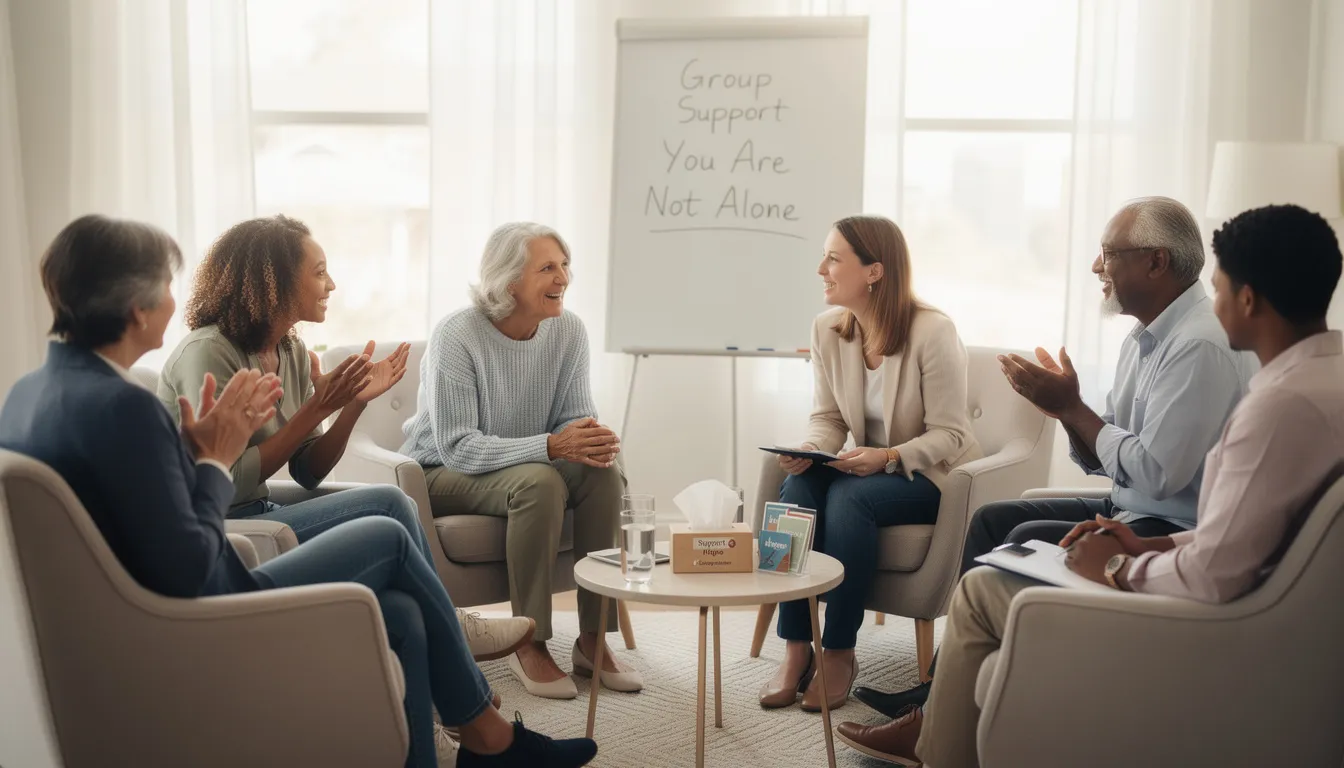
- Group Therapy Components: Peer support sessions building accountability and shared recovery experience
- Medical Monitoring and Health Assessments: Regular evaluations for infectious diseases like hepatitis and overall health status
- Urine Drug Screening Protocols: Periodic assessments ensuring treatment adherence and identifying potential relapse
- Psychiatric Evaluation and Mental Health Support: Screening and treatment for co-occurring disorders including depression and anxiety
- Family Counseling and Education: Sessions rebuilding support networks and educating loved ones about addiction recovery
- Discharge Planning and Aftercare Coordination: Comprehensive transition planning connecting patients with community resources
Access to Opioid Treatment
Finding your path to effective opioid treatment is a crucial step in your healing journey. You have several ways to begin this process – whether you’re seeking emergency help during a crisis, receiving a referral from your primary care provider, or reaching out directly to specialized addiction treatment services. The Substance Abuse and Mental Health Services Administration (SAMHSA) offers valuable resources that can guide you, including the Opioid Treatment Program Directory and the Buprenorphine Physician and Treatment Program Locator, helping you and your family find qualified providers and treatment programs right in your area.
Your medical insurance, including Medicare and Medicaid, can help cover the cost of your opioid treatment, making essential services like medication assisted treatment, counseling, and group therapy more within your reach. Luxury opioid treatment programs also provide case management and support services designed specifically for your unique needs – from mental health care to the social support that can make all the difference in your recovery.
Beyond your ongoing treatment, many programs will equip you and your loved ones with naloxone – a life-saving medication that can reverse an opioid overdose in an emergency. Learning about overdose prevention and having access to naloxone are vital parts of your comprehensive recovery support, giving you and those who care about you an extra layer of protection.
No matter where you are on your recovery journey right now, there are resources and treatment services available to help you regain your health and rebuild your life. With the right support by your side, your recovery from opioid addiction is not just possible – it’s within your reach.
Overcoming Barriers to Opioid Addiction Treatment
Even though opioid treatment programs have proven their effectiveness, you might still face significant challenges when seeking help for opioid use disorder. One of the most common obstacles on your path to healing is limited access to medication assisted treatment (MAT), especially if you live in rural or underserved communities. The Mental Health Services Administration (SAMHSA) understands these gaps in your journey and has launched targeted initiatives to expand opioid treatment program services, including funding for new clinics and support for existing providers who want to be part of your recovery story.
Your access to care is about so much more than just geography. Social determinants—like having stable housing, employment, and reliable transportation—can greatly influence your ability to engage in and benefit from treatment. That’s why comprehensive opioid treatment programs don’t just focus on medications; they also connect you with resources to address these broader life challenges, helping to remove the obstacles that might stand in the way of your healing journey.
Your healthcare providers play a crucial role in helping you overcome these barriers. Through regular risk assessments and periodic evaluations, your providers can adequately evaluate your unique needs, identify if you’re at higher risk for overdose or complications, and tailor your treatment plan accordingly. The three medications approved for opioid use disorder—methadone, buprenorphine, and naltrexone—are used in combination with individual counseling and group therapy to manage your withdrawal symptoms, reduce your opioid cravings, and support your long-term recovery.
By integrating medical care, counseling, and social support, opioid treatment programs empower you to break free from opioid dependence. Addressing both your physical symptoms and the social factors that contribute to substance abuse ensures a more holistic approach to your recovery. With ongoing support, access to approved medications, and a focus on you as a whole person, you can overcome the barriers to treatment and reclaim your health and your life. Recovery is possible for everyone—including you—with the right help, compassionate guidance, and ongoing community support.
National Initiatives and Opioid Addiction Resources
Your fight against opioid use disorder matters deeply, and you’re not alone in this journey. A wide range of organizations are working together to expand access to effective treatment and improve outcomes for you and others walking this path. The U.S. Department of Health and Human Services (HHS) has spearheaded several initiatives aimed at developing new medications and technologies to treat opioid use disorder, ensuring that you have access to the latest, evidence-based care that can transform your life.
The Substance Abuse and Mental Health Services Administration (SAMHSA) provides critical funding and resources for the treatment programs that can become part of your recovery story, supporting medication assisted treatment, counseling, and other essential services you deserve. The Centers for Disease Control and Prevention (CDC) offers guidance for your healthcare providers on safe opioid prescribing and the management of opioid use disorder, while the National Institute on Drug Abuse (NIDA) leads research into the causes, consequences, and best treatments for opioid addiction—research that directly benefits your journey toward healing.
For you and many others, the cost of treatment can feel overwhelming. But here’s hope: Medicare and other medical insurance programs now cover a wide range of opioid treatment services that you need, including medications, counseling, and case management. Additional resources, such as sliding fee scales and assistance programs, help ensure that cost doesn’t stand between you and your recovery. Your providers can also access support from professional organizations like the American Society of Addiction Medicine (ASAM) to deliver the high-quality, up-to-date care you deserve.
Education and awareness are vital components of your treatment journey. Your healthcare providers play a key role in helping you and your family understand the risks of opioid use, the benefits of treatment, and the importance of ongoing monitoring and follow-up visits in your recovery story. Naloxone, a life-saving medication that can reverse opioid overdose, is now widely available and can be administered by healthcare professionals, your family members, and caregivers in emergency situations—giving you and your loved ones powerful tools for safety.
Managing co-occurring health conditions, such as hepatitis, infectious diseases, and diabetes, is also essential for your overall well-being as you navigate recovery. Your providers are encouraged to take a holistic approach, addressing all aspects of your health and helping you thrive in every area of your life. New developments in medications and digital therapies offer hope for even better outcomes in your future, but ongoing research continues to ensure these innovations are safe and effective for your unique needs.
Your recovery from opioid use disorder is absolutely possible, and it requires a person-centered approach that recognizes your unique needs and circumstances. By working together—you, your family, your providers, and society as a whole—we can reduce stigma, expand access to treatment, and help you achieve lasting recovery and a better quality of life. Resources such as hotlines, support groups, and educational materials are available to guide you and your family every step of the way, proving that with the right support, overcoming opioid addiction is within your reach. Your story of transformation is waiting to unfold.

Our Treatment Program Process
Step 1: Initial Assessment
We conduct a comprehensive medical intake and bio-psycho-social evaluation on day one. Our team will adequately evaluate your opioid use history, complete urine drug screening, review medical history, and assess for co-occurring substance use disorders. This intake helps determine the appropriate level of care and medication options.
Step 2: Individual Service Plan Development
Your treatment team collaborates with you to establish recovery goals and create a customized service plan. This plan outlines medication schedules, counseling individual sessions frequency, and specific milestones. Plans address social determinants of health and connect you with appropriate resources.
Step 3: Medication-Assisted Treatment Initiation
During days two through seven, we safely initiate your selected medication—whether methadone, buprenorphine, or naltrexone—under close medical supervision. Our providers monitor your response and adjust dosage as needed to manage withdrawal symptoms and stabilize your condition.
Step 4: Ongoing Support and Monitoring
Recovery continues through regular counseling sessions, medical check-ups, and periodic assessments. As stability improves, patients may progress from daily observed dosing to take-home supplies. We coordinate care continuously and adjust plans based on your development and changing needs.
Patient Success Stories
“After years struggling with heroin addiction, this program gave me my life back. The combination of methadone and counseling helped me finally break free.” – Michael R., 18 Months in Recovery
“The staff treated me like a person, not just another patient. Buprenorphine treatment controlled my cravings while therapy helped me understand why I used in the first place.” – Sarah T., 2 Years Sober
“I was skeptical about medication assisted treatment, but the results speak for themselves. I’m employed, reconnected with my family, and healthy for the first time in a decade.” – David L., Program Graduate
Start Your Recovery Today
Get Professional Help Now
Every day matters when treating opioid addiction. Our experienced providers are ready to help you access comprehensive disorder treatment and begin your path to recovery.
Email: intake@legacyhealing.com
24/7 Crisis Line Available – Emergency treatment support when you need it most
Contact us today to schedule your confidential assessment or find luxury rehabs near me to take the first step toward lasting recovery.