 By:
By:
 Editor:
 Clinical Reviewer:
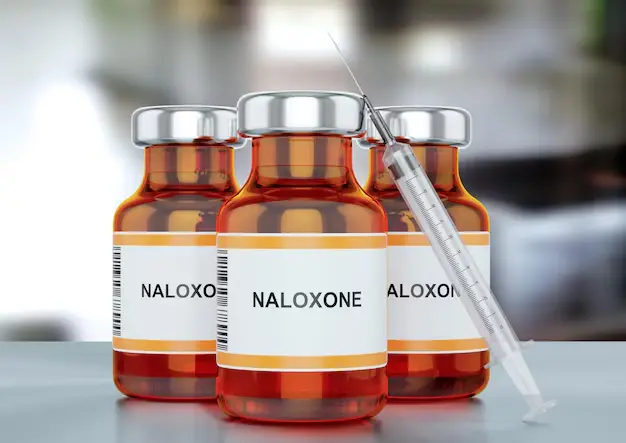
When someone overdoses on opioids, every second matters. Naloxone stands as one of the most effective emergency interventions available—a medication that can quickly restore normal breathing and consciousness within minutes. Understanding how this life saving medication works, who should carry it, and how to use it can mean the difference between a reversible crisis and a fatal outcome.
This guide provides clear, evidence-based information about naloxone: its mechanism, various delivery methods, safety profile, and expanding accessibility. Whether you’re a family member of someone prescribed opioid medications, a person in recovery, or simply a community member who wants to be prepared, this information can empower you to act decisively in an opioid emergency.

Here’s what you need to know about naloxone:
The basic emergency response sequence involves these critical steps:
Key points about naloxone and these conditions:
In the United States, the FDA approved over-the-counter status for Narcan nasal spray in 2023, allowing people to buy naloxone directly from retail pharmacies without a prescription. Many states have implemented standing orders or co prescribing naloxone policies that allow pharmacists to distribute naloxone to anyone who requests it. Where to get naloxone:

What is naloxone, an opioid antagonist?
Naloxone is an opioid antagonist medication that rapidly reverses opioid overdose by displacing opioids from μ-opioid receptors in the brain. It works quickly to restore breathing in people experiencing overdose from substances such as fentanyl, heroin, oxycodone, hydrocodone, morphine, methadone, and other opioids—typically within minutes of administration. Naloxone works by blocking opioid receptors in the brain, reversing the dangerous effects of opioids during an overdose emergency.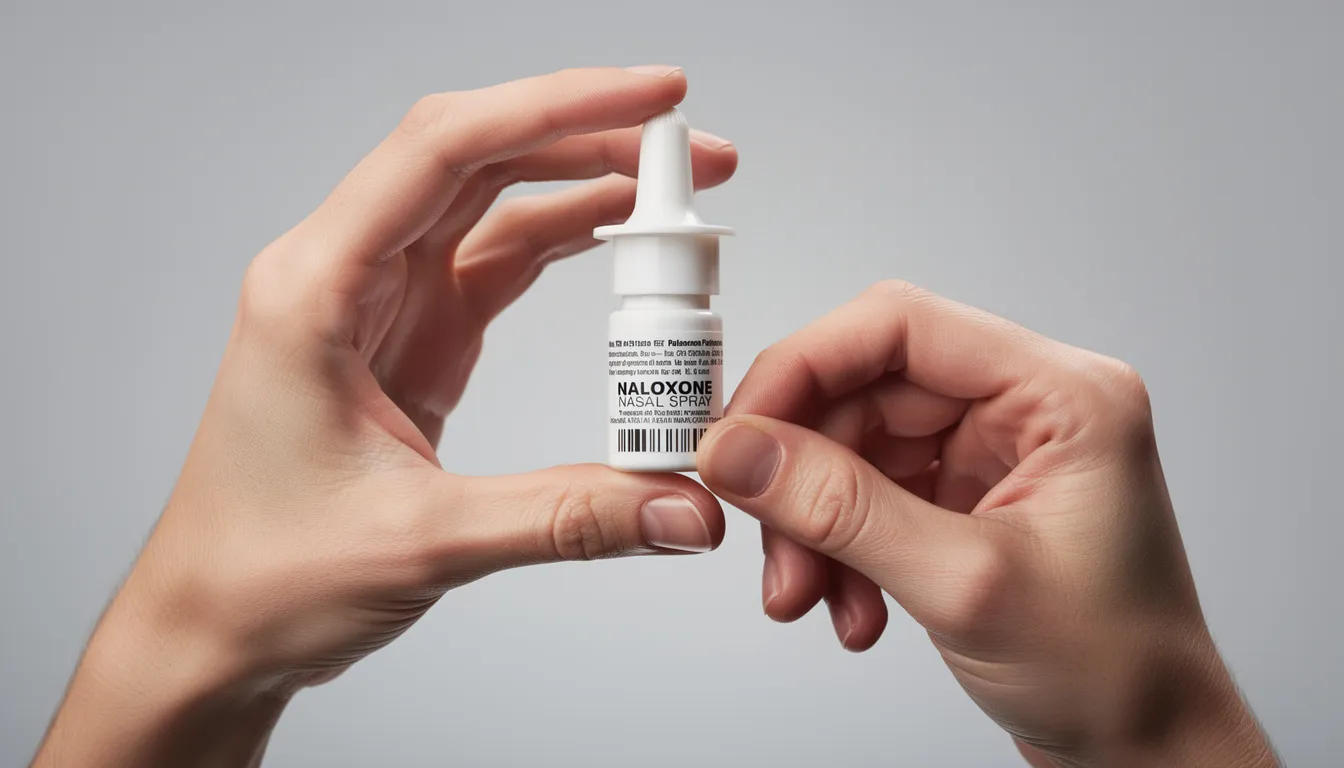
Here’s what you need to know about naloxone:
- Naloxone only works when opioids are present in a person’s system—it has no effect on individuals who haven’t used opioid drugs
- The medication is non-addictive and carries no potential for abuse
- It is included on the World Health Organization’s Model List of Essential Medicines, reflecting its critical role in global health
- Naloxone hydrochloride has been in clinical use since the early 1970s, with decades of safety data supporting its effectiveness
- Naloxone has a strong affinity for opioid receptors in the central nervous system, particularly the mu receptors
- Naloxone was patented in 1961 and approved for opioid overdose in the United States in 1971
- Beyond emergency overdose response, naloxone is also used in combination products (such as with buprenorphine) to deter misuse of opioid addiction treatment medications
- It can reverse the effects of both prescription opioids and illicit substances like heroin or illicitly manufactured fentanyl
- Names naloxone is known by include Narcan® and other brand names
How does naloxone work?
Naloxone acts as a competitive opioid receptor antagonist, meaning it binds to the same receptors in the brain where opioids attach—but without activating them. Think of it like a key that fits into a lock but doesn’t turn it. Instead, naloxone blocks the effects of opioids by physically displacing them from opioid receptors, particularly the μ-receptors that control breathing and pain sensation. This reversal mechanism quickly improves central nervous system depression and restores normal or near-normal breathing. Naloxone is used to counteract life-threatening depression of the central nervous system and respiratory system caused by opioids. It is indicated for the rapid reversal of symptoms of central nervous system depression in opioid overdose. The medication is highly lipophilic, allowing it to rapidly cross the blood-brain barrier and reach receptor sites throughout the body. Key timing and clinical details:- Intravenous injection: Onset within 1-2 minutes
- Intramuscular injection: Onset within 3-5 minutes
- Intranasal spray: Onset within approximately 5-10 minutes
- Duration of action: Naloxone works to reverse opioid overdose in the body for only 30 to 90 minutes, depending on the dose and route of administration
How is naloxone given?
Naloxone can be administered through several routes, each suited to different settings and responder capabilities:- Prepackaged nasal spray: The most common form for bystanders and community members
- Intramuscular (IM) injection: Injected intramuscularly into a large muscle, typically the thigh or upper arm
- Subcutaneous injection: Administered just beneath the skin
- Intravenous (IV) injection or infusion: Provides the fastest onset but is typically limited to hospitals and emergency medical services
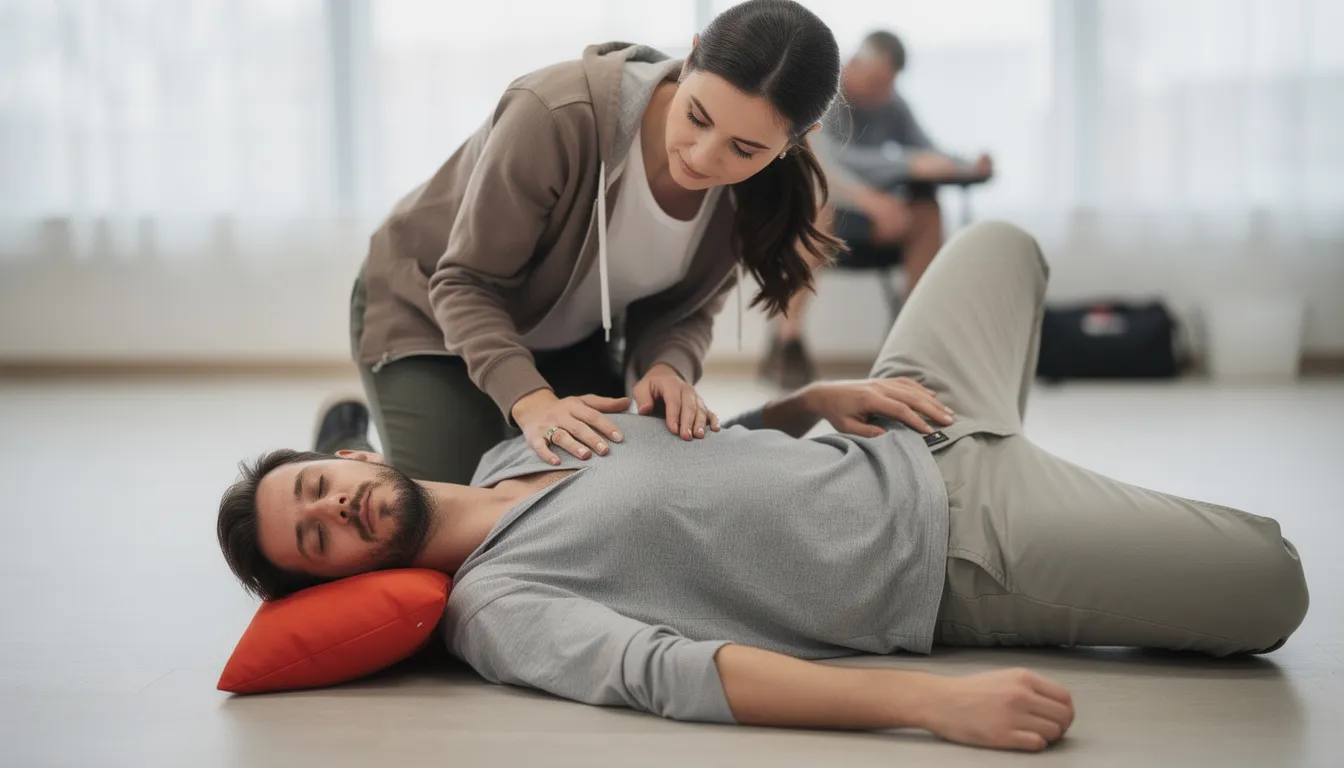
The basic emergency response sequence involves these critical steps:
- Recognize the signs of a suspected overdose (unresponsiveness, slow or absent breathing, blue lips)
- Call emergency services immediately (911 in the U.S.)
- Administer naloxone according to package instructions
- Provide rescue breathing or CPR if you are trained to do so
- Stay with the person until emergency personnel arrive
- Be prepared to give additional doses if breathing does not improve
Delivery systems and brands
Several FDA-approved naloxone formulations are available, each designed for specific use scenarios:- Single-use intranasal sprays: Narcan nasal spray (4 mg) and Kloxxado (8 mg) deliver a pre-measured dose into one nostril
- Prefilled IM syringes: Allow for intramuscular injection without drawing medication from a vial
- Autoinjectors: Legacy products like Evzio provided voice-guided injection instructions (note: manufacturing has been discontinued for some autoinjector products)
- Multi-dose injectable vials: Used primarily by clinicians and emergency medical services for flexible dosing via intramuscular or intravenous routes
- Always read product-specific instructions before use
- Check expiration dates regularly and replace expired products when possible
- Store at room temperature, away from direct sunlight and extreme heat or cold
- Beginning in 2023, some nasal naloxone products became available over-the-counter in U.S. retail pharmacies, significantly improving public access
Is Narcan the same as naloxone?
- Narcan is a brand of naloxone nasal spray, originally approved in the United States in 2015 and later reclassified to over-the-counter status
- The active ingredient in Narcan is naloxone hydrochloride—the same medication found in generic naloxone products
- Clinically, Narcan and other naloxone products work through identical mechanisms to reverse overdoses
- While “Narcan” is often used conversationally to mean any naloxone product, the correct generic term for the medication class is “naloxone”
When and who should give naloxone?
Naloxone should be given immediately to anyone who is unresponsive and shows signs of a suspected opioid overdose—particularly if they have slow, shallow, or absent breathing, blue or gray lips and fingertips, or pinpoint pupils. A critical point: naloxone is safe to administer even when you’re uncertain about the cause of someone’s condition. If no opioids are present in a person’s system, naloxone will not cause harm or worsen their situation. When in doubt, it is always better to give naloxone than to wait. Who can administer naloxone:- Family members and friends of people who use opioids
- People who use drugs themselves
- Outreach workers and harm reduction staff
- Bystanders who have received basic training
- Medical professionals in clinical settings
- First responders including police officers, firefighters, and EMTs
- People with opioid use disorder or a history of opioid misuse
- Individuals prescribed high dose opioid therapy for chronic pain
- People using opioids in combination with benzodiazepines, alcohol, or other drugs that depress breathing
- Family members or housemates of anyone using opioids
- Anyone whose work or social environment places them around opioid use
Recognizing an opioid overdose
Knowing how to identify an overdose quickly is essential for effective intervention:- Breathing changes: Very slow, shallow, or completely stopped breathing
- Unresponsiveness: Cannot be awakened by shouting, shaking, or a firm sternal rub
- Physical appearance: Limp body, pale or clammy skin
- Pupil size: Pinpoint (very small) pupils
- Skin color: Blue or gray lips, fingertips, or nail beds—especially common in overdoses involving fentanyl
- Sounds: Snoring, gurgling, or choking sounds indicating airway obstruction
Step-by-step response with naloxone
Follow this sequence when responding to a suspected overdose:- Check responsiveness: Try to wake the person by calling their name loudly and performing a sternal rub (rubbing knuckles firmly on the breastbone)
- Call for help: Dial emergency services immediately (911 in the U.S., 000 in Australia, 112 in the EU)
- Administer naloxone: For intranasal products, insert the nozzle into one nostril and press the plunger firmly; for injectable naloxone, inject into a large muscle (thigh or upper arm)—injection can be given through clothing if necessary
- Support breathing: If trained, begin rescue breathing or CPR while waiting for naloxone to take effect
- Monitor and repeat: If there is no improvement within 2-3 minutes, or if breathing slows again, give another dose of naloxone
- Stay present: Remain with the person until emergency personnel arrive, continuing to monitor their breathing and level of consciousness
Safety, side effects, and precautions
Naloxone has an established safety record spanning more than five decades of clinical use. The medication does not cause dependence, intoxication, or any form of drug abuse—it simply cannot produce a “high” or be misused for recreational purposes. However, when naloxone is given to someone with opioid dependence, it can trigger sudden withdrawal symptoms:- Nausea and vomiting
- Sweating and chills
- Agitation and anxiety
- Muscle aches and cramping
- Runny nose and watery eyes
- Rapid heart rate
- Elevated blood pressure
- Abrupt changes in blood pressure
- Cardiac arrhythmias
- Pulmonary edema (fluid in the lungs)
- Naloxone wears off in 30-90 minutes, meaning a person can slip back into overdose if longer-acting opioids or potent synthetics remain in their system
- Anyone revived with naloxone treatment should be monitored for at least 2 hours after the final dose
- Strongly discourage the person from using more opioids after reversal, as this creates a higher risk of a second, potentially fatal overdose
Tolerance, dependence, and addiction
Understanding these distinct concepts helps clarify naloxone’s role:| Term | Definition |
| Tolerance | Needing higher doses of opioids to achieve the same effect over time |
| Physical dependence | Experiencing withdrawal symptoms when opioid use is suddenly stopped |
| Addiction (Opioid Use Disorder) | Compulsive opioid use despite negative consequences; a chronic medical condition |
- Naloxone can abruptly trigger withdrawal in people who are physically dependent on opioids
- These withdrawal symptoms may feel like intense flu-like illness combined with anxiety and cravings
- Naloxone is not a treatment for addiction or opioid withdrawal—it is purely an emergency antidote for overdose
- The medication does not reverse overdoses caused solely by non-opioid substances such as cocaine, methamphetamine, or alcohol
- When mixed substance use is suspected, naloxone should still be given, as opioids may be contributing to respiratory depression
Access, cost, and legal considerations
Naloxone availability has expanded significantly in recent years, reflecting growing public health recognition of its importance in addressing fatal overdoses.
In the United States, the FDA approved over-the-counter status for Narcan nasal spray in 2023, allowing people to buy naloxone directly from retail pharmacies without a prescription. Many states have implemented standing orders or co prescribing naloxone policies that allow pharmacists to distribute naloxone to anyone who requests it. Where to get naloxone:
- Local pharmacy locations (with or without prescription, depending on jurisdiction)
- Community harm reduction centers
- Syringe services programs
- Public health clinics and health departments
- Outreach organizations focused on overdose prevention
- Some emergency departments and urgent care facilities
Good Samaritan and liability protections
- Good Samaritan laws in many U.S. states and other countries are designed to encourage people to seek help for overdoses without fear of arrest for minor drug possession
- Separate overdose treatment liability laws may protect lay rescuers and clinicians from civil liability when they administer naloxone according to accepted guidelines
- These protections recognize that the priority in an overdose situation must be saving a life, not legal consequences
- Check your state or national health department website for specific protections and naloxone distribution policies currently in force
Naloxone in harm reduction and public health
Naloxone represents a cornerstone of modern harm reduction strategies. Take-home naloxone programs, peer distribution networks, and community training initiatives have made this emergency treatment accessible far beyond traditional medical settings. Evidence supporting naloxone’s public health impact:- Widespread naloxone distribution has been associated with measurable reductions in fatal opioid overdoses in multiple regions across North America, Europe, and Australia
- Research does not support common myths that naloxone encourages riskier drug use or causes violent behavior in people who receive it
- The medication’s safety profile and ease of use make it ideal for community-based distribution
- Naloxone vending machines in high-risk areas
- Mail-based distribution programs for people in remote or underserved communities
- Integration with fentanyl and xylazine test strip programs
- Partnerships between health departments and community organizations to distribute naloxone at scale
Training and education
Effective naloxone use begins with education:- Many public health agencies and community organizations offer free naloxone training covering overdose recognition, step-by-step administration, rescue breathing techniques, and post-reversal care
- Training programs are available through SAMHSA, state health departments, harm reduction coalitions, and healthcare organizations
- Even brief training sessions—whether online modules or short in-person workshops—significantly increase confidence and effectiveness among lay responders
- Topics typically covered include recognizing signs of overdose, calling emergency services, proper naloxone administration technique, and what to do while waiting for emergency care
Disease Control and Naloxone
The fight against overdose is at the heart of your recovery journey, and naloxone stands as a beacon of hope in this battle. When opioids overwhelm your system, naloxone steps in as a life-saving guardian — rapidly blocking those receptors in your brain and breathing pathways, reversing the dangerous effects and helping you breathe again. This is where clinical expertise meets human compassion — where every second matters in protecting the life you’re fighting to rebuild. Naloxone hydrochloride — found in products like Narcan nasal spray and injectable forms — is designed with your safety and your peace of mind at the center. Whether you need the nasal spray, an injection, or medical professionals deliver it intravenously, naloxone works quickly to reverse opioid effects and bring you back to safety. What makes this medication truly remarkable is its simplicity — not just emergency responders, but you, your family, and your loved ones can carry naloxone and be prepared to act when it matters most. Your courage to carry naloxone represents a cornerstone of hope and healing. These life-saving kits, complete with clear instructions, empower you — whether you’re navigating opioid use challenges, taking prescribed medications, or supporting someone you love — to respond immediately when overdose strikes. This proactive step in your journey has proven to dramatically reduce fatal overdoses, making naloxone an essential companion in your path toward lasting recovery. When healthcare providers offer naloxone alongside opioid medications, they’re wrapping you in an extra layer of protection and care. This thoughtful practice acknowledges the realities of your experience and provides a safety net for those moments when accidents happen. It’s not about judgment — it’s about honoring your vulnerability and ensuring you have every tool possible for your safety. While naloxone might trigger withdrawal symptoms if you’re living with opioid dependence, these effects are temporary and far less dangerous than an untreated overdose. Anyone supporting you through this experience should understand these potential symptoms and ensure that professional medical care follows immediately — because your wellbeing extends beyond the immediate emergency. Ultimately, naloxone’s role in your recovery reaches far beyond individual emergencies. When communities make this life-saving medication widely available and encourage at-risk individuals like you to carry naloxone, we create networks of hope that can rapidly reverse overdoses and support transformation from surviving to thriving. As we continue navigating the complexities of opioid challenges together, naloxone remains your indispensable ally in protecting the precious life you’re working so hard to heal and rebuild.
Storage, expiration, and disposal
Proper storage helps ensure naloxone remains effective when needed:- Store at room temperature (generally 59-77°F or 15-25°C)
- Keep away from direct sunlight and moisture
- Avoid extreme temperatures—do not leave in a hot car during summer or allow to freeze
- Carry in an insulated case if environmental temperature control is not possible
- Check expiration dates printed on packaging regularly
- Replace expired products when feasible
- In an emergency, an expired dose of naloxone is generally considered better than no naloxone at all—expired medication may be less potent but can still be effective
- Regulatory agencies have extended shelf life for some products (including certain Narcan formulations) based on stability testing data
- Consult current product information for the most up-to-date expiration guidance
- Use medicine take-back kiosks at pharmacies or community locations when available
- Participate in pharmacy return programs
- Follow local guidance for household disposal if no take-back program exists in your area
- Used single-use nasal sprays or autoinjectors should be discarded safely according to local sharps or medical waste recommendations
Key takeaways
- Naloxone is a fast-acting, safe, and non-addictive medication that can rapidly reverse life-threatening opioid overdoses by blocking opioid receptors and restoring normal breathing
- Anyone who might witness an overdose—including people who use opioids, their family members, friends, and community members—should consider keeping naloxone accessible and learning how to use it
- The core lifesaving steps are: call emergency services, give naloxone promptly, support breathing if trained, and stay with the person until help arrives
- Naloxone is increasingly available at local pharmacy locations, community programs, and public health agencies—many options exist to obtain it at low or no cost
- Seek training from trusted sources such as SAMHSA, your state health department, or local harm reduction organizations to build confidence in recognizing overdoses and responding effectively