



-
 By:
Valerie Puffenberger, PMHNP-BC
By:
Valerie Puffenberger, PMHNP-BC
-
 Editor:
Phyllis Rodriguez, PMHNP-BC
Editor:
Phyllis Rodriguez, PMHNP-BC
-
 Clinical Reviewer:
Dr. Ash Bhatt, MD, MRO
Clinical Reviewer:
Dr. Ash Bhatt, MD, MRO
The question “is xylazine ketamine?” has become increasingly common as both drugs appear in news headlines about the polysubstance overdose crisis sweeping across North America and Europe. With xylazine and fentanyl mixtures driving overdose deaths to record levels, understanding what these substances actually are has never been more important.
This guide breaks down everything you need to know about xylazine vs ketamine—from their pharmacology and clinical uses to their presence in the illicit drug market and practical harm reduction strategies. Whether you’re a healthcare provider, someone in addiction medicine, or simply trying to understand the deadliest drug threat facing communities today, this comparison will give you the clarity you need.
Quick Answer: Is Xylazine the Same as Ketamine?
No, xylazine is not ketamine. They are completely different drugs with distinct chemical structures, mechanisms of action, and approved uses. While both are used in veterinary medicine as sedative and anesthetic agents, they work on entirely different receptor systems in the central nervous system.
Here’s the essential distinction:
- Xylazine is an alpha-2 adrenergic receptor agonist that produces sedation by reducing norepinephrine release
- Ketamine is an NMDA receptor antagonist that produces dissociative anesthesia by blocking glutamate signaling
| Key Difference | Xylazine | Ketamine |
|---|---|---|
| Same drug? | No | No |
| Primary receptor | Alpha-2 adrenergic | NMDA (glutamate) |
| Approved for humans? | No | Yes |
| Drug class | Veterinary tranquilizer | Dissociative anesthetic |
| Controlled substance (US)? | Emerging regulations | Schedule III |
Ketamine has established human use for anesthesia, pain management, and treatment-resistant depression. Xylazine has no approved indication for human use and was developed exclusively for veterinary settings.
The confusion often arises because both drugs now appear together in street drugs, and the ketamine xylazine combination is a standard protocol in veterinary anesthesia. But pharmacologically and clinically, they remain fundamentally different substances.
What Are Xylazine and Ketamine? Basic Definitions
Before diving into mechanisms and clinical applications, let’s establish clear definitions for each substance in plain language. Understanding what these drugs actually are helps cut through the confusion that leads people to ask whether xylazine is ketamine in the first place.
Xylazine
Xylazine is a veterinary sedative, analgesic, and muscle relaxant first synthesized in 1962. It was developed by Bayer as a potential antihypertensive medication for humans but was never approved for human use due to its pronounced sedative effect and cardiovascular depression.
Key facts about xylazine:
- Approved only for use in animals (horses, cattle, dogs, cats, deer, elk)
- Also known as “tranq,” “tranq dope,” or by the brand name Rompun
- Classified as a non-opioid veterinary anesthetic
- Produces sedation, muscle relaxation, and pain relief in animals
- Now appearing as an adulterant in illicit fentanyl and heroin supplies
Ketamine
Ketamine is a dissociative anesthetic developed in the 1960s as a safer alternative to phencyclidine (PCP). Unlike xylazine, ketamine has a well-established role in both human and veterinary medicine.
Key facts about ketamine:
- Approved for human and veterinary anesthesia worldwide
- Also known as “K,” “Special K,” “ket,” or “vitamin K” in street contexts
- Used in emergency medicine, surgical procedures, and psychiatric treatment
- Produces analgesia, amnesia, and a dissociative state
- Esketamine (S-ketamine) is FDA-approved for treatment-resistant depression
Both drugs can be administered via injection (IV, IM, subcutaneous injection) in clinical and veterinary settings. In the illicit drug market, they may be injected, snorted, or smoked depending on the preparation.
Pharmacology: How Xylazine vs Ketamine Work in the Brain
Understanding why these drugs produce different effects requires looking at their mechanisms of action. The receptors each drug targets determine everything from their sedative properties to their risk profiles.
How Xylazine Works
Xylazine functions as an alpha-2 adrenergic receptor agonist. When it binds to these receptors in the brain and spinal cord, it inhibits the release of norepinephrine—a neurotransmitter responsible for arousal, alertness, and sympathetic nervous system activity.
The result is a cascade of effects:
- Sedation: Decreased norepinephrine in the locus coeruleus reduces vigilance and wakefulness
- Muscle relaxation: Alpha-2 activation in spinal motor pathways reduces muscle tone
- Analgesia: Modulation of pain pathways provides moderate pain relief
- Cardiovascular depression: Reduced sympathetic tone causes bradycardia (slow heart rate) and hypotension (low arterial blood pressure)
- Respiratory depression: At high doses, breathing rate and depth decrease significantly
Xylazine is pharmacologically similar to clonidine and dexmedetomidine—other alpha-2 agonists used in human medicine—but is more potent and has never been approved for human use.
How Ketamine Works
Ketamine works primarily as a non-competitive NMDA receptor antagonist. NMDA receptors are glutamate receptors that play a crucial role in excitatory neurotransmission, pain perception, and memory formation.
By blocking these nmda receptors, ketamine produces:
- Dissociative anesthesia: Sensory input becomes disconnected from conscious experience
- Profound analgesia: Pain signals are blocked at multiple levels of the nervous system
- Amnesia: Memory formation is impaired during the drug’s effects
- Relative preservation of respiratory function: Unlike most anesthetics, ketamine tends to maintain breathing reflexes
- Cardiovascular stimulation: Heart rate and blood pressure typically increase rather than decrease
Beyond NMDA blockade, ketamine also interacts with opioid receptors, serotonin systems, and other neurotransmitter pathways, which may explain its rapid antidepressant effects.
Critical Difference: Overdose Response
Because xylazine and ketamine work on different receptors, naloxone does not reverse either drug. However, naloxone should still be administered in suspected overdoses because fentanyl or other opioids are frequently present in street drug samples.
Xylazine has no approved human antidote. In veterinary practice, yohimbine or atipamezole can reverse its effects, but these reversal agents are not standard in human emergency medicine. Ketamine toxicity is managed supportively with airway protection and monitoring.
Clinical and Veterinary Uses: Xylazine vs Ketamine
Both drugs are foundational in veterinary practice, but they serve different purposes and only ketamine has legitimate human applications. Understanding their clinical roles helps clarify why they’re sometimes confused—and why that confusion can be dangerous.
Xylazine in Veterinary Medicine
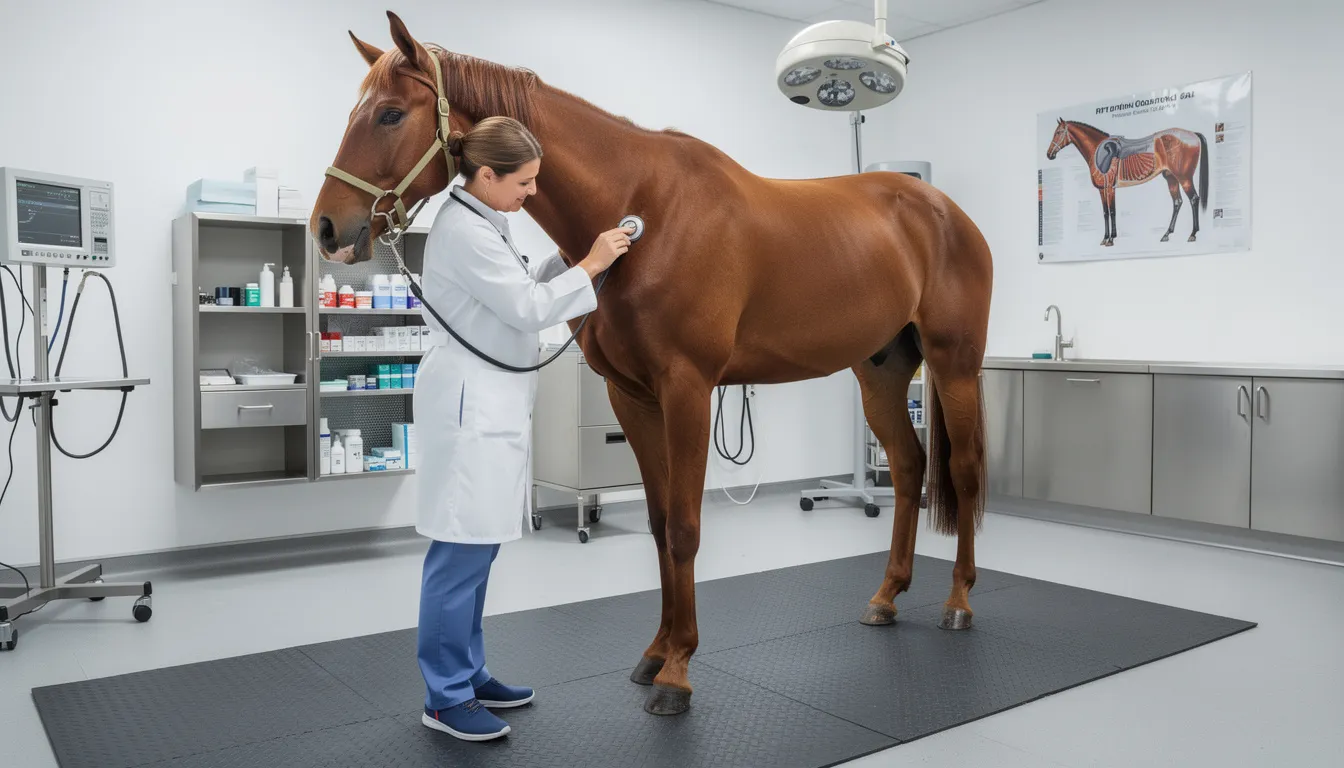
Veterinary medicine xylazine applications include:
- Pre-anesthetic sedation: Calming animals before inducing full anesthesia
- Minor surgical procedures: Providing sedation and muscle relaxation for short, minimally painful procedures
- Chemical restraint: Immobilizing animals for examinations, imaging, or wound treatment
- Balanced anesthesia: Used in combination with ketamine or other drugs for deeper surgical anesthesia
Xylazine is particularly valued for its muscle relaxing properties, which ketamine alone does not provide adequately. In laboratory animal science, the ketamine-xylazine combination is considered an “agent of choice” for rodent surgical procedures.
Ketamine in Human and Veterinary Medicine
Ketamine has a much broader scope of approved uses:
- General anesthesia: Induction and maintenance of anesthesia in surgery and emergency medicine
- Procedural sedation: Short painful procedures like fracture reductions, burn dressings, and wound care
- Treatment-resistant depression: IV, IM, or intranasal ketamine in psychiatric settings
- Chronic pain management: Subanesthetic infusions for conditions like complex regional pain syndrome
- Veterinary anesthesia: Standard protocol across many species, often combined with sedatives
| Comparison | Xylazine | Ketamine |
|---|---|---|
| Approved species | Animals only | Humans and animals |
| Typical indications | Sedation, muscle relaxation, pre-anesthesia | Anesthesia, analgesia, depression treatment |
| Setting of use | Veterinary clinics, farms, laboratories | Hospitals, ERs, psychiatric clinics, vet settings |
| Human medical use | Not approved | Established and expanding |
Why Vets Combine Them
In animals, the ketamine-xylazine combination creates synergy that neither drug provides alone. Studies in rats using 100 mg/kg ketamine plus 10 mg/kg xylazine demonstrate effective surgical anesthesia with good muscle relaxation and analgesia.
In horses, continuous rate infusions of xylazine (0.6–1.2 mg/kg/h) with ketamine (1.8–3.6 mg/kg/h) reduce requirements for inhalant anesthetics like isoflurane and can shorten recovery times compared to other protocols.

Sedation, Anesthesia, and Side Effects Compared
The drug effects of xylazine and ketamine differ substantially, which has major implications for both therapeutic use and overdose risk. Here’s what each substance does to the body—and what can go wrong.
Xylazine Effects and Risks
Primary effects:
- Deep sedation with reduced awareness
- Significant muscle relaxation
- Moderate analgesic properties
- Bradycardia (heart rate may drop below 40 bpm in some species)
- Hypotension
- Respiratory depression, especially at high doses
Adverse effects in humans:
- Profound, prolonged sedation (8–72 hours in overdose cases)
- Severe skin ulcers and necrotic skin wounds, often distant from injection sites
- Xylazine toxicity that may require extended intensive care
- Xylazine withdrawal with symptoms distinct from opioid withdrawal
- Xylazine intoxication and xylazine poisoning patterns that emergency providers are still learning to recognize
Ketamine Effects and Risks
Primary effects:
- Dissociation—feeling disconnected from body and environment
- Strong analgesia lasting 15–45 minutes
- Catalepsy (rigid, unresponsive posture with open eyes)
- Preserved respiratory function at standard doses
- Increased heart rate and blood pressure
- Amnesia for the duration of effects
Adverse effects:
- Emergence reactions: vivid dreams, hallucinations, agitation, confusion upon waking
- Nausea and vomiting
- With chronic misuse: bladder toxicity (ketamine cystitis), cognitive impairment
- Psychological dependence with repeated recreational use
- Temporary increases in intracranial and intraocular pressure
Side-by-Side Comparison of Xylazine vs Ketamine
| Parameter | Xylazine | Ketamine |
|---|---|---|
| Sedation type | Deep, calming sedation | Dissociative trance state |
| Heart rate | Decreases (bradycardia) | Increases (tachycardia) |
| Blood pressure | Decreases | Increases |
| Respiratory function | Depressed | Relatively preserved |
| Airway reflexes | Reduced | Relatively preserved |
| Unique risks | Skin ulcers, necrosis | Emergence phenomena, bladder damage |
| Duration in overdose | Up to 72 hours | Usually 1–4 hours |
When xylazine and ketamine are combined—whether in veterinary protocols or illicit mixtures—the risks compound. The combination deepens anesthesia but also increases risk of cardiorespiratory compromise, requiring close monitoring of serum concentrations and vital signs.
Xylazine and Ketamine in the Illicit Drug Supply
Both xylazine and ketamine have moved beyond clinical settings into street markets, but their trajectories and patterns of drug abuse differ significantly. Understanding how they appear in the illicit drug market is essential for drug users, healthcare providers, and public health officials alike.
Ketamine’s Long History of Misuse
Ketamine has been misused recreationally since the 1970s, valued for its dissociative and psychedelic effects at sub-anesthetic doses. It became established as a “club drug” in rave and party scenes during the 1990s.
Today, ketamine misuse includes:
- Recreational use for dissociative “K-hole” experiences
- Self-medication for depression or anxiety outside clinical supervision
- Diversion from veterinary and medical supplies
- Illicit manufacture and trafficking
While ketamine carries risks, its pharmacology is well-characterized and its anesthetic effects remain relatively predictable.
Xylazine’s Emergence as an Adulterant
Xylazine’s path into street drugs is different and more insidious. Rather than being sought for its own effects, xylazine emerged primarily as an adulterant:
- Early 2000s, Puerto Rico: First documented appearance in illicit drug samples
- 2006, Philadelphia: Philadelphia medical examiner’s office began detecting xylazine in drug-related deaths
- 2010s: Spread across the East Coast, particularly in heroin and fentanyl supplies
- 2020s: Found in drug samples nationwide, contributing to seven drug-related deaths and far more
By 2022, xylazine was detected in a significant percentage of illicit fentanyl powder and fentanyl pills seized by law enforcement. The Drug Enforcement Administration has issued multiple alerts about xylazine-involved overdoses.
Why Dealers Add Xylazine
Drug suppliers add xylazine to opioids for several reasons:
- Prolongs effects: Xylazine’s sedative effect extends the “nod” that drug users seek
- Cheap and available: Xylazine hydrochloride costs less than heroin or fentanyl
- Not detected by standard tests: Many fentanyl test strips don’t detect xylazine
- Legal ambiguity: Until recently, xylazine wasn’t a controlled substance in most jurisdictions
The result is that people buying illicit fentanyl or heroin may unknowingly receive fentanyl mixtures containing xylazine—dramatically increasing their overdose risk.
When “Ketamine” Contains Xylazine
Reports indicate that some street ketamine samples also contain xylazine or other adulterants. People seeking ketamine’s dissociative effects may instead experience:
- Profound, unexpected sedation
- Cardiovascular depression
- Risk of skin wounds
- Unpredictable duration of effects
Drug checking services and xylazine detection testing can help identify contaminated samples, though availability remains limited in many areas.
Legal Status and Regulation: Xylazine vs Ketamine
The regulatory landscape for these drugs differs substantially, though xylazine’s legal status is evolving rapidly in response to the public health crisis it has created.
Ketamine Regulation
Ketamine is internationally controlled under drug conventions and national laws:
- United States: Schedule III controlled substance under federal law
- United Kingdom: Class B controlled substance
- European Union: Controlled under national legislation in member states
- Medical access: Available by prescription for anesthesia, with specialized access for depression treatment
Because ketamine has established medical uses, its regulation focuses on preventing diversion while maintaining access for healthcare professionals.
Xylazine Regulation: A Rapidly Changing Landscape
Xylazine’s regulatory status is more complicated and has changed dramatically in recent years:
- Historically: Not a controlled substance in most countries because it was limited to veterinary use
- United States: The DEA designated xylazine as an “emerging drug threat” in 2023; federal scheduling discussions ongoing
- State-level controls: Several US states have now classified seized xylazine as a controlled substance
- United Kingdom: Xylazine will become a Class C controlled substance in 2025
- Canada and Australia: Enhanced monitoring and veterinary supply controls
| Jurisdiction | Ketamine Status | Xylazine Status |
|---|---|---|
| US Federal | Schedule III | Not scheduled (as of early 2024) |
| UK | Class B | Class C (from 2025) |
| Several US States | Schedule III | Newly controlled |
| Veterinary supply | Prescription only | Prescription only |
Sources of Diversion
Both drugs enter illicit markets through:
- Theft from veterinary clinics and veterinary settings
- Fraudulent prescriptions
- Diversion from laboratory animals facilities
- International trafficking
- Illicit synthesis (primarily ketamine)
National drug control policy discussions increasingly focus on tighter controls for veterinary drugs like xylazine while preserving legitimate veterinary medicine access.
Harm Reduction and Safety Considerations
Neither xylazine nor ketamine should be used outside medical or veterinary supervision. However, the reality is that many people are already exposed through the illicit drug market. Practical harm reduction strategies can reduce deaths and injuries.
Naloxone and Opioid Overdose Response
Critical point: Naloxone reverses opioid effects but does NOT directly reverse xylazine or ketamine.
However, naloxone should still be administered in any suspected opioid overdose because:
- Fentanyl or other opioids are almost always present in xylazine-adulterated supplies
- Reversing the opioid component can be life-saving even if xylazine effects persist
- Multiple doses may be needed for high-potency synthetic opioids
For people with opioid use disorder who also use xylazine-contaminated drugs, the risk of xylazine overdose adds complexity to overdose response.
Practical Harm Reduction Strategies
For drug users and those who support them:
- Use drug checking services where available to test for xylazine and ketamine
- Never use alone—have someone present who can call for help
- Start with smaller doses when using unfamiliar supplies
- Avoid mixing with alcohol (drug alcohol interactions increase risk), benzodiazepines, or other CNS depressants
- Carry naloxone and know how to use it
- Learn rescue breathing since respiratory depression from xylazine doesn’t respond to naloxone
Wound Prevention and Care
Xylazine-related skin ulcers represent a unique harm:
- Wounds can appear anywhere on the body, not just injection sites
- Regular skin checks can catch problems early
- Clean and bandage wounds promptly
- Seek medical care for any signs of infection or necrosis
- A hospitalized patient with unexplained skin wounds should be evaluated for xylazine exposure
When to Seek Emergency Care
Call emergency services immediately if someone shows:
- Prolonged unconsciousness (not waking after naloxone)
- Slow, shallow, or absent breathing
- Blue or gray lips, fingernails, or skin
- Slow heart rate (if detectable)
- Cold, clammy skin
Treatment and Recovery Considerations
Drug and alcohol dependence involving xylazine or ketamine requires specialized care:
- Xylazine withdrawal is distinct from opioid withdrawal and may require different management
- Alcohol dependence complicates treatment of polysubstance use
- Addiction medicine specialists can help navigate complex dependence patterns
- Mental health support is essential for recovery
Those seeking help with Xylazine or Ketamine addiction call 888-534-2295 to speak with our licensed addiction specialist about treatment options, including medication-assisted treatment for concurrent opioid use disorder.
Getting Help with Xylazine or Ketamine Addiction
Let’s return to the original question: Is xylazine ketamine? The answer is definitively no.
Xylazine and ketamine are distinct drugs with different:
- Mechanisms: Alpha-2 agonist vs NMDA antagonist
- Approved uses: Veterinary only vs human and veterinary
- Safety profiles: Severe cardiorespiratory depression vs relative preservation of vital functions
- Legal status: Emerging controls vs established Schedule III
- Clinical roles: Sedative adjunct vs primary anesthetic
The key clinical differences matter enormously:
| Xylazine | Ketamine |
|---|---|
| Causes bradycardia and hypotension | Causes tachycardia and hypertension |
| Profound respiratory depression | Relatively preserved respiratory function |
| No approved human use | Established human anesthetic |
| Causes necrotic wounds | No wound toxicity |
| Emerging street adulterant | Established recreational drug |
The public health crisis driven by xylazine-adulterated opioids demands urgent attention. Unlike ketamine, which has legitimate therapeutic applications, xylazine in the human drug supply represents a contamination problem—not a new therapeutic option.
Moving forward, addressing this crisis requires:
- Better surveillance of the drug supply through expanded testing
- Updated regulation that controls xylazine without disrupting veterinary access
- Clinician education on recognizing and treating xylazine-related presentations
- Enhanced harm reduction services including xylazine testing and wound care
- Continued research into xylazine-specific treatments and reversal agents
Those seeking help with Xylazine or Ketamine addiction, or if you or someone you know uses substances that may contain xylazine or ketamine, call 888-534-2295 to speak with our licensed addiction specialist about treatment options, including medication-assisted treatment for concurrent opioid use disorder.
For those in healthcare, staying informed about these substances through professional development and public health updates is essential for providing effective care in this evolving crisis.