



-
 By:
Valerie Puffenberger, PMHNP-BC
By:
Valerie Puffenberger, PMHNP-BC
-
 Editor:
Phyllis Rodriguez, PMHNP-BC
Editor:
Phyllis Rodriguez, PMHNP-BC
-
 Clinical Reviewer:
Dr. Ash Bhatt, MD, MRO
Clinical Reviewer:
Dr. Ash Bhatt, MD, MRO
Inpatient and outpatient addiction treatment programs have helped millions of people build healthier, sober lives. Yet for many families, rehab cost remains the biggest barrier to getting help.
“I know the costs of treatment can seem daunting, but there are options to make rehab accessible regardless of your financial situation,” says psychiatric mental health nurse practitioner (PMHNP) Valerie Puffenberger. “Not getting the help you need could cost you far more in the long run in terms of your health, relationships, and quality of life.”
This updated guide breaks down 2025 national average rehab costs, from detox through aftercare, explains what insurance covers (including new parity enforcement changes), and offers practical ways to make treatment more affordable.
Did you know most insurance plans now cover addiction treatment, often with little to no out-of-pocket cost?
You can verify your benefits online or call Legacy Healing Center’s admissions team at 888-534-2295.
Typical Costs of Rehab

Costs vary widely depending on the level of care, location, and type of facility. Below are national averages for the United States, not region-specific numbers.
How Much Does Medically Monitored Detox Cost?
Medically monitored detox is a process by which treatment professionals provide medications, therapies, and other treatments to patients going through acute withdrawal. The goal is to get patients through withdrawal safely and comfortably so they are in the best state of mind when they begin later treatment.
Medically monitored detox is always highly advisable but considered absolutely essential in the case of alcohol, barbiturate, and benzodiazepine use disorders, as their withdrawal symptoms are frequently deadly.
2025 Detox Cost Range
- $350–$1,000 per day
- Average total for a 5–7 day detox: $2,000–$7,000
How Much Does Inpatient or Residential Rehab Cost?
Inpatient or residential programs require patients to live at a rehab facility where they receive around-the-clock monitoring, medication, therapies, and other treatments.
Inpatient rehab completely separates patients from triggers, enablers, and the underlying causes of their addictions, allowing them to fully focus on recovery. For these reasons, inpatient rehab is widely agreed to provide the greatest likelihood of a successful and lasting recovery.
2025 Inpatient Rehab Cost Range
Short-term (28–30 days):
- $7,000–$30,000
- Average: ~$15,000
Long-term (60–90 days):
- $15,000–$75,000
- Average: ~$40,000
How Much Does a Partial Hospitalization Program (PHP) Cost?
Partial hospitalization programs are rehab programs that require patients to attend several hours of treatment three to five days per week, usually while living at home.
PHPs provide significantly more flexibility than inpatient programs while still helping patients adjust to “normal” life in a more gentle and protective way.
2025 PHP Cost Range
- $400–$650 per day
- $2,800–$4,500 per week
How Much Does an Intensive Outpatient Program (IOP) Cost?
Intensive outpatient programs require patients to attend treatment sessions several days a week while living at home. Generally, they are not as time-intensive or focused on mental health as PHPs.
Intensive outpatient programs allow patients to continue to meet daily obligations (e.g., work, school, looking after children, etc.) while still receiving treatment and adjusting to a life of sobriety.
2025 IOP Cost Range
- $250–$500 per day
- $1,800–$3,500 per week
How Much Does Outpatient Rehab (OP) Cost?
Outpatient rehab programs require patients to attend treatment sessions several days a week but fewer sessions and/or days than IOPs. Outpatient rehab programs provide the greatest personal freedom and scheduling flexibility, but they also provide the lowest amount of treatment and are often advised as a step-down level of care.
2025 Outpatient Rehab Cost Range
- $1,800–$12,000 for 30 days
- Average: ~$6,500
How Much Does Aftercare Cost?
Aftercare is a collective term used to describe a wide variety of medical and clinical interventions that patients use after they complete inpatient and outpatient rehabs. Examples of common aftercare services include therapy, education and training, drug testing, sober living homes, support groups, individualized treatment plans, counseling, and peer mentoring.
2025 Aftercare Cost Estimates
- Individual therapy: $100–$180 per session (in-person)
- Teletherapy: $50–$90 per session
- Sober living homes: $800–$2,500 per month
What Affects the Cost of Rehab?
How much drug and alcohol rehab costs depends on a large number of factors, including:
- The type of rehab facility or program
- The location of the rehab facility or program
- The duration of treatment
- The available amenities, treatments, and services
- Whether the rehab program or facility is considered luxury
- The credentials of the staff
- Insurance coverage
- Provided aftercare services
- Holistic and alternative therapies
- Medication costs
- The type of addiction
- The age of the patient
- Any co-occurring mental health or medical conditions
- Available payment plans and financing options
Does Health Insurance Cover Rehab in 2025?
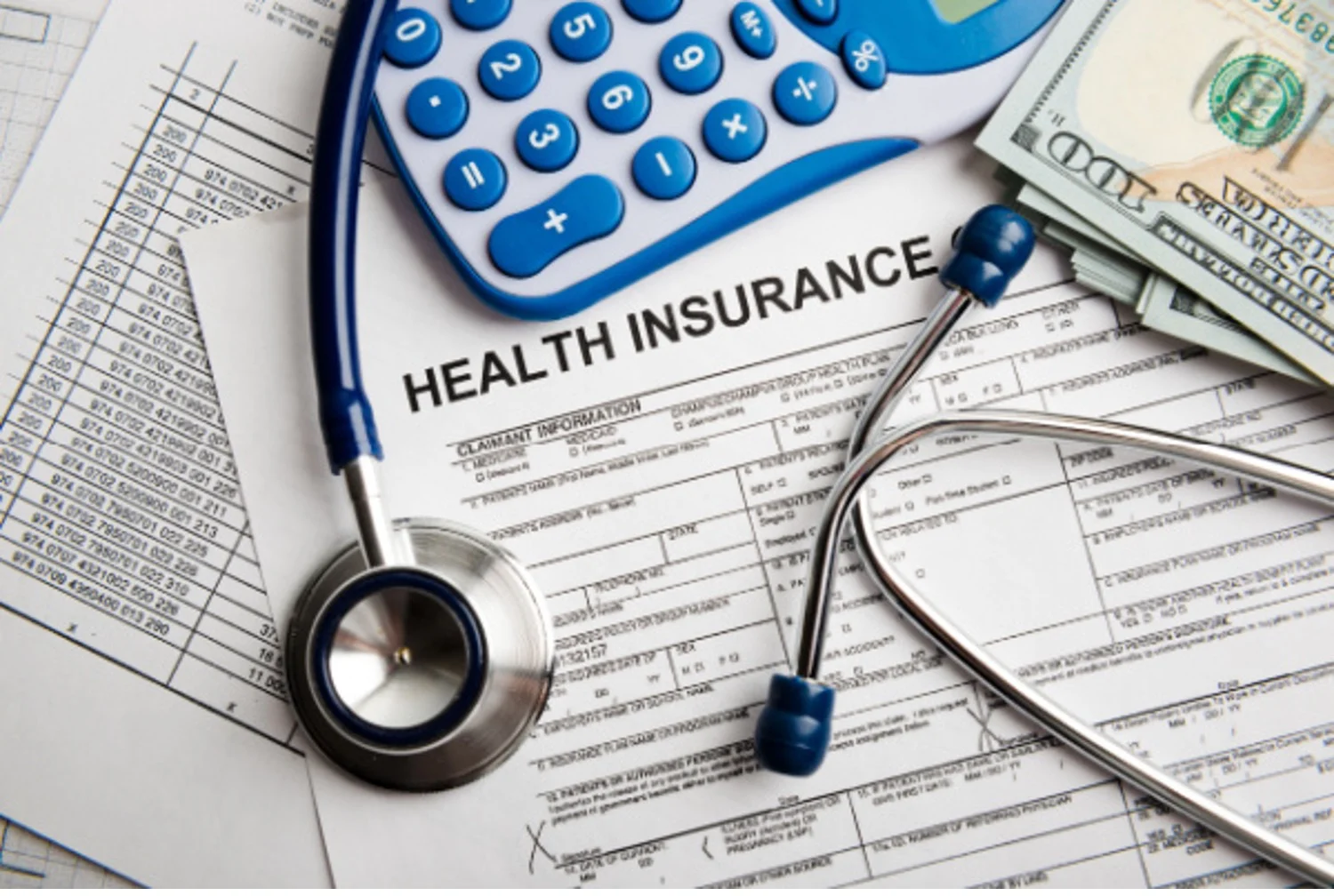
Following the Affordable Care Act and strengthened Parity Law enforcement in 2024–2025, insurance companies must now cover substance use disorder (SUD) treatment at the same level as medical and surgical care.
What This Means in 2025
Most insurance plans now cover:
- Detox
- Inpatient/residential rehab
- PHP, IOP, and outpatient care
- Mental health treatment
- Medication-assisted treatment (MAT)
However, coverage varies by:
- Plan type
- In-network vs. out-of-network benefits
- Deductibles and copays
- Length of treatment approved by insurers
Some patients pay little or nothing beyond deductibles. Others may have higher out-of-pocket costs depending on their plan.
The only way to know your actual cost is to verify benefits. Legacy Healing Center can confirm your coverage quickly and confidentially at 888-534-2295.
Paying for Rehab
There are many ways to pay for rehab. Some of the most common and widely accepted methods include:
- Private health insurance plans
- Medicaid and Medicare plans
- State-funded insurance and rehab programs
- Scholarships and grants
- Sliding scale fees
- Employee assistance programs (EAPs)
- Self-payment
- Family and friends
- Crowdfunding
- Financing and loans
- Local and nonprofit organizations
- Funding from religious organizations
If you want information specifically about paying privately, check out: “Private Pay Rehab Costs, Benefits, and What to Expect.”
Is Rehab Worth the Cost?
Rehab is absolutely worth the cost. You can always make more money. You cannot buy back the years of your life stolen by addiction. You cannot undo the harm you cause to others.
“There’s no price tag on saving your life and reclaiming your health and relationships,” says Puffenberger. “The investment pays off through improved wellbeing, reduced risk of relapse, and higher earning potential by overcoming addiction. Financing solutions exist to make rehab accessible. With proper treatment, recovery is possible no matter your financial situation.”
When you talk to people who have successfully completed rehab and are living a meaningful life of sobriety, they will tell you it’s worth the cost.
Addiction takes a serious toll not only on your mental, physical, spiritual, and emotional well-being but also on your finances. The Effects of Cocaine on the Body and the Signs of Opioid Use highlight just how damaging these substances can be. Heavy users of illicit drugs, particularly cocaine and opioids – often spend tens or even hundreds of thousands of dollars a year to sustain their addiction.
Even heavy users of legal substances like alcohol often spend more on drinks every year than they would on a single rehab program. Those estimates don’t even take into account other costs of drug and alcohol misuse, such as missed work, missing out on promotions, legal fees, medical costs as a result of drug- and alcohol-related injuries and illness, and more.
What if I Can’t Afford Rehab?
There are many options that can substantially reduce the cost of addiction treatment and, in some cases, may eliminate it entirely. Here are some strategies to investigate if you think you can’t afford rehab:
- Government-funded programs: Many state and local governments offer rehab services at low rates and grants and scholarships for patients to attend for-profit programs. One of the best resources to use to find government programs (and many other treatment options) is to call the Substance Abuse and Mental Health Services Administration (SAMHSA) National Helpline, also known as the Treatment Referral Routing Service, at 1-800-662-4357.
- Nonprofit treatment centers: There are many nonprofit rehabs that are substantially less expensive than for-profit programs. There are also nonprofits that provide grants or scholarships to help people attend for-profit programs. You can use an online directory like nonprofitrehab.com to start your search.
- Changing insurance plans: You may be eligible for substantially better addiction treatment coverage than what is provided by your current plan.
- Free rehab programs: There are free rehab programs available in most states, in major metropolitan areas. Be advised that the waitlists for these programs can be long.
- Veterans’ programs: Many programs are available to veterans and their families that substantially reduce the cost of rehab.
- Local religious or charitable organizations: Virtually every town and city in the United States has daily Alcoholics Anonymous (AA) and Narcotics Anonymous (NA) meetings, which are open to the public.
- Support groups: Most support groups are free, and millions of people have achieved and maintained lasting sobriety through them.
- Therapy alone: Even if you are unable to find a payment option that works for you, you can get many benefits from attending therapy sessions, which are much less expensive than full treatment.

Your Life Is Priceless
Recovery is possible, and cost should never stop someone from getting the help they need. With thousands of programs across the country, including low-cost and insurance-covered options, there is hope and help available.
If you’d like to learn more about treatment options, insurance verification, or costs at Legacy Healing Center, call 888-534-2295 today.
References / Sources
- U.S. Department of Labor, Employee Benefits Security Administration, & U.S. Departments of HHS and Treasury. Report to Congress on the Mental Health Parity and Addiction Equity Act (MHPAEA) – 2024. January 2025.
- National Center for Drug Abuse Statistics. Average Cost of Drug Rehab [2025]: by Type, State & More.
- U.S. Department of Health & Human Services. Healthcare.gov: Mental health & substance use disorder
- Workforce Bulletin. “Mental Health Parity – What Non-Enforcement of the 2024 Parity Rule Means for Employer Plans.” February 2025.