



Alcohol Addiction Treatment Programs
Legacy Healing Centers offers a full continuum of alcohol addiction treatment, allowing each client to receive the right level of care at the right time.
Medically Supervised Alcohol Detox
Alcohol withdrawal can be uncomfortable — and in some cases, life-threatening — without medical oversight. Our detox program includes:
- 24/7 medical monitoring
- Medication management to reduce withdrawal symptoms and seizure risk
- Nutritional support and stabilization
- A seamless transition into ongoing treatment
Residential & Inpatient Alcohol Rehab
For individuals with moderate to severe Alcohol Use Disorder, inpatient care provides:
- Structured daily schedules
- Individual, group, and family therapy
- Psychiatric care and medication management
- Evidence-based and holistic therapies in a supportive environment
Intensive Outpatient (IOP) & Outpatient Programs
Designed for flexibility while maintaining accountability, outpatient care may include:
- Multiple therapy sessions per week
- Relapse prevention planning
- Continued psychiatric and clinical support
- Step-down care following inpatient treatment
Sober Living & Aftercare
Focused on long-term stability and continued growth, aftercare and sober living programs may include:
- Ongoing individual and group therapy sessions
- Sober living housing in a structured, substance-free environment
- Accountability through peer support and house guidelines
- Continued relapse prevention and life skills development
- Alumni programming and recovery community involvement
- Vocational, educational, and independent living support
How Long Does Alcohol Addiction Treatment Take?
There isn’t one set timeline for alcohol addiction recovery, because the right length of treatment depends on the severity of alcohol use, withdrawal risk, mental health needs, and the level of support available at home. However, most treatment falls into one of two common paths:

This is often recommended for people with moderate to severe alcohol dependence, a history of relapse, or a high risk of withdrawal complications.
Typical timeline:
- Medical Alcohol Detox: 3–10 days
- Residential / Inpatient Rehab: 30–90 days
- Step-Down Care (IOP or Outpatient): 8–12+ weeks
- Aftercare & Long-Term Support: ongoing
Estimated total time in structured treatment:
6–16+ weeks, depending on the level of care needed after inpatient rehab.

This may be appropriate for people with mild to moderate alcohol use disorder, stable mental health, and a supportive home environment.
Typical timeline:
- Medical Alcohol Detox (if needed): 3–7 days
- Intensive Outpatient Program (IOP): 8–12+ weeks
- Standard Outpatient Care: varies, often several months
- Aftercare & Ongoing Support: ongoing
Estimated total time in structured treatment:
8–12+ weeks, with many people continuing outpatient support longer for stability.
Why Treatment Length Matters
Research consistently shows that staying engaged in treatment for 90 days or longer significantly improves long-term recovery outcomes. For many people, recovery is most successful when treatment continues beyond detox and includes ongoing therapy, relapse prevention, and support.
Our Clinical & Medical
Addiction Experts

Alcohol addiction treatment at Legacy Healing Centers is provided by a multidisciplinary team of experienced professionals, led by our Chief Medical Officer, Dr. Ash Bhat, M.D., M.R,O., FASAM.
Our team includes:
- Board-certified physicians
- Psychiatrists and psychiatric nurse practitioners
- Licensed therapists and addiction counselors
- Medical nurses experienced in alcohol detox and withdrawal management
Medication-Assisted Treatment (MAT) for Alcohol Use Disorder

When clinically appropriate, Legacy Healing Centers incorporates FDA-approved medications into alcohol addiction treatment to support recovery, including:
- Naltrexone – reduces cravings and the rewarding effects of alcohol
- Acamprosate – helps maintain abstinence after detox
- Disulfiram – discourages drinking by producing unpleasant effects if alcohol is consumed
Medication-assisted treatment is always paired with therapy and medical supervision as part of a personalized treatment plan.
Dual Diagnosis: Alcohol Addiction & Mental Health
Many individuals struggling with alcohol addiction also experience mental health challenges such as anxiety, depression, or unresolved trauma. Treating alcohol use without addressing mental health significantly increases the risk of relapse.
Legacy Healing Centers provides integrated dual-diagnosis treatment, addressing both Alcohol Use Disorder and mental health conditions together for more sustainable recovery.
Cost of Alcohol Addiction Treatment & Insurance Coverage
How Much Does Alcohol Rehab Cost?
The complete cost of alcohol addiction treatment varies depending on many factors, such as:
- Level of care (detox, inpatient, outpatient)
- Length of treatment
- Medical and clinical needs
- Environmental preferrences
The average cost for a 30-day alcohol detox and rehab program at Legacy Healing Center starts at around $18,000
*This estimate is based on a 30-day Intensive Outpatient Program at our New Jersey or Cincinnati location. F
Insurance Coverage
Most major insurance providers cover alcohol addiction treatment under behavioral health benefits. Our admissions team can:
- Verify your insurance benefits
- Explain coverage and out-of-pocket costs
- Help you understand treatment options
Insurance verification is free, confidential, and available 24/7.
Learn More About Alcohol Use Disorder (AUD)
Alcohol Use Disorder is a chronic, relapsing brain condition characterized by:
- Loss of control over drinking
- Continued alcohol use despite consequences
- Physical dependence and withdrawal symptoms
AUD is classified as mild, moderate, or severe under DSM-5 criteria — and even mild cases can progress without treatment.
How AUD affects your Brain & Body
Effects on the Brain
Alcohol alters communication between brain cells and disrupts areas responsible for judgment, coordination, memory, and emotional regulation.
Short-term effects: impaired judgment, poor coordination, slurred speech
Long-term effects: memory loss, emotional instability, cognitive decline
Effects on the Body
Chronic alcohol use impacts nearly every system in the body, including the liver, heart, immune system, and digestive tract.
Short-term effects: nausea, dehydration, poor motor control
Long-term effects: liver disease, cardiovascular issues, immune suppression
Alcohol Withdrawal Symptoms
Alcohol withdrawal occurs when a dependent person stops drinking and may range from mild to severe.
- Mild: anxiety, tremors, nausea, insomnia
- Moderate: high blood pressure, confusion, vomiting
- Severe: seizures, hallucinations, delirium tremens (DTs)
Because withdrawal can escalate quickly, detox should always be managed by medical professionals.
Aftercare and Relapse Prevention
Recovery doesn’t end when treatment does. Legacy Healing Centers emphasizes long-term success through:
- Relapse prevention planning
- Sober living referrals
- Ongoing therapy and psychiatric support
- Peer support groups (AA, SMART Recovery, and alternatives)
Strong aftercare planning significantly reduces relapse risk and supports sustained recovery.
Take the First Step Toward Lasting Recovery
Choosing alcohol addiction treatment is a powerful decision — one that can change the course of your life. Whether you’re ready to begin treatment or simply exploring your options, our team is here to listen and guide you without pressure or judgment.
Call Legacy Healing Centers at (888) 534-2295 or Verify Your Insurance Online Today.
Immediate Help and Support
Whether you’re ready to start treatment or exploring your options, these trusted resources can help:
- Legacy Healing Center: Call (888) 534-2295 to speak confidentially with an alcohol addiction specialist.
- SAMHSA National Helpline: Dial 1-800-662-HELP (4357) 24/7 support for individuals and families.
- 988 Suicide & Crisis Lifeline: Dial 988 for immediate help in a mental health or substance-related crisis.
You’re not alone-support is just one step away
Questions about Alcohol Rehab
What’s the difference between alcohol detox and rehab, and how do I know which one I need?
Detox addresses physical withdrawal, but rehab focuses on the emotional and behavioral patterns that drive drinking. If you’ve returned to alcohol after trying to quit, rely on it to manage emotions, or feel stuck in a cycle of regret and repetition, rehab can offer the structured healing environment needed for lasting change.
Is it safe to quit drinking on my own?
For those with physical dependence, abruptly stopping alcohol without medical supervision can be dangerous, even life-threatening. Symptoms like seizures or delirium tremens (DTs) require expert care. A supervised detox ensures safety and comfort, then guides you into longer-term recovery.
What role does therapy play in alcohol addiction treatment?
Therapy helps uncover why alcohol became a coping mechanism in the first place. Whether through CBT, trauma-informed care, or family counseling, treatment gives you tools to shift thought patterns, manage triggers, and build healthier habits, so recovery becomes more than just abstinence.
What if I have a mental health condition too?
Alcohol use and mental health often go hand in hand. At Legacy, we offer integrated dual diagnosis care to treat anxiety, depression, PTSD, and other co-occurring conditions alongside addiction. Treating both together leads to more stable, sustainable outcomes.
Can I keep working or caring for my family during treatment?
Yes. While inpatient care offers immersive support for more complex cases, many clients begin with or transition to outpatient or intensive outpatient (IOP) programs. These allow you to maintain personal and professional responsibilities while actively engaging in your recovery.
What happens after rehab ends?
Recovery doesn’t stop at discharge. Aftercare encompasses a range of services, including sober living options, therapy, peer support groups, and alumni networks. Our team helps you create a long-term support plan so you’re equipped to manage life’s challenges with strength and clarity.
Table of Contents
Most Insurance Policies Cover Alcohol Treatment
"*" indicates required fields
Your information is kept private
Find Alcohol Treatment
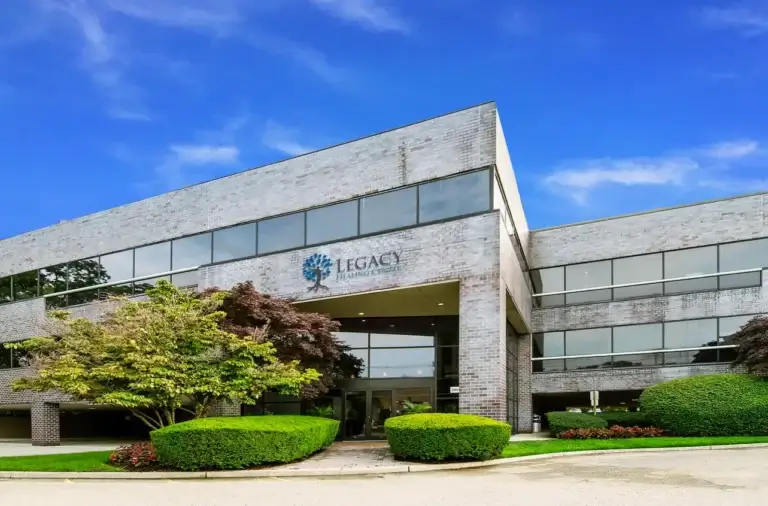
Legacy Healing Center Parsippany, NJ

Legacy Healing Center Cincinnati, OH