

-
 By:
Travis Benfaida
By:
Travis Benfaida
-
 Editor:
Valerie Puffenberger, PMHNP-BC
Editor:
Valerie Puffenberger, PMHNP-BC
-
 Clinical Reviewer:
Ash Bhatt, M.D., M.R.O., FASAM
Clinical Reviewer:
Ash Bhatt, M.D., M.R.O., FASAM
I’ve been sober since 2012. Fourteen years now. And I can tell you with complete certainty that detox didn’t save my life—continuing care did.
Detox cleared the opioids from my system. It stabilized my vitals and got me through the worst physical withdrawal. But it didn’t teach me why I kept going back to pills after every attempt to quit. It didn’t help me understand the shame I carried or the pressure I put on myself. It didn’t give me the tools to handle stress, conflict, or the boredom that used to send me straight to my dealer.
That work happened in the months that followed—in PHP, in IOP, in individual therapy, in AA meetings, and in the hard daily practice of living differently. This article explains why continuing care for addiction, especially outpatient treatment after detox, is where real healing happens. If you’re considering treatment for yourself or someone you love, understanding this distinction could mean the difference between temporary sobriety and lasting recovery.
My Story: From Detox to Real Healing in Outpatient
In the late 2000s, I was playing college basketball at the University of Central Florida when I tore my ACL. The injury itself was devastating—my identity was wrapped up in being an athlete—but what followed was worse. Doctors prescribed opioids for the pain, and within months, I was dependent. When the prescriptions ran out, I found other sources. For five years, from roughly 2007 to 2012, I was caught in a cycle of active addiction that I couldn’t break.
I tried detox multiple times during those years. I’d white-knuckle it through a few days, feel physically better, and convince myself I had it under control. Then life would happen—stress, loneliness, a bad day—and I’d pick up again. Each relapse hit harder than the last. My tolerance would drop during detox, which meant using the same amounts I had before became genuinely dangerous. I didn’t know it then, but I was following a pattern that research has documented countless times: detox without continuing care leads to relapse in roughly 80% of cases.
In 2012, I entered treatment through the South Florida model, and this time was different. I didn’t just detox and leave. I stayed for PHP, then IOP, then months of outpatient therapy. I went to AA meetings daily—sometimes twice a day. I got a sponsor and worked the steps. I dug into the reasons I used: the perfectionism, the fear of failure, the grief over losing basketball, the belief that I wasn’t enough without external achievement.
That’s when everything changed. The turning point wasn’t the few days my body spent clearing substances. It was the months I spent rebuilding my mind, my relationships, and my sense of self. In April 2023, I celebrated eleven years sober. As of now, it’s fourteen. And I’m still in recovery—still attending my home group, still working with a sponsor, still growing. That’s what continuing care looks like over a lifetime.
What Is Continuing Care in Addiction Treatment?
Continuing care is any structured, ongoing treatment and support that happens after an initial, more intensive phase of addiction treatment. If you complete detox or a residential program, continuing care is what comes next: the outpatient levels, therapy sessions, support groups, and aftercare services that help you maintain recovery in the real world.
For most people entering treatment today, the continuum looks something like this: medically supervised detox lasting 3 to 10 days, followed by residential or inpatient treatment for 2 to 6 weeks, then stepped-down outpatient levels including Partial Hospitalization Program, Intensive Outpatient Program, and standard outpatient services. This outpatient phase often lasts 6 to 12 months or longer. After formal treatment, many people transition to alumni programming, peer support groups, ongoing individual therapy, and self-help meetings as maintenance care.
At Legacy Healing Center, we don’t treat continuing care as an optional add-on. From the first day of detox, our team is already planning the next six months of your care. Discharge planning starts early because we know that the transition out of residential treatment is one of the highest-risk periods for relapse. Research since the late 1990s consistently shows that individuals who engage in 12 months or more of continuing care have significantly better outcomes than those who stop after inpatient treatment alone.
Why Detox Alone Doesn’t Heal Addiction
Medical detox serves a specific, limited purpose: clearing substances from the body, managing acute withdrawal symptoms, and stabilizing vital signs. For alcohol and benzodiazepines, medically supervised detox typically lasts 5 to 7 days. For opioids, depending on the protocol used, it may run 7 to 10 days. These timeframes are necessary to prevent dangerous withdrawal complications—seizures, delirium, cardiac events—but they’re far too short to address the behavioral, psychological, and trauma-related roots of addiction.
Addiction develops over years through repeated conditioning. The brain learns to associate certain triggers—people, places, emotions, times of day—with substance use. Neural pathways get rewired around the reward of using. Thought patterns become distorted. Coping mechanisms get replaced by drugs or alcohol. None of this can be reversed in a week. The neurobiological changes associated with addiction require months of therapy, practice, and new learning to begin shifting.
Research indicates that 40 to 60 percent of individuals relapse within the first year following substance use disorder treatment—a rate comparable to other chronic conditions like hypertension and diabetes. But here’s the critical detail: risk is highest in the first 90 days after detoxification, when supports are thinnest and the person is still relearning how to manage emotions, relationships, and stress without substances. Without continuing care, individuals return to unchanged living situations, the same enabling relationships, unresolved trauma, and untreated mental health conditions. They’re physically stable but psychologically unprepared.
When someone leaves detox after one week with no ongoing treatment plan, they’re walking back into an environment filled with the same triggers that fueled their addiction—now with lowered tolerance that dramatically increases overdose risk. This is why we never discharge someone from Legacy Healing Center without a clear continuing care plan.
The Heart of Healing: Getting to the “Why We Use”
Addiction is rarely about the substance itself. It’s about what the substance was doing for you—what it was numbing, managing, or helping you escape.
I used opioids because they quieted the voice in my head that told me I was worthless without basketball. They softened the grief of losing my athletic identity. They let me function when anxiety would have otherwise paralyzed me. Understanding this didn’t happen in detox. It happened in months of therapy, in group sessions where I heard my own story reflected in others, and in the slow work of learning new ways to cope.
Evidence-based therapies in outpatient treatment are designed specifically to uncover and address these root causes. Cognitive Behavioral Therapy helps clients identify automatic thoughts and behavioral patterns that trigger use, then develop alternative coping strategies. Dialectical Behavior Therapy is particularly effective for individuals with emotional dysregulation, self-harm history, or complex trauma. EMDR specifically targets trauma memories that may underlie substance use. Trauma-informed care frameworks recognize that most people with substance use disorders have experienced significant trauma, and treatment must address this without retraumatization.
Consider a high-performing executive using stimulants to cope with burnout and perfectionism. Through CBT in intensive outpatient, she learns to identify the underlying belief “I am only valuable if I am productive” and develops alternative ways to manage stress—boundary-setting, delegation, exercise, meditation. Or a veteran with alcohol use disorder and PTSD who works in trauma-focused continuing care to process combat memories and nightmares, gradually replacing alcohol self-medication with evidence-based PTSD treatment and peer support.
At Legacy Healing Center, our PHP and IOP sessions are structured around exploring these core beliefs, shame patterns, relationship dynamics, and co-occurring mental health issues. We don’t just teach you not to pick up. We help you understand why you picked up in the first place—and build the skills and support systems that make using unnecessary.

Understanding PHP, IOP, and Outpatient: Where Daily Life Meets Treatment
The outpatient levels of continuing care—PHP, IOP, and standard outpatient—are where recovery meets real life. These programs allow you to practice newly learned skills while navigating the actual stressors, triggers, and relationships that will be part of your long-term sobriety.
At Legacy Healing Center, we structure these levels as a step-down approach, gradually transitioning clients toward independence while maintaining clinical support. Each level serves a distinct purpose, and the time spent in each depends on individual progress, severity, co-occurring conditions, and life responsibilities.
Partial Hospitalization Program (PHP): The Bridge Between Inpatient and Real Life
PHP is typically 5 days per week, 5 to 6 hours per day, lasting 2 to 4 weeks after residential treatment or detox depending on clinical need. It’s the highest intensity of outpatient care, designed for individuals who need significant structure but can safely sleep outside a residential facility.
At Legacy Healing Center, PHP includes daily group therapy sessions focused on relapse prevention, cognitive behavioral approaches, and trauma processing. Clients have multiple individual therapy sessions per week with a primary therapist. Medication management appointments with a psychiatrist ensure that co-occurring conditions like depression or anxiety are properly treated. Case managers help coordinate logistics and plan for the next phase of care.
PHP allows clients to sleep in a sober living environment or at home while spending most of the day in structured treatment. This is critical practice: clients begin managing mornings, commuting, basic daily responsibilities—all while maintaining high clinical support.
A practical example: a client who finishes detox from opioids in early 2026 steps into PHP at Legacy Healing Center. She spends her days in groups addressing triggers like financial stress and relationship conflict—the same issues that fueled her use. By the end of PHP, she’s practiced responding to these triggers in real time, with immediate clinical support available when she struggles.
Intensive Outpatient Program (IOP): Building a Life You Don’t Want to Escape From
IOP is typically 3 to 5 days per week, 3 hours per day, often running 6 to 12 weeks depending on progress and responsibilities like work or school. While PHP emphasizes time in structured treatment, IOP emphasizes depth and intensity of clinical work during shorter daily sessions.
At Legacy Healing Center, IOP focuses on deeper skill development: managing cravings in the moment, cognitive restructuring of core beliefs, navigating high-risk social situations, rebuilding family trust, conflict resolution, employment readiness, and relapse prevention during acute stress. This is where many clients feel “real recovery” begin—where they’re testing their sobriety in actual life circumstances rather than the protected environment of residential treatment.
We offer evening IOP options specifically designed for working professionals, first responders, physicians, executives, and parents. Sessions running from 5 PM to 8 PM allow clients to maintain employment while staying connected to treatment. Privacy and flexibility are built into the program structure.
A concrete scenario: a professional with an alcohol addiction returns to a high-stress job in Miami while attending IOP three evenings per week. He processes workplace triggers as they happen—the pressure of a difficult client, the social expectation to drink at networking events, the stress of a performance review. IOP becomes the space where he works through these challenges in real time with clinical support, rather than trying to figure it out alone.
Standard Outpatient & Aftercare: Long-Term Maintenance, Not “Graduation”
Standard outpatient usually involves 1 to 2 individual therapy sessions per week plus optional group sessions, often continuing 6 to 12 months or more after IOP. At Legacy Healing Center, our Recovery Maintenance Program represents this final stage of structured continuing care, offering weekly meetings for up to six months as determined by individualized treatment plans.
This phase includes ongoing individual counseling, medication management when appropriate, group sessions focused on life transitions, follow-up assessments, and drug screening. Many clients also remain connected through alumni programming and community support.
Standard outpatient isn’t a finish line—it’s the maintenance plan that keeps relapse risk lower during years one through three, when major life changes often occur. New jobs, moves, relationship changes, grief, promotions—these are common triggers for relapse, and having ongoing clinical contact means early intervention when warning signs appear.
A client who started treatment in early 2024 might still be in monthly therapy and alumni activities in 2026, using this structure to navigate parenting challenges, career stress, or new relationships while maintaining sobriety. This is normal. This is healthy. This is how chronic conditions are managed.
Continuing Care Elements Beyond Therapy Sessions
Continuing care services extend far beyond formal group therapy and individual sessions. Environment, community, and daily practices all play critical roles in sustaining recovery.
At Legacy Healing Center, we integrate several non-clinical yet essential components: sober living options for clients who need structured housing, peer support through alumni connections and 12-step integration, family involvement through therapy and education, and lifestyle changes including fitness, nutrition, and spiritual practices when desired.
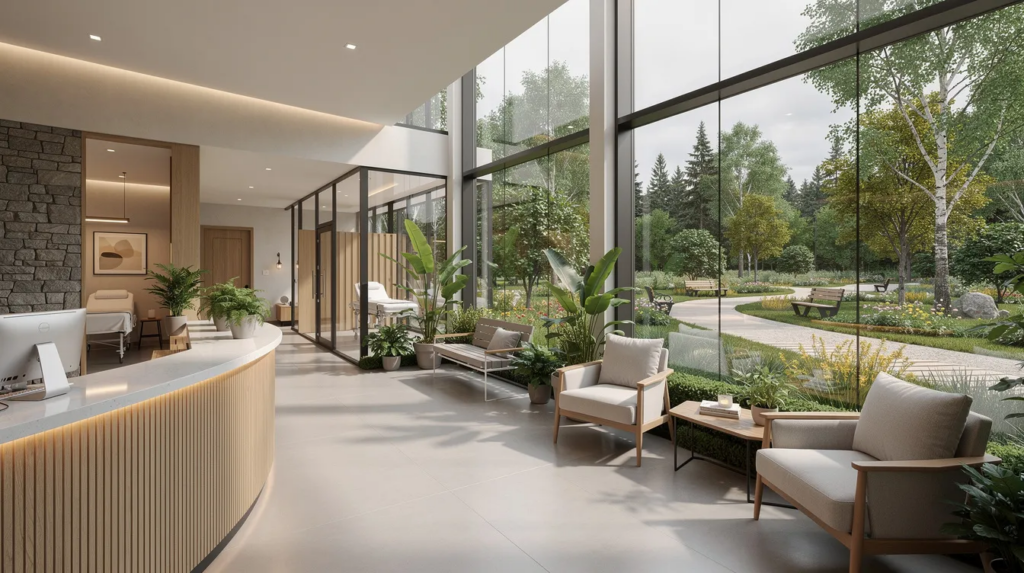
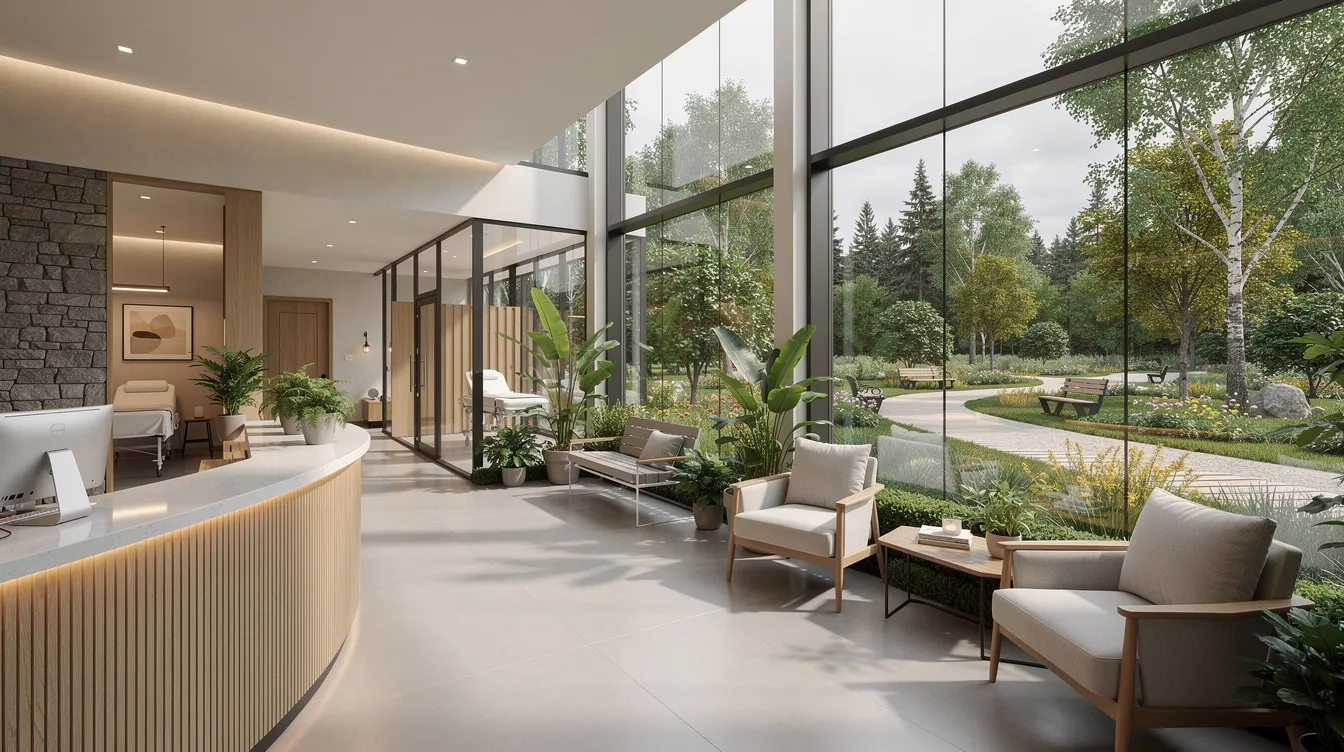
Our luxury amenities—private rooms, spa-like environments, gourmet meals, fitness facilities—aren’t about indulgence. Research shows that comfortable, dignified, aesthetically pleasing treatment settings improve engagement and outcomes, particularly for high-achieving or high-stress individuals who might otherwise avoid treatment due to shame or perception of deprivation. These elements create psychological safety that allows deeper emotional work.
Sober Living and Structured Housing
Sober living environments are drug and alcohol-free homes with explicit rules, curfews, random drug screening, and peer accountability. They serve as a critical bridge between structured residential treatment and full independence.
These facilities typically accommodate individuals transitioning from residential care into PHP or IOP, providing evening and weekend structure while clients attend treatment during the day. For individuals whose home environment is chaotic or enabling, sober living provides external structure that supports early recovery while allowing participation in outpatient programs.
A specific example: a client leaving residential care at Legacy Healing Center in Delray Beach in 2025 moves into nearby sober living. He attends PHP during the day, returns to the sober house in the evening, and gradually takes on work responsibilities as he progresses to IOP. The structure of the house—curfew, accountability, peer support from housemates also in early recovery—replaces the 24/7 supervision of residential treatment while he builds the skills for full independence.
Alumni, Peer Support, and 12-Step Integration
Legacy Healing Center’s alumni programming includes regular alumni meetings, sober social events, ongoing check-ins, and opportunities to mentor newer clients. These connections don’t expire—many alumni remain actively involved for years.
We explicitly integrate peer support and 12-step fellowships like Alcoholics Anonymous, Narcotics Anonymous, and Cocaine Anonymous into aftercare plans, rather than leaving these to chance. For clients who prefer alternatives, programs like SMART Recovery are also supported. Research consistently shows that regular participation in support groups correlates with sustained abstinence.
My own experience validates this. Since 2012, my recovery has been anchored by long-term engagement with Alcoholics Anonymous—consistent attendance at my home group, ongoing work with a sponsor, and service roles in the fellowship. These aren’t things I did for a year and then stopped. They’re part of how I maintain sobriety fourteen years later. You don’t “age out” of needing community support.
Family Involvement and Healing Relationships
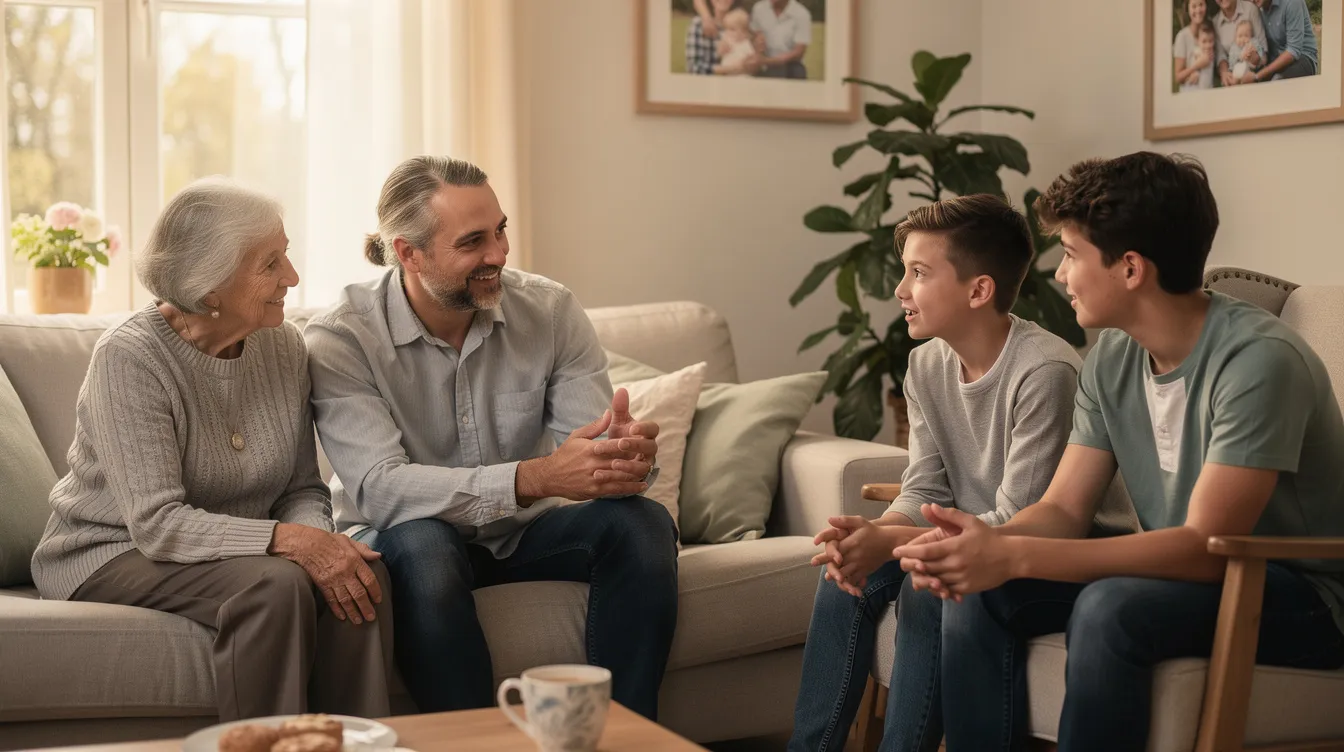
Addiction damages families. Trust erodes. Communication breaks down. Boundaries get violated or become rigid. Codependent patterns develop. Continuing care must address these relational wounds for lasting recovery.
At Legacy Healing Center, family-focused services during outpatient phases include family therapy sessions, psychoeducation workshops explaining addiction as a brain disease rather than moral failure, and coaching on boundary-setting for both clients and family members. These sessions often occur weekly or biweekly during PHP and IOP, then monthly as clients step down.
An example: a family begins virtual family therapy while their loved one is in PHP in 2026. They learn about the neuroscience of addiction, practice new communication patterns, and address resentments that built up during active use. As the client steps down to standard outpatient, the family continues monthly sessions, gradually rebuilding trust and learning to recognize relapse warning signs together. Research indicates that families who participate in continuing care alongside their loved one show improved communication, shared understanding of the recovery process, and reduced enabling behaviors.
How Long Should Continuing Care Last?
Research consistently demonstrates that continuing care of longer duration produces better outcomes. Studies indicate that individuals who engage in 12 months or more of some form of continuing care show significantly better sustained abstinence rates compared to those who discontinue after inpatient treatment or brief outpatient intervention.
A typical Legacy Healing Center trajectory might look like this:
| Phase | Duration | Structure |
|---|---|---|
| Detox | 5-10 days | Medical supervision, stabilization |
| Residential | 3-4 weeks | 24/7 structured treatment |
| PHP | 3-4 weeks | 5 days/week, 5-6 hours/day |
| IOP | 8-12 weeks | 3-5 days/week, 3 hours/day |
| Standard OP | 6-12+ months | 1-2 sessions/week |
| Alumni/Maintenance | Ongoing | Monthly meetings, community |
There’s no one-size-fits-all prescription. Length at each level is individualized based on addiction severity, co-occurring mental health conditions, relapse history, psychosocial stability, and life responsibilities. Individuals with multiple prior treatment attempts, complex trauma, or high-stress professions often benefit from 18 to 24 months of structured continuing care.
The concept of “graduation” from addiction treatment is increasingly understood as a misnomer. Many individuals who sustain long-term sobriety choose to remain engaged with some form of ongoing support for decades—monthly individual therapy, regular peer support meetings, alumni events, or periodic check-ins with their treatment provider. This isn’t failure. It’s responsible chronic disease management.
Who Benefits Most from Robust Continuing Care?
While everyone with a substance use disorder benefits from continuing care, certain groups particularly need structured outpatient support:
Individuals with multiple prior treatment attempts. Each relapse provides valuable information about what was missing from previous treatment. A continuing care program that addresses gaps—longer duration, better aftercare planning, trauma treatment—can make the difference.
People with co-occurring mental health disorders. Approximately 50% of people with substance use disorders also have conditions like depression, anxiety, PTSD, or bipolar disorder. Dual diagnosis treatment during continuing care ensures both conditions are addressed simultaneously.
Those with significant trauma histories. Trauma-focused therapies like EMDR require time and consistency. These interventions work best in the continuing care phase when clients are stable enough to process difficult memories safely.
High-stress professionals. Executives, physicians, attorneys, first responders, and veterans often appear “high-functioning” but carry intense pressure and stigma. A firefighter with PTSD needs ongoing discreet support that fits around shift schedules. A physician with opioid use disorder needs treatment that protects both her recovery and her license. These individuals benefit from confidential, flexible continuing care tailored around career demands.
Legacy Healing Center specializes in serving high-profile clientele who require privacy, comfort, and comprehensive care. Our evening IOP options, concierge support, and confidentiality protections make treatment accessible for professionals who might otherwise avoid help due to career concerns.
Continuing Care at Legacy Healing Center: Our Approach
Our approach to continuing care is built on one principle: treatment doesn’t end when you leave our residential program. It evolves.
From the first assessment, our team plans for 6 to 12 months down the line. We offer same-day admission to detox when appropriate, followed by residential treatment, then a planned step-down to PHP, IOP, standard outpatient, and alumni involvement. Each transition includes a “warm handoff” with clinical continuity—the same team, the same treatment philosophy, the same commitment to your long-term success.
All programming is overseen clinically by Dr. Ash Bhatt, a quintuple board-certified physician and addiction expert. His oversight ensures evidence-based practices at every level, from medication management to trauma therapy to dual diagnosis treatment. Our clinical team includes therapists trained in CBT, DBT, EMDR, and motivational enhancement therapy, ensuring patients receive treatment matched to their specific needs.
We provide luxury amenities not as marketing but as clinical tools—private rooms for dignity, fitness facilities for physical recovery, gourmet nutrition for healing bodies, and calm environments that support deep emotional work. For high-profile clients, we offer concierge travel support and strict confidentiality protections.
Taking the Next Step: How to Engage in Continuing Care
If you’re reading this article, you’re already asking the right questions. Here’s how to move forward:
Evaluate your current situation. Have you or your loved one completed detox or a short rehab stay and struggled afterward? Are you in early recovery and feeling unsupported? Have you relapsed after previous treatment? These are signs that more robust continuing care is needed.
Ask the right questions. When speaking with treatment providers, ask specifically about PHP and IOP options, aftercare planning, how long the average client stays engaged, and what happens if someone struggles or relapses. A program that only talks about 28-day stays may not have adequate continuing care infrastructure.
Take concrete action. Call Legacy Healing Center for a confidential assessment. Our team can verify your insurance, discuss leave options if you’re employed, and plan logistics for 3 to 6 months of structured care. If you’ve already completed treatment elsewhere and need outpatient support, we can coordinate your transition into appropriate continuing care services.
Know that it’s never too late. If you completed treatment years ago and are now struggling, reconnecting with outpatient services or alumni programming isn’t failure—it’s wisdom. Recovery isn’t linear. The resources that supported you initially can support you again.
Continuing care for addiction isn’t about being weak or broken. It’s about being smart. It’s about recognizing that addiction is a chronic condition requiring ongoing management, just like diabetes or heart disease. The individuals I see thrive in long-term recovery are the ones who stay connected—to therapy, to community, to the practices that maintain their sobriety.
Detox starts recovery. Outpatient heals it. If you’re ready to do the deeper work, Legacy Healing Center is ready to walk with you.
Author and Medical Review
Written by Travis Benfaida Chief Executive Director, Legacy Healing Center Sober since 2012
Travis Benfaida earned his Bachelor of Science in Public Health from Florida International University in 2018 and holds certification as a Florida Board Certified Recovery Support Specialist. His specialties include addiction treatment, relapse prevention, and public health approaches to behavioral health. As of April 2026, he has maintained fourteen years of continuous sobriety.
Medically Reviewed by Dr. Ash Bhatt Chief Medical Officer, Legacy Healing Center Quintuple Board-Certified Physician and Addiction Medicine Expert
Dr. Bhatt oversees all clinical programming at Legacy Healing Center, ensuring evidence-based treatment protocols across detox, residential, and outpatient levels of care. While this article draws on personal experience and clinical research, treatment decisions should always be made in consultation with a qualified medical and behavioral health team.