

-
 By:
Valerie Puffenberger, PMHNP-BC
By:
Valerie Puffenberger, PMHNP-BC
-
 Editor:
Phyllis Rodriguez, PMHNP-BC
Editor:
Phyllis Rodriguez, PMHNP-BC
-
 Clinical Reviewer:
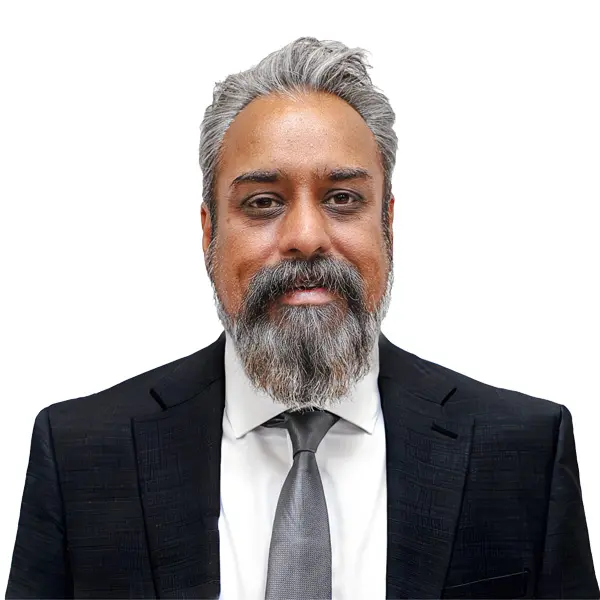
Dr. Ash Bhatt, MD, MRO
Clinical Reviewer:
Dr. Ash Bhatt, MD, MRO
Luxury treatment centers for addiction typically promise private rooms, spa-like amenities, gourmet chefs, and scenic oceanside locations. While these features sound appealing, the research is clear: marble counters and beautiful views do not treat addiction or heal trauma.
What actually drives recovery is evidence based treatment, trauma-focused care, and clinical expertise. Legacy Healing Center, a nationwide network of private addiction treatment centers founded in 2017, has built its reputation on clinical curriculum rather than superficial comfort. Led by quintuple board-certified physician and addiction expert Dr. Bhatt, Legacy combines the privacy and personalized treatment that patients deserve with the intensive mental health and substance use disorder care that produces lasting results.
At Legacy, comfort supports recovery, but it never replaces the hard clinical work that addresses why someone turned to substance abuse in the first place.
What Makes an Effective Addiction Treatment Center?
The core elements that impact outcomes include evidence based care, trauma treatment, medical oversight by qualified professionals, and robust aftercare planning. Accreditation from organizations like The Joint Commission serves as a quality filter, but accreditation alone does not guarantee deep trauma work or intensive programming.
Effective addiction treatment centers provide:
- Individualized treatment plans based on full assessments (substance use history, co-occurring mental illness, trauma history, family environment)
- Integrated care combining addiction medicine, psychiatry, and psychotherapy
- Licensed clinicians with ongoing training and supervision
- Structured environment with adequate staff-to-patient ratios
- Family programs and comprehensive aftercare resources

Legacy’s Nationwide Private Addiction Treatment Centers
Legacy operates a nationwide network of private, physician-led treatment centers designed for patients who need both confidentiality and clinical depth. Since opening in 2017, these rehabilitation facilities have maintained intentionally smaller scales to ensure low staff-to-patient ratios and truly personalized care.
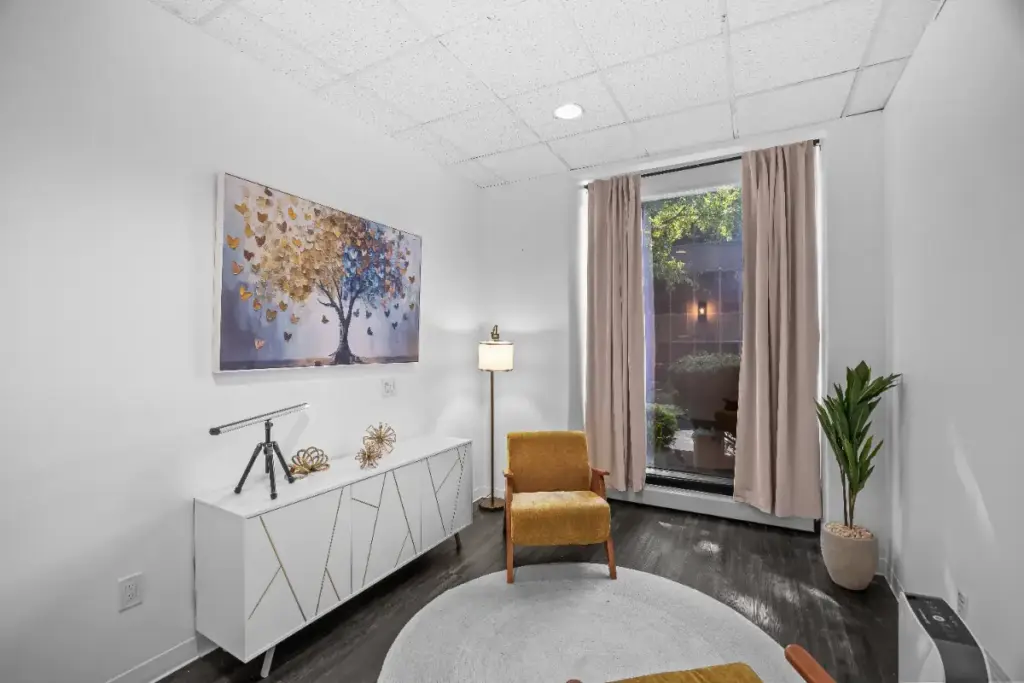
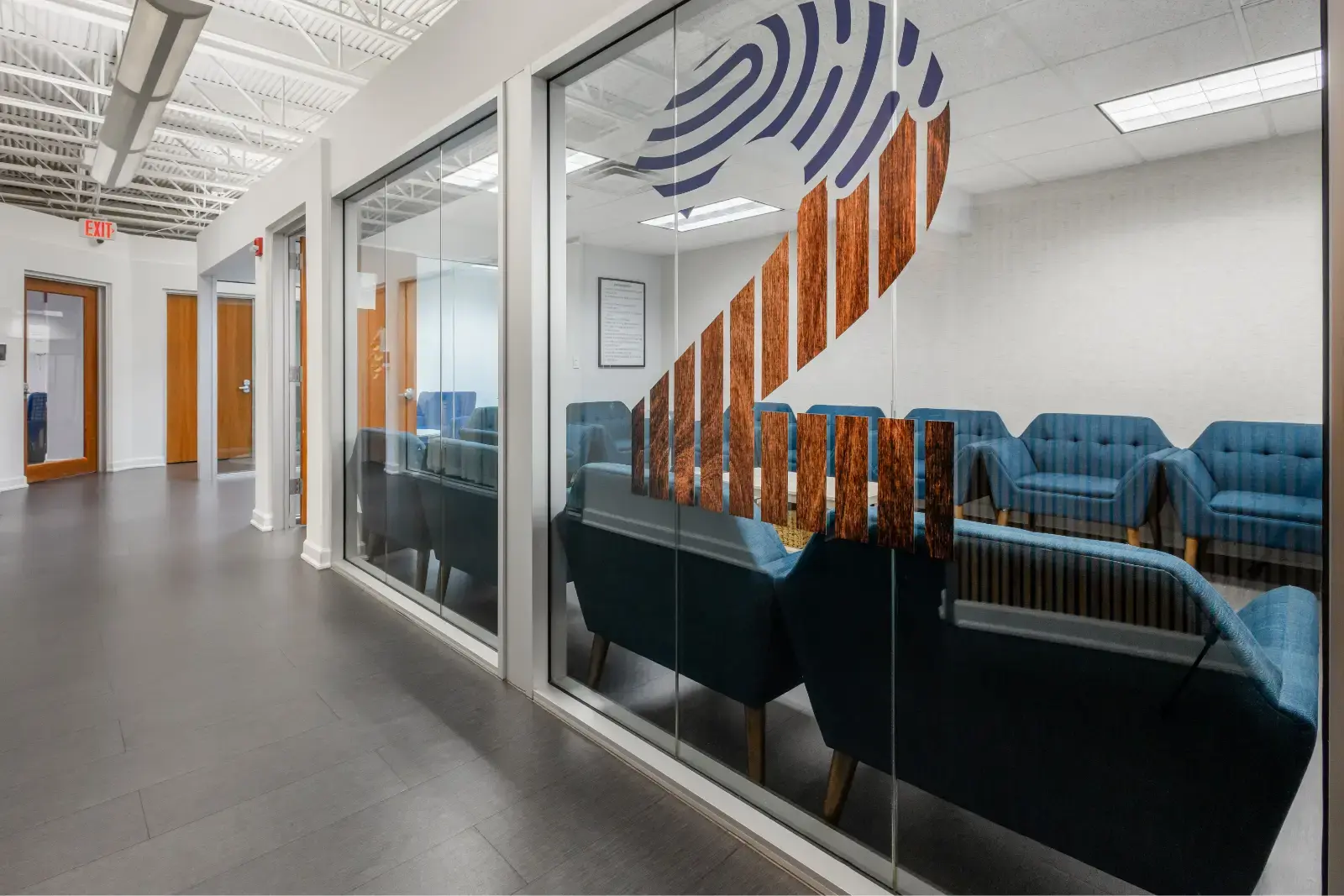
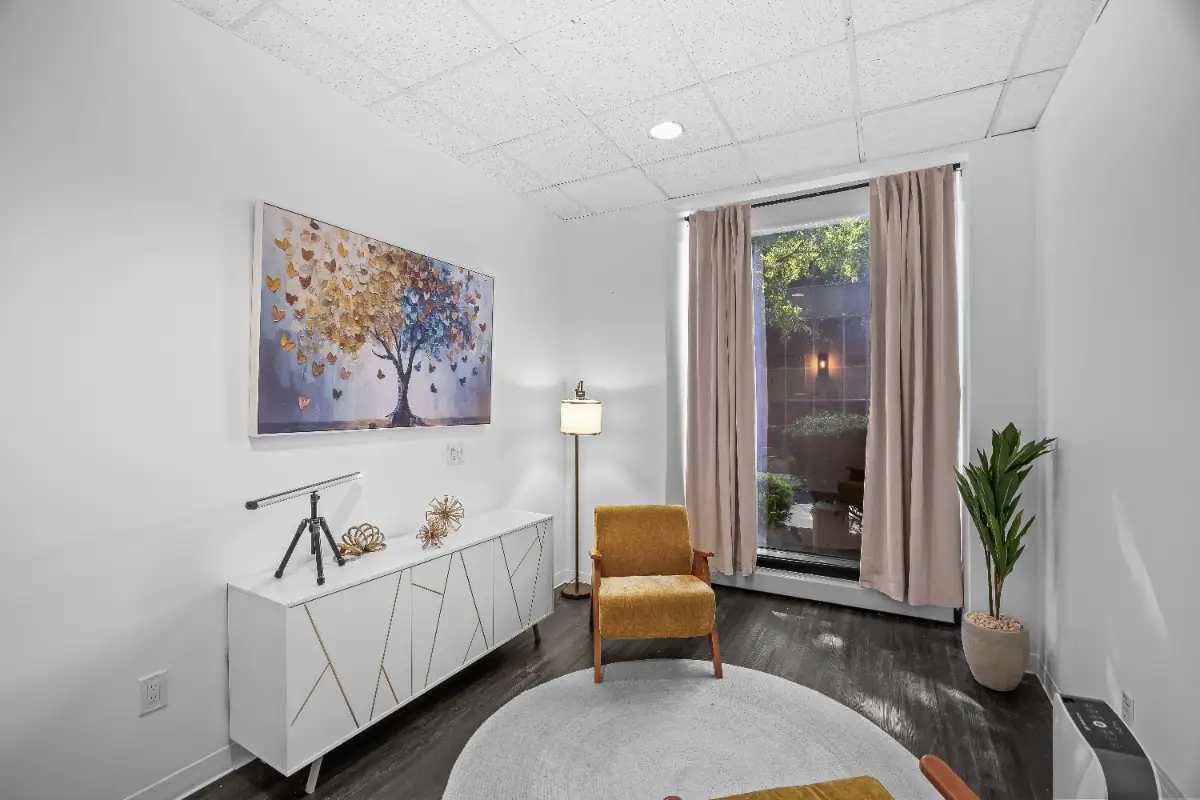
Each treatment facility offers private or semi-private rooms, quiet communal spaces, and secure, discreet locations that protect patient confidentiality. Legacy accepts patients from across America, coordinates travel assistance when appropriate, and provides continuity of care between locations.
While Legacy facilities are comfortable, the clinical curriculum and trauma focus are what set them apart from amenity-driven programs.
Led by Quintuple Board-Certified Addiction Expert, Dr. Bhatt
Dr. Bhatt serves as Legacy’s medical and clinical leader. His quintuple board certification spans addiction medicine, general psychiatry, child and adolescent psychiatry, forensic psychiatry, and additional specializations that shape Legacy’s integrated approach to behavioral health.
Dr. Bhatt oversees clinical protocols, supervises multidisciplinary teams, and ensures consistency across Legacy’s centers. His commitment to building a curriculum that combines medical stabilization, trauma processing, and relapse prevention has defined the program since 2017.
Having a physician with this level of training means precise medication management, nuanced care for co-occurring disorder cases, and the ability to handle complex patients safely.
Treating the Root Cause: Trauma-Focused Addiction Care
Unresolved trauma—childhood abuse, combat exposure, medical trauma, grief—is often the root driver of addiction, not just a side issue. Research confirms that most individuals with substance use disorders also struggle with co-occurring mental health conditions, yet many luxury centers lack specialization in this area.
At Legacy, every patient is screened for trauma and co-occurring conditions from admission onward. The clinical curriculum follows a “trauma-first” philosophy: stabilize substance use symptoms, then move quickly into evidence-based trauma therapies including EMDR, trauma-focused CBT, and somatic approaches.
This approach goes beyond detox and symptom management to address the emotional and psychological wounds that fuel ongoing use.
Clinical Curriculum vs. Surface-Level Amenities
Many addiction treatment centers market luxury amenities first and clinical services second. Legacy takes the opposite approach, leading with rigor and outcomes.
A typical treatment day at Legacy includes:
| Time | Activity |
|---|---|
| Morning | Process groups, psychoeducation on addiction neuroscience |
| Afternoon | Individual therapy, trauma-specific interventions |
| Evening | Recovery meetings, skills training, family counseling sessions |
Chef-prepared meals and wellness activities serve a purpose: helping patients regulate, sleep, and engage in the hard work of therapy. They support recovery programs rather than replace them.
Personalized Levels of Care at Legacy
Legacy offers a full continuum of care: medical detox, residential treatment, partial hospitalization (PHP), intensive outpatient programs, and ongoing outpatient services or telehealth support.
Upon admission, patients receive comprehensive assessments to determine the safest starting level. Treatment options include:
- Detox: 24/7 medical monitoring with medication-assisted withdrawal management
- Residential/Inpatient: Immersive, trauma-informed therapy in a structured environment
- PHP/IOP: Step-down levels with intensive outpatient treatment and gradual reintegration
Plans are revisited weekly and adjusted based on progress, ensuring individuals receive care matched to their needs.
Evidence-Based Therapies Used in Legacy Treatment Centers
Evidence based treatment means therapies validated through clinical research. At Legacy, health services include:
- CBT: Identifying and changing thought patterns driving substance use
- DBT: Building emotion regulation and distress tolerance skills
- EMDR: Processing PTSD and complex trauma
- Motivational Interviewing: Addressing ambivalence about change
- MAT: Medication-assisted treatment for opioid and alcohol use disorders when clinically indicated
These modalities combine weekly rather than being used in isolation, with all clinicians trained and supervised to Dr. Bhatt’s standards.
Family Involvement and Long-Term Recovery Support
Addiction affects entire families. Legacy’s family programs include scheduled counseling sessions, education workshops on enabling and communication, and resources for loved ones after discharge.
Aftercare planning begins before patients leave: individualized relapse prevention plans, referrals to local providers, alumni community support, and check-ins during the critical months following treatment. The goal is long term recovery with ongoing support that extends far beyond the facility walls.
How to Evaluate and Choose a Treatment Center for Addiction
When evaluating rehabilitation facilities, ask specific questions rather than relying on marketing photos:
- Who leads the program and what are their credentials?
- How does the clinical model address trauma and co-occurring disorders?
- What levels of care are available? How is length of stay determined?
- What outcomes data exists since at least 2017?
- How much time is spent in therapy versus free time?
Verify accreditation and insurance coverage. Schedule a call, speak with clinical staff, and connect with programs that offer transparency. Legacy walks families through these questions openly.
Getting Started with Legacy’s Treatment Centers for Addiction
If you or someone you love is struggling with addiction, reaching out now can change the trajectory of recovery. When you contact Legacy, expect a confidential phone assessment, review of medical and substance history, discussion of trauma and mental health needs, and insurance verification.
Same-day or next-day assessments are often available. Legacy’s nationwide centers, physician leadership under Dr. Bhatt, and trauma-focused curriculum offer hope for those ready to begin healing—not through hype, but through committed, compassionate care.
Contact Legacy today at 888-534-2295 for a free, confidential conversation about your treatment options.