

-
 By:
Valerie Puffenberger, PMHNP-BC
By:
Valerie Puffenberger, PMHNP-BC
-
 Editor:
Phyllis Rodriguez, PMHNP-BC
Editor:
Phyllis Rodriguez, PMHNP-BC
-
 Clinical Reviewer:
Dr. Ash Bhatt, MD, MRO
Clinical Reviewer:
Dr. Ash Bhatt, MD, MRO
Feeling anxious is a part of life that some people, unfortunately, can’t always shake. While some are able to recognize these feelings and learn healthy coping mechanisms in response, others experience symptoms that are so intense that clinical intervention is necessary; however, medication is not the only option for managing anxiety, as therapy and self-care approaches can also be effective. While drugs like benzodiazepines are known to be effective in managing these sensations, many still carry the risk of abuse and addiction due to their high addictive potential, which is a key reason for seeking alternatives. In response to this, Legacy Healing Center is exploring alternatives to benzodiazepines for anxiety management.
How Do Benzodiazepines Work?
Benzodiazepines, or benzos, work to heighten the effects of GABA in the brain. GABA, which stands for gamma-aminobutyric acid, is a chemical that minimizes activity in areas of the brain that are responsible for managing a person’s memory, emotions, and essential bodily functions (IE, breathing.) Heightened GABA effects will result in feelings of sedation and relaxation, as well as an overall reduction in feelings of anxiety. Benzodiazepines are known for their short duration of action, which can contribute to cycles of repeated use and dependence. Unfortunately, prolonged usage is likely to lead to the development of tolerance. This means that the user will need to take more of the drug each time to produce the same desired effects.
Once a person is hooked on benzos, it can be extremely difficult to stop. It is dangerous to abruptly stop taking benzodiazepines, as this can lead to severe withdrawal symptoms. This is usually due to the severity of withdrawal symptoms that are associated with this particular kind of drug abuse. If you or someone you care about is in the midst of an active benzodiazepine addiction, Legacy’s medical detox center is equipped with substance-specific programs that can effectively address these symptoms in a safe and comfortable environment.
Effective Benzo Alternatives
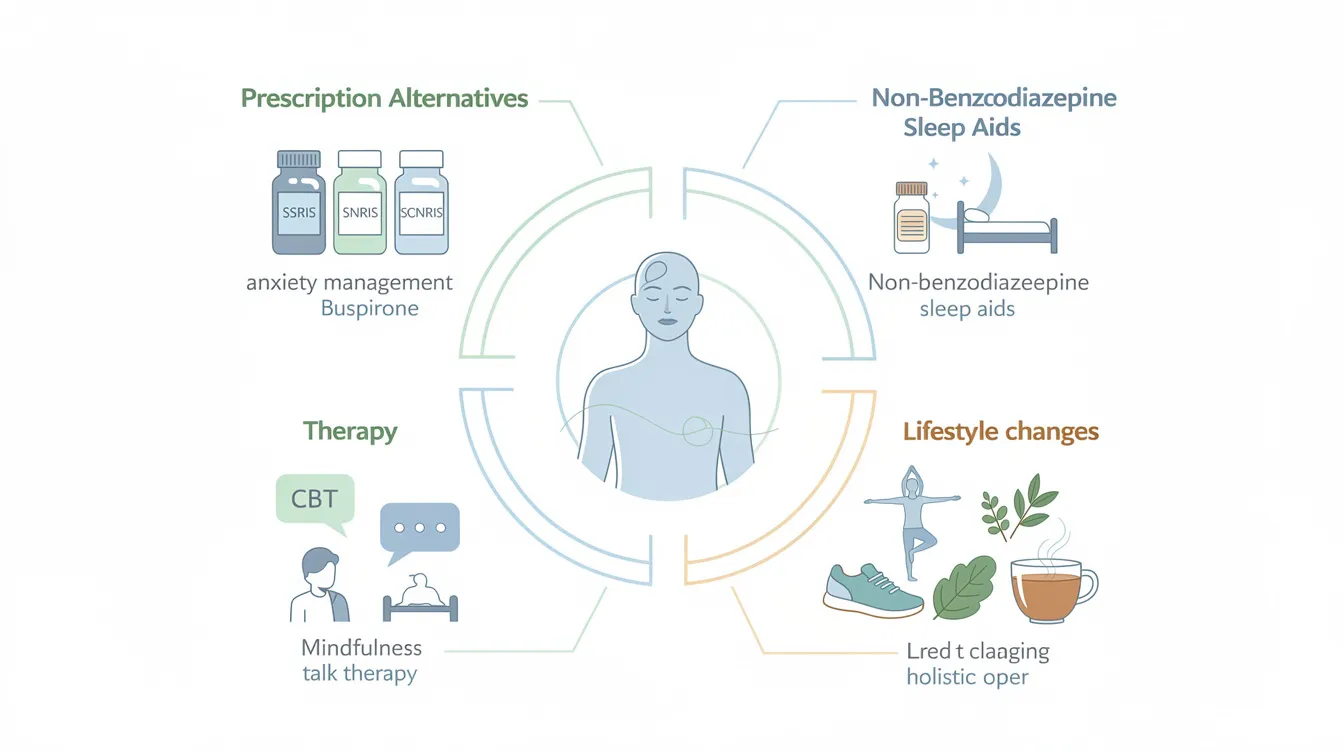
Before electing to participate in the use of benzodiazepines, it is worth trying alternative methods of anxiety management that possess a lower risk of abuse and dependency. These are often referred to as alternative treatments, which include non-pharmacological options and natural remedies such as lifestyle modifications, psychological therapies, and relaxation techniques. Exploring these alternatives can offer potential benefits, such as fewer side effects, reduced risk of dependency, and may be considered before turning to prescription drugs. These can include:
Over-the-counter remedies and supplements are also sometimes used for anxiety, but should be approached with caution and under the guidance of a healthcare professional. Anxiety is one of several mental health conditions that may benefit from these approaches.
In addition to these methods, there are other classes of medications besides benzodiazepines that can be considered for anxiety management. Some of these are non addictive anxiety medications, which may be preferable for many patients seeking effective and safer alternatives.
Holistic Therapies
Popular anti-anxiety medication alternatives include acupuncture, meditation, yoga, and other natural therapies. Acupuncture is an ancient form of Chinese medicine that utilizes tiny, sharp needles along the patient’s skin. These spots are responsible for releasing positive chemicals in the brain that can manage symptoms of depression, anxiety, and other distressing symptoms.
Meditation and yoga are also effective methods of calming the mind and body in the face of anxiety. These practices can also help with insomnia, which frequently accompanies anxiety. By placing a focus on being present and grounded, a person has the opportunity to steady their breathing and come back down to a functional level. Breathwork and mindfulness techniques are particularly useful for managing acute episodes such as panic attacks.
Finally, utilizing options like animal and nature therapy is believed to improve anxiety while promoting self-confidence and relaxation in patients. Of course, there will always be symptoms so severe that the intervention of medication is still necessary. In these cases, there are benzodiazepine alternatives that can manage symptoms.
Medicinal Alternatives
If a medicine is needed to manage your symptoms, there are less addictive alternatives to benzodiazepines for anxiety, with antidepressants being a major category of options.
These drugs include:
- Anticonvulsants, such as gabapentin, which can produce a calming effect by mimicking neurotransmitters in the central nervous system.
- Buspirone (Buspar), which is FDA approved to treat GAD, is considered non-addictive, and works by interacting with serotonin receptors.
- Antidepressants, including:
- Selective serotonin reuptake inhibitors (SSRIs), such as Lexapro, Prozac, and Zoloft. Common SSRIs are often the first line choice for anxiety disorders and depression. SSRIs work by increasing serotonin levels, a key brain chemical involved in mood regulation.
- Serotonin norepinephrine reuptake inhibitors (SNRIs), such as Cymbalta and Effexor. These medications increase both serotonin and norepinephrine levels in the brain and are also considered first line choice for anxiety treatment.
- Tricyclic antidepressants, an older class of medications, can also be used to treat depression and anxiety, though they may have more side effects.
- Antidepressants are used to treat depression as well as anxiety.
- Beta blockers, which are often prescribed off label for anxiety, especially performance or social anxiety. Beta blockers work by blocking the effects of adrenaline, reducing heart rate and blood pressure, and are also commonly used to treat high blood pressure.
Many of these medications act on the central nervous system to regulate mood and anxiety. Some are prescribed off label for anxiety, even if not specifically FDA approved for that use. SSRIs, SNRIs, and buspirone have FDA approval for anxiety or related conditions, and are often considered the first line choice for anxiety treatment.
Ask your doctor about which drug they think is right for you and your unique needs. And remember, practically any substance can be abused if not taken with care and consideration. If you find yourself subject to such addictive tendencies, consider reaching out to Legacy, where we can aid you in overcoming these instances and living the life you deserve.
Beta Blockers for Anxiety
Beta blockers are a class of medication often used to treat anxiety, particularly when physical anxiety symptoms are prominent. These medications work by blocking the effects of adrenaline on the body’s beta receptors, which helps to reduce symptoms such as rapid heartbeat, trembling, and sweating. Beta blockers are commonly prescribed for performance anxiety, social anxiety, and panic disorder, as they can effectively manage the physical symptoms of anxiety that can be overwhelming in stressful situations.
While beta blockers are not typically used to treat the emotional aspects of anxiety, they can be a valuable tool for individuals who experience intense physical symptoms of anxiety. They are often used in combination with other treatments, such as selective serotonin reuptake inhibitors (SSRIs) or cognitive behavioral therapy, to provide comprehensive anxiety treatment. Beta blockers are generally considered safe for short-term use, but they may not be suitable for everyone, especially those with heart failure or low blood pressure. If you are experiencing symptoms of anxiety and are interested in exploring medication options, speak with your healthcare provider to determine if beta blockers may be appropriate for your needs.
Cognitive Behavioral Therapy
Cognitive behavioral therapy (CBT) is a highly effective, evidence-based approach used to treat anxiety disorders, including generalized anxiety disorder, panic disorder, and social anxiety disorder. CBT focuses on helping individuals identify and challenge negative thought patterns and behaviors that contribute to anxiety symptoms. Through structured sessions with a licensed therapist, individuals learn practical strategies to manage anxiety, reduce avoidance behaviors, and develop healthier coping mechanisms.
CBT is often used alongside medication, such as SSRIs or beta blockers, to enhance treatment outcomes for those struggling with anxiety. Many people find that CBT not only helps in reducing anxiety symptoms but also improves overall quality of life and self-esteem. Whether delivered individually or in a group setting, CBT empowers individuals to take an active role in their anxiety treatment and develop long-lasting skills for managing anxiety symptoms.
Lifestyle Changes for Anxiety
Making positive lifestyle changes can have a tremendous impact on reducing anxiety symptoms and supporting overall mental health. Regular physical activity, such as walking, swimming, or yoga, has been shown to help manage anxiety by reducing stress and improving mood. Prioritizing healthy eating and ensuring adequate sleep are also essential for maintaining emotional balance and reducing the risk of developing anxiety disorders.
In addition to physical health, practicing relaxation techniques like deep breathing, meditation, or mindfulness can help manage anxiety and promote a sense of calm. Engaging in hobbies and activities that bring joy and fulfillment can further support mental well-being. Avoiding stimulants such as caffeine and nicotine is another important step in managing anxiety symptoms. By adopting these healthy habits, individuals can take proactive steps to manage anxiety and improve their overall quality of life.
Controlled Substance Concerns
When considering treatment options for anxiety disorders, it is important to be aware of the risks associated with controlled substances. Medications like benzodiazepines are typically prescribed for short-term use due to their high potential for addiction and physical dependence. These drugs can be habit-forming, and abruptly stopping them can lead to withdrawal symptoms and other adverse effects.
In contrast, other medications used to treat anxiety, such as SSRIs and beta blockers, are generally considered non addictive and have a lower risk of abuse. However, all prescription medications should be taken exactly as prescribed, and patients should be monitored for any negative effects. Individuals with a history of substance use disorder should discuss their concerns with their healthcare provider to ensure the safest and most effective treatment plan. By understanding the potential risks and benefits of different anxiety medications, individuals can make informed decisions and reduce their risk of developing a substance use disorder while effectively managing their anxiety.
Benzo Addiction Treatment for Those That Need It
Legacy Healing boasts a variety of levels of care that give patients the ability to move through the treatment process at their own pace. By offering different options that range from outpatient to full-time residential care, our team of professionals will be able to evaluate the state the patient is in and what therapy methods may be most effective. Treatment is available for those struggling with addiction to prescription drugs, including benzodiazepines.
To learn more about options for benzodiazepine addiction treatment, call our Legacy Healing Center locations at 888-534-2295 today.