

 By:
By:
 Editor:
 Clinical Reviewer:


What Is Sudden Sniffing Death Syndrome (SSDS)?
Sudden sniffing death syndrome refers to unexpected cardiac arrest occurring within minutes of inhaling volatile substances. The death syndrome happens when poisonous chemicals sensitize the heart to adrenaline, causing fatal arrhythmias during moments of stress or exertion.
What makes SSDS particularly dangerous is its unpredictability. It can occur on the very first use or after repeated substance use. There is no buildup of warning signs—a person may simply collapse and stop breathing.
Key facts about sudden sniffing death:
Most commonly linked to butane lighters, propane tanks, aerosol sprays, and refrigerants
Can affect seemingly healthy individuals with no prior heart disease
First responders frequently cannot restart the heart once SSDS occurs
Even brief experimentation with inhalants carries lethal risk
If you’re struggling with inhalant addiction, Legacy Healing Center offers immediate help in a private, luxury setting. Call now before experimentation becomes tragedy.
Inhalant Abuse: Background and Risk Context
Recreational inhalant use dates back to the early 19th century, when nitrous oxide parties became popular in Europe and the U.S. The “laughing gas” trend marked one of the earliest documented patterns of volatile substance abuse for mood-altering effects.
Modern inhalant abuse surged during the 1950s–1970s as glue, gasoline, and spray paints became accessible to teenagers. Today, inhalants remain especially prevalent among preteens and young teens because these substances found in homes and stores are legal, cheap, and available without suspicion.
Why inhalants are dangerous for youth: Products appear harmless, parents often don’t recognize the risk, and a single “experiment” can cause sudden death before anyone realizes drug abuse is happening.
Legacy Healing Center frequently treats inhalant abuse both as a primary addiction and alongside other substances, particularly among younger clients who need specialized intervention.
Common Inhalants Linked to Sudden Sniffing Death Syndrome
Inhalants fall into four broad classes: volatile solvents, aerosols, gases, and nitrites. While all carry health problems, certain products pose the highest risk for sudden sniffing death syndrome.
High-risk inhalants by category:
Volatile solvents: Paint thinners, correction fluids, dry cleaning fluids, gasoline (used to increase octane levels in racing cars)
Aerosols: Spray paints, hair sprays, vegetable oil sprays, fabric protector sprays, computer duster sprays
Gases: Butane lighters, propane tanks, whipped cream dispensers (whippets), refrigerants, nitrous oxide (sometimes called “galaxy gas”)
Nitrites: Video head cleaner, liquid aroma products, solvent containers
The “household” or legal status of these products does not make them medically safe. Halogenated hydrocarbons in aerosols and refrigerants are particularly dangerous because they directly sensitize the heart to fatal arrhythmias.
How Inhalant Abuse Causes Sudden Sniffing Death
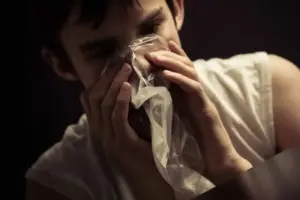
When someone inhales chemicals from a plastic or paper bag, soaked rag, or directly from a container, volatile substances rapidly enter the bloodstream through the lungs. These hydrocarbons depress the central nervous system to produce a brief high, but they simultaneously make the heart extremely vulnerable.
The chemicals sensitize cardiac cells to catecholamines like adrenaline. Any surge of stress—being startled by a parent, running away, or even sudden excitement—can trigger ventricular fibrillation. The heart stops pumping blood effectively, and death can occur within seconds.
Methods like huffing, bagging, and sniffing also displace oxygen in the lungs. This hypoxia compounds the risk by depriving the heart of the oxygen it needs to function. Additionally, some inhalants (particularly toluene-based products) cause metabolic changes including acid-base imbalance and low potassium, further destabilizing heart rhythm.
Main mechanisms of SSDS:
Cardiac sensitization to adrenaline
Oxygen deprivation from inhaled vapors
Electrolyte imbalances triggering arrhythmias
Rapid delivery of concentrated chemicals overwhelming the cardiovascular system
Is Sudden Sniffing Death Syndrome Preventable?
The only reliable way to prevent SSDS is complete abstinence from abusing inhalants. There is no safe dose, no safe frequency, and no way to predict who will experience sudden death.
SSDS can strike healthy individuals with no prior cardiac conditions, though those with existing heart or respiratory problems face increased risk. Many victims collapse so quickly that family members have no time to recognize danger or call for help.
Prevention tips:
For parents: Secure aerosols, paint products, and propane tanks; discuss the lethal dangers of inhalants with your child
For teens and adults: Understand that even one use of butane or propane can be fatal—there is no “trying it once safely”
For everyone: Seek professional treatment at the first sign of experimentation; early intervention saves lives
Sudden Sniffing Death Syndrome Statistics and Case Examples
Exact SSDS statistics remain limited because many cases are coded as “cardiac arrest” or “overdose” on death certificates rather than specifically attributed to inhalant abuse. However, available data reveals the scope of this danger.
A late-1980s UK study found that more than half of all solvent-related deaths were caused by SSDS. Notably, a significant proportion of these deaths occurred in first-time users—individuals who had no idea one experiment could be fatal.
U.S. national survey data indicates that 10–15% of adolescents report lifetime inhalant use, with 1–2% reporting use in the past year. Medical literature documents cases of healthy teenagers dying within minutes of inhaling butane from lighters or propane from portable canisters—often collapsing immediately after physical exertion or stress.
Key statistics:
Over 50% of solvent deaths in UK research attributed to sudden sniffing
Many victims were using inhalants for the first time
Adolescents remain the highest-risk population due to accessibility
Cases documented with common products including computer dusters and spray paints
Warning Signs of Inhalant Abuse and Imminent Danger
Recognizing signs of inhalant abuse can help families intervene before SSDS occurs. The symptoms cluster into physical indicators, behavioral changes, and acute emergency signs.
Physical signs:
Chemical or solvent odor on breath or clothing
Paint or marker stains on fingers and around mouth
Red or watery eyes
Frequent nosebleeds
Chronic cough
Behavioral signs:
Sudden decline in school or work performance
Secrecy about activities and locking doors
Spending time in garages, storage areas, or isolated spaces
Unexplained missing household products like alcohol-based cleaners or sprays
Acute emergency signs:
Dizziness and slurred speech
Nausea, vomiting, or confusion
Appearing “drunk” without alcohol on the breath
Sudden collapse, loss of consciousness, or abnormal breathing
SSDS often occurs without prolonged warning—collapse may be the first indication of a life-threatening event.
Emergency Response: What To Do if SSDS Is Suspected
If someone collapses or becomes unresponsive after inhalant use, treat it as a medical emergency.
- Do not wait to see if they wake up, even if they have used before without issues.
- Immediately call 911 for emergency medical services.
- While waiting for help to arrive, check the person’s airway, breathing, and circulation.
- If you are trained in CPR and the person is not breathing or has no pulse, begin chest compressions right away.
Quick action can be lifesaving, although resuscitation from sudden sniffing death syndrome is often difficult.
Remove any inhalant containers, rags, or bags from the person’s vicinity to prevent further exposure. Keep the individual in a safe, well-ventilated area and monitor their condition closely. Do not leave them alone, as further complications may occur rapidly.
After emergency care, it is critical for the person to receive a full medical evaluation from a healthcare provider to assess for potential brain, heart, kidney, or other organ damage caused by inhalant abuse. Early intervention and ongoing treatment can improve outcomes and prevent relapse.
If you suspect someone is abusing inhalants or at risk for sudden sniffing death syndrome, seek professional help immediately. Legacy Healing Center offers comprehensive, medically supervised detox and addiction treatment in a luxury setting tailored to your needs. Our expert team is ready to support recovery and help regain control of life before tragedy strikes.
Immediate Support Is Always Available
Whether you’re ready to begin or simply exploring your options, trusted resources are here to support you:
Legacy Healing Center – Speak confidentially with a specialist at (888) 534-2295
SAMHSA National Helpline – Call 1-800-662-HELP (4357) for 24/7 free, confidential guidance for individuals and families
988 Suicide & Crisis Lifeline – Dial 988 anytime for urgent support in a mental health or substance-related crisis
You are never alone. Support, understanding, and a path forward are just one step away.
Table of Contents
Check Your Coverage Now
"*" indicates required fields
Your information is kept private
Ready to Get Help?
Give us a call or fill out a contact form and we’ll reach out to you.