



Physical dependence has fully developed. Tolerance demands increasingly larger amounts, while severe withdrawal symptoms appear within hours of not drinking alcohol. A person’s life revolves entirely around obtaining and consuming alcohol to avoid collapse.
Clinical Features of Late Stage AUD:
- Near-constant drinking to prevent withdrawal
- Profound tolerance (needing large quantities for effect)
- Multiple organ system damage
- Inability to function without alcohol
- Complete loss of control over drinking habits
How Alcoholism Progresses:
From Early to Late Stage
Alcohol use disorder is a progressive disease that develops through identifiable patterns. According to NIAAA guidelines, heavy drinking exceeds 14 drinks per week for men and 7 for women. Binge drinking means 5+ drinks in about 2 hours for men, 4+ for women.
Genetics, trauma, mental health conditions, and environment influence how quickly someone reaches the severe phase. Not everyone follows identical stages of alcoholism, but patterns emerge.
Early Stage Alcohol Use and Alcohol Misuse
Early patterns include social drinking and binge drinking on weekends. Drinking socially transitions to using alcohol for stress relief, though some control remains.
- Drinking exceeds low-risk limits without obvious serious health consequences
- Warning signs: blackouts, DUIs, preoccupation with the next drink
- Physical dependence not yet established
- Early intervention can prevent progression
Middle Stage Alcoholism (Moderate to Severe AUD)
Drinking becomes daily. Attempts to quit drinking consistently fail despite negative consequences at work or home.
- Withdrawal symptoms emerge 6-12 hours after last drink (tremors, sweating, anxiety)
- Escalating tolerance drives maintenance drinking throughout the day
- Social and legal problems increase
- Medical red flags: elevated liver enzymes, high blood pressure, increased infections
- Critical window where treatment can reverse much damage
Late Stage Alcoholism (End-Stage AUD)
Continuous drinking from morning to night prevents severe withdrawal symptoms. Functional impairment becomes profound.
- Inability to hold employment
- Frequent hospitalizations
- Hallmark conditions: liver failure, alcoholic hepatitis, chronic pancreatitis, cardiomyopathy, wet brain
- Personality and cognitive impairment from brain damage
- Treatment can still significantly improve outcomes
Symptoms and Signs of Late Stage Alcoholism
Symptoms vary between individuals and fluctuate with periods of brief abstinence. This guide helps recognize when professional assessment is urgently needed.
- Jaundice (yellow skin and eyes) from liver disease
- Spider angiomas on chest, distended abdomen from ascites
- Frequent tremors in hands, especially morning (“the shakes”)
- Significant weight loss, muscle wasting, poor diet leading to vitamin deficiencies
- Gastrointestinal bleeding (blood in vomit, black tarry stools)
- Easy bruising from low platelets
- Unsteady gait from peripheral neuropathy
- Neglect of personal hygiene
Chronic confusion and disorientation characterize this stage. Memory problems range from daily forgetfulness to profound amnesia in Korsakoff syndrome.
- Wernicke encephalopathy: sudden confusion, ataxia, eye movement problems
- Sleep-wake cycle disruption
- Hallucinations during delirium tremens
- Cognitive impairment affecting basic conversations
- Some changes partially reversible with sustained sobriety
Severe depression, hopelessness, and anxiety commonly accompany late stage alcoholism. These reflect neurochemical changes, not moral failure.
- Emotional volatility and irritability
- High rates of co-occurring mental health conditions (PTSD, major depression)
- Increased risk of suicidal thoughts (15x higher than general population)
If you’re experiencing suicidal thoughts, call 988 (Suicide & Crisis Lifeline) immediately.
- Daily life organized around drinking: drinking upon waking, hiding bottles
- Severe neglect of hygiene and medical appointments
- Social isolation from family and friends
- Financial ruin: unpaid bills, loss of housing
- Legal consequences: DUIs, public intoxication
- Family walking on eggshells due to unpredictability
Why Treatment Length Matters
Research consistently shows that staying engaged in treatment for 90 days or longer significantly improves long-term recovery outcomes. For many people, recovery is most successful when treatment continues beyond detox and includes ongoing therapy, relapse prevention, and support.
Medical Complications of
Late Stage Alcoholism
According to NIAAA, NIH, and CDC data, excessive drinking affects nearly every organ system. Long term alcohol abuse creates compounding health problems.
Alcoholic Liver Disease and Liver Failure
Progression follows predictable stages after years of 4-6+ drinks daily:
Stage | Characteristics | Reversibility |
|---|---|---|
Fatty liver | 90% of heavy drinkers | Fully reversible |
Alcoholic hepatitis | Inflammation, fever | Partially reversible |
Fibrosis | Scarring begins | Limited reversibility |
Liver cirrhosis | Severe scarring, liver failure | Often permanent |
Complications include ascites, esophageal varices (risk of gastrointestinal bleeding), hepatic encephalopathy, and increased risk for liver transplant evaluation.
Pancreatitis and Digestive System Damage
Prolonged alcohol misuse causes 70-80% of chronic pancreatitis cases. Acute attacks cause severe abdominal pain requiring hospitalization. Chronic pancreatitis leads to digestive problems, malabsorption, and diabetes from destroyed insulin-producing cells.
Cardiovascular Damage
- Alcoholic cardiomyopathy: weakened heart muscle, heart failure risk
- Arrhythmias including atrial fibrillation
- High blood pressure and increased risk of stroke
- “Holiday heart syndrome” from binge drinking episodes
- Partial recovery possible with abstinence
Brain and Nervous System Damage
Chronic alcohol misuse combined with thiamine deficiency causes Wernicke-Korsakoff syndrome (wet brain). Without treatment, 10% mortality; 80% develop permanent deficits.
- Peripheral neuropathy: burning pain, numbness in feet and hands
- Cerebellar degeneration: balance problems, coordination difficulties
- Accelerated cognitive decline
Immune System, Infections, and Cancer Risk
A compromised immune system increases susceptibility to pneumonia, tuberculosis, and sepsis. A weakened immune system combined with aspiration risk makes infections more dangerous.
Alcohol is classified as a Group 1 carcinogen, creating increased risk for cancers of the mouth, throat, esophagus, liver, breast, and colon.
Life Expectancy, Risk of Death, and Alcohol Withdrawal Dangers

Late stage alcoholism significantly reduces life expectancy, though individual variability exists. Major pathways to death include liver failure, gastrointestinal bleeding, infections, cardiovascular events, accidents, and suicide.
Alcohol Poisoning and Overdose
Blood alcohol concentration ≥0.30% causes respiratory depression, confusion, seizures, and potential coma. Tolerance can mask outward signs, increasing accidental overdose risk.
Combining alcohol with opioids, benzodiazepines, or sedatives greatly increases fatal overdose risk. Call emergency services immediately if you suspect alcohol poisoning.
Withdrawal, Delirium Tremens, and Why Detox Must Be Medical
In late stage alcoholism, sudden cessation triggers life threatening complications:
Withdrawal Timeline:
6-12 hours: tremors, sweating, nausea, anxiety
12-48 hours: potential seizures (3% of cases)
48-72 hours: delirium tremens risk (5% of cases, historically 37% mortality untreated)
Delirium tremens involves severe confusion, hallucinations, and autonomic instability. Medical detox uses benzodiazepines, thiamine, and IV fluids to prevent complications.
Never attempt home detox after prolonged alcohol abuse.
Treatment Options for Late Stage Alcoholism
Even in late stage alcoholism, evidence-based treatment extends life, improves organ function, and restores relationships. Effective care combines multiple approaches.
Medical Detox and Stabilization
Medically supervised detox lasts several days to a week. Clinicians use CIWA-Ar assessment to monitor withdrawal severity.
- Benzodiazepines for withdrawal management
- Thiamine (500mg TID) prevents Wernicke encephalopathy
- IV fluids and electrolyte correction
- Continuous vital sign monitoring
Medical detox is stabilization only—not complete treatment.
Inpatient vs. Outpatient Rehabilitation
Inpatient recommended for:
- Severe AUD with multiple failed quit attempts
- Unstable housing or unsafe home environment
- Co-occurring serious medical or psychiatric conditions
- Need for 24/7 supervision
Outpatient options (intensive outpatient programs) work for medically stable patients with strong support systems. Longer treatment engagement improves outcomes.
Medications for Alcohol Use Disorder
Medication | Mechanism | Notes |
|---|---|---|
Naltrexone | Blocks opioid reward pathways | Reduces cravings; oral or injectable |
Acamprosate | Stabilizes brain signaling | Supports abstinence |
Disulfiram | Causes unpleasant reaction with alcohol | Deterrent effect |
Off-label options include gabapentin and topiramate. Medications work best combined with therapy—not as standalone treatment.
Therapy and Behavioral Approaches
Evidence-based approaches include:
- Cognitive behavioral therapy (CBT) for trigger identification and coping skills
- Motivational interviewing for readiness building
- Group therapy reducing isolation and shame
- Family therapy including CRAFT (Community Reinforcement and Family Training)
Long-Term Recovery Support and Aftercare
Recovery continues well beyond formal residential treatment:
- Mutual-help groups: Alcoholics Anonymous, SMART Recovery
- Sober living homes for transitional support
- Regular follow-up with addiction medicine specialists
- Ongoing mental health treatment
- Nutritional support and medical monitoring
Living With and Recovering From
Late Stage Alcoholism
What Late Stage Alcoholism Can Feel Like Day-to-Day
Waking nauseated and shaking, planning the day around obtaining alcohol, hiding symptoms from a loved one—these experiences reflect chronic illness, not weakness. Fear of withdrawal and medical crisis creates isolation and shame.
What Recovery Can Look Like After Late Stage Alcoholism
Early recovery involves withdrawal resolution, gradual sleep and appetite improvement, emotional fluctuations, and cravings. Some conditions improve significantly with abstinence (early liver disease, blood pressure, mood).
Milestones matter: 30 days, 90 days, one year. Lab values and physical stamina often improve. Someone in their 60s with liver cirrhosis can gain years of quality life through treatment.
Support for Families and Caregivers
The emotional toll on families—fear, financial stress, grief—is real. Setting boundaries while maintaining compassion helps avoid enabling without abandoning.
Resources include Al-Anon, SMART Family & Friends, and family counseling. Caregivers deserve their own medical and mental health support.
When to Seek Help and How to Start
Seek immediate help for:
- Signs of liver failure (jaundice, confusion, abdominal swelling)
- Withdrawal symptoms or seizures
- Suicidal thoughts
- Inability to stop drinking despite serious health consequences
Contact your primary care provider, addiction medicine specialist, or licensed treatment center. In emergencies—seizures, suspected delirium tremens, severe bleeding, suicidal intent—call 911 or go to the nearest emergency department.
Seeking help is strength. Recovery challenges exist, but positive outcomes remain possible with proper support.
Medically Reviewed By
Reviewed April 2026.
Medically reviewed by Ash Bhatt, M.D., M.R.O., FASAM
Quintuple Board-Certified in Brain Injury Medicine, Addiction Medicine, Preventive Medicine, Adult Psychiatry, and Child & Adolescent Psychiatry through the American Board of Medical Specialties (ABMS). In addition, he is a Certified Medical Review Officer (AAMRO) and an Academy Certified Brain Injury Specialist (ACBIS). Reviewed March 2026.
Sources
Content based on guidelines from NIAAA, NIH, CDC, and major academic medical centers. Information is educational only and does not replace personalized medical advice.
- National Institute on Alcohol Abuse and Alcoholism (NIAAA): niaaa.nih.gov
- Centers for Disease Control and Prevention (CDC): cdc.gov
- National Institutes of Health (NIH)
- Mayo Clinic: mayoclinic.org
- DSM-5-TR criteria for Alcohol Use Disorder (American Psychiatric Association)
- Peer-reviewed clinical guidelines published 2018-2025
Immediate Help and Support
Whether you’re ready to start treatment or exploring your options, these trusted resources can help:
- Legacy Healing Center: Call (888) 534-2295 to speak confidentially with an alcohol addiction specialist.
- SAMHSA National Helpline: Dial 1-800-662-HELP (4357) 24/7 support for individuals and families.
- 988 Suicide & Crisis Lifeline: Dial 988 for immediate help in a mental health or substance-related crisis.
You’re not alone-support is just one step away
Questions about Late Stage Alcoholism
What’s the difference between alcohol detox and rehab, and how do I know which one I need?
Alcohol detox is the initial phase of alcoholism treatment, focused on safely managing withdrawal symptoms as your body clears alcohol. This process is often medically supervised and may involve medications to ease discomfort and reduce risks. Rehab, on the other hand, is a longer-term program that addresses the underlying causes of alcohol use disorder (AUD) through therapy, education, and support. Medical treatment options—including medications, behavioral therapies, and ongoing clinical support—are often integrated into both detox and rehab to provide comprehensive care. Your needs will depend on your drinking history, health, and any co-occurring conditions. A professional assessment can help determine the best starting point.
Is it safe to quit drinking on my own?
Quitting alcohol suddenly can be dangerous, especially for those with severe dependence. Withdrawal symptoms can be life-threatening. It’s safest to seek medical supervision for detox, where your health can be closely monitored and supported.
What role does therapy play in alcohol addiction treatment?
Therapy is a cornerstone of effective alcoholism treatment. It helps you understand triggers, develop coping skills, and build a support network. Approaches include individual counseling, group therapy, family therapy, and trauma-informed care. Brief interventions—short, targeted counseling sessions often used in medical or emergency settings—can also be effective in addressing risky drinking behaviors and motivating change. Therapy is tailored to your unique needs and may be combined with medication and holistic therapies for best results.
What if I have a mental health condition too?
Many people with alcohol use disorder also experience depression, anxiety, PTSD, or other mental health issues. Dual-diagnosis treatment addresses both conditions together, using integrated therapies and medical support to promote lasting recovery.
Can I keep working or caring for my family during treatment?
Yes, many programs offer flexible options like outpatient rehab, intensive outpatient (IOP), or partial hospitalization (PHP) so you can maintain work or family responsibilities while receiving care. Your treatment plan can be customized to fit your life.
What happens after rehab ends?
Recovery is a lifelong journey. Aftercare services—such as alumni groups, ongoing therapy, relapse prevention planning, and community support—help you stay connected and supported as you transition back to daily life.
How do I choose a provider?
Look for licensed, accredited facilities with experienced staff and a full continuum of care. It is important that you feel respected, understood, and able to trust the person, group, or organization supporting your recovery. Consider programs that offer individualized treatment, family involvement, and support for co-occurring mental health conditions. Insurance verification and admissions support can also make the process easier.
Table of Contents
Most Insurance Policies Cover Alcohol Treatment
"*" indicates required fields
Your information is kept private
Find Alcohol Treatment
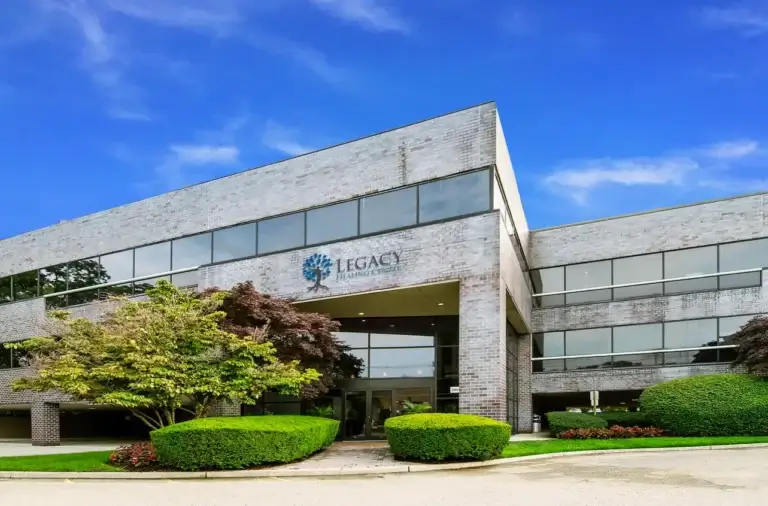
Legacy Healing Center Parsippany, NJ

Legacy Healing Center Cincinnati, OH