


-
 By:
Valerie Puffenberger, PMHNP-BC
By:
Valerie Puffenberger, PMHNP-BC
-
 Editor:
Phyllis Rodriguez, PMHNP-BC
Editor:
Phyllis Rodriguez, PMHNP-BC
-
 Clinical Reviewer:
Dr. Ash Bhatt, MD, MRO
Clinical Reviewer:
Dr. Ash Bhatt, MD, MRO
Addiction, clinically known as substance use disorder, is a chronic medical condition that affects brain chemistry, decision-making, and emotional regulation. Addiction is recognized as a disease, and addiction medicine treats it as such—similar to how chronic illnesses like heart disease or asthma are managed. Over time, repeated substance use changes the brain’s reward system, making it difficult to stop using drugs or alcohol without professional help.
Many individuals develop:
- physical dependence
- intense cravings
- withdrawal symptoms
- changes in mood and behavior
- difficulty controlling substance use
Because addiction affects both mental health and physical health, effective recovery often requires structured addiction treatment and clinical support.
At Legacy Healing Center, our clinical team—including addiction medicine professionals like Dr. Bhatt—emphasizes that addiction is a treatable medical condition, not a moral failure. Addiction Medicine is a holistic approach that combines therapy and medication to address substance use disorders. With proper treatment, the brain and body can begin to heal.
What Is Addict Rehab?
Addict rehab refers to structured treatment programs that help individuals stop substance use, stabilize physically and emotionally, and build the skills needed for long-term recovery.
Modern rehab programs combine multiple forms of care, including:
- medical detox
- behavioral therapy
- mental health treatment
- relapse prevention planning
- group and individual therapy
- holistic recovery support
At various stages of drug addiction treatment, different types of medications and devices may be used to support recovery and help prevent relapse.
Effective treatment programs focus on the whole person, addressing both addiction and any underlying mental health conditions.
At Legacy Healing Center, treatment plans are fully individualized to meet each client’s unique needs and recovery goals. We offer a wide range of specialized treatment services designed to address individual circumstances, including options for those with specific insurance coverage or Veterans seeking VA-specific programs.
Treatment should be tailored to each patient’s specific drug use patterns and related problems.
Types of Addiction
Addiction can take many forms, affecting people from all walks of life. The most commonly recognized are substance use disorders, which involve the misuse of substances such as alcohol, heroin, prescription medications, or other drugs. These disorders often lead to physical dependence, withdrawal symptoms, and significant changes in behavior and mental health. However, addiction is not limited to substances alone—behavioral addictions, such as compulsive gambling, sex, or technology use, can also disrupt a person’s life and well-being.
Each type of addiction presents unique challenges, but all share a common thread: the compulsive pursuit of a substance or behavior despite negative consequences. Effective addiction treatment addresses both the physical and psychological aspects of the disorder, helping patients understand the underlying causes and develop healthier coping strategies. Treatment centers specializing in addiction offer a range of services, including group therapy and individual therapy, to support patients on their recovery journey. By focusing on the whole person—mind, body, and spirit—these programs empower individuals to achieve long-term recovery and reclaim control over their lives.
Whether someone is struggling with alcohol, heroin, or another form of addiction, seeking support from experienced professionals can make all the difference. With the right treatment and ongoing support, recovery is possible for anyone ready to take the first step.
Substance Use and Abuse
Substance use and abuse can have far-reaching effects on every aspect of a person’s life. When substance use escalates into a disorder, it can lead to serious physical health problems, psychological distress, and social challenges. The risk of overdose, withdrawal symptoms, and long-term complications increases as substance use disorders progress. Often, individuals struggling with addiction also face mental health disorders such as depression and anxiety, making the recovery journey even more complex.
A holistic approach to treatment is essential for lasting recovery. Evidence-based practices—such as medication-assisted treatment, counseling services, and behavioral therapies—are proven to help individuals manage withdrawal, address underlying mental health issues, and build the skills needed for long-term recovery. Outpatient treatment programs and support groups offer affordable options for those seeking flexible care while maintaining daily responsibilities. These resources provide ongoing support, helping individuals begin their recovery journey and stay connected to a community of encouragement.
By addressing the physical, emotional, and psychological aspects of substance use disorders, treatment programs empower individuals to regain control of their lives. Whether someone is struggling with depression, anxiety, or the effects of substance use, seeking treatment is a courageous first step toward healing. With the right support and resources, recovery is within reach for anyone ready to lead a healthier, more fulfilling life.
Why Professional Addiction Treatment Matters
Trying to quit substances alone can be extremely difficult, particularly for individuals experiencing withdrawal symptoms or co-occurring mental health disorders.
Research shows that individuals who participate in evidence-based addiction treatment programs have significantly better recovery outcomes than those who attempt to quit without professional support.
Professional treatment can provide:
- medical supervision during detox
- therapy to address emotional triggers
- treatment for dual diagnosis conditions
- structured relapse prevention strategies
- long-term recovery support
According to addiction medicine specialists like Dr. Bhatt, early intervention and professional care significantly improve long-term recovery success.
The Science Behind Addiction
Addiction changes the brain systems responsible for:
- reward
- motivation
- impulse control
- stress regulation
Substances such as opioids, alcohol, stimulants, and benzodiazepines are examples of drugs that can disrupt the brain’s natural dopamine system. Over time, the brain begins to rely on these drugs to regulate mood and reward.
These changes can lead to:
- tolerance
- withdrawal symptoms
- increased cravings
- emotional instability
Understanding the neurological basis of addiction helps explain why comprehensive treatment—including therapy and medical care—is essential for recovery. Behavioral therapies are essential in addiction treatment as they help modify attitudes and behaviors related to drug use.
Types of Addict Rehab Programs
Because every recovery journey is different, effective addiction treatment typically involves a continuum of care. Individuals may move through different levels of support depending on their needs.
Legacy Healing Center offers several levels of treatment designed to support recovery at every stage.
Medical Detox
Many individuals begin treatment with medical detox, which helps the body safely clear drugs or alcohol while managing withdrawal symptoms.
Withdrawal can sometimes involve serious complications, particularly with substances such as:
- alcohol
- opioids
- benzodiazepines
Medical detox programs provide:
- 24/7 medical monitoring
- medication to reduce withdrawal symptoms
- stabilization before therapy begins
Detox is often the first step in addict rehab, preparing individuals for deeper therapeutic work.
Residential / Inpatient Rehab
Residential addiction treatment takes place in a residential setting at a treatment facility, providing a highly structured environment where individuals receive full-time therapeutic support.
Inpatient rehab typically includes:
- daily therapy sessions
- group counseling
- relapse prevention education
- mental health treatment
- holistic wellness activities
This level of care is especially helpful for individuals with:
- severe addiction
- repeated relapse
- unstable home environments
- dual diagnosis conditions
Inpatient treatment provides 24/7 monitoring, medical support, and intensive therapy, making it suitable for severe addiction or unstable environments.
Residential programs typically last 30 to 90 days, depending on individual progress. Inpatient/residential treatment usually lasts from 28 to 90 days, while long-term therapeutic communities can last 6 to 12 months.
Partial Hospitalization Program (PHP)
A Partial Hospitalization Program (PHP) offers intensive treatment during the day while allowing individuals to return home or to sober housing in the evening.
PHP programs include:
- structured therapy sessions
- psychiatric care
- behavioral therapy
- relapse prevention training
PHP provides strong support while allowing for a gradual transition back into daily life.
Intensive Outpatient Program (IOP)
An Intensive Outpatient Program (IOP) offers continued treatment while allowing individuals to maintain work, school, or family responsibilities.
IOP programs typically include:
- several therapy sessions per week
- individual counseling
- group therapy
- relapse prevention planning
- ongoing mental health support
IOP is often used as a step-down level of care after residential treatment or PHP.
Dual Diagnosis Treatment
Many people struggling with addiction also experience co-occurring mental health conditions, including:
- depression
- anxiety
- trauma or PTSD
- bipolar disorder
- personality disorders
When addiction and mental health disorders occur together, they must be treated simultaneously. This approach is known as dual diagnosis treatment and is a key component of comprehensive disorder treatment for individuals with complex mental and behavioral health needs.
Legacy Healing Center provides integrated care that addresses both substance use and mental health through:
- psychiatric care
- trauma-informed therapy
- evidence-based behavioral therapies
- medication management when appropriate
Treating both conditions together significantly improves recovery outcomes. Counselors may select from a variety of services to meet the specific medical, mental, social, and legal needs of patients in recovery.
Evidence-Based Therapies Used in Addict Rehab
Successful addiction treatment programs rely on evidence-based therapies that help individuals understand and change harmful patterns.
Common therapies used in rehab include:
Cognitive Behavioral Therapy (CBT)
CBT helps individuals identify and change negative thought patterns that contribute to substance use.
Motivational Interviewing
This therapy helps individuals strengthen their motivation to change and commit to recovery.
Group Therapy
Group therapy creates a supportive environment where individuals can share experiences and build accountability with peers.
Trauma-Informed Therapy
Many individuals struggling with addiction have experienced trauma. Trauma-informed therapy addresses these experiences in a safe and supportive way.
The Addict Rehab Process: What to Expect
The recovery process typically follows several structured stages.
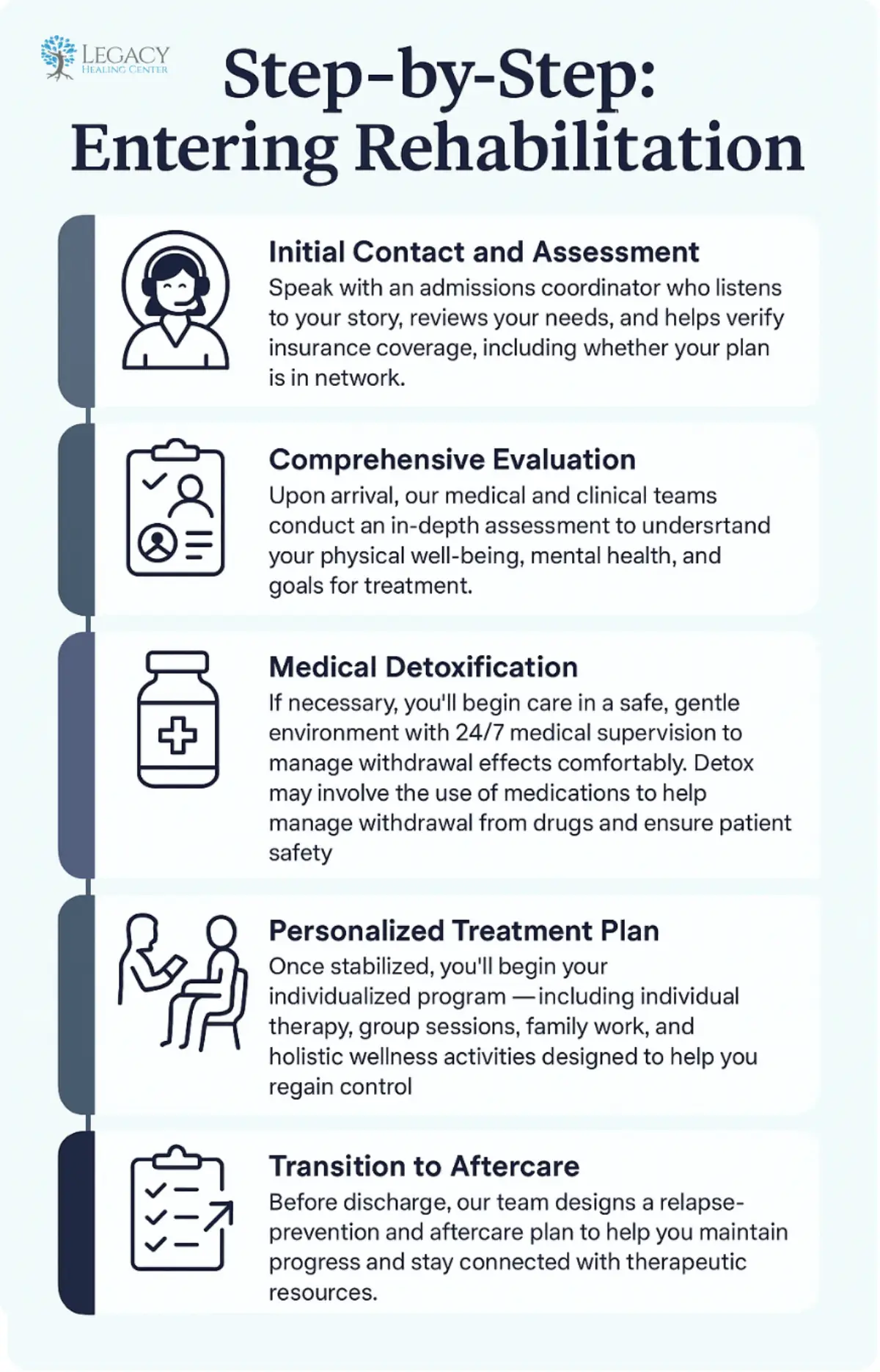
1. Initial Assessment
Admissions specialists conduct a confidential evaluation to understand:
- substance use history
- physical health
- mental health conditions
- treatment goals
2. Medical Detox (If Needed)
Individuals who require withdrawal support begin detox in a medically supervised setting.
3. Individualized Treatment Plan
Each client receives a personalized plan that may include therapy, psychiatric care, and holistic treatments.
4. Active Treatment
Clients participate in daily therapy, skill-building, and recovery education.
5. Aftercare and Relapse Prevention
Before leaving treatment, clinicians develop a long-term recovery plan that may include outpatient therapy, support groups, and ongoing care.
Common Challenges in Addiction Recovery
Recovery is a lifelong process, and individuals may face challenges along the way.
Relapse Risk
Relapse can occur during recovery, but it does not mean failure. Relapse prevention strategies and ongoing support can help individuals regain stability.
Mental Health Symptoms
Untreated mental health conditions can increase relapse risk. Integrated mental health care is essential for long-term recovery.
Family Dynamics
Addiction often affects family relationships. Family therapy can help rebuild trust and strengthen support systems.
Finding the Right Addict Rehab Center
Choosing a treatment center is an important decision. A facility is the location where addiction treatment services are provided, and alcohol treatment centers are specialized facilities offering residential or outpatient services for those struggling with alcohol use disorder. When researching rehab programs, consider:
- accreditation and clinical licensing
- evidence-based therapies
- medical detox availability
- dual diagnosis treatment
- experienced clinical staff
- individualized treatment plans
Some rehab facilities or nonprofit organizations offer scholarships to help individuals with limited income access treatment. Additionally, some rehab facilities or nonprofit organizations provide sliding-scale payment options, where the cost of treatment is based on your ability to pay. Under the Affordable Care Act (ACA), most insurance plans are required to cover addiction treatment. Medicaid pays for rehabilitation in drug and alcohol treatment centers that accept this form of insurance. Veterans Affairs (VA) benefits can also be used to pay for a range of programs treating addiction.
At Legacy Healing Center, our multidisciplinary team provides compassionate, clinically advanced addiction treatment designed to support sustainable recovery.
When to Seek Help
If you or a loved one are experiencing any of the following, it may be time to seek professional treatment:
- inability to stop using drugs or alcohol
- withdrawal symptoms when attempting to quit
- relationship or job problems related to substance use
- worsening mental health symptoms
- repeated relapse
Seeking help early can significantly improve recovery outcomes.
Hope is a fundamental element in overcoming addiction and mental health challenges, but effective treatment is essential for lasting recovery.
Start Your Recovery Journey Today
Addiction can feel overwhelming, but recovery is possible with the right support and treatment.
At Legacy Healing Center, our team provides compassionate, evidence-based addiction treatment designed to help individuals reclaim their lives.
Our programs include:
- medical detox
- residential addiction treatment
- partial hospitalization programs (PHP)
- intensive outpatient programs (IOP)
- dual diagnosis treatment
- trauma-informed therapy
- relapse prevention planning
We also offer holistic recovery support services that focus on treating the whole person, addressing physical, emotional, and social needs. Innovative recovery support services may include virtual coaching, mobile apps, and self-help resources. Holistic approaches in addiction treatment often incorporate mindfulness and community support to enhance recovery.
If you or a loved one is searching for addict rehab, help is available.
Contact Legacy Healing Center today to speak confidentially with an admissions specialist, verify your insurance coverage, and learn about treatment options that can support your recovery.
Healing is possible—and your recovery journey can begin today.