



-
 By:
Valerie Puffenberger, PMHNP-BC
By:
Valerie Puffenberger, PMHNP-BC -
Editor:
Phyllis Rodriguez, PMHNP-BC
-
Clinical Reviewer:
Dr. Ash Bhatt, MD, MRO
 By:
By:
 Editor:
 Clinical Reviewer:
Choosing between naltrexone and Vivitrol affects dosing frequency, administration method, cost, and compliance factors. Both medications contain the same drug—naltrexone, an opioid antagonist that works by blocking opioid receptors to reduce cravings and prevent relapse. The difference lies in how each form of naltrexone is delivered to your body.
The right choice depends on individual circumstances, lifestyle, treatment goals, and several factors including insurance coverage and compliance history. Below is a practical comparison of naltrexone vs Vivitrol for addiction treatment.
Naltrexone vs Vivitrol: Key Differences
The main differences come down to administration method and dosing frequency.
- Oral naltrexone focuses on daily medication management requiring consistent self-administration in pill form.
- Vivitrol relies on a monthly injection administered by healthcare provider professionals in clinical settings.
Both approaches can be effective in treating opioid and alcohol addiction, but the treatment experience differs significantly. Understanding these key differences helps patients and treatment teams make informed decisions about medication assisted treatment options.
Administration Method
Administration method is one of the most important factors when choosing between these medications for substance abuse treatment.
Naltrexone Oral Tablets
Oral naltrexone involves daily administration of 50mg naltrexone tablets. Patients take naltrexone pills at home, allowing flexibility in timing and personal control over their medication schedule.
This approach requires consistent daily compliance to maintain therapeutic effectiveness. Naltrexone blocks opioid receptors continuously when taken as prescribed, reducing cravings for both opioid and alcohol use.
Generic naltrexone is widely available under brand names like ReVia and Depade, making oral tablets accessible through most pharmacies with a prescription.
Vivitrol Injectable
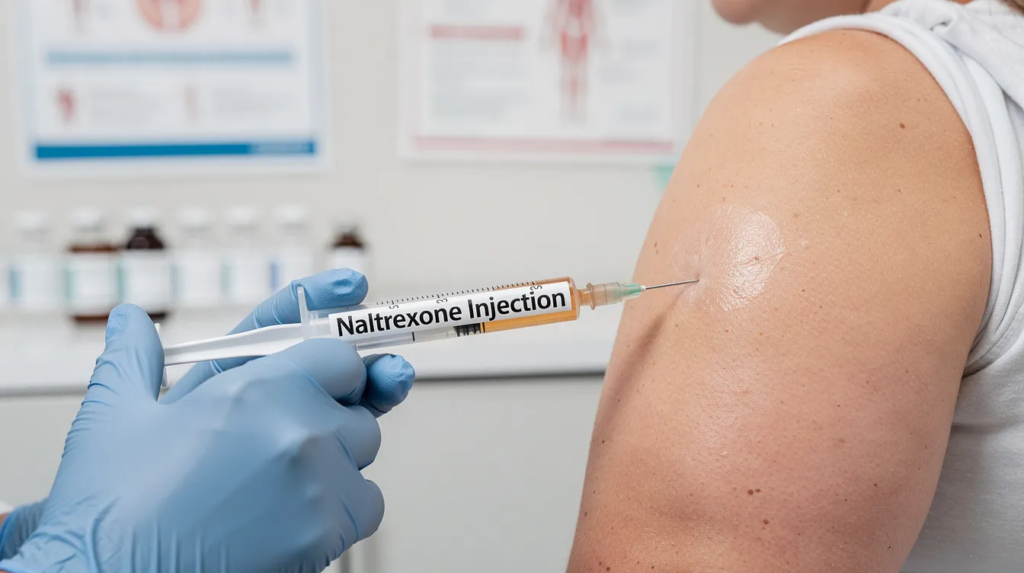
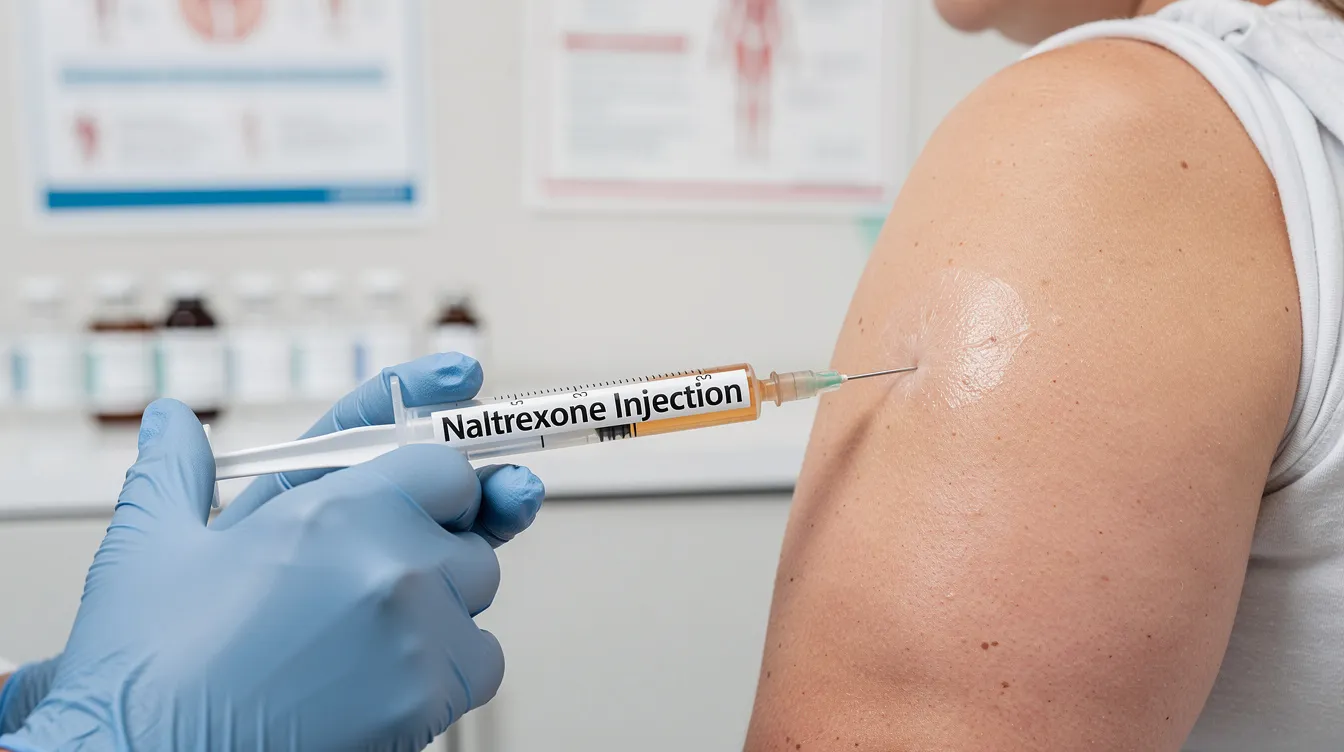
Vivitrol is an extended release injectable form containing 380mg of naltrexone administered intramuscularly once monthly. A healthcare provider performs the vivitrol injection in a clinical setting, ensuring proper technique and monitoring.
The injection site is typically the gluteal muscle, and patients should rotate sites between appointments. This naltrexone injection eliminates the need for daily medication decisions while providing continuous protection against relapse.
Professional administration means scheduling monthly appointments, but also guarantees built-in contact with treatment providers who can monitor progress and address concerns.
Dosing Frequency and Duration
Dosing schedules create different treatment experiences and compliance challenges for those managing opioid use disorder or alcohol use disorder.
Daily Naltrexone Dosing
Taking naltrexone daily requires ongoing commitment to the treatment regimen. After a 50mg oral dose, peak plasma levels occur within approximately one hour, with significant receptor blockade lasting 24-36 hours.
However, blocking opioid receptors becomes less effective over time without consistent dosing. Studies show receptor occupancy drops significantly by 5-7 days after stopping oral tablets.
The daily format offers flexibility for targeted use—some patients with alcohol dependence use naltrexone before anticipated drinking situations. This approach can work well for highly motivated individuals with strong support systems.
Monthly Vivitrol Dosing
A single vivitrol injection provides 30-day continuous medication coverage. After administration, there’s an initial plasma peak at approximately 2 hours, followed by sustained release throughout the month.
This eliminates daily dosing compliance issues entirely. The extended release formulation maintains measurable naltrexone levels for over 31 days, with total systemic exposure approximately 3-4 times higher than with daily 50mg oral dosing.
Patients must commit to keeping monthly appointments, but the single injection removes 29 daily decisions about whether to take medication—a significant advantage for those struggling with adherence.
Side Effects and Tolerability
Both medications share similar side effect profiles since they contain the same drug, but administration-specific considerations exist.
Naltrexone Tablet Side Effects
Common side effects of oral naltrexone include:
- Nausea and stomach discomfort
- Headache and dizziness
- Drowsiness and fatigue
- Anxiety and insomnia
- Muscle cramps and joint aches
- Sore throat and cold-like symptoms
These side effects are generally safe and often diminish as the body adjusts to medication. Because oral tablets clear the system relatively quickly, patients can adjust timing or discontinue use if they experience reactions that are intolerable.
Liver function monitoring is required with both forms, as naltrexone can affect hepatic enzymes. Patients with existing medical conditions affecting liver function should discuss risks with their healthcare provider.
Vivitrol Injection Side Effects
Vivitrol causes similar systemic side effects as oral naltrexone, including nausea, dizziness, and fatigue. Additionally, injection site reactions are common:
- Redness and swelling
- Pain and tenderness
- Hardness or nodules at injection site
The critical difference is that once administered, side effects cannot be immediately reversed due to the 30-day duration. In severe cases, patients must wait for the medication to gradually clear their system.
For this reason, many providers recommend testing tolerance with oral naltrexone first before initiating vivitrol treatment. Allergic reactions, while rare, require immediate medical attention.
Cost and Accessibility
Cost and insurance coverage often influence treatment decisions significantly in addiction treatment programs.
Naltrexone Cost Considerations
Generic naltrexone tablets typically cost between $25 to $100 per month without insurance—substantially more affordable than injectable options. Most insurance plans, including Medicare Part D and Medicaid, cover oral naltrexone with minimal barriers.
Pharmacy accessibility is excellent, with naltrexone pills available at most retail pharmacies. Telemedicine prescribing has expanded access further, allowing patients to obtain prescriptions remotely.
Prescription assistance programs exist for those without insurance or with high copays, making oral tablets the more accessible option for cost-conscious patients.
Vivitrol Cost Considerations
Vivitrol costs significantly more—typically $1,000 to $1,500 per monthly injection before clinic administration fees. Six-month treatment costs can exceed $7,800, compared to approximately $150-$600 for oral naltrexone over the same period.
Insurance coverage varies considerably. While many commercial plans and Medicaid programs cover Vivitrol, prior authorization is often required. Studies have shown that only about 26% of marketplace insurance plans covered Vivitrol in 2018, compared to 100% covering generic oral naltrexone.
The manufacturer offers copay assistance programs for eligible patients, providing savings up to $500 per prescription. Specialty pharmacy requirements and monthly clinical visits add logistical complexity beyond cost considerations.
Patient Compliance and Treatment Success
Different administration methods significantly affect long-term treatment adherence and success rates in managing opioid dependence and alcohol addiction.
Compliance with Daily Naltrexone
Daily medication adherence presents real challenges during addiction recovery. When patients miss doses, receptor blockade decreases, and opioid cravings or alcohol cravings can resurge. Research on heroin-dependent patients shows very low retention rates at 14 weeks with oral dosing alone.
Success with naltrexone tablets requires strong motivation and robust support systems. Patients must make a conscious decision every day to continue treatment—a significant barrier when cravings are intense.
However, oral naltrexone works well when patients are highly motivated and engaged with comprehensive treatment. The flexibility to treat alcohol dependence without requiring opioid detoxification makes it accessible for some patients who aren’t ready for injectable treatment.
Compliance with Monthly Vivitrol
Injectable naltrexone eliminates daily compliance decisions entirely. Once administered, patients receive guaranteed medication coverage for 30 days regardless of motivation fluctuations or challenging circumstances.
Clinical trials comparing Vivitrol with buprenorphine/naloxone found that once patients successfully initiated treatment, both medications showed similar outcomes in relapse prevention and negative urine tests. The challenge lies in initiation—patients must be opioid-free for 7-14 days before their first injection to avoid precipitated withdrawal symptoms.
Monthly appointments create built-in healthcare provider contact, allowing regular assessment of progress, cravings, and mental health status. This structured approach benefits patients with unstable living situations, demanding schedules, or histories of non-adherence.
Clinical Considerations
Medical factors may influence the choice between these medications for treating opioid use disorder or alcohol use disorder.
Both forms require completing detoxification before starting treatment when addressing opioid addiction. Patients must be opioid-free for 7-14 days before vivitrol injection to prevent precipitated withdrawal symptoms—a potentially severe and dangerous reaction.
Liver function monitoring is essential with both medications. Baseline liver enzyme testing and periodic follow-up assessments help identify potential hepatotoxicity before it becomes problematic.
Patients should understand that naltrexone blocks the euphoric effects of opioids completely. This means opioid pain medications will be ineffective during treatment, and attempting to override the blockade with high opioid doses significantly increases overdose risk.
When stopping either medication—especially Vivitrol—patients face elevated overdose risk if they return to opioid use. Reduced tolerance combined with prior use patterns creates dangerous conditions. Education about this risk and access to naloxone are critical components of responsible prescribing.
Naltrexone vs Vivitrol: Which Should You Choose?
Choose naltrexone tablets if you prefer daily medication control, have cost constraints, and demonstrate strong compliance motivation. The pill form works well for patients with stable routines, good support systems, and the discipline to take medication consistently. It’s also appropriate for those wanting flexibility or who have concerns about injectable form medications.
Choose Vivitrol if you have compliance challenges, prefer monthly medical contact, and have insurance coverage or financial resources for the higher cost. The monthly injection benefits patients who struggle with daily decisions, have busy travel schedules, or want the assurance of continuous protection against relapse.
Both medications can be highly effective for reducing cravings and preventing relapse when matched with appropriate patients and comprehensive addiction treatment including counseling, support groups, and mental health care.
At Legacy Healing Center, our clinical team provides expert guidance in medication assisted treatment decisions, helping each client determine whether oral or injectable naltrexone best fits their recovery goals. Our luxury treatment centers offer comfortable environments for detoxification, induction monitoring, and ongoing support—ensuring patients receive the individualized care essential for lasting recovery from substance abuse and co-occurring mental health disorders.
Medical consultation and personalized treatment planning remain essential. The right medication choice depends on your unique circumstances, and professional assessment helps identify the path most likely to support your long-term success.