


-
 By:
Valerie Puffenberger, PMHNP-BC
By:
Valerie Puffenberger, PMHNP-BC
-
 Editor:
Phyllis Rodriguez, PMHNP-BC
Editor:
Phyllis Rodriguez, PMHNP-BC
-
 Clinical Reviewer:
Dr. Ash Bhatt, MD, MRO
Clinical Reviewer:
Dr. Ash Bhatt, MD, MRO
Legacy operates private, confidential treatment facilities serving adults nationwide across the United States. As of 2026, Legacy provides comprehensive care for both mental health conditions and substance use disorder, with a specialized focus on opioid addiction—including prescription medications and illicit drugs like fentanyl and heroin. Unlike public locator sites such as the Mental Health Services Administration’s FindTreatment.gov, Legacy’s program-driven model emphasizes privacy, rapid admissions, and individualized recovery support.
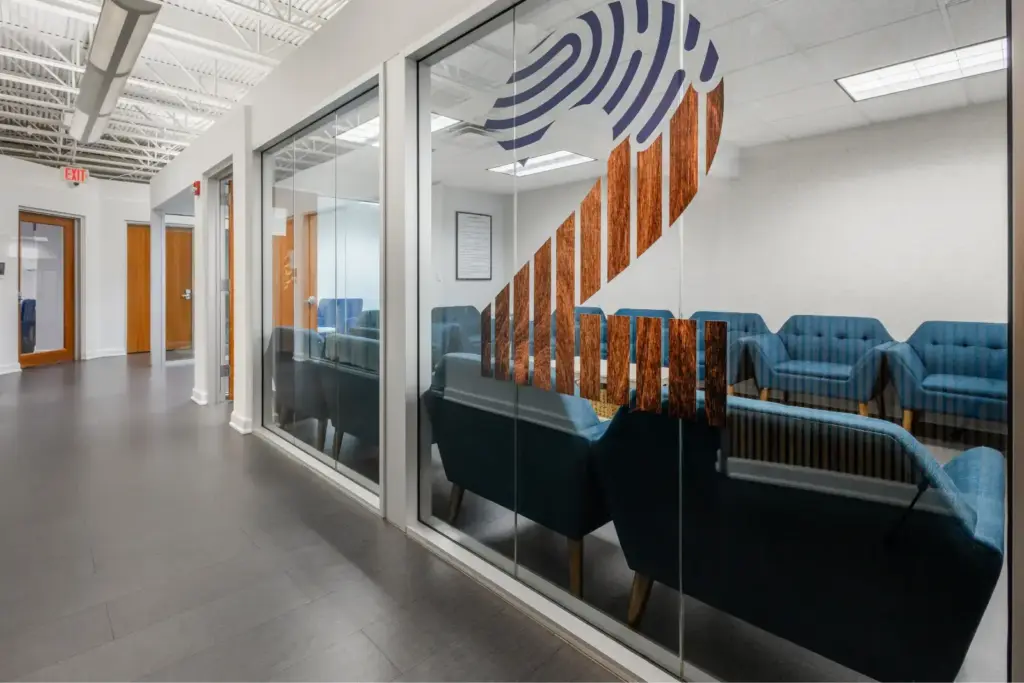
Experience at Our Luxury Treatment Facilities
Legacy’s philosophy centers on evidence-based care delivered by compassionate teams committed to long term recovery. Every facility maintains rigorous quality standards aligned with Joint Commission protocols and uses validated clinical outcome measures to track patient progress.
Key differentiators include:
- Private or small-unit housing for confidential treatment
- Low staff-to-patient ratios enabling personalized attention
- On-site medical teams providing 24/7 monitoring
- Integrated mental health services and addiction treatment under one roof
- Wraparound services: family therapy, vocational coaching, education support, and alumni programs

Legacy’s Nationwide Network of Private Facilities
Legacy’s treatment network spans multiple states, making it easier for families to access care close to home or in a change-of-environment setting.
- Southeast facilities serve patients from Florida, Georgia, and Alabama
- Midwestern locations admit patients from Illinois, Indiana, and neighboring states
- West Coast presence in California provides options for users in that region
- Northeast centers support patients from New York, New Jersey, and Pennsylvania
- Colorado, Minnesota, and Washington regions also have access points
Legacy’s admissions team coordinates out-of-state treatment when clinically appropriate, including travel planning and pre-arrival assessments. All facilities connect through shared clinical protocols and electronic health records, ensuring consistent quality regardless of location.
Levels of Care Available Across Legacy Facilities
Legacy offers a continuum of care so patients can step down gradually rather than face abrupt discharge. This structured treatment pathway includes:
| Level of Care | Description |
|---|---|
| Medical Detoxification | 24/7 physician-supervised withdrawal management |
| Residential Inpatient | 30-90 day intensive therapeutic environment |
| Partial Hospitalization | Daytime treatment with evening flexibility |
| Intensive Outpatient | 9-20 hours weekly of structured programs |
| Outpatient Services | Ongoing counseling and medication management |
Not every facility offers every level, but the network accommodates full treatment journeys for most patients.

Specialized Opioid and Fentanyl Treatment Programs
Legacy has built specialized opioid treatment program tracks addressing prescription opioids (oxycodone, hydrocodone, morphine, codeine) and illicit substances including heroin and fentanyl. With fentanyl involved in over 70% of U.S. opioid overdose deaths, Legacy’s protocols reflect this crisis urgency.
- Fentanyl’s potency requires intensified monitoring during detox and early stabilization
- Evidence-based medications for opioid use disorder (MOUD) include buprenorphine, methadone, and extended-release naltrexone
- All facilities stock naloxone and provide training before discharge
How Legacy’s Fentanyl Recovery Program Works
This structured program supports patients from fentanyl detox through aftercare with measurable outcomes:
- Comprehensive intake assessment covering substance history, depression, anxiety, and medical status
- Medically supervised detox with symptom-specific medications
- Intensive therapy phases building coping skills
- Long-term relapse prevention planning with 6-12 month engagement tracking
Clinical teams include addiction medicine physicians, psychiatrists, and recovery coaches experienced in fentanyl treatment. Research shows MOUD combined with therapy yields 40-60% retention rates—demonstrating that disorder treatment works when patients receive treatment comprehensively.
Treatment for Prescription Opioid Misuse
Many patients first developed problems through legal prescriptions for pain management after surgery or injury. Legacy’s assessment reviews current prescriptions, pain levels, and medical conditions to balance addiction recovery with legitimate needs.
Care plans integrate non-opioid pain management strategies and coordinate with outside prescribers to ensure safe tapering—preventing doctor-shopping while managing substance abuse compassionately.

Evidence-Based Therapies and Integrated Mental Health Care
Legacy treats substance use disorders alongside co-occurring conditions using proven approaches:
- Cognitive behavioral therapy (CBT)
- Dialectical behavior therapy (DBT) skills
- Motivational interviewing (MI)
- Trauma-informed care and EMDR
- Family systems counseling
Psychiatrists manage medications for co-occurring disorders, coordinating with addiction care to avoid conflicting prescriptions. Legacy uses measurement-based care with standardized screening tools, adjusting treatment options in real time.
Specialized Programs and Populations
Certain facilities run dedicated tracks for specific populations including young adults, working professionals, first responders, and veterans with trauma histories. Gender-responsive groups and trauma-focused services aid those with extensive histories—common among persons with long-term fentanyl or heroin use.

Detoxification and Medical Support in Legacy Facilities
Safely managing withdrawal is often the first step toward recovery. Legacy’s detox units offer support through 24/7 nursing supervision, vital sign monitoring, and evidence-based protocols using medications that reduce cravings, manage pain, and address insomnia.
Detox immediately transitions into residential or intensive outpatient care—patients don’t leave after withdrawal stabilizes. This approach reduces relapse risk significantly compared to standalone detox.

Aftercare, Alumni, and Long-Term Recovery Support
Legacy views discharge as the beginning of treatment and recovery, not the end. Aftercare components include:
- Step-down outpatient sessions and virtual therapy
- Peer support groups and community connection
- Family check-in calls and partner involvement
- Alumni network with regular meetings and mentorship opportunities
Relapse prevention planning starts before discharge, offering concrete strategies for managing triggers and maintaining hope through high-risk situations.
How to Access Legacy’s Nationwide Treatment Facilities
Legacy’s admissions process prioritizes speed and confidentiality for those in crisis. Steps include:
- Confidential phone call or online inquiry
- Same-day clinical pre-assessment
- Insurance verification or cost planning (Medicare and private benefits accepted)
- Coordinated admission within 24-72 hours
Legacy offers 24/7 phone support—reach someone any time to schedule a visit or connect with resources. Contact Legacy today to explore treatment for yourself or loved ones struggling with opioids, fentanyl, or other substances. Recovery is possible, and your first step starts now.