



-
 By:
Valerie Puffenberger, PMHNP-BC
By:
Valerie Puffenberger, PMHNP-BC -
Editor:
Phyllis Rodriguez, PMHNP-BC
-
Clinical Reviewer:
Dr. Ash Bhatt, MD, MRO
 By:
By:
 Editor:
 Clinical Reviewer:
Substance use disorders affect millions of people, yet effective treatment remains misunderstood. This guide explains how modern addiction treatment works, what patients can expect, and why facilities like Legacy Healing Center achieve lasting results through evidence-based care when treating addictions and mental health disorders.
Can Addiction Be Treated Successfully?
Research shows that substance use disorders are treatable chronic conditions, not personal failure or moral weakness. According to the Recovery Research Institute, approximately 74.8% of U.S. adults who reported significant substance problems are now in recovery or have recovered.
Modern addiction treatment helps people stop drug use, repair brain and physical health, and rebuild work, school, and family life. Programs combining prescribed medications with counseling yield outcomes comparable to treatments for diabetes or hypertension. Treatment programs lasting 90 days or longer demonstrate significantly better long-term success rates.
Legacy Healing Center uses evidence-based therapies, comprehensive medical care, and luxury residential settings to support long-term recovery. Our multidisciplinary teams provide individualized treatment plans addressing each person’s life circumstances.
Many patients at Legacy Healing Center achieve lasting sobriety through structured programming combined with robust aftercare. Florida facilities report over 70% treatment completion rates, with 85-95% of completers remaining abstinent nine months post-discharge.
Can Addiction Be Cured or Is It a Lifelong Condition?
Addiction currently has no once-and-for-all cure, but it can be managed very successfully. Like diabetes or hypertension, substance abuse requires ongoing attention rather than a single intervention.
Treatment reverses many neurobiological changes caused by prolonged substance exposure, including dopamine pathway dysregulation. However, sustained recovery demands continued vigilance against triggers and lifestyle modifications that support health.
Stages of ongoing management include:
- Acute stabilization through medical detox and initial treatment
- Rehabilitation through intensive therapy and skill-building
- Maintenance via community support, therapy, and monitoring
Legacy Healing Center and Dr. Ash Bhatt focus on long-term disease management plans. Their approach includes relapse prevention strategies and step-down levels of care that adjust intensity as patients stabilize.
Does Relapse Mean Treatment Has Failed?
The myth that relapse equals treatment failure persists, but the facts tell a different story. Relapse is a normative part of chronic disease management, not evidence of personal weakness.
Relapse rates for substance use disorders (40-60%) are comparable to those for type 1 diabetes (30-50%), hypertension (50-70%), and asthma (50-70%). When someone with high blood pressure experiences elevated readings, we adjust their treatment plan—the same principle applies to addiction.
Relapse can be life-threatening for opioid addiction because tolerance drops during sobriety. When someone returns to use at previous doses, overdose risk increases dramatically, especially with fentanyl-laced substances.
Legacy Healing Center responds to relapse with rapid reassessment, medication adjustments, intensified therapy, and coping skills reinforcement. This approach treats relapse as clinical information requiring intervention, not judgment.
Principles of Effective Addiction Treatment
The National Institute on Drug Abuse identifies core principles that predict effective treatment outcomes. Understanding drug addiction treatment means recognizing that no single approach works for everyone.
Individualized care remains essential. Treatment must be tailored by substance type, medical history, trauma history, co-morbidities, and personal goals. Someone with opioid addiction and depression needs different interventions than someone with alcohol counselor-resistant drinking patterns.
Timely access matters significantly. The window of motivation for seeking treatment can close quickly, making prompt evaluation critical. Legacy Healing Center offers rapid intake processes to capture this readiness.
Adequate duration improves outcomes substantially. Programs lasting 90 days or longer achieve up to 70% one-year sobriety rates. Treatment longer than the minimum produces measurably better results.
Integration of mental health services administration standards ensures co-occurring mental disorders receive simultaneous attention. About 60% of people with addiction have dual diagnosis conditions requiring coordinated care.
Family involvement strengthens recovery foundations. When family members understand addiction as a chronic disease, they can provide support rather than enabling or criticism.
Medications and Medical Devices in Addiction Treatment
Medications address three phases: medically supervised detox, early stabilization, and long-term relapse prevention. Each phase targets specific neurological and physical challenges.
For alcohol use disorder, naltrexone blocks the euphoric effects of alcohol, reducing heavy drinking by 50-60%. Acamprosate helps restore brain chemistry balance after abstinence. Disulfiram creates aversive reactions when alcohol is consumed, though it requires strong patient motivation.
For opioid use disorder, methadone (a full agonist) reduces withdrawal symptoms and drug cravings with daily dosing. Buprenorphine (a partial agonist) offers lower overdose risk and can be prescribed in office settings. Extended-release naltrexone blocks opioid effects via monthly injection, cutting overdose risk by 38-59%.
Some medications are used off-label for stimulant or cannabis use disorders. Bupropion targets dopamine pathways with modest effects on cocaine reduction. Topiramate modulates GABA and glutamate systems, showing promise for methamphetamine and alcohol problems.
Legacy Healing Center uses medication-assisted treatment when clinically appropriate, under supervision of addiction medicine specialists like Dr. Ash Bhatt. Medical evaluations ensure safety and effectiveness throughout treatment.
How Behavioral Therapies Treat Addiction
Behavioral therapy helps patients recognize and change thoughts, emotions, and behaviors driving substance abuse. These approaches address the cognitive-emotional chains that maintain addictive patterns.
Therapies teach coping skills for triggers including stress, social pressure, grief, and trauma reminders. Through classical conditioning principles, patients learn to respond differently to environmental cues previously associated with drug use.
Talk therapy also improves treatment engagement, medication adherence, and overall mental health. Research demonstrates that cognitive behavioral therapy reduces relapse rates by 40-60% when combined with medical care.
Legacy Healing Center integrates individual, group, and family therapy into each personalized treatment plan. Formats include private sessions for personalized attention, group work for peer learning, and family therapy for systemic repair.
Diagnosis: How Substance Use Disorders Are Identified
Diagnosis begins with comprehensive evaluation by a psychiatrist, psychologist, or mental health professional trained in addictive disorders. This evaluation examines the full picture of a person’s life and substance history.
The Diagnostic and Statistical Manual (DSM-5-TR) from the American Psychiatric Association uses 11 criteria to assess substance use problems. These include tolerance, withdrawal symptoms, loss of control, and continued use despite consequences.
Severity grades as mild (2-3 criteria), moderate (4-5), or severe (6+). The statistical manual provides standardized language for healthcare providers to communicate about diagnosis.
Lab tests including urine and blood screens verify recent drug use but have limitations. They confirm substances were consumed but cannot, by themselves, diagnose addiction as a chronic condition.
Legacy Healing Center performs detailed intake assessments examining substance timeline, mental health history, medical issues, trauma, and family dynamics. This comprehensive approach ensures treatment addresses root causes.
Comprehensive Treatment Planning
Effective treatment plans address substance use, co-occurring mental health conditions, physical health, and social factors including work, legal problems, and family relationships. Plans must be as comprehensive as the challenges they address.
The process at Legacy Healing Center begins with initial assessment, followed by individualized goal-setting and selection of appropriate therapies. Plans include scheduled re-evaluations to track progress and adjust interventions.
Matching treatment level to need proves critical. Someone with severe instability requires residential care; someone with strong community support may succeed in intensive outpatient programming. Intensity adjusts as patients stabilize and develop ways to maintain recovery.
Treatment plans remain collaborative, involving the patient, clinical team, and often family members. This active involvement increases engagement and ownership of recovery.
Levels of Care: From Detox to Aftercare
Treatment options span a continuum designed to match patient needs at each recovery stage.
Medical detox provides 24/7 monitoring during substance withdrawal, managing physical symptoms safely. This acute phase typically lasts 3-7 days depending on substances involved.
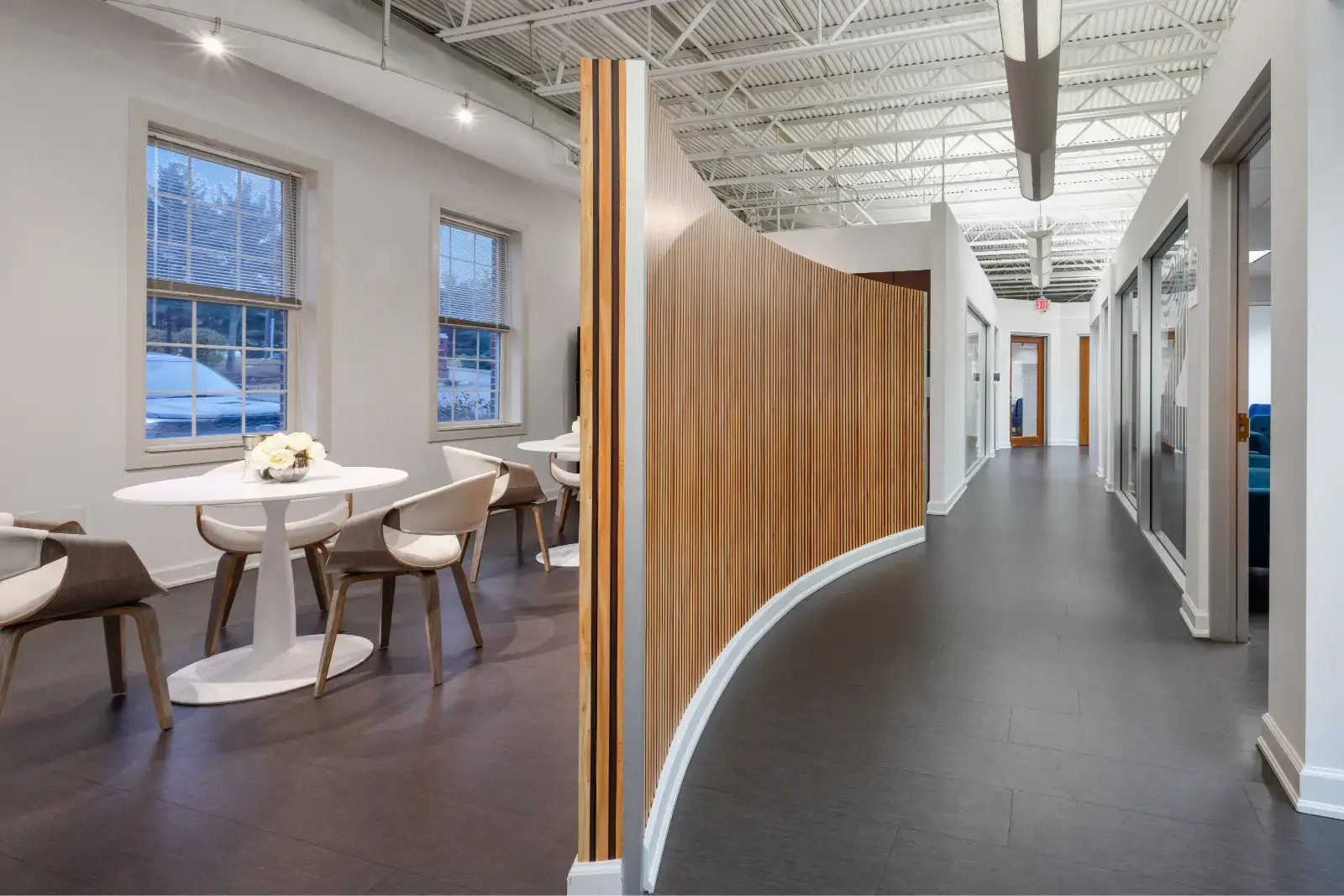
Residential/inpatient rehab offers round-the-clock structure for people with severe addiction, unstable home environments, or significant medical or psychiatric risk. Legacy Healing Center’s luxury residential environments feature private rooms, chef-prepared meals, and serene settings.
Partial hospitalization programs (PHP) provide half-day intensive treatment while patients live at the facility or nearby. This level maintains structure while beginning community reintegration.
Intensive outpatient programs (IOP) involve 9+ hours weekly of structured therapy while patients live at home or in sober living arrangements. Legacy Healing Center offers flexible scheduling for working professionals.
Standard outpatient care includes weekly sessions for ongoing support, medication management, and continued skill-building after completing more intensive phases.
Withdrawal Management and Medical Detox
Detox is the medically supervised process of clearing substances from the body while managing substance withdrawal safely. This critical first step prepares patients for therapeutic work ahead.
Alcohol and benzodiazepine withdrawals can be medically dangerous, potentially causing seizures or delirium tremens with 5-10% mortality if untreated. These require careful medical protocols and sometimes tapering with cross-tolerant medications.
Opioid withdrawal, while rarely life-threatening, produces extremely uncomfortable flu-like symptoms, anxiety, and intense drug cravings. Comfort medications like clonidine and anti-nausea agents ease this process.
Legacy Healing Center provides 24/7 medical monitoring during detox, prioritizing privacy, comfort, and rapid response to complications. Their facilities achieve 68% detox success rates through comprehensive medical supervision.
Managing Opioid Overdose and Emergency Care
An opioid overdose manifests as slowed or stopped breathing, pinpoint pupils, blue lips or fingertips, and unresponsiveness. Minutes count in these emergencies.
Naloxone (brands include Narcan and Kloxxado) acts as a fast-acting opioid antagonist available as nasal spray and injection. It reverses overdose effects temporarily, buying 30-90 minutes for emergency services to arrive.
Multiple doses may be needed for potent synthetic opioids like fentanyl. Always call 911 immediately, as naloxone effects wear off before opioid effects.
Legacy Healing Center educates patients and families about overdose risk, naloxone use, and safer practices after discharge. This education proves lifesaving for patients transitioning back to community settings.
Medication-Assisted Treatment (MAT) for Substance Use Disorders
MAT combines FDA-approved medications with counseling and behavioral therapies. This integrated approach represents the gold standard for drug addiction treatment, particularly for opioid and alcohol use disorders.
A common misconception holds that MAT simply replaces one drug with another. In reality, medications like buprenorphine and methadone stabilize brain chemistry, reduce drug cravings, and allow patients to function normally without euphoria or impairment.
Research shows MAT lowers overdose deaths by about half and substantially improves treatment retention. About 41% of people receiving MAT for opioid use disorder maintain abstinence through treatment completion.
Legacy Healing Center’s MAT protocols include thorough medical evaluations by Dr. Ash Bhatt and close monitoring throughout treatment. Integration with therapy ensures medications support rather than replace psychological healing.
Core Psychotherapies Used in Addiction Treatment
Multiple evidence-based psychotherapies address different aspects of addiction and mental health. Legacy Healing Center trains clinicians in a range of modalities to match therapies with patient needs.
Therapy formats include individual sessions for personalized attention, group therapy for peer support, and family work for relationship repair. All occur in calm, private environments designed to facilitate healing.

Cognitive Behavioral Therapy (CBT)
CBT identifies and changes unhelpful thought patterns linked to substance use. This structured, goal-oriented approach helps patients recognize cognitive distortions triggering relapse.
For example, “all-or-nothing” thinking might convince someone that one slip means total failure. CBT restructures this to: “A setback is information, not an ending.” Patients learn to dispute irrational beliefs fueling drug cravings.
Legacy Healing Center’s therapists use CBT worksheets, thought records, and homework assignments to build relapse prevention skills applicable in real-world situations.
Dialectical Behavior Therapy (DBT)
DBT was designed for intense emotional dysregulation and proves highly effective for addiction with co-occurring disorders. The approach balances acceptance with change strategies.
Core modules include mindfulness (present-moment awareness halting impulsive reactions), distress tolerance (surviving crises without substances), emotion regulation, and interpersonal effectiveness. The TIPP technique—temperature, intense exercise, paced breathing, paired muscle relaxation—provides immediate crisis tools.
Legacy Healing Center uses DBT skills groups alongside individual coaching to help patients survive cravings and emotional crises without returning to use.
Motivational Interviewing (MI)
Motivational interviewing is a collaborative, non-judgmental counseling style helping patients explore ambivalence about change. Rather than confrontation, MI uses empathy and evocation.
Clinicians use open questions, affirmations, reflections, and summaries (OARS) to elicit patients’ own motivations. A counselor might ask: “What might be different if you stayed sober for your children?”
This approach moves patients from uncertainty toward readiness, respecting autonomy while guiding toward positive reinforcement of recovery goals.
Trauma-Focused Therapies and EMDR
Research shows 50-70% of people with substance use disorders have trauma histories including childhood abuse, assault, or combat exposure. Unresolved trauma often drives continued drug use.
EMDR (Eye Movement Desensitization and Reprocessing) uses an eight-phase protocol helping brains reprocess traumatic memories safely. Bilateral stimulation—eye movements, taps, or tones—combined with recalling distressing memories reduces their emotional charge.
Legacy Healing Center offers EMDR and other trauma-focused therapies with careful pacing. Sessions proceed at rates patients can tolerate, typically achieving 70-90% reduction in PTSD symptoms within 6-12 sessions.
Family Therapy and Involving Loved Ones
Addiction affects entire family systems, creating patterns of conflict, enabling, or estrangement. Family therapy addresses these dynamics directly.
Sessions at Legacy Healing Center help relatives understand addiction as a disease using the medical model. The CRAFT approach (Community Reinforcement and Family Training) teaches healthier communication patterns and boundary-setting.
Typical sessions might address developing recovery contracts, identifying enabling behaviors, and planning for family involvement in aftercare.
Group Therapy and Peer Support
Group therapy provides confidential settings where patients share experiences and learn from peers. This format reduces the isolation and shame accompanying addiction by 40-50%.
Legacy Healing Center structures groups around specific purposes: process groups for emotional exploration, psychoeducation for understanding addiction, relapse prevention for skill-building, and skills training for practical coping.
Themes include managing drug cravings, rebuilding trust with family members, navigating social situations without substances, and developing sober support networks.
Holistic and Experiential Approaches in Luxury Rehab
Holistic therapies support healing alongside evidence-based medical and psychological care. These approaches address physical, emotional, and spiritual dimensions of recovery.
Legacy Healing Center offers yoga and guided meditation, reducing cortisol levels by 20-30% according to research. Fitness training, art therapy, and recreational activities provide healthy dopamine release and stress management.
Experiential therapies like guided imagery, role-play, and adventure-based exercises help patients process emotions non-verbally. These approaches access healing pathways that traditional talk therapy may not reach.
The luxury resort-like environment—comfortable private rooms, serene outdoor spaces, chef-prepared nutritious meals—supports rest and focus on recovery. Research suggests luxury settings boost treatment retention by 20-30%.

Addressing Co-Occurring Mental Health Disorders (Dual Diagnosis)
Dual diagnosis refers to substance use disorder combined with mental disorders such as depression, anxiety, bipolar disorder, or PTSD. About 50-60% of people with addiction have co-occurring conditions.
Untreated mental health symptoms often drive substance use as self-medication. Conversely, substance withdrawal can temporarily worsen psychiatric symptoms, complicating diagnosis.
Legacy Healing Center, under psychiatric direction from Dr. Ash Bhatt, provides integrated treatment for both conditions simultaneously. Research demonstrates integrated care produces 50% better outcomes than treating conditions sequentially.
Combined approaches might include antidepressant medications plus CBT for depression with alcohol problems, EMDR for trauma plus MAT for opioids, or mood stabilization plus DBT skills for borderline personality with stimulant use.
Self-Help Groups and Community Support
Mutual-help groups like Alcoholics Anonymous (AA), Narcotics Anonymous (NA), and SMART Recovery provide ongoing community support. Participation reduces isolation and offers role models for long-term sobriety.
Twelve step facilitation programs use spiritual or higher-power frameworks, achieving 20-30% long-term sobriety rates. SMART Recovery offers secular, CBT-based alternatives focusing on self-empowerment.
Legacy Healing Center prepares patients to engage with support groups before discharge, helping identify local or online meetings matching their preferences. Combining professional treatment with community support doubles retention rates.
Ongoing Care, Relapse Prevention, and Aftercare Planning
The weeks and months following structured treatment are high-risk, with 75% of relapses occurring in the first year. Strong aftercare planning proves essential.
Core relapse prevention elements include identifying personal triggers, building coping strategies, planning for high-risk situations, and creating emergency relapse response plans. HALT checks (hungry, angry, lonely, tired) provide simple daily monitoring.
Legacy Healing Center offers alumni programs, follow-up therapy, virtual support groups, and coordination with local healthcare providers. A typical 6-12 month aftercare plan includes weekly check-ins initially, monthly medication management, gradual schedule reduction, and continued connection with recovery community.
Coping Strategies and Building a Sober Lifestyle
Everyday tools maintain sobriety: structured daily routines, consistent sleep, proper nutrition, regular exercise, and meaningful activities. These practices naturally rebuild dopamine systems damaged by substance abuse.
Managing drug cravings requires specific techniques. Urge surfing involves observing cravings peak at 15-20 minutes then subside. The DEADS strategy—distract, escape, avoid, dispute, substitute—provides structured responses to triggers.
Building new social networks supporting sobriety proves critical. This means spend time with sober friends, attending recovery meetings, and strengthening relationships with supportive family members.
Legacy Healing Center clinicians help patients develop personalized coping toolkits before leaving care, ensuring practical skills transfer to real-world challenges.
Preparing to Start Treatment: What Patients Can Expect
First contact typically involves a confidential phone call with screening questions about substance history, immediate safety needs, and treatment goals. Staff verify insurance and discuss treatment options.
Day one at Legacy Healing Center includes medical evaluation (vitals, physical examination), psychiatric interview, and facility orientation. Tours reduce anxiety by showing comfortable living spaces, therapy rooms, and amenities.
Patients should bring current medication lists, prior treatment records, identification, and comfortable clothing. Staff explain daily schedules, house guidelines, and what to expect from initial days.
The team works to reduce arrival anxiety through transparency, warm welcomes, and clear communication about next steps.
Finding Expert Help at Legacy Healing Center
Choosing a reputable, medically supervised, evidence-based program is critical for safety and long-term success. Quality treatment can transform a person’s life.
Legacy Healing Center offers board-certified addiction psychiatrists like Dr. Ash Bhatt, multidisciplinary clinical teams, and luxury environments in Florida, California, Ohio, and New Jersey. Programs can be tailored for professionals, young adults, and people with complex dual diagnoses, with flexible lengths of stay from 30 to 90+ days.
When you’re ready to seek treatment or find treatment for someone you love, confidential consultations help clarify options and verify insurance benefits. Recovery is possible—about half of people who engage with quality addiction treatment achieve lasting positive outcomes.
Contact Legacy Healing Center today to discuss your situation and take the first step toward recovery. A licensed counselor can guide you through options and answer questions about beginning this journey.