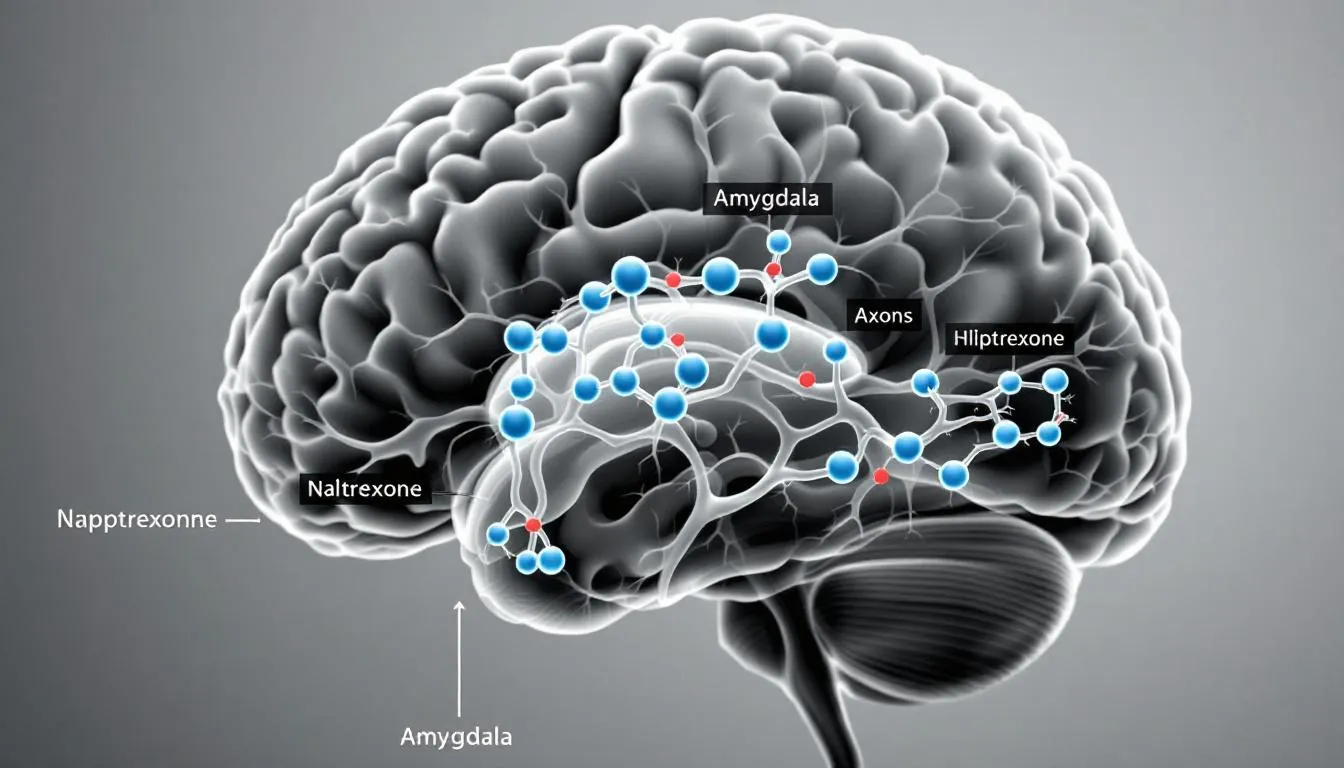
Summary:Vivitrol is a monthly injectable naltrexone treatment for alcohol and opioid dependence. It blocks cravings, prevents relapse, and supports long-term abstinence. Administered by healthcare professionals, it’s most effective alongside counseling and behavioral therapy, offering a convenient alternative to daily medication.
Table of Contents
The Vivitrol shot offers a breakthrough approach to treating addiction, providing inpiduals struggling with alcohol dependence and opioid use disorder a once-monthly injectable medication that can significantly improve recovery outcomes. Vivitrol is approved for the treatment of both alcohol addiction and opioid addiction, helping reduce cravings, prevent relapse, and support long-term abstinence. This comprehensive guide covers everything you need to know about Vivitrol, from how it works to important safety considerations, helping you make informed decisions about this innovative treatment option.
What is the Vivitrol Shot?
Vivitrol is an extended-release injectable formulation of naltrexone, delivering a precise 380 mg dose that provides therapeutic effects for approximately one month. The Food and Drug Administration first approved Vivitrol for alcohol dependence in 2006, followed by approval for opioid dependence in 2010, marking significant milestones in medication-assisted treatment.This monthly intramuscular injection is administered directly into the gluteal muscle by trained healthcare providers, offering a crucial alternative to daily oral naltrexone tablets. Manufactured by Alkermes, Inc., Vivitrol contains naltrexone microspheres suspended in a specialized polylactide-co-glycolide (PLG) polymer system that ensures controlled release over four weeks. Vivitrol is supplied in a kit that includes a vial of naltrexone powder and a diluent for reconstitution.The extended release formulation addresses one of the most significant challenges in addiction treatment: medication adherence. Unlike daily medications that require consistent patient compliance, Vivitrol is administered as an intramuscular injection once a month, eliminating the need for patients to remember daily dosing and reducing the risk of treatment interruption. The recommended dose of Vivitrol is 380 mg delivered intramuscularly every 4 weeks.Naltrexone (Vivitrol) is not classified as a controlled substance, as it acts as a full opioid antagonist and does not have addiction potential. For detailed dosing, safety, and usage guidelines, official prescribing information should be consulted.
How Does Vivitrol Work?
Vivitrol functions as a powerful opioid antagonist, working by blocking mu opioid receptors in the central nervous system. Opioids and alcohol are classified as central nervous system depressants, meaning they slow brain activity and can cause euphoria and sedation. Naltrexone works by binding to these receptors and blocking the effects of these depressant substances at the receptor level. These receptors are primarily responsible for the euphoric and rewarding effects that inpiduals experience when using opioids or alcohol. By occupying these receptor sites without activating them, naltrexone blocks the pleasurable sensations that typically reinforce substance use.For inpiduals with opioid addiction, Vivitrol prevents heroin, prescription opioid medication, and other opioid drugs from producing their characteristic high. The opioid blocking effects are so comprehensive that even large amounts of opioids cannot overcome the naltrexone blockade, making relapse less likely and reducing cravings.In alcohol use disorders, the mechanism involves blocking the release of endorphins that alcohol consumption typically triggers. This interruption of the brain’s reward pathway significantly diminishes the pleasurable sensations associated with drinking alcohol, helping patients maintain abstinence and reduce heavy drinking episodes.The extended release formulation maintains therapeutic naltrexone levels for approximately four weeks after each injection. Unlike oral naltrexone, which undergoes first-pass liver metabolism and requires daily dosing, the Vivitrol injection bypasses this process, ensuring consistent medication levels throughout the treatment period.
Vivitrol Administration and Dosing
Healthcare providers administer Vivitrol following a standardized protocol that ensures patient safety and medication effectiveness. The recommended dose is 380 mg injected every four weeks, maintaining a monthly schedule that provides consistent therapeutic coverage.Only trained healthcare professionals should administer Vivitrol injections, as proper technique is crucial for both safety and efficacy. The injection alternates between the left and right buttock for each monthly dose, helping prevent injection site complications and ensuring optimal absorption.The medication requires reconstitution from its powder form immediately before injection, following specific preparation guidelines. Healthcare providers must bring the medication to room temperature 30-60 minutes before administration and use the complete dose pack, which includes microspheres, diluent, syringe, and needles.A critical requirement before starting Vivitrol is that patients must be completely opioid-free for 7-14 days before receiving their first injection. This opioid withdrawal period is essential because administering naltrexone to someone with opioids still in their system can precipitate severe withdrawal symptoms, requiring hospitalization in some cases.The gluteal injection site provides optimal absorption for the extended release microspheres, ensuring the therapeutic effect maintains consistent levels throughout the four-week dosing interval.
Injection Site Information
Your Vivitrol treatment comes as a once-monthly injection, delivered with 380 mg directly into your gluteal muscle. This approach gives you the gift of extended medication release, supporting you through your journey with alcohol or opioid recovery by helping maintain your hard-won abstinence throughout each month. To keep you comfortable and reduce any reaction risks, your care team will alternate between your left and right sides with each visit — small details that show we’re thinking of your wellbeing every step of the way.You should know that injection site reactions are among the most common experiences with Vivitrol, and that’s completely normal. You might notice mild discomfort — perhaps some tenderness, redness, or slight swelling where you received your injection. Sometimes, more significant reactions can occur, including firm areas or, in rare situations, tissue problems that need attention. If you experience severe reactions, surgical care may be necessary, which is why we encourage you to stay connected with how your injection site feels and looks. When you notice increased pain, significant redness, swelling, or anything that feels different, reach out to your care team right away — you’re not bothering anyone, and your recovery matters.The way your injection is given matters deeply for your comfort and healing. Your Vivitrol must be delivered deep into your muscle tissue — not just under your skin — to ensure your body absorbs it properly and to minimize the chance of uncomfortable reactions. Only trained professionals who understand your unique needs should give you these injections, following careful guidelines and using the complete medication package designed specifically for your treatment.Beyond what happens at your injection site, you might experience other effects like nausea, headaches, or feeling a bit dizzy. These experiences are part of your body adjusting, and sharing them with your care team helps them support you better. Your provider can work with you to manage any discomfort and adjust your treatment plan to fit what your body needs — because your recovery should feel sustainable and supported.Vivitrol works by blocking opioid effects at the receptor level in your body, essentially standing guard to support you in your recovery from substance use. By preventing opioid drugs from connecting with your brain’s receptors, Vivitrol helps quiet cravings and strengthens your foundation for long-term healing as part of your comprehensive recovery program.Your success with Vivitrol truly depends on the partnership you build with your care team. By staying consistent with your monthly appointments, paying attention to how your injection sites feel, and engaging with counseling and support services, you’re creating the conditions where lasting recovery from alcohol and opioid dependence becomes possible. When questions arise about your injections or concerns about how you’re feeling, your healthcare provider is there as your trusted guide — ready to offer the personalized support and encouragement your unique journey deserves.
RECOVERY STORIES
“It’s never too late. Even when it feels like there’s no tomorrow, recovery is still possible. Legacy changed my entire outlook and it’s just one phone call away if you need it.”
Background: Buried under guilt and shame, Lindsay stopped believing tomorrow was worth it. She’d already written off his future.
Lindsay called Legacy. There, she found real healing he was desperately seeking. With steady support, she rebuilt his confidence, learned new tools, and made new friends.
Lasting Results: Lindsay regained self-respect and learned practical tools to stay grounded in recovery. She has new friends and a new lease on life.
“It’s never too late. Even when it feels like there’s no tomorrow, recovery is still possible. Legacy changed my entire outlook and it’s just one phone call away if you need it.”
Background: Buried under guilt and shame, Lindsay stopped believing tomorrow was worth it. She’d already written off his future.
Lindsay called Legacy. There, he found real healing she was desperately seeking. With steady support, she rebuilt his confidence, learned new tools, and made new friends.
Lasting Results: Lindsay regained self-respect and learned practical tools to stay grounded in recovery. She has new friends and a new lease on life.
Clinical trials, including double blind, randomized controlled studies, have demonstrated Vivitrol’s significant effectiveness in treating both alcohol use disorder and opioid use disorder when combined with comprehensive treatment programs. The Food and Drug Administration approved Vivitrol based on robust clinical evidence showing meaningful improvements in abstinence rates and reduction of substance use.For alcohol dependence, randomized controlled trial data shows that patients receiving Vivitrol experienced a 25% reduction in heavy drinking days compared to placebo groups. Vivitrol is approved to treat alcohol dependence and alcohol addiction, and these studies consistently demonstrate that Vivitrol helps patients maintain abstinence for longer periods and reduces the severity of relapses when they occur.In opioid addiction treatment, clinical research reveals even more dramatic results. Patients receiving Vivitrol in combination with counseling and psychosocial support achieved up to 90% opioid-free weeks, compared to just 35% in placebo groups.In a study, 57% of patients on Suboxone relapsed compared to 65% on Vivitrol. Patients often experience improved treatment adherence due to the convenience of a once-monthly injection. This represents a significant improvement in treatment outcomes for inpiduals struggling with opioid use, which can be linked with Suboxone required daily administration, vs. Vivitrol is administered monthly. If a patient misses their Vivitrol injection appointment, they should schedule another appointment as soon as possible.The effectiveness of Vivitrol is particularly pronounced in patients who remain abstinent for four or more days before treatment initiation. Mutual help groups, counseling services, and other psychosocial interventions significantly enhance Vivitrol’s therapeutic effect, emphasizing the importance of comprehensive treatment approaches. Vivitrol can also be effective for patients who use opioids and other drugs, and addressing multiple substance use is important for optimal treatment outcomes.Research consistently shows that Vivitrol must be used alongside counseling, behavioral therapies, and ongoing support to prevent relapse effectively. The medication alone is not sufficient; it serves as a crucial component of a broader treatment program that addresses the psychological and social aspects of addiction.
Who Should and Shouldn’t Receive Vivitrol
Good Candidates
Adults with confirmed alcohol dependence or opioid use disorder who are motivated to participate in comprehensive recovery programs make ideal candidates for Vivitrol treatment. Patients who struggle with medication daily compliance particularly benefit from the monthly injection schedule, eliminating the challenge of remembering oral medication.Inpiduals who have achieved initial abstinence and are medically stable present the best treatment outcomes. Those who are opioid free and committed to participating in counseling, therapy, or mutual help groups typically experience the most significant benefits from Vivitrol therapy.Patients seeking medication-assisted treatment who want to avoid potential misuse issues associated with opioid agonist medications often prefer Vivitrol because it has no abuse potential and doesn’t produce euphoria or physical dependence.
Contraindications
Current opioid use or active withdrawal symptoms represent absolute contraindications to Vivitrol treatment. Patients must complete full detoxification and be completely opioid-free before starting treatment to avoid precipitating severe reactions that may require hospitalization.Inpiduals with allergies to naltrexone or any Vivitrol ingredients cannot safely receive the medication. Those with acute hepatitis or liver failure also cannot use Vivitrol due to increased risks of liver toxicity and potential for serious injury.Healthcare providers have not established safety in children and adolescents, making Vivitrol inappropriate for pediatric populations. Additionally, patients requiring opioid medications for chronic pain management cannot use Vivitrol because the opioid receptor antagonist effects will block necessary pain relief.Mental Health Services Administration guidelines emphasize careful screening for depression and suicidal thoughts before starting treatment, as these symptoms may worsen during Vivitrol therapy.
Side Effects and Safety Information
Vivitrol carries a black box warning from the Food and Drug Administration regarding the risk of severe liver damage and hepatitis. Healthcare providers must monitor liver function regularly throughout treatment and discontinue the medication if signs of liver toxicity develop.Injection site reactions represent the most common adverse events associated with Vivitrol treatment. Patients frequently experience pain, tenderness, swelling, and the formation of lumps at the injection site. Severe reactions at the site of the injection have been reported with Vivitrol. Most injection site reactions resolve within a few weeks, but some patients develop severe injection site reactions that may require medical intervention.In rare cases, patients develop serious injection site complications including tissue death (necrosis), particularly if the medication is accidentally administered subcutaneously rather than into the gluteal muscle. These severe reactions may require surgical intervention and can result in permanent scarring or disability.Systemic side effects include nausea, headache, dizziness, and fatigue, which typically diminish as patients adjust to the medication. Some patients experience depressed mood or develop suicidal thoughts, making ongoing mental health monitoring essential throughout treatment.A particularly serious safety concern involves the increased risk of opioid overdose if patients attempt to overcome the naltrexone blockade by using large amounts of opioid drugs. Because Vivitrol blocks opioid receptors for approximately 30 days, patients may use dangerous amounts of opioids trying to achieve euphoric effects.
Important Safety Considerations
Patients receiving Vivitrol must carry emergency identification cards that clearly indicate their treatment status. This information is crucial for healthcare providers treating patients in emergency situations, as standard opioid pain medications will be ineffective for pain relief while naltrexone blocks opioid receptors.Pain management becomes significantly complicated during Vivitrol treatment because the opioid blocking effects last for the full 30-day period following each injection. Emergency medical procedures requiring opioid pain medication may need alternative approaches, including higher doses of opioid medication or non-opioid pain management strategies.After completing Vivitrol treatment, patients face increased sensitivity to opioids and a dramatically higher risk of overdose. The reduced tolerance that develops during treatment means that previously tolerated amounts of opioid drugs can now cause fatal overdoses, making the post-treatment period particularly dangerous.Healthcare providers must conduct regular liver function monitoring throughout treatment, as liver toxicity can develop at any time during therapy. Patients should immediately report symptoms such as abdominal pain, dark urine, or yellowing of the skin or eyes.Once administered, Vivitrol cannot be removed from the body, and its effects persist for the full 30-day period. This permanence requires careful consideration before each injection, ensuring patients understand the commitment involved in treatment.
Storage and Preparation
Proper storage of Vivitrol is essential for maintaining medication effectiveness and safety. The entire dose pack must be stored in a refrigerator at 2-8°C (36-46°F) in its original packaging to protect it from light and temperature fluctuations.Healthcare providers may store Vivitrol unrefrigerated for up to seven days at temperatures not exceeding 25°C (77°F), but the medication must never be frozen as this destroys the extended release properties of the microsphere formulation.Before administration, the medication should be removed from refrigeration 30-60 minutes prior to injection, allowing it to reach room temperature. This warming period ensures patient comfort and proper medication flow during injection.The single-use dose pack includes all necessary components: naltrexone microspheres, diluent, injection syringe, and specialized needles designed for intramuscular injection into the gluteal muscle. Healthcare providers must use all components from the same dose pack and never substitute components from different packages.
Cost and Insurance Coverage
Most insurance plans cover Vivitrol treatment, with approximately 90% of patients having coverage through their health insurance plans. The majority of insured patients pay less than $5 out-of-pocket for each monthly injection, making the treatment accessible for most inpiduals seeking medication-assisted treatment.The VIVITROL Co-pay Savings Program provides additional financial assistance for eligible patients, potentially reducing costs even further for those who qualify. However, some insurance plans may require prior authorization before approving coverage, necessitating documentation from healthcare providers regarding medical necessity.Patients should work closely with their healthcare providers and insurance companies to understand coverage requirements and ensure continuity of treatment. The monthly injection schedule can help reduce overall healthcare costs by improving treatment adherence and reducing relapse rates compared to daily oral medications.
Pregnancy and Breastfeeding
The effects of Vivitrol on pregnancy and fetal development remain largely unknown, requiring careful risk-benefit discussions between patients and healthcare providers. While naltrexone has been studied in pregnancy through oral formulations, the specific effects of the extended release injection during pregnancy have not been thoroughly evaluated.Naltrexone passes into breast milk when taken as oral tablets, but the effects of the injectable naltrexone formulation on breastfeeding infants are not well understood. The extended release properties and higher initial concentrations following injection may create different considerations for nursing mothers.Women who are pregnant, planning to become pregnant, or breastfeeding must inform their healthcare providers before receiving Vivitrol injections. Treatment decisions should consider the potential risks to the developing fetus or nursing infant against the benefits of addiction treatment for the mother.Healthcare providers may recommend alternative treatment approaches during pregnancy or breastfeeding, such as counseling-only interventions or other medications with more established safety profiles in these populations.
Treatment Duration and Discontinuation
Clinical guidelines do not clearly define optimal treatment duration for Vivitrol, as inpidual patient needs vary significantly based on addiction severity, recovery progress, and risk factors for relapse. Some patients benefit from short-term treatment during particularly high-risk periods, while others require longer-term maintenance therapy.Treatment may continue until patients achievestable abstinence and have developed a solid recovery plan including ongoing counseling, mutual help groups, and other support systems. Healthcare providers regularly assess treatment progress and adjust plans based on patient response and changing circumstances.Discontinuation considerations include non-compliance with counseling requirements, development of serious adverse events, or patient preference to transition to alternative treatments. Some patients may choose to discontinue after achieving stable recovery, while others prefer long-term maintenance therapy.After the final Vivitrol injection, patients must avoid opioids for at least 30 days to prevent potentially dangerous reactions. This post-treatment period requires careful monitoring and support, as patients face increased vulnerability to overdose due to reduced opioid tolerance during the medication’s continued effect.The decision to discontinue Vivitrol should always involve comprehensive planning with healthcare providers, ensuring patients have adequate support systems and alternative strategies to prevent relapse during the transition period.
Traveling for treatment?
Our complimentary Travel Concierge Service can help arrange flights, transportation, and accommodations so you can focus entirely on your recovery.
You Don’t Have to Do This Alone
Speak confidentially with a Legacy Healing Center specialist or check your insurance in minutes. Both options are private, free, and focused on helping you start healing.
Talk to a Treatment Specialist
Get immediate, confidential guidance and learn how your insurance may help cover treatment at Legacy Healing Center.
Speak confidentially with a Legacy Healing Center specialist or check your insurance in minutes. Both options are private, free, and focused on helping you start healing.
Talk to a Treatment Specialist
Get immediate, confidential guidance on your treatment options and insurance.
Our team can arrange flights and transportation for you.
Conclusion
The Vivitrol shot represents a valuable advancement in addiction treatment, offering inpiduals with alcohol dependence and opioid use disorder a monthly injection that can significantly improve recovery outcomes. Its unique mechanism as an opioid receptor antagonist, combined with extended release formulation, provides consistent therapeutic effects while eliminating daily medication compliance challenges.Success with Vivitrol requires comprehensive treatment planning that includes counseling, behavioral therapies, and ongoing support from healthcare providers and mutual help groups. While the medication offers significant benefits, including reduced relapse rates and improved abstinence, it also carries important safety considerations that require careful monitoring and patient education.If you’re considering Vivitrol as part of your addiction treatment plan, consult with qualified healthcare providers who can assess your inpidual needs and determine if this medication is appropriate for your situation. Remember that effective addiction treatment involves multiple components working together, and Vivitrol serves as one important tool in a comprehensive recovery strategy.
Inpatient and Outpatient Rehab Options for Couples
Couples have various options when it comes to rehab, including inpatient and outpatient programs.
Inpatient couples rehab provides a residential setting where couples can live together while receiving intensive treatment and support. This option is ideal for couples who require a high level of care and support, especially in the early stages of recovery.
Outpatient couples rehab, allows couples to attend treatment sessions while living at home. This option is suitable for couples who have a strong support system and are able to manage their daily responsibilities while attending treatment.
Both inpatient and outpatient programs include core therapeutic elements such as individual counseling, couples therapy, group therapy, and evidence-based addiction treatment to help couples rebuild trust, improve communication, and maintain long-term sobriety together.
Relapse Prevention Strategies for Couples in Addiction Recovery
Relapse prevention is a critical component of any rehab program. It involves developing strategies and techniques to avoid relapse and maintain sobriety. Couples can learn how to identify triggers, manage stress, and develop healthy coping mechanisms to support each other’s recovery.
Behavioral couples therapy (BCT) is a highly effective approach in preventing relapse, as it focuses on improving communication skills, managing conflicts, and promoting mutual support. By attending rehab together, couples can learn how to regulate stress, manage emotional outbursts, and develop a stronger, more supportive relationship. This can be especially beneficial for couples who are struggling with relationship issues, such as domestic violence or legal conflicts.
Success Rates of Alcohol and Drug Rehab for Couples
Many factors determine whether a couple will find success with drug rehab, including:
Biological and medical factors of each client, such as age, gender, and weight
Any medical conditions
The policies and procedures of the treatment program
The legal, professional, personal, and financial status of each individual
The motivation and drive of each client
The skill and training of the staff of the facility or program
Choosing the right treatment centers, which offer specialized support through group therapy and individual counseling, is crucial for strengthening relationships and fostering shared recovery experiences.
Aftercare and Long-Term Support for Couples in Recovery
Aftercare and support are essential components of any rehab program. They provide couples with the ongoing support and guidance they need to maintain their sobriety and continue working on their relationship. Aftercare programs may include group support sessions, individual therapy, and other treatment elements to support long-term recovery.
Couples can also benefit from attending support groups, such as Smart Recovery, to connect with others who are going through similar experiences. By staying connected with others in recovery, couples can maintain their motivation, avoid relapse, and continue to grow and strengthen their relationship.
Additionally, many rehab centers offer luxury couples rehab aftercare programs that include amenities such as massage therapy, art therapy, and other holistic approaches that support emotional, mental, and physical well-being. These services help couples stay connected, manage stress, and build a healthier foundation for lifelong recovery.
Find Drug and Alcohol Rehab for Couples
When addiction affects both members of a couple, it can seem like there is no escape. Luckily, nothing is further from the truth.
If you and a loved one are looking for rehab for couples, we’re here to help.
Legacy Healing Center is guided by the principle that the only way to heal your body, mind, and spirit is through a holistic approach to addiction treatment. We provide the clinical therapy, proper medication management, and aftercare that clients need to regain their sobriety.
Our compassionate admissions team is available to assist you with inquiries about treatment options and programs, providing support and information about the admissions process.
Dedicated rehab staff members are waiting to take your call and answer your questions. Call 888-534-2295 to speak with a treatment staff member at Legacy Healing Center today.
Take the First Step Toward Healing…Together
If you and your partner are struggling with addiction, you’re not alone, and you don’t have to navigate this journey without help. At Legacy Healing Center, we understand the unique challenges couples face when substance use affects both partners. Our team is available to provide compassionate, expert guidance tailored to your specific relationship and recovery needs.
Compassionate, expert help is just a phone call away. Our team is available 24/7 at Speak to an admissions specialist to explore your options, including couples detox placement, residential and outpatient treatment, and customized care plans that respect your shared commitment to healing.
We’ll walk you through what to expect, how couples rehab works, and what support looks like beyond treatment, so you can move forward with clarity and confidence.
The first step is often the hardest, but when taken together, it can be one of the most powerful. Choosing recovery as a couple means choosing growth, safety, and a future built on trust and shared resilience.
Let today be the day you take that courageous step forward, side by side.
How exactly does the Vivitrol shot help with opioid addiction?
Vivitrol blocks opioid receptors in the brain, which means if you use opioids, you won’t feel the high. It helps reduce cravings and creates space for you to focus on recovery without the constant pull to use.
Do I have to be completely detoxed before I can get the shot?
Yes—you need to be opioid-free for about 7–10 days before getting Vivitrol. If opioids are still in your system, the shot can trigger sudden withdrawal, so we always make sure detox is done safely first.
If I relapse while on Vivitrol, what happens?
You typically won’t feel the usual effects of opioids because the medication blocks them. However, trying to “push through” the blockade by using large amounts can be dangerous, so ongoing support and counseling are still very important.
Is Vivitrol addictive? Am I just replacing one drug with another?
No—Vivitrol is not addictive and doesn’t cause physical dependence. It’s not an opioid and doesn’t create a high; it simply blocks the effects of opioids.
How long does the shot last, and what happens if I stop getting it?
Each injection lasts about one month. If you stop, the opioid blockade fades, and your tolerance may be lower than before, which increases overdose risk—so we always create a careful plan if you’re considering stopping.
Short Professional BioAs a licensed marriage and family therapist for the past 11 years, I have worked with individuals, couples, and families dealing with addiction and co-occurring mental health issues, helping them manage emotional challenges. My strong clinical foundation in behavioral health and addiction recovery helps me to support clients as they navigate complex recovery journeys a…
Phyllis Rodriguez, PMHNP-BC
Psychiatric-Mental Health Advanced Practice Registered Nurse
Phyllis Rodriguez is a board-certified Psychiatric Mental Health Nurse Practitioner (PMHNP-BC) with a strong commitment to helping individuals reclaim their lives from addiction. With specialized training in substance use disorders and co-occurring mental health conditions, she takes a holistic, compassionate approach to care.
Dr. Ash Bhatt, MD, MRO
Chief Medical Officer
Dr. Ash Bhatt, MD, MRO is a quintuple board-certified physician and certified medical review officer (AAMRO) bringing over 15 years of experience treating substance use disorders and co-occurring mental health conditions. Dr. Bhatt is board certified in Brain Injury Medicine, Addiction Medicine, Preventive Medicine, Adult Psychiatry, and Child & Adolescent Psychiatry by the ABMS.
Verify Your Benefits
in less than 2 minutes.
Our experts will review your coverage and help you explore treatment options.



 By:
By:
 Editor:
 Clinical Reviewer: