


-
 By:
Valerie Puffenberger, PMHNP-BC
By:
Valerie Puffenberger, PMHNP-BC
-
Editor:
Phyllis Rodriguez, PMHNP-BC
-
Clinical Reviewer:
Dr. Ash Bhatt, MD, MRO
 By:
By:
 Editor:
 Clinical Reviewer:
Oxycodone addiction is a serious medical condition that affects hundreds of thousands of individuals and families across the United States. As a powerful prescription opioid, oxycodone provides essential pain relief for those recovering from surgery, managing cancer pain, or dealing with severe injuries. However, its potency also means that oxycodone carries significant risks for dependence, abuse and addiction—even when taken exactly as prescribed. Abuse and addiction to oxycodone contribute to a major public health crisis, highlighting the need for awareness and safer prescribing practices.
Understanding oxycodone addiction begins with recognizing it as a chronic brain disorder, not a character flaw or lack of willpower. The science is clear: repeated opioid use changes the brain and its reward circuitry, affecting motivation, decision-making, and self-control. The misuse of opioids is responsible for an average of 90 deaths in the U.S. every day. With the right treatment plan and support, recovery is achievable. This article provides comprehensive, evidence-based information about how oxycodone addiction develops, its warning signs, associated dangers, and the effective treatments available today.

What is Oxycodone Addiction?
Oxycodone addiction is a form of opioid use disorder (OUD) characterized by compulsive use of the drug despite significant harm to one’s health, relationships, and daily life. A person with oxycodone addiction cannot simply stop taking the medication through willpower alone—the brain has adapted to require the substance for normal functioning.
Oxycodone itself is a semi-synthetic opioid drug derived from thebaine, an alkaloid found in opium. It is prescribed for moderate to severe pain when non-opioid alternatives prove inadequate. You may recognize oxycodone products under brand names such as:
-
OxyContin (extended-release oxycodone)
-
Roxicodone (immediate release oxycodone)
-
Percocet (oxycodone combined with acetaminophen)
Addiction involves measurable changes in the brain that affect reward processing, motivation, and impulse control. This is fundamentally different from simply wanting to feel good—it represents a medical condition requiring professional treatment.
Key terms to understand:
| Term | Definition |
|---|---|
| Addiction | Compulsive drug use despite negative consequences; involves loss of control and continued use despite harm |
| Physical Dependence | The body adapts to the drug’s presence; stopping causes withdrawal symptoms |
| Tolerance | Needing higher doses over time to achieve the same effects of oxycodone |
It’s essential to recognize early that oxycodone addiction can lead to overdose, permanent health damage, and death if left untreated. However, with appropriate intervention, most people can achieve meaningful, long-term recovery.
How Oxycodone Addiction Develops
Oxycodone addiction typically doesn’t begin with someone seeking to misuse opioids. In most cases, the pathway to addiction starts with a legitimate prescription for pain management—after surgery, an injury, or during cancer treatment. Over time, what begins as appropriate medical use can progress to problematic patterns.
When you take oxycodone, the medication binds to mu-opioid receptors in your brain and spinal cord. This action blocks pain signals and triggers the release of endorphins and dopamine—brain chemicals associated with pleasure and reward. The result is effective pain relief accompanied by feelings of relaxation and, for some, euphoria.
Between the late 1990s and 2007, oxycodone prescriptions and retail sales increased by more than 800 percent. This dramatic rise in opioid availability significantly expanded exposure and, consequently, addiction risk across communities.
The typical pathway from prescription to addiction:
- Initial prescription – Oxycodone is prescribed oxycodone for legitimate pain, often starting at lower doses
- Tolerance development – The body adapts, requiring higher doses to achieve the same pain relief
- Physical dependence – The body becomes reliant on the drug; skipping doses causes discomfort
- Behavioral shift – Use transitions from “liking” (feeling good) to “wanting” (craving and seeking)
- Compulsive use – Taking oxycodone becomes prioritized over work, relationships, and health
- Full addiction – Despite recognizing harm, stopping feels impossible without help
This progression can occur even with short-term prescribed use, particularly when taking opioids at higher doses or for longer periods than initially intended.
Short-Term vs. Long-Term Effects of Oxycodone Use
The effects of oxycodone differ significantly depending on whether someone has been taking the medication for days versus months or years.
Short-term effects (days to weeks):
- Effective pain relief and relaxation
- Drowsiness and sedation
- Euphoria or elevated mood
- Slowed breathing (respiratory depression)
- Constipation
- Nausea and vomiting
- Impaired judgment and coordination
Long-term effects (months to years):
- Tolerance requiring progressively higher doses for the same effect
- Physical dependence making it difficult to stop taking oxycodone
- Opioid-induced hyperalgesia (heightened sensitivity to pain)
- Mood changes including depression and anxiety
- Hormonal disruption (low testosterone, menstrual irregularities)
- Chronic constipation and potential bowel damage
- Cognitive changes affecting memory and concentration
When someone who has used oxycodone long-term attempts to stop taking the medication suddenly, withdrawal symptoms emerge. These can include anxiety, muscle aches, nausea, sweating, diarrhea, and insomnia—symptoms that often drive continued use to avoid discomfort.
Long-term non-medical drug use raises the risk of overdose, worsening mental disorders, and transition to heroin or illicit fentanyl when prescription opioids become difficult or expensive to obtain.
Neurobiology and Reward Circuitry
Understanding why oxycodone addiction is so powerful requires looking at what happens in the brain during repeated opioid use.
Oxycodone strongly stimulates the brain’s reward system, particularly triggering dopamine release in a region called the nucleus accumbens. This is the same system activated by food, social connection, and other naturally rewarding experiences—but opioid drugs create a much more intense response.
- Research suggests oxycodone may produce a more sustained dopamine surge compared to morphine, potentially increasing the “wanting” and compulsive seeking behaviors related to addiction
- Repeated exposure fundamentally alters neural pathways involved in motivation, decision-making, and impulse control
- The prefrontal cortex—responsible for judgment and self-regulation—becomes less effective at overriding drug-seeking impulses
- These brain changes help explain why people continue using oxycodone even when they desperately want to stop and recognize the harm it’s causing
This neurobiology underscores that addiction is not about moral weakness. The brain has been physically altered by the drug, making professional treatment essential for recovery.
Risk Factors for Oxycodone Addiction
Anyone who takes prescribed opioids can develop opioid addiction, but research has identified several factors that increase risk. Awareness of these factors can guide safer prescribing and help individuals recognize when extra caution is warranted.
Prescription-related risk factors:
- High daily doses (≥50 morphine milligram equivalents)
- Extended-release formulations like OxyContin
- Prescriptions lasting beyond a few days for acute pain
- Multiple refills without reassessment
- Concurrent prescriptions for benzodiazepines or other sedatives
Misuse behaviors that escalate risk:
- Taking larger doses than prescribed
- Using more frequently than directed
- Crushing, chewing, or dissolving tablets
- Snorting or injecting the medication
- Using someone else’s prescribed medications
- Combining with alcohol or other drugs
Personal and family factors:
- Prior history of substance abuse or drug addiction
- Family history of addiction
- Co-occurring mental health conditions (depression, anxiety, PTSD)
- Younger age (teens and young adults are particularly vulnerable)
- History of trauma or adverse childhood experiences
Social and environmental contributors:
- Easy access to leftover pills at home
- Social circles where pill-sharing is normalized
- Economic stress and limited access to healthcare
- Communities with high rates of opioid prescribing
Notably, women often receive more and longer opioid prescriptions and may face increased risk of long-term use and dependence. According to the National Institute on Drug Abuse, understanding these risk factors helps clinicians and patients work together to prevent opioid abuse before it begins.
Signs and Symptoms of Oxycodone Addiction
Recognizing opioid use disorder early allows for earlier intervention and better outcomes. Symptoms of oxycodone addiction span physical, behavioral, and psychological domains.
Physical signs:
- Pinpoint (constricted) pupils
- Excessive drowsiness or “nodding off”
- Slowed or shallow breathing
- Chronic constipation
- Nausea or vomiting
- Unexplained weight changes
- Poor coordination and slowed movements
Behavioral signs:
- Doctor shopping (visiting multiple providers for prescriptions)
- Reporting “lost” or “stolen” prescriptions repeatedly
- Forging or altering prescriptions
- Preoccupation with obtaining and using oxycodone
- Neglecting work, school, or family responsibilities
- Continuing use despite legal problems or job loss
- Spending excessive money on the medication
- Withdrawing from family members and friends who express concern
Psychological signs:
- Intense cravings for the medication
- Anxiety or irritability between doses
- Mood swings and emotional instability
- Depression or hopelessness
- Loss of interest in previously enjoyed activities
- Difficulty concentrating or making decisions
Withdrawal indicators when attempting to reduce or stop:
- Flu-like symptoms (fever, chills, sweating)
- Muscle and bone pain
- Nausea, vomiting, and diarrhea
- Severe insomnia
- Restlessness and agitation
- Strong urges to use again
Self-Assessment Checklist:
Consider speaking with a healthcare professional if you:
- [ ] Need more oxycodone than prescribed to manage pain
- [ ] Feel anxious about running out of medication
- [ ] Have tried unsuccessfully to cut down
- [ ] Spend significant time obtaining, using, or recovering from the drug
- [ ] Continue using despite negative effects on relationships or work
- [ ] Experience withdrawal symptoms when you miss doses
This checklist is not a diagnostic tool—only a qualified clinician can diagnose opioid use disorder using criteria from the Diagnostic and Statistical Manual. However, if several items resonate, seeking professional assessment is strongly encouraged.
Dangers and Complications of Oxycodone Addiction
Oxycodone addiction can rapidly become life-threatening. Understanding the full scope of potential harm underscores the urgency of seeking treatment.
Overdose
Opioid overdose represents the most acute danger. When too much oxycodone suppresses the brainstem’s respiratory center, breathing slows or stops entirely.
Warning signs of overdose:
- Slow breathing or stopped breathing
- Shallow breathing that’s irregular or labored
- Blue or purple lips, fingertips, or skin (cyanosis)
- Pinpoint pupils
- Unresponsiveness or unconsciousness
- Gurgling or choking sounds
- Cold, clammy skin
Overdose requires immediate emergency response. Naloxone (brand name Narcan) can temporarily reverse an opioid overdose, but emergency medical care is still essential as naloxone’s effects wear off before the opioid’s.
From the late 1990s through the 2010s, prescription opioids like oxycodone were major drivers of U.S. overdose deaths. According to the Centers for Disease Control and Prevention (an agency under Health and Human Services), tens of thousands of Americans died annually from opioid overdoses during the peak of the epidemic. Disease control efforts continue to address this public health crisis.
Health Complications
Long-term oxycodone addiction damages multiple body systems:
- Gastrointestinal: Chronic constipation, bowel obstruction, potential intestinal damage
- Endocrine: Hormonal disruption including low testosterone and menstrual irregularities
- Immune: Weakened immune function increasing infection susceptibility
- Neurological: Opioid-induced hyperalgesia (paradoxically increased pain sensitivity)
- Hepatic: Potential liver issues, especially with combination products containing acetaminophen
Psychosocial Consequences
Beyond physical health, addiction devastates other life domains:
- Job loss and career derailment
- Financial strain and debt accumulation
- Relationship breakdown and family conflict
- Legal problems (DUI charges, possession arrests)
- Child custody complications
- Housing instability
- Social isolation
Transition to Illicit Substances
When prescriptions become difficult to obtain or too expensive, some individuals turn to heroin or illicitly manufactured fentanyl. These substances are far more dangerous due to unpredictable potency and contamination. The National Library of Medicine documents that this transition significantly increases overdose mortality risk.
Prevention and Safer Use of Oxycodone
Preventing oxycodone addiction begins before the first prescription and requires partnership between patients, families, and healthcare providers.
Prescribing guidelines:
- Use the lowest effective dose for the shortest necessary duration
- Limit acute pain prescriptions to a few days when possible (e.g., dental procedures, minor surgeries)
- Avoid extended-release formulations for acute pain in opioid-naive patients
- Regularly reassess pain levels and treatment effectiveness
Non-opioid alternatives to consider:
- NSAIDs and acetaminophen for mild to moderate pain
- Physical therapy and rehabilitation
- Nerve blocks and local anesthetics
- Cognitive behavioral therapy for chronic pain management
- Heat/cold therapy, exercise, and mind-body approaches
Safe use practices for patients:
- Take exactly as prescribed—never increase dose without consulting your provider
- Never mix with alcohol, benzodiazepines, or other sedatives
- Avoid driving or operating machinery until you understand how the medicine affects you
- Keep all medical appointments for monitoring
- Report any concerning side effects promptly
Safe storage and disposal:
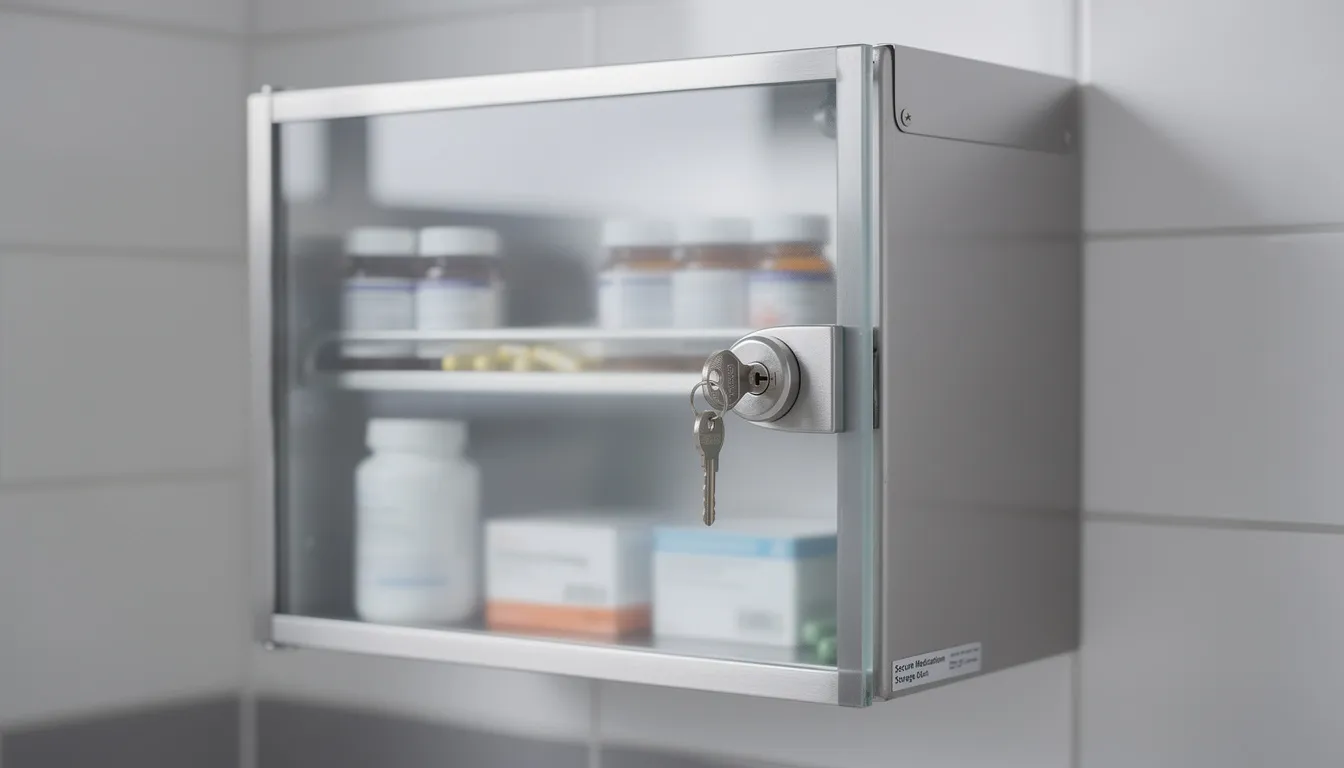
- Store medications in a locked cabinet away from children and visitors
- Never share your prescription with others
- Track pill counts so missing tablets are noticed quickly
- Dispose of unused medications through DEA take-back programs, pharmacy drop boxes, or mail-back envelopes
- Do not flush opioids unless specifically instructed
Family education:
- Discuss openly the risks of “borrowing” pain pills
- Learn to recognize early signs of opioid misuse in family members
- Keep naloxone available if anyone in the household uses opioids
- Support loved ones in following prescribed regimens without judgment
National Efforts to Address Opioid Addiction
The opioid crisis has sparked a nationwide movement of hope—with caring professionals, healthcare teams, and dedicated leaders working hand-in-hand to address the heartbreak of prescription opioid struggles and addiction. When you or someone you love faces the overwhelming challenge of opioid use disorder, opioid overdose, or related health concerns, know that these coordinated efforts focus on prevention, early support, and expanding your access to healing that works.
One powerful strategy lighting the path forward is prescription monitoring programs (PMPs) now active across all states. Think of these electronic systems as protective networks that track opioid prescribing and dispensing—helping your healthcare providers spot patterns that might signal concern or potential trouble ahead. By carefully monitoring prescriptions, PMPs work as your safety net, preventing dangerous “doctor shopping” and reducing the risk of receiving harmful combinations or doses higher than what your body truly needs.
Beyond monitoring, compassionate national agencies like the Substance Abuse and Mental Health Services Administration (SAMHSA) and the Centers for Disease Control and Prevention (CDC) have made expanding your treatment access their top priority. This means growing the availability of medication-assisted treatment (MAT), weaving mental health services administration right into your primary care, and supporting community programs that understand both addiction and mental health challenges often travel together. These initiatives ensure that your journey toward recovery includes comprehensive care shaped around your unique story and needs.
Public education campaigns serve as beacons of awareness and empowerment. By helping you, your family, and healthcare professionals recognize the real dangers of opioid misuse, the warning signs of overdose, and the importance of safe prescription practices, these campaigns put knowledge and hope directly in your hands. National organizations also provide life-saving training on naloxone—a medication that can literally pull someone back from the brink of opioid overdose and prevent devastating loss.
Through ongoing research, policy evolution, and collaboration between agencies like the National Institutes of Health (NIH), the Department of Health and Human Services (HHS), and local health departments, these strategies continue growing stronger in response to new challenges. These coordinated efforts reflect a deep commitment to reducing opioid-related harm, supporting your recovery, and ultimately saving lives touched by opioid use and addiction.
Through these comprehensive national initiatives, there’s genuine hope for turning the tide on this epidemic—ensuring that you and everyone affected by opioid use disorder can access the treatment, support, and resources needed for lasting recovery and a new beginning.

Clinical Trials and Research
Right now, as you’re reading this, dedicated researchers are working tirelessly on your behalf — developing breakthrough treatments that could transform your recovery journey. Scientists and healthcare professionals understand the challenges you face with opioid use disorder, and they’re committed to finding safer, more effective ways to help you heal while managing pain without the fear of misuse.
The most exciting developments happening today focus on medications and treatment approaches designed specifically to ease your path to recovery. Researchers are creating new options that can significantly reduce those difficult withdrawal symptoms and cravings — making it genuinely easier for you to step away from opioids and build lasting sobriety. Medication-assisted treatment, which combines carefully chosen medications with counseling and behavioral support, is being studied extensively to ensure you receive the most effective care possible while minimizing any risk of overdose.
Your recovery journey shouldn’t be limited by pain, which is why researchers are also exploring innovative non-opioid alternatives that could change everything. From acupuncture to specialized physical therapy and cutting-edge medical devices, these studies are creating safer options especially designed for people like you who may be at higher risk. This research represents hope — real alternatives that honor both your need for pain relief and your commitment to recovery.
The National Institute on Drug Abuse and other leading organizations are investing significantly in research that directly benefits your healing. Their work includes developing abuse-deterrent formulations of medications, making it much harder for these drugs to be misused. They’re also studying how opioid use affects mental health, exploring the connections between addiction and other challenges you might face, and testing behavioral therapies that can support your long-term recovery.
Every clinical trial and research breakthrough brings us closer to understanding exactly how opioids affect your brain and how we can support your complete healing. These ongoing studies are shaping new treatment approaches that put your safety and wellbeing first — reducing harm, preventing relapse, and ultimately saving lives like yours. As this research continues to evolve, there’s genuine reason for hope: more effective treatments for opioid use disorder and real protection against the devastating impact of addiction. Your recovery is possible, and science is working every day to make that journey clearer, safer, and more successful.
Abuse-Deterrent Formulations of Oxycodone
To combat the rising rates of oxycodone misuse and overdose, pharmaceutical companies and regulatory agencies have developed abuse-deterrent formulations (ADFs). These specially designed medications aim to make it more difficult to tamper with oxycodone products for non-medical use, such as crushing, chewing, snorting, or injecting.
Some well-known ADF oxycodone products include:
- Reformulated OxyContin® – Introduced in 2010, this extended-release tablet is harder to crush and dissolves into a gel when tampered with, discouraging injection or snorting.
- Xtampza® ER – A microsphere-in-capsule formulation resistant to crushing, chewing, and dissolving, approved for multiple routes of administration.
- Troxyca® ER – Combines oxycodone with naltrexone, an opioid antagonist that remains inactive when taken orally as prescribed but blocks oxycodone’s effects if the capsule is broken.
- RoxyBond® – An immediate-release oxycodone tablet designed to form a viscous gel upon crushing, reducing the potential for abuse.
While abuse-deterrent formulations have contributed to reduced misuse of prescription oxycodone, concerns remain that some individuals may switch to illicit opioids like heroin or fentanyl when prescription options become less accessible. Therefore, ADFs are one part of a broader strategy to address opioid addiction and misuse.
Pharmacology and Unique Addiction Potential of Oxycodone
Oxycodone is a semi-synthetic opioid derived from thebaine, with higher oral bioavailability compared to morphine. It binds primarily to mu-opioid receptors in the brain and spinal cord, producing analgesia, euphoria, and respiratory depression.
Research suggests oxycodone may cause a more sustained release of dopamine in the brain’s reward pathways than morphine, potentially leading to stronger cravings and higher abuse liability. Additionally, oxycodone’s metabolism produces active metabolites like oxymorphone, which also contribute to its effects.
Marketing strategies in the past falsely claimed that oxycodone products, especially extended-release formulations, were less addictive, which contributed to widespread prescribing and subsequent misuse. Understanding oxycodone’s pharmacology helps explain why it is often preferred by patients and abusers alike.
Gender-Specific Risk Factors
Women are more likely than men to be prescribed opioids and to use them for longer durations, increasing their risk of developing dependence and addiction. Biological differences, hormonal factors, and higher rates of chronic pain conditions contribute to this increased vulnerability.
Awareness of these gender-specific risks can guide tailored prevention and treatment efforts to better support women affected by oxycodone addiction.
Co-Occurring Mental Health Conditions
Mental health disorders such as depression, anxiety, and post-traumatic stress disorder frequently co-occur with opioid use disorder. These conditions can both predispose individuals to misuse opioids and complicate recovery.
Integrated treatment approaches that address both addiction and mental health are essential for improving outcomes and supporting long-term recovery.
Societal Impact of Illicit Oxycodone Use
Illicit purchase and misuse of oxycodone contribute to significant societal harms, including increased crime rates, theft from pharmacies and family members, and wasted healthcare resources. Money spent on illegal oxycodone supports criminal enterprises and diverts funds from legitimate healthcare needs.
Efforts to reduce diversion and educate communities about the risks of sharing or buying prescription opioids are critical components of public health strategies.
Naloxone and Overdose Reversal
Naloxone is a life-saving medication that can rapidly reverse opioid overdose by restoring normal breathing. It is increasingly available without a prescription at pharmacies and through community programs.
Making naloxone widely accessible to people using opioids, their families, and first responders is vital to preventing overdose deaths. Training on how to recognize overdose signs and properly administer naloxone empowers communities to act quickly in emergencies.
Treatment Options for Oxycodone Addiction
Oxycodone addiction is treatable. To treat opioid use disorder, a comprehensive approach is used that includes counseling and medications. Medications for opioid use disorder (OUD) include methadone, buprenorphine, and naltrexone. Evidence-based therapies significantly reduce overdose risk, improve quality of life, and support lasting recovery. The Substance Abuse and Mental Health Services Administration provides resources for finding treatment nationwide.
Medication for Opioid Use Disorder (MOUD)
Medication remains the gold standard for treating opioid addiction, according to clinical trials and decades of research. These medications reduce cravings and withdrawal symptoms without producing the dangerous high associated with opioid misuse.
| Medication | How It Works | Administration |
|---|---|---|
| Methadone | Full opioid agonist; reduces cravings and withdrawal | Daily dosing at specialized clinics |
| Buprenorphine | Partial opioid agonist; blocks effects of other opioids | Office-based prescribing; various formulations |
| Naltrexone | Opioid antagonist; blocks opioid effects entirely | Monthly injection or daily oral tablet |
These medications work best as part of a comprehensive treatment approach that includes counseling and behavioral support.
Naloxone for emergency reversal:
Naloxone should be available to anyone at risk of opioid overdose. This medication can temporarily reverse respiratory depression, providing time to reach emergency care. Many states allow pharmacies to dispense naloxone without a prescription.
Care Settings
Treatment can occur across various levels of intensity:
- Outpatient clinics: Regular appointments while living at home; suitable for stable patients with strong support systems
- Intensive outpatient programs: Multiple weekly sessions providing structured treatment without residential requirements
- Residential rehabilitation: 24/7 care in a treatment facility; appropriate for those needing intensive support
- Hospital-based detoxification: Medically supervised withdrawal for patients with complex medical or psychiatric needs
Important: Stopping oxycodone abruptly without medical support can be dangerous and extremely uncomfortable. Supervised tapering or medication-assisted withdrawal is far safer and more likely to succeed.
Accessing Care
If you’re seeking treatment, consider reaching out to:
- Your primary care provider
- Addiction medicine specialists
- Local treatment centers
- Telehealth addiction services (expanded access in many regions)
- The SAMHSA National Helpline: 1-800-662-4357
Role of Counseling and Support
Medications work best when combined with counseling and robust social support. Behavioral therapies address the psychological and social dimensions of addiction that medication alone cannot resolve.
Individual counseling:
- Develops coping skills for triggers and cravings
- Creates personalized relapse prevention strategies
- Addresses co-occurring disorders like depression, anxiety, and trauma
- Supports goal-setting for work, relationships, and health
Group therapy:
- Reduces isolation through shared experience
- Provides peer accountability and encouragement
- Offers opportunities to practice social skills in recovery
- Includes mutual-help meetings and peer support programs
Family counseling:
- Rebuilds trust damaged by addiction
- Establishes healthy boundaries and communication patterns
- Educates family members about addiction and recovery
- Addresses family dynamics that may contribute to relapse
Long-term recovery planning:
- Builds sustainable support networks beyond formal treatment
- Sets employment, education, and life goals
- Establishes healthy daily routines and self-care practices
- Creates strategies for managing stress and preventing relapse

Outlook, Recovery, and Key Takeaways
With proper treatment, many people recover from oxycodone addiction and rebuild meaningful, fulfilling lives. Recovery encompasses more than abstinence—it involves restored relationships, renewed purpose, and improved physical and mental health.
Addiction is a chronic medical condition, similar in many ways to diabetes or hypertension. Relapse can occur, but it doesn’t mean treatment has failed. Instead, relapse signals that the treatment plan needs adjustment, perhaps with different medications, more intensive therapy, or additional supports.
Early help-seeking significantly improves outcomes. Starting treatment before serious legal complications, job loss, or medical crises allows for more options and better prognosis. If you recognize warning signs in yourself or a loved one, reaching out now rather than waiting for a crisis is the most protective step you can take.
Key takeaways to remember:
- Oxycodone is a powerful prescription opioid that can lead to addiction even when taken as directed
- Addiction involves brain changes that affect reward, motivation, and self-control—it is not a moral failing
- Warning signs include tolerance, withdrawal symptoms, preoccupation with obtaining the drug, and continued use despite harm
- Overdose is life-threatening but can be reversed with naloxone if caught in time
- Evidence-based treatment combining medication and counseling offers the best chance for recovery
- Prevention starts with safer prescribing, proper storage, and open family communication
If you or someone you care about is struggling with oxycodone addiction, please know that help is available and recovery is possible. Contact a healthcare provider, call the SAMHSA National Helpline at +1-800-662-4357, or reach out to a local treatment center to explore your options. Taking that first step toward treatment is an act of courage—and it can change everything.