

 By:
By:
 Editor:
 Clinical Reviewer:

What Is Fentanyl?
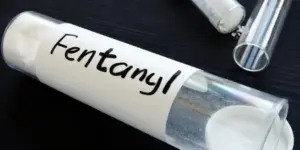
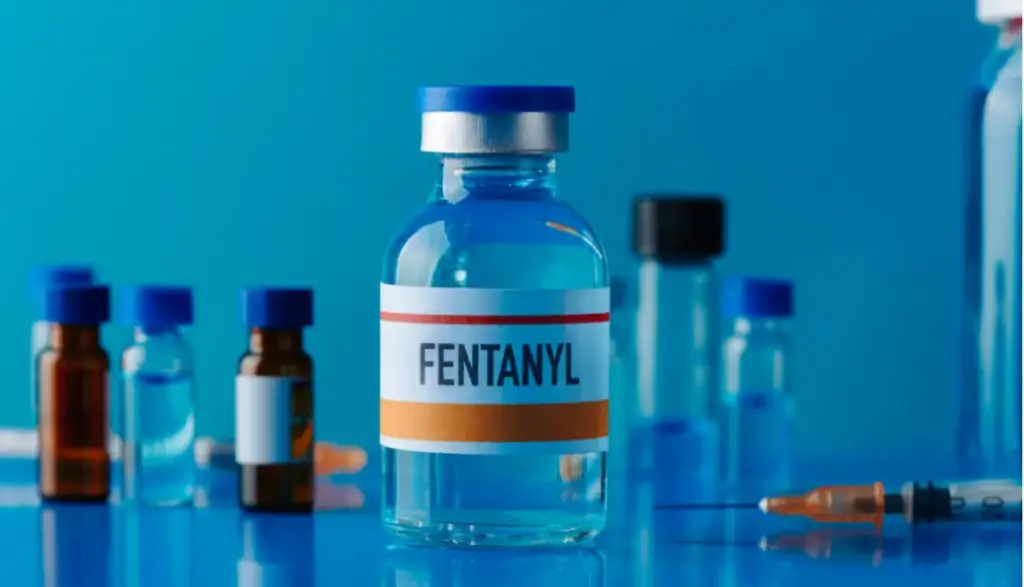
Fentanyl is a powerful synthetic opioid originally developed to treat severe pain under strict medical supervision. In licit form, it is dispensed as injections, patches, or lozenges. Illicitly manufactured fentanyl, however, now saturates the drug market, frequently mixed into heroin, cocaine, methamphetamine, and counterfeit prescription pills. Because users often ingest it unknowingly, overdose deaths have skyrocketed—more than 70,000 in 2021 alone.
After binding to mu-opioid receptors in the brain and spinal cord, fentanyl floods the central nervous system with dopamine, producing intense euphoria and profound pain relief. Its rapid onset and short duration prime the brain for compulsive redosing, setting the stage for dependence and addiction faster than almost any other opioid.
Recognizing Fentanyl Use Disorder and Addiction
Like all substance use disorders, fentanyl addiction manifests through physical, behavioral, and psychological changes, but the timeline is often compressed due to the drug’s potency. Early identification of fentanyl use saves lives.
Common red flags include:
- Behavioral changes: Secrecy, doctor-shopping, financial strain, loss of interest in work or hobbies, and risky behaviors such as driving under the influence.
- Physical symptoms: Pinpoint pupils, extreme drowsiness, slurred speech, itchy skin, or slowed breathing.
- Emotional shifts: Mood swings, anxiety, depression, paranoia, or sudden social withdrawal.
Because dependence can develop in a matter of weeks, any combination of these signs warrants professional evaluation and, if necessary, immediate fentanyl addiction treatment.
What Makes Fentanyl Addictive?
Fentanyl’s unique pharmacology accelerates the cycle of reward, tolerance, and dependence.
Biological Factors
- Rapid brain penetration: The molecule crosses the blood–brain barrier almost instantly, delivering a rush that reinforces use.
- Intense dopamine surge: Fentanyl floods the brain with dopamine, reshaping the brain’s reward system and making everyday joys feel less satisfying by comparison.
- Tolerance and physical dependence: Receptors quickly become desensitized, forcing users to escalate doses and frequency, which magnifies overdose risk.
Psychological Factors
- Euphoric recall and craving: The memory of extreme pleasure fuels obsessive drug-seeking, even in the face of negative consequences.
- Withdrawal avoidance: Severe flu-like symptoms, muscle pain, insomnia, and crushing anxiety drive continued use to stave off discomfort.
- Co-occurring disorders: Trauma, PTSD, depression, and chronic pain can increase vulnerability, particularly among veterans and young adults in high-stress environments.
How Does Fentanyl Affect the Brain?
Beyond immediate euphoria, fentanyl produces profound neurochemical and structural changes that can persist long after the drug leaves the system.
Short- / Long-Term Effects on the Brain
- Short-term: sedation, confusion, impaired judgment, and respiratory depression.
- Long-term: reduced pain tolerance, memory deficits, diminished concentration, chronic depression, anxiety disorders, and altered stress response.
Repeated exposure hijacks the brain’s reward pathways, making recovery difficult without medical detoxification and therapy to reset neurochemical balance.
How Does Fentanyl Affect the Body?
Systemic effects extend far beyond the central nervous system and worsen with chronic use.
Short- / Long-Term Effects on Body
- Short-term: extreme drowsiness, nausea, constipation, constricted pupils, slow heart rate, and shallow breathing.
- Long-term: weakened immune function, chronic constipation, hormonal dysregulation, heightened pain sensitivity (opioid-induced hyperalgesia), and potential brain damage from prolonged hypoxia.
Overdose Risk
Just two milligrams—the weight of a few grains of salt—can stop respiration entirely. Overdose signs include blue lips, unresponsiveness, pinpoint pupils, gurgling sounds, and clammy skin. Immediate action is critical:
- Call 911.
- Administer naloxone; multiple doses may be required.
- Provide rescue breathing or CPR until help arrives.
Fentanyl Withdrawal and Treatment
Detoxing from fentanyl can begin as early as eight hours after the last dose and peak within three days. Because symptoms are more intense than with other opioids, medical supervision is strongly advised.
Early (8–24 hours): cravings, restlessness, sweating, muscle aches, runny nose, yawning, and insomnia.
Peak (1–3 days): severe nausea, vomiting, diarrhea, abdominal cramps, hypertension, and tremors.
Prolonged (1–4 weeks): lingering fatigue, depression, sleep disturbances, and intermittent cravings.
Attempting home detox often leads to relapse or medical emergencies such as dehydration or cardiac complications. A licensed detox facility can administer medications like buprenorphine or clonidine to ease discomfort and reduce risk.
Treatment Programs for Fentanyl Addiction
Detox is just the beginning. An integrated care model provides the personalized support necessary for lasting fentanyl recovery.
- Medication-Assisted Treatment (MAT): Buprenorphine, methadone, or naltrexone stabilize brain chemistry, curb cravings, and block euphoric effects.
- Behavioral Therapies: Cognitive Behavioral Therapy (CBT) identifies thought patterns that fuel use; Dialectical Behavior Therapy (DBT) teaches emotional regulation; Motivational Interviewing (MI) fosters internal motivation.
- Inpatient Rehabilitation: 30- to 90-day residential programs provide 24/7 medical care, structured routines, and intensive therapy—ideal for severe addiction or co-occurring disorders.
- Outpatient Programs: Partial Hospitalization (PHP) and Intensive Outpatient Programs (IOP) allow clients to live at home while attending daily or weekly treatment sessions, suitable for moderate addiction with a stable support system.
- Holistic Supports: Mindfulness, yoga, fitness, nutrition planning, art, and music therapy address mind–body healing.
- Aftercare & Relapse Prevention: 12-Step or SMART Recovery meetings, sober-living homes, ongoing counseling, and emergency relapse plans (including naloxone access) help sustain sobriety.
Finding Hope
Countless individuals have rebuilt their lives after fentanyl addiction. With evidence-based care, supportive relationships, and a commitment to change, recovery is not only possible, it is attainable. If you or someone you love is ready for help, reach out to Legacy Healing Center today. Our medical detox services, integrated therapy, and long-term aftercare planning will guide you toward a safer, healthier future free from fentanyl.
Table of Contents
Check Your Coverage Now
"*" indicates required fields
Your information is kept private
Ready to Get Help?
Give us a call or fill out a contact form and we’ll reach out to you.