



-
 By:
Valerie Puffenberger, PMHNP-BC
By:
Valerie Puffenberger, PMHNP-BC -
Editor:
Phyllis Rodriguez, PMHNP-BC
-
Clinical Reviewer:
Dr. Ash Bhatt, MD, MRO
 By:
By:
 Editor:
 Clinical Reviewer:
Methamphetamine, more commonly known as meth, is one of the most addictive drugs in the world. It’s estimated that 2.7 million Americans over the age of 12 use meth each year.
Not only can meth ruin a person’s life, but it can also be fatal, which is why it’s so important to be able to recognize the signs of meth use.
Keep reading to learn about signs someone is on meth, meth addiction, and how to help a loved one who you suspect is using meth.
What Is Meth?
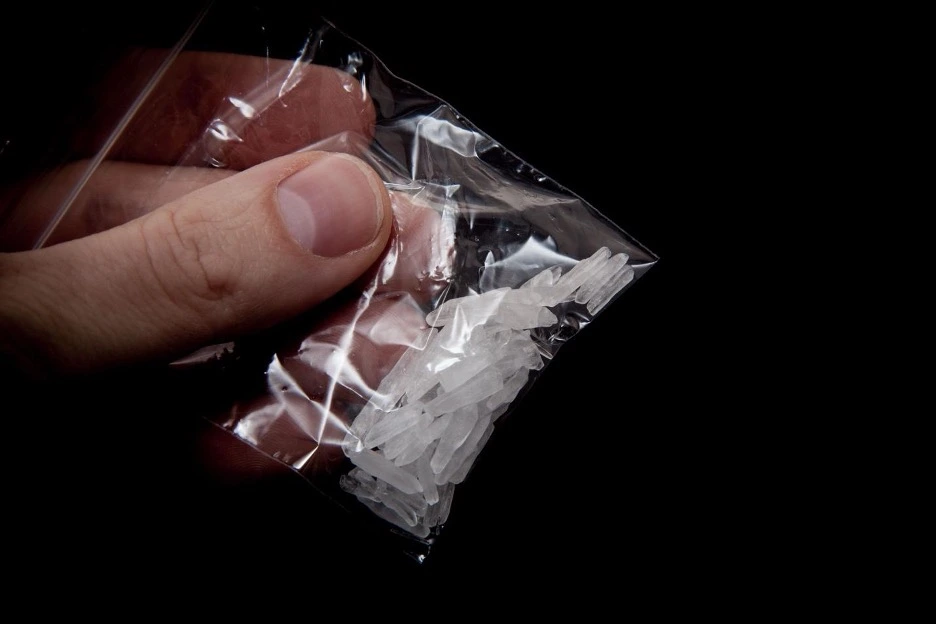
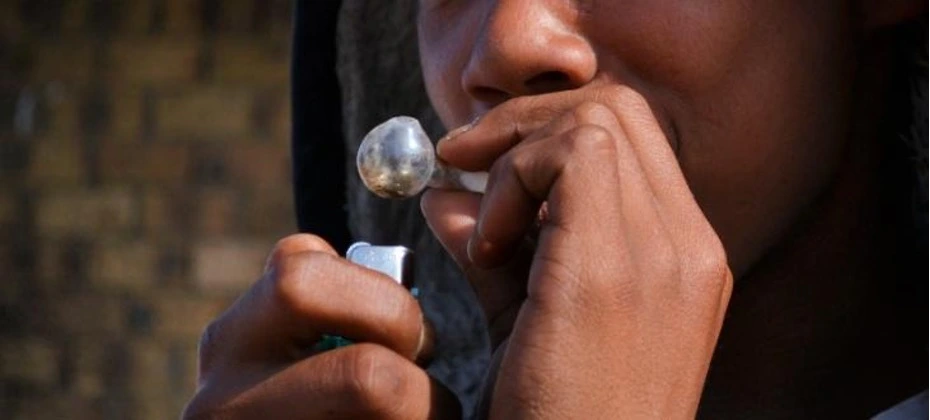
Meth is a very powerful stimulant drug, typically sold in a white (sometimes pink) crystal-like form. Meth can be smoked, snorted, or injected intravenously.
Meth was originally developed to treat congestion but is now prescribed as Desoxyn to treat conditions like obesity and attention-deficit/hyperactivity disorder (ADHD).
Meth gives users an intense rush as it releases large amounts of dopamine into the body (which causes feelings of pleasure). The effects of meth are also much more long-lasting than those of other drugs, often up to several hours.
Meth is also significantly cheaper to manufacture and purchase than most alternatives. These characteristics have made meth a popular recreational drug, despite its extremely high potential for addiction and other negative consequences. Other drugs, like ecstasy and cocaine, are frequently mixed with meth, often without the user’s knowledge.
Signs Someone Is on Meth

The signs someone may be on meth include:
- Dilated pupils
- Sores, acne, or a general decline in skin health
- Rapid and significant weight loss
- Hyperactivity, restlessness, or excessive energy
- Rapid and excessive speech
- Agitation, irritability, mood swings, and aggression
- Impulsivity
- Intense happiness, excitement, and euphoria
- Hallucinations
- Drug paraphernalia, including syringes, pipes, and small bags
- Isolation from friends, family, and social activities
- Neglect of personal, professional, familial, or other responsibilities
- No longer participating in previously enjoyed activities
- Unexplained financial problems
- Anxiousness or paranoia
- Twitches or jerky movements
Signs of a Meth Overdose
A meth overdose occurs when someone takes a potentially fatal amount of meth. Some of the most recognizable signs of a meth overdose include:
- Hyperthermia (elevated body temperature)
- Extreme agitation, restlessness, confusion, and irritability
- Seizures
- Chest pain
- Increased heart rate
- Rapid breathing
- Difficulty breathing or respiratory distress
- Hallucinations
- Severe anxiety, panic, or paranoia
- Loss of consciousness, unresponsiveness, fainting, or coma
Meth overdose can kill within minutes, so call 911 immediately if you or someone experience the symptoms above.
Additionally, if you suspect someone is overdosing on meth, you should:
- Stay with the victim, keep them calm, and monitor their breathing
- Provide accurate information to emergency responders
- NOT attempt to use home remedies to help them
- Administer naloxone (Narcan) if you suspect the meth has been laced with opioids like fentanyl
Signs of Meth Addiction

Meth addiction, or meth use disorder, is a disease that a medical or mental health professional can diagnose.
The Diagnostic and Statistical Manual (DSM-5) includes the 11 criteria below, which are used to diagnose meth addiction. At least two must be present to diagnose a meth use disorder, and the more criterion present, the more severe the addiction:
- Loss of control over amount and frequency of meth
- Unsuccessful attempts to quit meth
- Spending large quantities of time acquiring, using, or recovering from meth
- Strong cravings to use meth
- Failing to meet obligations because of meth use
- Continuing to use meth despite experiencing its negative effects on interpersonal relationships
- No longer participating in previously enjoyed or important activities
- Using meth in risky places or situations
- Continuing to use meth despite knowing that it is worsening a medical or mental health condition
- Tolerance, or needing greater quantities of meth to feel the same effects
- Dependence, or experiencing withdrawal symptoms when meth use is discontinued or reduced
Short- and Long-Term Effects of Meth Use
Meth use can cause many negative effects, both in the short term and the long term.
Short-term effects of meth use include:
- Euphoria
- Intense feelings of pleasure
- Dramatically increased energy levels
- Heightened wakefulness
- Increased alertness and focus
- Decreased appetite/suppression of hunger
- Acceleration of heart rate
- Raised blood pressure
- Hyperactivity
- Restlessness
- Rapid and incessant speech
- Dilated pupils
- Hyperthermia
- Insomnia
- Agitation
- Irritability
- Poor decision making
- Taking unnecessary and dangerous risks
- Accidental injury
- Overdose
- Death
The long-term effects of meth use include:
- Addiction
- Cognitive impairment
- Memory loss
- Difficulty paying attention
- Impaired decision making
- Persistent psychiatric symptoms
- Anxiety
- Paranoia
- Hallucinations
- Violent behavior
- “Meth mouth,” characterized by severe tooth decay and gum disease
- Persistent and severe weight loss
- Cardiovascular damage
- Increased risk of heart attack and stroke
- Chronic respiratory issues
- Liver and kidney damage
- Strained relationships
- Failure to meet professional, personal, or other responsibilities
- Death
It is important to remember that most of the long-term effects of meth use can be prevented, and many can be reversed, if the victim seeks out treatment in time. Although meth addiction is considered one of the hardest substance use disorders to overcome, meth rehab programs are effective at treating this disease and helping patients avoid relapse.
How to Address Someone Who May Be Using Meth

If you suspect someone you love is using meth, the first step you should take is to research meth addiction, how it is treated, and specific treatment options.
The next step is to pick out a calm and private setting and time to have a discussion. During this conversation, it is important that you remain nonjudgmental, nonconfrontational, and supportive. Be prepared for resistance or denial. Try to use “I” statements, focusing on what you feel, what you have observed, and how you have been impacted.
Hiring a professional interventionist or family therapist to mediate these initial conversations may be helpful.
The goal of your conversation should be to convince your loved one to get professional help. Inpatient meth rehab programs are widely agreed to provide patients with the best chance of getting sober, but they can be more expensive and less flexible than other options.
Outpatient rehab programs might be a better fit for individuals who have a lower budget or responsibilities they cannot put to the side. Support groups, like Narcotics Anonymous (NA), and individual therapy are other options you might suggest for your loved one.
Setting and maintaining healthy boundaries with your loved one is also important. If you don’t, you could enable their behavior, hindering their chances of getting sober. Avoid giving them money or other support unless it goes directly to their treatment.

Are You Seeing the Signs of Meth Use? It’s Not Too Late to Get Help
Meth addiction is a deadly disease, but it can be successfully treated.
At Legacy Healing Center, we understand that meth addiction affects the mind, body, and spirit, so all three must be treated. Our Los Angeles Crystal Meth Rehab provides a holistic approach using evidence-based therapies, psychotropic medications, and peer support to help patients heal completely.
If you recognise the signs of meth use in yourself or a loved one, please call 888-534-2295 to speak with a treatment staff member today.
Sources
- National Library of Medicine. (2023). Methamphetamine.
- Sacramento County. (n.d.). Signs and Symptoms of Methamphetamine Use.
- National Institute on Drug Abuse. (2019). What Are the Long-Term Effects of Methamphetamine Misuse?.
- Substance Abuse and Mental Health Services Administration. (2023). Know the Risks of Meth.
- National Institute on Drug Abuse. (2022). What Is the Scope of Methamphetamine Use in the United States?.