

Key Takeaways
- “Rehab outpatient” in this context refers to drug, alcohol, and mental health treatment delivered while you live at home or in sober housing—not physical therapy or rehabilitation after injury or surgery.
- Legacy Healing Center offers luxury outpatient rehab (PHP, IOP, and standard OP) across California, Florida, New Jersey, and Ohio, designed for adults with mild to moderate substance use disorders or those stepping down from inpatient care.
- Core benefits include flexible scheduling around work and family, evidence-based and trauma-informed therapies, privacy and discretion, and seamless transitions from detox and inpatient residential treatment.
- Outpatient addiction treatment typically costs 40-60% less than inpatient programs while achieving comparable long-term sobriety outcomes for appropriate candidates.
- Ready to take the first step? Verify your insurance online or call Legacy at 888-534-2295 for 24/7 admissions support.
What Is Outpatient Rehab for Addiction and Mental Health?
When most people hear “outpatient rehab,” they might think of physical therapy after an injury, stroke, or surgery—sessions with a speech therapist, occupational therapy for regaining muscle control, or exercises to restore mobility after orthopedic procedures. But there’s another kind of outpatient rehabilitation that addresses something entirely different: addiction and mental health.
Outpatient rehab for substance abuse is structured drug, alcohol, and mental health treatment where clients attend scheduled therapy sessions during the week and return home—or to a sober living residence—each day. Unlike inpatient rehabilitation that requires overnight stays at a hospital or facility, outpatient treatment allows patients recovering from addiction to maintain their daily activities, work schedules, and family responsibilities while receiving professional care.
This type of outpatient rehabilitation program can serve as a first level of care for individuals with mild substance use disorders. It also functions as a critical step-down from medical detox and inpatient residential rehab for people with more severe histories who have achieved initial stabilization.
Common services offered in outpatient settings include:
- Individual therapy and counseling
- Group therapy sessions
- Family programming and education
- Psychiatric care and medication management (for anxiety, depression, or medication-assisted treatment)
- Relapse-prevention training
- Holistic therapies like yoga, meditation, and mindfulness practices
At Legacy Healing Center, outpatient care is integrated into a full continuum of services—from detox through long-term aftercare and alumni support—ensuring that healing doesn’t end when formal treatment does.
Types of Luxury Rehab Outpatient Programs at Legacy Healing Center
Not all outpatient programs are created equal. The right level of care depends on a thorough clinical assessment, your substance use history, and the safety of your home environment. Legacy’s clinical team works closely with clients and families to determine which intensity is appropriate—and adjusts that level over time as recovery stabilizes.
The three primary outpatient levels mirror standard industry terminology: Partial Hospitalization Programs (PHP), Intensive Outpatient Programs (IOP), and Standard Outpatient Programs (OP). Each serves a distinct purpose in the recovery journey.
Partial Hospitalization / Day Treatment (PHP)
Partial hospitalization programs, also known as PHPs, represent the highest level of outpatient care, often requiring attendance 5-6 days per week for several hours each day. The clinical intensity is similar to inpatient treatment, but clients return home each night rather than staying overnight at a facility.
At Legacy, PHP is especially useful for:
- Clients stepping down from residential treatment who still need daily structure
- Individuals with significant relapse risk require close clinical oversight
- Those with co-occurring mental health disorders need intensive dual-diagnosis care
Typical PHP services include daily group therapy, multiple individual sessions each week, psychiatric evaluations, medication management, trauma-informed therapies (such as EMDR, where applicable), and holistic activities like yoga or mindfulness. This level is well-suited for clients who have a safe, supportive home or sober-living environment but require consistent monitoring during early recovery.
Intensive Outpatient Program (IOP)
IOP functions as a step down from PHP or inpatient, commonly meeting 3-5 days per week for several hours. Legacy offers both daytime and evening track options to accommodate different schedules and life demands.
Ideal IOP candidates include people who are committed to sobriety but need to balance treatment with work, school, parenting, or caregiving responsibilities. The program allows patients to practice what they learn in real-world settings between sessions.
Core components of IOP include:
- Group therapy focused on peer support and shared experiences
- Individual counseling addressing personal triggers and underlying issues
- Relapse-prevention education and coping-skills training
- Family programming to rebuild trust and communication
- Coordination with 12-step or alternative support groups in the community
At Legacy, IOP treatment intensity gradually tapers as clients reach specific clinical milestones, promoting independence while maintaining accountability throughout the recovery process.
Standard Outpatient Program (OP) and Continuing Care
Standard outpatient is a lower-intensity level of care, typically involving 1-2 days per week focused on ongoing therapy, support, and relapse-prevention check-ins. OP is usually appropriate after completing PHP or IOP, once clients have achieved early stability and are fully re-engaged in work, school, or other daily activities.
Legacy integrates OP with long-term aftercare through:
- Alumni groups and recovery community events
- Regular recovery check-ins with clinical staff
- Access to sober social activities
- Referrals to community resources like AA, NA, or SMART Recovery
Continuing care helps clients maintain the gains from residential and outpatient treatment long after program completion. This aligns with Legacy’s core promise: healing doesn’t end when formal treatment does.

Benefits of Outpatient Rehab vs. Inpatient Treatment
Both inpatient and outpatient rehab can be effective pathways to recovery. The best choice depends on clinical need, safety considerations, and personal circumstances. However, outpatient treatment offers distinct advantages for appropriate candidates.
Flexibility to maintain life responsibilities: Clients can keep working, attending school, or caring for children while receiving structured treatment multiple days per week. This prevents the life disruption that often accompanies 30-90 day residential stays.
Real-world skill application: Outpatient clients confront triggers in their own environments between sessions, then process these experiences with therapists to build durable coping skills. This real-time practice builds resilience against everyday temptations.
Affordability and accessibility: Outpatient rehab typically costs 40-60% less than 24/7 residential care. It’s often more accessible for insured clients who cannot pause life for extended inpatient treatment.
Family and relationship integration: Loved ones can participate in therapy more easily when the client remains at home. This facilitates relationship repair, improves communication, and addresses enabling dynamics that may have developed.
Community connection: Rather than the isolation of residential stays, outpatient clients develop local support networks and maintain community ties that support long-term recovery.
Autonomy and empowerment: Outpatient treatment fosters active participation in recovery, boosting motivation and self-efficacy through a patient-centered approach.
That said, inpatient may still be recommended for people with severe addiction, unsafe home environments, medical instability, or those requiring supervised detox. Legacy’s team can advise whether beginning with inpatient or outpatient is the safest path forward.
Why Choose Legacy Healing Center’s Luxury Outpatient Rehab?
Legacy Healing Center is a nationally recognized addiction treatment provider with outpatient rehab facility locations across California, Florida, New Jersey, and Ohio. What sets Legacy apart is the combination of clinical excellence and luxury comfort that makes treatment more effective—and more bearable during a challenging time.
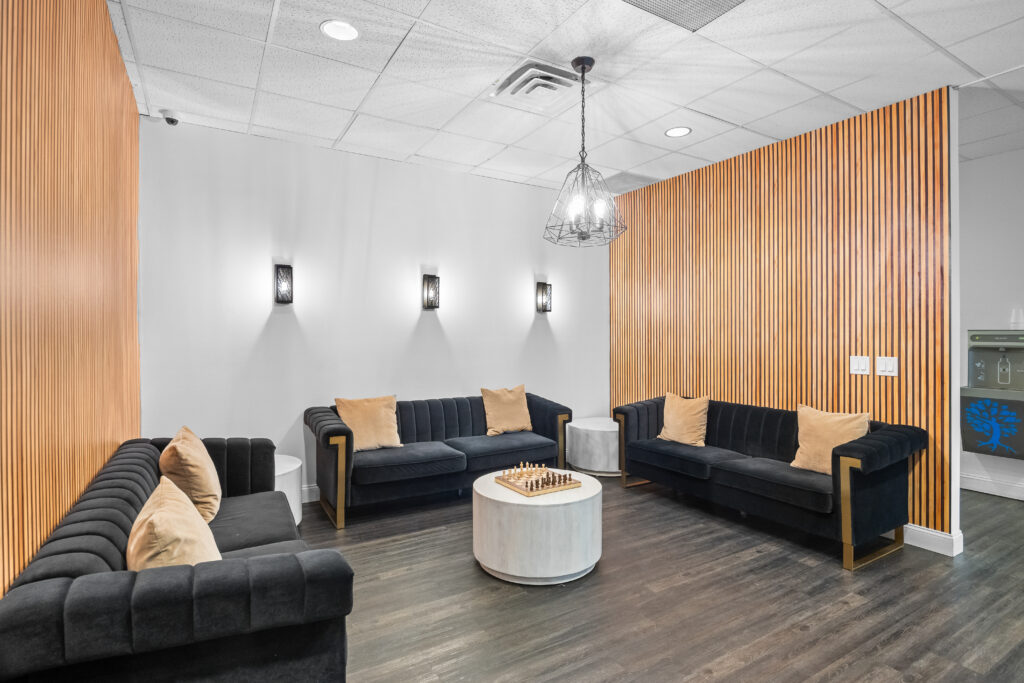
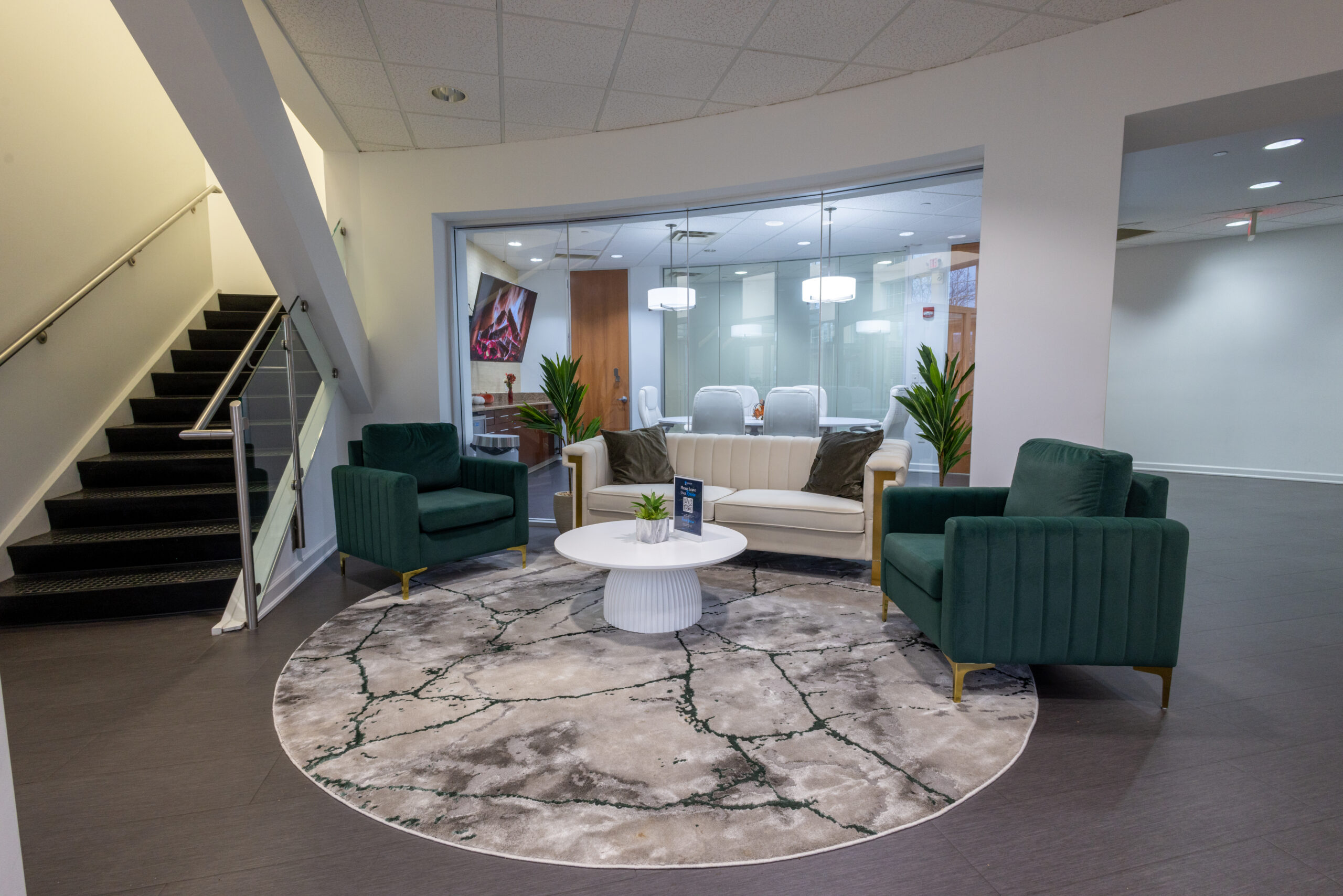
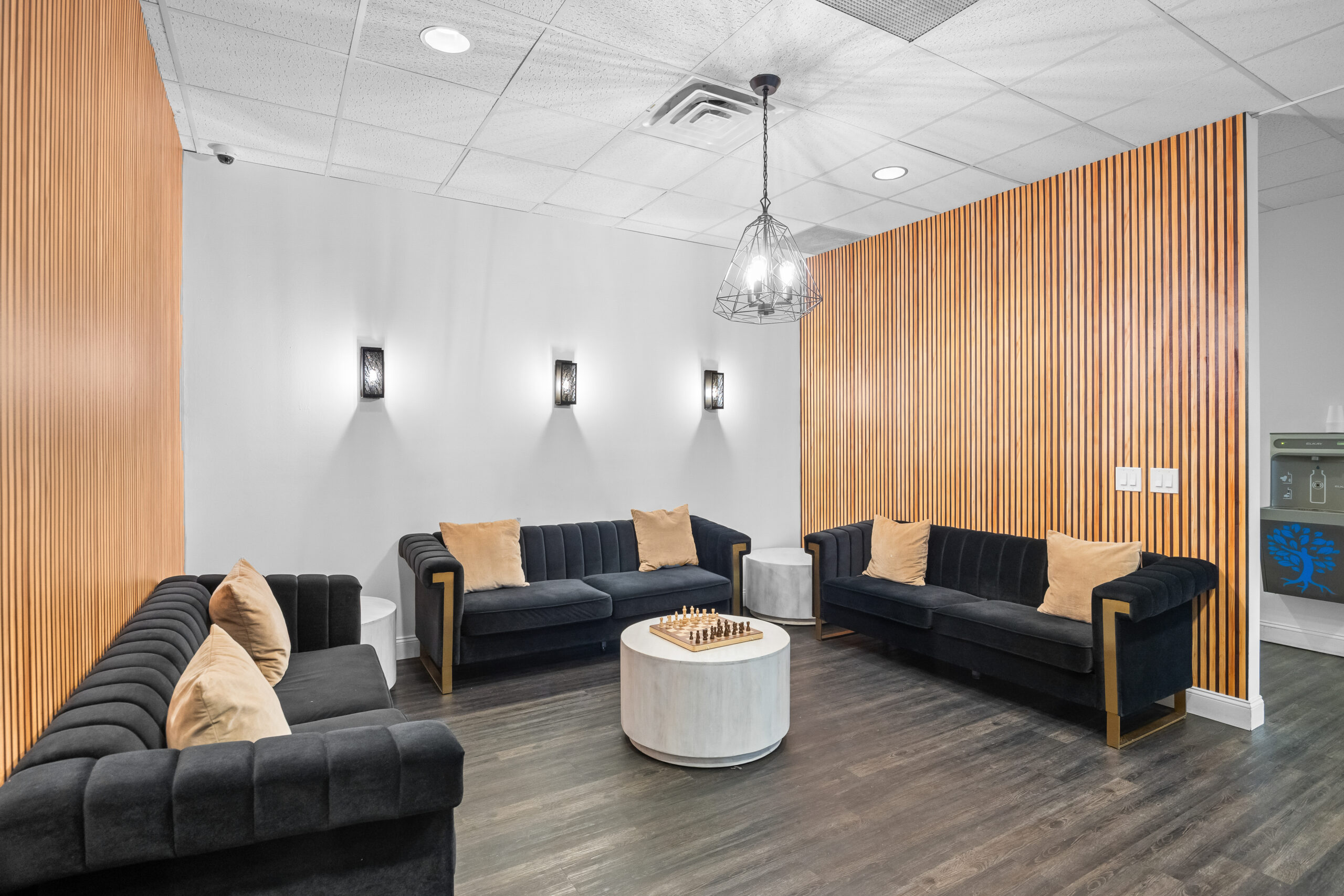
The upscale, private clinical settings feature modern group rooms, quiet one-on-one therapy offices, and calm, resort-style environments that respect clients’ dignity. These aren’t sterile hospital spaces; they’re designed to promote healing and well-being in a comfortable atmosphere.
Clinical quality that matters:
- Licensed and experienced addiction psychiatrists, therapists, and counselors
- Evidence-based, trauma-informed care protocols
- Specialized dual-diagnosis treatment for co-occurring conditions like depression, anxiety, PTSD, or bipolar disorder
- Smaller program sizes allow for individualized attention
Designed for discretion:
Legacy’s outpatient programs are intentionally personalized, making them ideal for professionals, veterans, first responders, and others needing discreet care. The luxury environment helps reduce dropout rates by creating a welcoming atmosphere that eliminates the intimidation of traditional clinical settings.
Seamless transitions:
Legacy coordinates step-down from its own medical detox and residential programs into outpatient, maintaining continuity with the same core clinical philosophy. When possible, overlapping care teams ensure you don’t have to start over with new providers at each stage of treatment.
Ready to learn more? Verify your insurance online or call 888-534-2295 for a confidential consultation about outpatient options and next available start dates.
What to Expect in a Typical Outpatient Rehab Day
Daily schedules differ between PHP, IOP, and OP, but all follow a consistent therapeutic rhythm designed to support recovery while accommodating real life.
A typical PHP/day program schedule might include:
- Morning check-in and meditation or mindfulness exercise
- Psychoeducational group (topics like understanding addiction, managing triggers, or building healthy relationships)
- Lunch break
- Skills-focused group (coping strategies, communication practice, stress management)
- Afternoon individual therapy or family session
- Closing reflection and planning for the evening
An IOP schedule typically involves:
- 3-4 hour blocks, 3-5 days per week
- A combination of group therapy and relapse-prevention work
- Periodic one-on-one counseling sessions
- Often offered in late afternoon or evening slots to accommodate work schedules
Standard OP might look like:
- Weekly individual therapy session (approximately one hour)
- Weekly group meeting for ongoing support
- Occasional family sessions as needed
Throughout all levels, the therapeutic focus remains consistent: exploring root causes (trauma, stress, family dynamics), learning practical coping tools, practicing healthy communication, and building a sober support network. Legacy’s outpatient center environment is welcoming and stigma-free, with staff trained to support clients at all stages—from first-time treatment to those returning after relapse.
Is Outpatient Rehab Right for You or Your Loved One?
Determining whether outpatient is appropriate depends on several factors evaluated during a professional assessment—not just personal preference. A thorough evaluation considers medical history, substance use severity, mental health diagnosis, home environment safety, and available support systems.
Indicators that outpatient may be appropriate:
- Mild to moderate substance use disorder
- Genuine motivation for change and commitment to recovery
- Medically stable condition without need for supervised detox
- Access to a safe, substance-free living environment
- Strong support system (family, friends, or sober community)
Situations where inpatient or higher-intensity care may be recommended:
- History of severe withdrawal symptoms requiring medical supervision
- Multiple recent relapses despite previous treatment attempts
- Lack of stable housing or exposure to active substance use at home
- High medical or psychiatric risk requiring 24-hour monitoring
- Co-occurring conditions that need intensive stabilization
Legacy provides confidential assessments—by phone or in person—to determine the safest, most effective level of care. The clinical team can coordinate admissions into either inpatient or outpatient based on what the assessment reveals.
For family members reading this page: don’t hesitate to reach out even if your loved one is reluctant. Legacy’s admissions team can offer guidance on intervention strategies and timing that may help bridge the gap to treatment.
Outpatient Rehab Costs and Insurance at Legacy Healing Center
Outpatient rehab typically costs less than inpatient treatment because it doesn’t include 24/7 room and board. However, exact pricing varies by location, level of care, and length of stay.
The good news: many Legacy clients use private health insurance to significantly offset—or fully cover—the cost of outpatient services, depending on their plan’s deductibles and benefits.
Common insurance considerations:
- PPO plans often provide the most flexibility for choosing providers
- HMO and employer-sponsored plans may cover treatment with proper authorization
- Coverage depends on medical necessity and network status
- Deductibles and co-pays vary by individual plan
Legacy offers a quick, confidential online insurance verification form that can help you understand your benefits before committing. The admissions specialists are available 24/7 to review out-of-pocket estimates and answer questions about your specific coverage.
For those without adequate insurance:
- Private pay options are available
- Financing plans may help spread costs over time
- Legacy’s team can help explore community resources where appropriate
Financial concerns shouldn’t stop you from asking questions. Legacy’s admissions department is accustomed to navigating complex benefits and helping families understand their options. The first step is simply reaching out.
Recovery from addiction is possible, and choosing the right level of care is crucial to long-term success. Whether you’re considering outpatient treatment as a first step or transitioning from inpatient care, Legacy Healing Center’s luxury outpatient programs offer the clinical expertise, personalized attention, and comfortable environment you deserve.
Take the first step today. Verify your insurance online or call 888-534-2295 to speak with an admissions specialist, available 24/7, about your options for beginning the journey to lasting recovery.