

Key Takeaways
- Substance-induced sleep disorder is a clinically significant sleep disturbance caused directly by the use, misuse, or withdrawal of alcohol, drugs, or prescribed medications—it can present as insomnia, hypersomnia, parasomnias, or sleep-related breathing and movement disorders, with symptoms often beginning during heavy use or within days to weeks of starting, changing, or stopping a substance.
- Common culprits include alcohol, opioids, stimulants (cocaine, amphetamines, prescription stimulants), cannabis, caffeine, nicotine, sedative hypnotics like benzodiazepines, antidepressant drugs, and antipsychotics—each with characteristic patterns during intoxication versus withdrawal.
- Proper diagnosis requires distinguishing substance-induced symptoms from primary sleep disorders and from sleep difficulties due to other medical or psychiatric disorders, typically through detailed history-taking and sometimes polysomnography.
- Effective treatment usually combines stopping or adjusting the offending substance, evidence-based insomnia therapies such as cognitive-behavioral therapy for insomnia (CBT-I), and integrated addiction treatment when substance use disorder is present.
- Sleep problems are extremely common in people with substance abuse histories, with prevalence estimates exceeding 50-70% for clinically relevant insomnia symptoms—addressing these issues is critical for mood, cognition, and relapse prevention.

Definition and Diagnostic Overview
Substance/medication-induced sleep disorder, as described in the Diagnostic and Statistical Manual (DSM-5) and the International Classification of Sleep Disorders, is a diagnosis reserved for clinically significant sleep disturbances that are the direct physiological consequence of a substance of abuse, a prescribed medication, or exposure to a toxin. This isn’t simply poor sleep after a cup of coffee—it’s a disorder severe enough to cause marked distress or impairment in work, relationships, or daily functioning, and it must be temporally linked to substance use or withdrawal.
The core diagnostic features include:
- Clear temporal relationship: The disturbed sleep developed during, or soon after, substance intoxication, withdrawal, or exposure to a medication
- Known capability: The substance involved is recognized as capable of producing the type of sleep disturbance observed
- Clinical significance: The sleep problem causes meaningful distress or functional impairment
- Exclusion criteria: The disturbance is not better explained by a primary sleep disorder, another mental disorder, or a medical condition, and does not occur exclusively during delirium
The main clinical presentations fall into several categories:
| Type | Key Features |
|---|---|
| Insomnia type | Difficulty falling asleep, maintaining sleep, or early morning awakening |
| Hypersomnia type | Excessive sleepiness, prolonged sleep episodes, or daytime “sleep attacks” |
| Parasomnia type | Abnormal behaviors during sleep—nightmares, sleepwalking, sleep-related eating |
| Breathing/movement type | Sleep apnea, periodic limb movements, restless legs syndrome |
| Mixed type | Combination of features from multiple categories |
Insomnia and hypersomnia are the most frequently encountered presentations in clinical practice.
Timing matters significantly for diagnosis. Sleep disturbance can arise during active intoxication or during withdrawal and may persist for up to several weeks after cessation—typically 2-4 weeks with alcohol or sedatives. When symptoms persist beyond that window, clinicians begin considering whether an independent sleep disorder has developed or was present all along.
Consider alcohol as a common example: many people use it as a “nightcap,” believing it helps with sleep onset. And it does initially shorten the time to falling asleep. However, alcohol fragments nocturnal sleep in the second half of the night, suppresses REM sleep early on, and triggers vivid dreams and frequent nocturnal awakenings as blood alcohol levels fall. The net result is non-restorative sleep despite feeling drowsy at bedtime.
How Substances Disrupt Normal Sleep
Normal sleep architecture consists of cycling through NREM stages (including restorative slow wave sleep) and rapid eye movement (REM sleep), orchestrated by the circadian system and regulated by neurotransmitters including gamma aminobutyric acid (GABA), dopamine, serotonin, norepinephrine, and acetylcholine. Substances disrupt this delicate balance by artificially manipulating these chemical messengers.
The general pattern follows a predictable trajectory for most substances:
During intoxication with sedatives (alcohol, benzodiazepines, opioid drugs): Initial sedation and reduced sleep onset time, but fragmented sleep stages, suppressed REM sleep, and reduced sleep efficiency overall. Many sedative hypnotics decrease the percentage of slow wave sleep, leaving users feeling unrested despite spending adequate time in bed.
During withdrawal from sedatives: The brain rebounds with hyperarousal. Patients experience rem sleep rebound with vivid, often disturbing dreams, along with difficulty falling asleep, frequent awakenings, and sometimes outright insomnia that can last days to weeks.
During intoxication with stimulants (amphetamines, cocaine, prescription stimulants, high-dose caffeine): These drugs dramatically increase dopamine and norepinephrine, producing pronounced wakefulness, reduced perceived sleep need, and marked difficulty falling asleep and maintaining sleep. Users may go multiple nights without sleep during binges.
During withdrawal from stimulants: The “crash” arrives with excessive daytime sleepiness, prolonged sleep periods, and an overwhelming urge to sleep—sometimes pathologically short sleep latencies on testing.
Chronic use creates lasting problems. Over months to years, repeated cycles of intoxication and withdrawal lead to persistent alterations in sleep architecture. Chronic alcohol users show reduced slow wave sleep even after months of abstinence. Chronic stimulant users may have persistent sleep abnormalities that increase risk for relapse and worsen mood and cognition during recovery.
Common Substances and Typical Sleep Problems
The clinical picture varies dramatically depending on which substance is involved and whether the person is actively intoxicated, in early withdrawal (first few days), or experiencing protracted withdrawal (up to several weeks). Understanding these patterns helps clinicians identify the likely culprit and set appropriate expectations for recovery.
Alcohol remains the most commonly used psychoactive substance with well-documented sleep effects. Initially, it acts as a sedative, shortening sleep latency and increasing slow wave sleep in the first half of the night. But the trade-off is significant: alcohol disrupts the second half of the night, causing REM suppression early followed by REM rebound later, leading to vivid dreams, nightmares, and frequent awakenings. In alcohol dependence, chronic insomnia persists in 30-60% of patients for months after cessation. Alcohol also relaxes upper airway muscles, increasing snoring and risk of obstructive sleep apnea.
Opioids (heroin, oxycodone, morphine, methadone, buprenorphine) present a complex pattern. During chronic opioid use, patients often experience sedation but also shallow, fragmented nocturnal sleep with reduced REM and slow wave sleep. A critical concern is sleep-related breathing disorders—opioids blunt respiratory drive and are strongly associated with central sleep apnea and hypoventilation syndromes. During withdrawal, patients experience insomnia symptoms, restlessness, and REM rebound with disturbing dreams that may persist 1-2 weeks after stopping daily use.
Stimulants (cocaine, amphetamines, methamphetamine, prescription medications for ADHD) produce perhaps the most dramatic biphasic pattern. During active use, there is marked insomnia, severely reduced total sleep time, prolonged sleep latency, and suppression of both REM and slow wave sleep. Users on multi-day binges may accumulate profound sleep deprivation. When the drug wears off, the “crash” brings intense hypersomnia—long sleep periods and excessive sleepiness that can last several days. Research using the multiple sleep latency test during stimulant withdrawal confirms pathologically short sleep latencies consistent with extreme sleep debt.
Cannabis has dose-dependent and time-dependent effects that are often misunderstood by users. Short-term, THC can reduce sleep latency and may increase deep sleep. However, chronic daily use leads to tolerance and is associated with reduced slow wave sleep, reduced REM sleep, and more awakenings. The real trouble comes during withdrawal: heavy daily users commonly experience significant insomnia, vivid dreams or nightmares, and sleep fragmentation peaking in the first week and potentially lasting 1-2 weeks after cessation. These withdrawal-related sleep difficulties are a major driver of relapse in cannabis cessation attempts.
Nicotine and caffeine are often overlooked as causes of drug induced sleep disorder, but their impact is substantial. Smokers consistently report shorter sleep duration, more difficulty falling asleep, and more frequent awakenings compared to non-smokers. Nocturnal nicotine withdrawal—falling nicotine levels during the night—likely contributes to sleep disruption. Caffeine, acting as an adenosine receptor antagonist, delays sleep onset, reduces total sleep time, and fragments sleep, particularly when consumed after mid-afternoon or at high doses. Even “moderate” caffeine intake in susceptible individuals can produce clinically significant insomnia.
Sedatives and hypnotics (benzodiazepines, “Z-drugs” like zolpidem, eszopiclone) are prescribed specifically to help sleep but can paradoxically cause significant problems. Benzodiazepine receptor agonists reduce sleep latency and increase total sleep time acutely, but they suppress slow wave sleep and alter REM sleep patterns, potentially reducing sleep quality despite increased quantity. With chronic use, tolerance develops rapidly. Abrupt discontinuation or rapid tapering produces rebound insomnia—often worse than the original insomnia—along with anxiety and autonomic symptoms. This medication induced sleep disorder can be severe enough to require gradual tapering over weeks to months.
Antidepressants and antipsychotics affect sleep in various ways depending on the specific agent. Selective serotonin reuptake inhibitors (SSRIs) and SNRIs commonly cause insomnia, vivid dreams, or restless sleep in some patients, while others experience sedation. Certain SSRIs suppress REM and can trigger REM sleep behavior disorder-like symptoms. Tricyclic antidepressants are often sedating but can worsen restless legs syndrome and periodic limb movements. Antipsychotics, particularly sedating first-generation agents, can cause hypersomnolence, while some atypicals like aripiprazole may cause insomnia or akathisia that disrupts sleep. Both drug classes can contribute to weight gain that worsens sleep apnea.
Other prescription medications with notable sleep effects include beta blockers (which can cause insomnia and nightmares, particularly lipophilic agents like propranolol), glucocorticoids (which frequently cause insomnia and agitation, especially at high doses or when dosed late in the day), and thyroid hormone (where overtreatment causes insomnia and restlessness).
Clinical Features and Symptom Patterns
Substance-induced sleep disorder can closely mimic primary insomnia, primary hypersomnia, parasomnias, or sleep-related breathing and movement disorders. This makes careful history-taking crucial—the diagnosis often hinges on establishing a clear temporal relationship between the substance and the sleep symptoms.
Insomnia-type symptoms include difficulty falling asleep despite fatigue, frequent awakenings during the night, early morning awakening with inability to return to sleep, and non-restorative sleep leaving patients exhausted during waking hours. These symptoms often start or markedly worsen after:
- Starting or escalating a stimulant, SSRI, or high-dose corticosteroid
- Drinking heavily or using benzodiazepines nightly
- Attempting to discontinue sedative hypnotic drugs or reduce alcohol intake
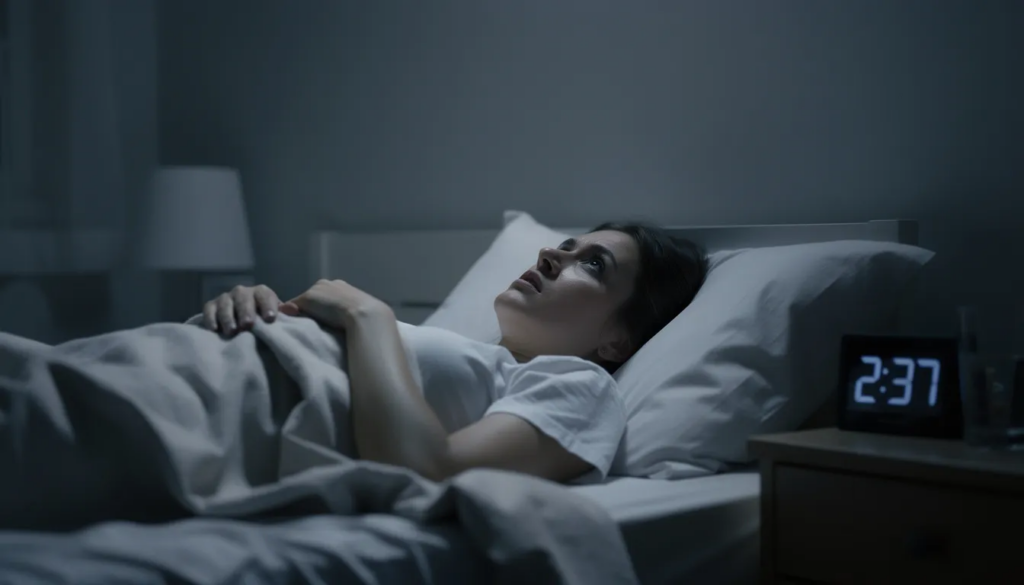
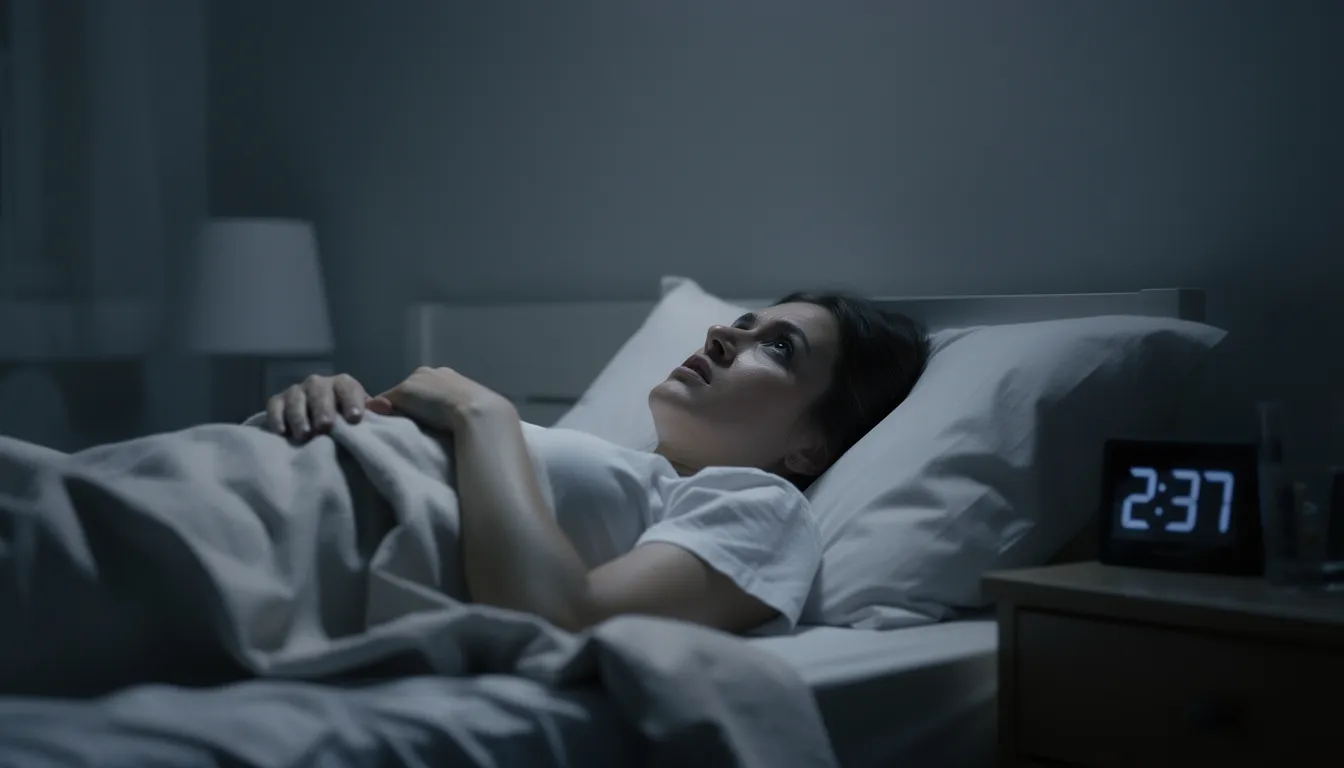
Patients describe lying awake for hours, watching the clock, and feeling “wired but tired.” Drug induced insomnia during active intoxication with stimulants can be severe, with patients unable to sleep for days during binges.
Hypersomnia-type symptoms include prolonged nocturnal sleep (10-14 hours), severe difficulty waking even with multiple alarms, excessive daytime sleepiness, unplanned naps at inappropriate times (at work, while driving), and persistent grogginess or “brain fog.” Classic examples include:
- Post-cocaine or post-amphetamine “crash” with overwhelming sleepiness
- Early opioid initiation in opioid-naïve patients
- Sedating antihistamines or certain psychotropic medications
Parasomnia-like features associated with specific recreational drugs and medications include:
- Sleepwalking and complex sleep behaviors (sleep-driving, sleep-eating) with zolpidem—this has generated FDA warnings and legal cases
- Vivid nightmares with SSRIs, beta blockers, and opioid discontinuation
- REM sleep behavior disorder-like symptoms (dream enactment, talking, moving during sleep) with serotonergic antidepressants, which often improve after dose reduction or drug discontinuation
Sleep-related breathing and movement symptoms are increasingly recognized:
- Increased snoring and obstructive sleep apnea with alcohol, benzodiazepines, opioids, and muscle relaxants due to upper airway relaxation and blunted respiratory drive
- Central sleep apnea and hypoventilation, particularly with chronic opioid therapy
- Restless legs syndrome and periodic limb movements triggered or worsened by some antidepressants, antipsychotics, antihistamines, and dopamine antagonists
The clinical red flags that suggest a substance-induced etiology include:
- Sudden onset of sleep problems after a medication change
- Symptom resolution after dose reduction, drug discontinuation, or substance cessation
- Recurrence when the same agent is restarted
- Absence of sleep problems before substance use began
Diagnosis and Assessment
Diagnosis of substance/medication-induced sleep disorder is primarily clinical, relying on detailed history-taking rather than laboratory tests. The formal criteria from DSM-5 and the International Classification of Sleep Disorders guide the process, but clinical judgment remains essential.
Key history elements to gather include:
- Specific substances and medications: Names, doses, routes of administration, and timing relative to bedtime
- Pattern and duration of use: Daily versus intermittent, escalating doses, recent changes (starting, stopping, increasing, decreasing)
- Onset and course of sleep symptoms: When exactly did the sleep problem start? Did it coincide with any substance changes?
- Coexisting conditions: Medical problems (pain, respiratory disease, thyroid dysfunction), psychiatric disorders (depression, anxiety, PTSD)
- Family history: Sleep disorders, substance abuse, mental disorders
Clinicians should distinguish substance-induced sleep disorder from other sleep disorders by looking for specific patterns:
| Suggests Substance-Induced | Suggests Primary Disorder |
|---|---|
| Symptoms began after starting/changing substance | Symptoms present since childhood or adolescence |
| Symptoms resolve with abstinence (within ~1 month) | Symptoms persist beyond 1 month of stable abstinence |
| Clear temporal relationship to drug use | Strong family history of similar sleep disorder |
| Symptoms recur with re-exposure | Symptoms present regardless of substance use patterns |
Assessment tools commonly used include:
- Sleep diaries: 2-week tracking of bedtime, wake time, sleep latency, awakenings, and naps
- Standardized questionnaires: Insomnia Severity Index, Epworth Sleepiness Scale, STOP-BANG for sleep apnea risk
- Polysomnography (PSG): Overnight sleep study when sleep apnea, parasomnias, or other sleep disorders are suspected
- Multiple Sleep Latency Test (MSLT): Objective measurement of daytime sleepiness, particularly useful in hypersomnolence cases
Laboratory and safety screening should include evaluation for medical causes (thyroid function, anemia, cardiac and respiratory disease) and assessment of overdose and withdrawal risks, particularly with alcohol, benzodiazepines, and opioids where withdrawal can be medically dangerous.
Effective diagnosis often requires collaboration between sleep medicine specialists, psychiatrists, addiction medicine physicians, and primary care providers. No single specialty “owns” this disorder—it sits at the intersection of all these fields.
Treatment and Management Strategies
The primary goal of treatment is to remove or reduce the offending substance while simultaneously treating both the sleep disturbance and any underlying substance use disorder or mental health condition. This dual focus is essential because treating only one aspect rarely produces lasting improvement.
Substance management approaches include:
- Tapering or discontinuing causative medications when safe—gradual benzodiazepine or opioid tapers under medical treatment supervision prevent dangerous withdrawal and minimize rebound symptoms
- Switching to alternative agents with fewer sleep side effects (e.g., switching from an activating SSRI to a more sedating option if insomnia is prominent)
- Standardized detoxification protocols for alcohol, benzodiazepines, and opioids when medically indicated
- Adjusting dose timing—moving activating medications to morning, sedating medications to evening
Non-pharmacologic sleep treatments are first-line, particularly medications affecting the central nervous system. These include:
- Cognitive-behavioral therapy for insomnia (CBT-I): The gold standard for chronic insomnia, addressing maladaptive sleep beliefs, irregular schedules, and sleep-incompatible behaviors. Multiple studies in the Journal of Clinical Sleep Medicine (J Clin Sleep Med) support its effectiveness in both general populations and those with substance use histories.
- Stimulus control: Reserving the bed for sleep and intimacy only, getting out of bed when unable to sleep
- Sleep restriction therapy: Initially limiting time in bed to match actual sleep time, then gradually extending
- Relaxation techniques: Progressive muscle relaxation, guided imagery, breathing exercises
- Circadian stabilization: Consistent wake time (including weekends), morning light exposure, reduced evening screen time
Cautious use of sleep medications is warranted in patients with current or past substance use disorders:
- Many clinicians avoid benzodiazepines and Z-drugs due to abuse potential, tolerance, and overdose risk when combined with other substances
- Lower-risk alternatives may include certain antidepressants (trazodone, mirtazapine, low-dose doxepin), melatonin, ramelteon, or sedating anticonvulsants
- Close monitoring is essential with any sleep medication in this population
- SAMHSA guidance emphasizes careful risk-benefit assessment
Integrated addiction treatment is critical for patients with substance use disorders:
- Evidence-based psychotherapies (motivational interviewing, CBT for substance use, relapse prevention)
- Medications for addiction treatment (naltrexone or acamprosate for alcohol use disorder; buprenorphine or methadone for opioid use disorder)
- Psychoeducation about the bidirectional relationship between sleep disturbance and relapse risk
- Addressing the fact that poor sleep during early recovery predicts worse outcomes
Treatment should coordinate care across settings—sleep clinics, primary care, and rehabilitation programs. Patients need realistic expectations: sleep recovery after heavy, chronic substance use may take several weeks to months. Sleep continuity and quality often improve gradually rather than immediately.
Self-Care, Prevention, and When to Seek Help
Lifestyle measures can reduce risk and support recovery, but they do not replace professional treatment for significant substance use or severe sleep disorders. Self-care works best as a complement to, not a substitute for, appropriate diagnosis and medical treatment.
Practical sleep hygiene strategies include:
- Consistent sleep and wake times, including weekends
- Dark, quiet, cool bedroom environment
- Limiting caffeine after mid-afternoon (roughly 2-3 PM for most people)
- Avoiding nicotine, especially in the evening hours
- Not using alcohol as a “nightcap”—despite the myth, it worsens sleep patterns overall
- Minimizing late-night heavy meals and vigorous exercise within 3-4 hours of bedtime
- Reducing screen time in the hour before bed
Gradual reduction of over-the-counter substances that impair sleep (high-dose caffeine, some decongestants, energy drinks) should be done in consultation with a clinician, particularly if withdrawal symptoms like headache or excessive sleepiness develop.
Avoid unsupervised use of online or non-prescribed sedatives. The internet offers numerous illicit drugs and unregulated supplements marketed as sleep aids—many carry serious risk factors for dependence, contamination, or dangerous drug interactions.
Clear thresholds for seeking professional help include:
- Sleep problems lasting more than 3 months
- Signs of dependence or withdrawal (needing increasing doses to sleep, morning shakes, cravings)
- Loud snoring with witnessed apneas or gasping
- Dangerous behaviors during sleep, such as sleepwalking with injuries
- Symptoms persist despite improved sleep hygiene and substance reduction
Concrete resources for help:
- Primary care providers: Good starting point for initial evaluation and referrals
- Board-certified sleep specialists: For complex cases requiring polysomnography or specialized management
- Addiction medicine specialists: When substance use disorder is present
- National helplines: SAMHSA’s National Helpline (1-800-662-HELP) provides 24/7 treatment referrals and information
Research, Prognosis, and Public Health Perspective
Research over the past decade has significantly advanced understanding of how substances alter sleep architecture and how those alterations affect recovery. Studies from sleep medicine journals consistently show persistent abnormalities in REM and slow wave sleep in chronic users of alcohol, opioids, and stimulants—changes that can persist for months after last use.
Key research findings include:
- Abnormal PSG findings—such as reduced slow wave sleep, shortened total sleep time, and heightened REM pressure—can predict relapse risk in alcohol and cocaine dependence better than some traditional clinical variables
- Insomnia symptoms in early recovery from alcohol use disorder are associated with increased risk of relapse at 3-month and 6-month follow-up
- Sleep disturbances are among the most commonly cited reasons for relapse across substance classes
- Early data suggest that treating insomnia with CBT-I may improve quality of life and potentially reduce relapse risk, though results across studies are mixed
Prevalence and burden considerations:
- More than 50-70% of individuals with alcohol, opioid, or stimulant use disorders endorse significant insomnia or hypersomnia symptoms
- Sleep problems are extremely common among people in recovery and may last months to years
- Addressing sleep may improve mood, cognition, and daytime functioning, supporting rehabilitation and return to work or school
- Untreated sleep disturbance is associated with poorer treatment adherence and worse mental health outcomes
Future directions in this field include:
- Greater integration of sleep assessment and treatment into standard addiction care
- Expanded use of digital CBT-I and app-based interventions for populations with limited access to specialists
- Research into novel hypnotic mechanisms with lower abuse potential (e.g., dual orexin receptor antagonists)
- Better understanding of genetic factors influencing susceptibility to both substance use disorders and sleep disturbances
- Improved screening in primary care settings to catch substance-induced sleep disorders earlier
The path forward requires integrated sleep and addiction services, routine screening, and continued research into treatments that improve sleep without destabilizing recovery.