


Alcohol Detox Insomnia: Fast Answers
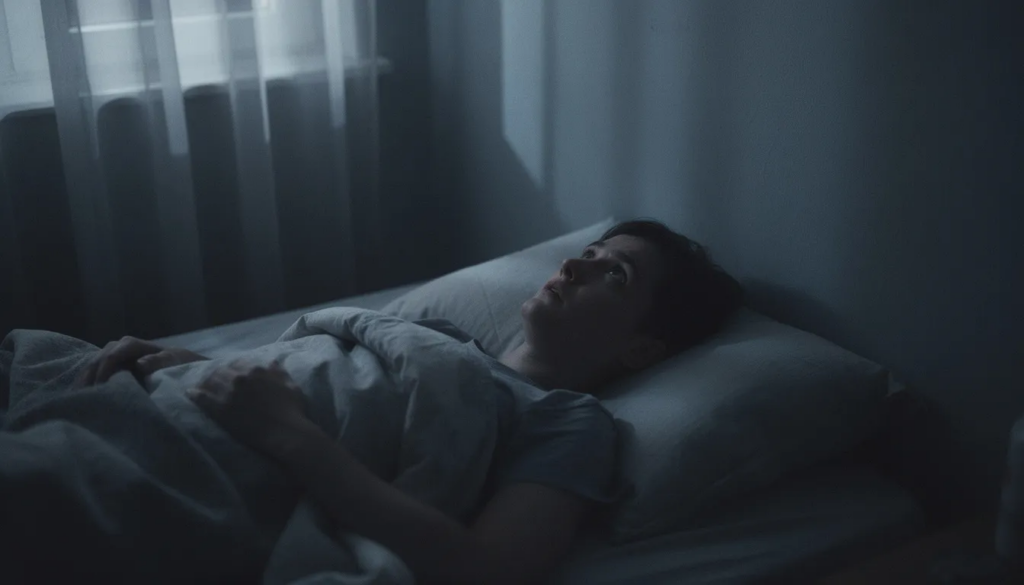
Alcohol detox insomnia refers to the sleep disturbances that occur when someone with a history of heavy or long-term drinking stops or sharply reduces their alcohol intake. This isn’t just feeling a little tired—it’s a profound disruption to your ability to fall asleep, stay asleep, and wake up feeling rested. For most people going through alcohol detox, insomnia shows up within the first 24 to 72 hours after the last drink and can persist for days, weeks, or even longer.
Here’s what often surprises people: even after the shaking, sweating, and other acute withdrawal symptoms fade, sleep disturbances can continue for weeks or months. This is part of what clinicians call post-acute or protracted withdrawal. Your brain spent a long time adapting to alcohol, and it takes time to recalibrate without it.
The numbers are striking. Research shows that 36–91% of people detoxing from alcohol report insomnia or significant sleep problems. Studies have also found that persistent insomnia during early recovery is strongly linked to higher relapse rates—essentially doubling the odds of returning to drinking in some populations. But here’s the good news: alcohol detox insomnia is usually temporary and highly treatable. With medical supervision (especially recommended for moderate to heavy drinkers), behavioral strategies, and time, sleep does improve.
In this article, you’ll learn:
- Why detox causes insomnia at the neurochemical level
- How long sleep problems typically last in each phase of recovery
- Safe, evidence-based treatments that don’t risk new dependencies
- When to seek immediate medical help
- How to support a loved one going through detox insomnia
What Is Insomnia During Alcohol Detox?
Clinical insomnia is defined as persistent difficulty falling asleep, staying asleep, or waking too early—with resulting daytime impairment—occurring at least three nights per week for three months or more. During alcohol detox and early abstinence, these symptoms often appear suddenly and intensely, even in people who never had sleep problems before.
There’s an important distinction between short-term insomnia during acute withdrawal (typically the first one to two weeks after your last drink) and longer-lasting post-acute insomnia that can stretch for weeks to months. The acute phase tends to be more physically intense—your body is in overdrive. The post-acute phase is often more subtle but can be just as frustrating, with sleep that feels shallow, fragmented, or simply unrefreshing.
Research consistently shows just how common this is. Between 58–91% of people in alcohol withdrawal report significant sleep problems. Insomnia during early recovery is roughly five times more prevalent than in the general population. If you’re lying awake at 3 a.m. wondering if something is wrong with you, the answer is no—this is a predictable, physiological response to withdrawal.
Common experiences include lying awake for hours despite exhaustion, waking up multiple times throughout the night, vivid or stressful dreams that jolt you awake, and that frustrating feeling of having slept but not rested. Many people describe feeling wired and tired simultaneously—too exhausted to function but too activated to sleep.
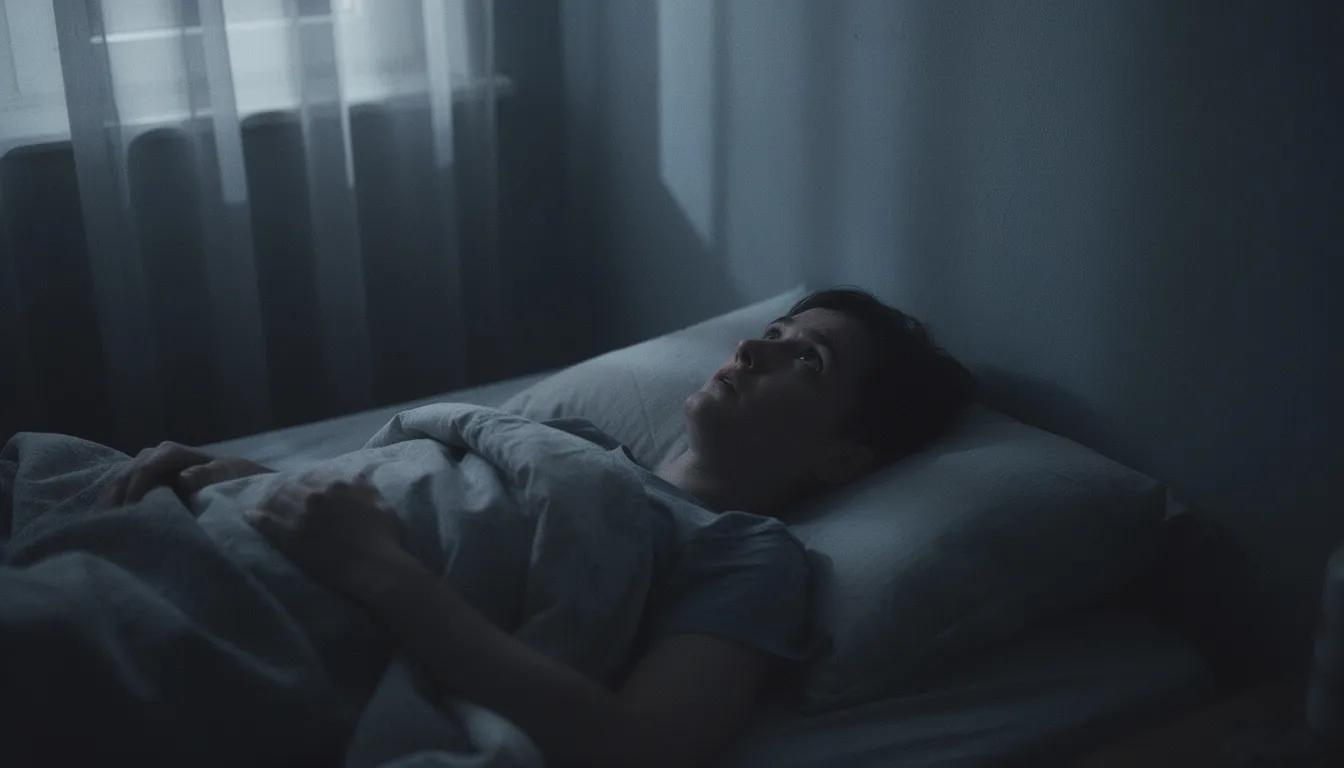
This is not a moral failing or lack of willpower. Your brain and body are going through a significant recalibration. Consider someone on day three of detox: they’ve made it through the worst of the physical symptoms, they’re committed to sobriety, and yet they find themselves staring at the ceiling at 2 a.m., heart racing, mind spinning. This is alcohol detox insomnia doing exactly what the science predicts it will do.
How Alcohol and Detox Disrupt Normal Sleep
To understand why detox causes such profound sleep problems, you first need to understand what alcohol does to sleep while you’re still drinking—and how abruptly stopping magnifies those effects.
Normal sleep cycles through several stages roughly every 90 minutes throughout the night. You move from light sleep (the drowsy transition) into deeper slow-wave sleep (where physical restoration happens) and then into rapid eye movement sleep, or REM sleep, which is associated with dreaming and memory consolidation. Healthy sleep involves balanced cycles through all these stages.
Alcohol throws a wrench into this system. In the first half of the night, alcohol acts as a sedative—it can help you fall asleep faster and may initially increase deep sleep. But in the second half of the night, as your body metabolizes the alcohol, sleep becomes lighter and more fragmented. REM sleep gets suppressed. You wake up more often. A controlled study found that wake after sleep onset increased from about 39 minutes on non-drinking nights to 67 minutes on drinking nights, with effects concentrated in the later hours.
With chronic heavy use over months or years, your brain adapts to alcohol’s presence. It learns to expect that nightly sedation. The natural systems that regulate sleep get downregulated or thrown off balance. When you suddenly remove alcohol, your brain doesn’t instantly snap back to normal. Instead, it’s left without its usual sedative while simultaneously being in a state of hyperexcitability. This is why so many people describe those first nights of detox as being unable to sleep even when utterly exhausted.
Polysomnography studies—where researchers measure brain waves and sleep patterns in a lab—show that people detoxing from alcohol have increased sleep latency (taking longer to fall asleep), reduced total sleep time, and reduced slow-wave sleep for weeks to months after their last drink. The architecture of sleep itself is disrupted at a measurable, physiological level.
In real life, this looks like someone who used to pass out quickly after their evening drinks now lying awake for hours, finally drifting off only to wake at 4 a.m. with racing thoughts and no chance of returning to sleep.
The Neurochemical Basis of Alcohol Detox Insomnia
Your brain runs on a delicate balance between calming signals and activating signals. Two key players are GABA (your brain’s primary inhibitory neurotransmitter, which calms things down) and glutamate (the primary excitatory neurotransmitter, which ramps things up).
When you drink alcohol, GABA activity gets enhanced while glutamate gets suppressed. The net effect is sedation—everything slows down. But your brain doesn’t just passively accept this. Over time, it compensates by reducing its natural GABA production and increasing glutamate activity, trying to maintain equilibrium despite alcohol’s effects.
When you stop drinking, you suddenly remove alcohol’s calming influence, but your brain is still in that compensated state: GABA is running low, and glutamate is running high. The result is a central nervous system that’s essentially stuck on high alert. Think of it as your brain on fast-forward, or like an internal alarm system that won’t switch off. This hyperarousal makes falling asleep extremely difficult and is why so many people experience racing thoughts, physical agitation, and anxiety that peaks at bedtime.
Then there’s REM rebound. Because alcohol suppresses REM sleep during active drinking, your brain has accumulated a “REM debt.” When alcohol is removed, REM sleep comes flooding back—often with a vengeance. This means unusually intense, vivid dreams or nightmares that can repeatedly jolt you awake. Many people in early recovery describe dreams so vivid and disturbing they’re afraid to go back to sleep.
Circadian rhythm disruption adds another layer. Heavy drinkers often keep irregular hours—staying up late to drink, sleeping in to recover, napping during the day. This scrambles the internal body clock that tells you when to be sleepy and when to be alert. During detox, this disruption is exposed, making it hard to fall asleep at regular hours even when your body desperately needs rest.
These neurochemical and circadian disturbances don’t resolve overnight. They can persist for weeks or months, which explains why insomnia often outlasts other alcohol withdrawal symptoms like tremors or nausea. Your brain is healing, but healing takes time.
What Alcohol Detox Insomnia Feels Like: Key Symptoms
The nighttime symptoms of alcohol detox insomnia are distinctive and often intense:
- Taking more than 30–60 minutes to fall asleep, despite feeling exhausted
- Waking up multiple times throughout the night, sometimes every hour
- Early-morning waking (often 3–5 a.m.) with an inability to return to sleep
- Vivid, disturbing dreams or outright nightmares
- Night sweats, sometimes severe enough to soak the sheets
- Restlessness and an inability to get comfortable
The daytime consequences are equally significant. Fatigue becomes a constant companion. Concentration suffers—you might find yourself rereading the same paragraph five times or forgetting why you walked into a room. Irritability spikes. And critically, cravings for alcohol often intensify because your exhausted brain remembers that alcohol used to help you sleep.
Many people find that nights feel worse than days during detox. During the day, you can distract yourself with activity. At night, you’re alone with physical discomfort—tremor, sweating, muscle aches—and there’s no alcohol to take the edge off. The quiet and darkness seem to amplify everything.
Here’s what day 2–4 of detox might look like: You’ve made it through the initial shock. Your hands are still a bit shaky, your heart feels like it’s beating too hard, and every time you close your eyes, your mind starts racing through every mistake you’ve ever made. You finally drift off around 4 a.m., only to wake at 6 a.m. from a nightmare so vivid you need a moment to remember where you are.
At week 3–4, it’s different but still challenging. The physical symptoms have mostly passed. Some nights you actually sleep pretty well—maybe six solid hours. But other nights, for no apparent reason, you’re back to staring at the ceiling, mind churning, wondering if this is just what sober life feels like.
If insomnia is accompanied by severe symptoms—hallucinations, seizures, confusion, uncontrollable vomiting—this warrants immediate medical evaluation. These could indicate severe alcohol withdrawal requiring urgent treatment.
Timeline: How Long Does Alcohol Detox Insomnia Last?
Understanding the typical timeline helps set realistic expectations. Individual experiences vary based on drinking history, overall health, and other factors, but here’s what moderate to severe dependence typically looks like:
Acute Phase (Days 1–7)
Insomnia typically begins within the first 24–72 hours after the last drink. It tends to peak around days 2–4, coinciding with peak withdrawal symptoms. During this phase, you may experience:
- Severe difficulty falling asleep (sometimes not sleeping at all for a night or two)
- Frequent awakenings throughout the night
- Intense nightmares when you do sleep
- Night sweats and autonomic hyperactivity
- Significant anxiety and physical agitation at bedtime
This is often the most physically uncomfortable phase, and sleep may feel nearly impossible.
Subacute / Early Recovery (Weeks 2–4)
Physical withdrawal symptoms start easing, but sleep often remains light and fragmented. You might have some nights that feel almost normal, followed by nights of severe restlessness for no clear reason. Sleep quality starts to improve gradually, but progress isn’t linear. Daytime fatigue remains common as your body and brain continue adjusting.
Post-Acute Phase (1–6 Months)
Many people continue to report trouble falling asleep, early awakenings, or sleep that doesn’t feel restorative. Gradual improvement is typical, but it can be uneven—stress, changes in routine, or emotional challenges can trigger temporary setbacks. During this phase, behavioral strategies and consistent sleep hygiene become increasingly important.
Long-Term Recovery (6+ Months)
For most people, sleep becomes significantly better than it was during active drinking. The brain’s natural sleep regulation systems have had time to heal. However, some individuals—particularly those with long drinking histories, older age, or co-existing depression, anxiety, or other mental health conditions—may continue to have chronic insomnia that requires separate treatment.
Research following people for 6–27 months after detox has found that those with persistent insomnia are significantly more likely to relapse. This underscores why addressing sleep problems proactively is crucial for long-term recovery.
If you haven’t seen any improvement in sleep by week 4–6 of sobriety, or if insomnia is getting worse rather than better, it’s time to speak with a doctor or sleep medicine specialist. There may be additional factors at play that need attention.
Factors That Make Detox Insomnia Better or Worse
Not everyone experiences alcohol withdrawal insomnia the same way. Several personal and environmental factors influence its severity and duration.
Drinking History
Years of heavy daily drinking, consistently high blood alcohol levels, and frequent blackouts correlate with more intense and longer-lasting insomnia. The longer and heavier the alcohol use, the more significant the brain adaptations—and the longer the recovery process.
Physical Health
Pre-existing conditions can worsen sleep during detox. These include:
- Chronic pain conditions
- Heart disease
- Diabetes
- Sleep apnea (which may have been masked or worsened by alcohol)
- Liver disease
- Medications with stimulating effects
If you have significant medical conditions, medically supervised detox becomes even more important.
Mental Health
Co-existing mental disorders significantly increase the risk of prolonged or severe insomnia after quitting alcohol. Anxiety disorders, depression, PTSD, and bipolar disorder all have their own sleep-disrupting effects that compound with withdrawal. For many people with alcohol use disorder, drinking was an attempt to self-medicate underlying mental health conditions—and those conditions don’t disappear when alcohol does.
Environment and Social Context
Your recovery environment matters. Noisy living situations, lack of a dark and quiet room, unstable housing, conflict with family or partners, and lack of social support can all aggravate insomnia. Creating a sleep-supportive environment is part of treatment.
Genetics and Age
Older adults tend to have more sleep disturbances generally, and this extends to withdrawal. A family history of insomnia or alcohol use disorder may also predispose someone to more persistent sleep problems.
These factors aren’t reasons to keep drinking. Instead, they’re reasons to seek tailored professional help. Knowing your risk factors allows you and your treatment team to plan accordingly.
Health and Recovery Consequences of Untreated Alcohol Detox Insomnia
Beyond simply feeling exhausted, chronic insomnia during and after detox has measurable effects on physical health. Sleep deprivation elevates blood pressure, weakens the immune system, and increases the risk of accidents—particularly concerning when reflexes and judgment are already compromised by withdrawal.
The cognitive and emotional impacts are equally significant. Sleep-deprived brains struggle with concentration, decision-making, and emotional regulation. In practical terms, this might look like difficulty focusing at work in your first sober month, snapping at loved ones over minor frustrations, or feeling inexplicably tearful. Anxiety and low mood often worsen with poor sleep, creating a vicious cycle where disturbed sleep feeds emotional distress, which further disrupts sleep.
The connection between insomnia and relapse is one of the most important reasons to take sleep problems seriously. Multiple studies have found that untreated sleep problems in the first one to three months of sobriety roughly double the odds of returning to alcohol. Many people cite “I needed a drink just to sleep” as a key relapse trigger. When you’re lying awake at 3 a.m., exhausted and desperate, the memory of how quickly alcohol used to knock you out becomes dangerously appealing.
There are also practical safety concerns. Driving while severely sleep-deprived impairs reaction time and judgment as much as alcohol does. Operating machinery, caring for children, or making important decisions while cognitively impaired from lack of rest carries real risks.
The urgency is real—but so are the solutions. Effective treatments exist, and addressing insomnia proactively dramatically improves both quality of life and recovery outcomes.

Evidence-Based Strategies to Manage Alcohol Detox Insomnia
Optimal management of alcohol detox insomnia typically combines medical supervision, behavioral strategies, and lifestyle adjustments. What works in week one of detox (often medically supervised medications) may differ from what’s best in month three (behavioral therapy and sustainable habits). The key principle throughout: self-medicating with alcohol or sedative drugs outside medical care is unsafe and counterproductive.
Severe withdrawal—particularly if you have a history of seizures, delirium tremens, or very high daily intake—warrants inpatient or closely supervised outpatient detox. This isn’t about willpower; it’s about safety.
Medical Detox and Professional Support
Medically supervised detox means 24/7 monitoring during the first approximately 3–7 days after your last drink. This typically occurs in a hospital or specialized detox facility where trained staff can manage withdrawal symptoms and prevent dangerous complications.
During acute withdrawal, several medication categories may be used:
| Medication Type | Purpose |
|---|---|
| Benzodiazepines | Prevent seizures and reduce severe autonomic symptoms |
| Non-addictive sleep aids (e.g., trazodone) | Support sleep without creating new dependencies |
| Beta-blockers or clonidine | Manage rapid heart rate, sweating, tremor |
| Thiamine and other vitamins | Prevent neurological complications |
While some of these medications help with insomnia, they’re prescribed carefully and typically tapered over days to avoid dependence. Benzodiazepines in particular are only used short-term in this context.
Home detox without medical guidance can be dangerous, especially if you have a long history of heavy drinking, past withdrawal seizures, or significant medical conditions. Contact your doctor, a local addiction specialist, or a treatment center before attempting to detox on your own.
Insurance in many countries—including U.S. private plans, Medicaid, and Medicare—often covers medically necessary detox and related sleep treatment. Don’t let concerns about cost prevent you from seeking safe care.
Sleep Hygiene and Behavioral Strategies (Including CBT-I)
Sleep hygiene refers to the environmental and behavioral practices that support good sleep. These form the foundation of insomnia treatment:
- Fixed wake time: Get up at the same time every day, even after a poor night’s sleep
- Wind-down routine: Spend 30–60 minutes before bed doing calm, non-stimulating activities
- Optimize your bedroom: Cool temperature, darkness, quiet; consider blackout curtains and white noise
- Limit screens: Avoid phones, tablets, and TV for at least 30–60 minutes before bed
- Bed is for sleep: Reserve your bed for sleep and intimacy only—not TV, work, or scrolling
For naps, the guidance during early recovery is usually to keep them short (15–30 minutes maximum) and before mid-afternoon, or avoid them entirely if insomnia is severe. You want to build up enough sleep pressure to actually fall asleep at bedtime.
Cognitive behavioral therapy for insomnia, or CBT-I, is the gold-standard non-drug treatment for chronic insomnia. It’s typically delivered over 4–8 weekly sessions by a trained therapist and includes:
- Sleep restriction and consolidation: Temporarily limiting time in bed to match actual sleep time, then gradually expanding
- Stimulus control: Retraining your brain to associate the bed with sleep, not with lying awake anxious
- Cognitive techniques: Challenging catastrophic thoughts about sleep (“If I don’t sleep tonight, tomorrow will be ruined”)
- Relaxation training: Progressive muscle relaxation, deep breathing exercises, and other techniques
Consider CBT-I if insomnia persists beyond 4–6 weeks of abstinence, if you’ve developed fear or dread around bedtime, or if you’ve become reliant on over-the-counter sleep aids. It’s available through in-person therapists, telehealth, and digitally delivered programs with solid clinical and experimental research behind them.
Lifestyle Adjustments That Support Sleep in Recovery
Exercise: Moderate, regular physical activity—like 20–40 minutes of brisk walking most days—improves sleep quality over time. Avoid strenuous workouts within 3 hours of bedtime, as they can be too activating.
Nutrition: Balanced meals with adequate protein and complex carbohydrates support stable energy and sleep. Avoid heavy, spicy, or sugary meals close to bedtime. If hunger wakes you at night, a small, light snack before bed may help.
Substances to watch:
| Substance | Recommendation |
|---|---|
| Caffeine | Limit or avoid after early afternoon |
| Nicotine | Avoid close to bedtime |
| Alcohol | Absolutely avoid—even “just one drink” to help sleep |
| Non-prescribed sedatives | Never use without medical supervision |
Stress reduction: Practices like mindfulness meditation, progressive muscle relaxation, guided imagery, or gentle yoga in the evening can help calm an activated nervous system. These directly counter the hyperarousal that makes falling asleep so difficult during withdrawal.
Sleep diary: Keep a simple log for 1–2 weeks noting bedtime, wake time, naps, caffeine intake, and how you felt. Patterns often emerge that help identify triggers.
Morning light: Spending time outdoors in morning light helps reset circadian rhythms. Combined with a consistent sleep schedule and regular daytime routines, this supports the sleep-wake cycle your brain is trying to rebuild.

When Medications for Insomnia Are (and Aren’t) Appropriate in Recovery
There’s an important distinction between short-term sleep support during acute withdrawal and long-term treatment of persistent insomnia in someone with a history of alcohol dependence.
Most clinicians avoid or strictly limit benzodiazepines and “Z-drugs” (like zolpidem) for chronic insomnia in people in recovery. The reason is simple: these medications work on the same GABA receptors that alcohol does. They carry risks of dependence and can potentially trigger relapse. What feels like a solution can become a new problem.
Non-habit-forming options sometimes used in recovery populations include:
- Trazodone: A sedating antidepressant that doesn’t work through GABA receptors; research has found it helpful for persistent withdrawal insomnia
- Sedating antihistamines: Available over-the-counter but should still be discussed with a provider
- Melatonin: May help with circadian rhythm regulation; relatively low risk
- Magnesium: Some studies suggest it can help with withdrawal insomnia; works differently than alcohol
Each option has pros and cons and must be prescribed or recommended by a professional who knows your full history.
Critical safety points:
- Never mix any sleep aid with alcohol
- Never increase doses on your own without medical advice
- Always have open discussions with healthcare providers about both sleep and sobriety goals
Medication works best when combined with behavioral strategies—it’s not a standalone solution. Think of medication as a temporary support while you build the habits and skills for lasting healthy sleep.
When Alcohol Detox Insomnia Signals a Need for Immediate Help
Some symptoms require urgent medical attention rather than waiting for a scheduled appointment:
- Inability to sleep at all for several consecutive nights
- Hallucinations (seeing or hearing things that aren’t there)
- Severe confusion or disorientation
- Seizures
- Chest pain
- Uncontrollable vomiting
- Thoughts of self-harm or suicide
These signs may indicate severe withdrawal, including delirium tremens, other medical complications, or a psychiatric crisis. Call emergency services or go to the nearest emergency department immediately.
If you’re detoxing at home, involve trusted family or friends to help monitor for dangerous symptoms during the first several days. You may not be the best judge of your own condition when severely sleep-deprived and in withdrawal.
Insomnia-related impairment can also be dangerous. If you’re falling asleep while driving, having frequent near-miss accidents, or unable to safely care for dependents due to exhaustion, urgent evaluation is warranted.
Any suicidal thoughts, plans, or feelings of hopelessness—whether related to sleeplessness or recovery more broadly—should trigger immediate contact with crisis services or a mental health professional. Severe insomnia can worsen depression and hopelessness, making these feelings feel permanent when they’re actually treatable and temporary.
Long-Term Sleep Recovery and Relapse Prevention
For most people, sleep gradually improves over months of sobriety and often becomes better than it was during active drinking. Your brain is remarkably adaptable. Given time and the right conditions, its natural sleep regulation systems do heal.
Set realistic expectations. Some bad nights are normal even in healthy sleepers. Progress is measured over weeks and months, not night-to-night. You’re looking for trends, not perfection.
Stable routines play a crucial role in cementing lasting improvements. Life structure—regular work schedules, consistent exercise, predictable bed and wake times—signals to your brain when to be alert and when to wind down. The more consistent you can be, the faster your sleep patterns stabilize.
Sleep and relapse prevention are deeply connected. Having a plan for sleepless nights reduces the likelihood of turning back to alcohol. This might include:
- A list of calming activities (reading, gentle stretching, warm bath)
- People you can call or text when struggling
- Coping statements to counter the thought “I’ll just have one drink to sleep”
- A reminder that this feeling is temporary
Schedule ongoing check-ins with healthcare providers about sleep at 1, 3, 6, and 12 months into recovery. Insomnia that reappears under stress can often be managed quickly if addressed early, before it becomes a major crisis.
Peer recovery groups—AA, SMART Recovery, or other mutual-help communities—offer valuable spaces to discuss sleep struggles with others who understand. Hearing how others navigated alcohol detox insomnia and came out the other side can provide both practical tips and genuine hope.
Supporting a Loved One With Alcohol Detox Insomnia
If you’re the partner, parent, or friend of someone going through alcohol detox, understanding what they’re experiencing can help you help them.
Sleep deprivation can cause irritability, mood swings, forgetfulness, and emotional volatility. These are symptoms of withdrawal, not personal attacks or signs that the person isn’t committed to recovery. Patience and understanding go a long way.
Practical ways to help:
- Keep the home quiet in the evenings
- Dim lights as bedtime approaches
- Avoid intense conversations or arguments late at night
- Take on childcare or household tasks so the person can rest when possible
- Stock the kitchen with healthy foods and limit caffeine availability
Learn the basic signs of dangerous withdrawal—hallucinations, seizures, severe confusion, persistent vomiting—and know when to call for medical help. You may be the one who recognizes that something serious is happening.
Consider attending family education sessions or support groups like Al-Anon. Understanding the intersection of sleep, withdrawal, and recovery helps you provide better support and reduces the confusion and frustration that often arise when watching someone struggle.
Don’t forget your own sleep and mental health. Caregiving during detox is stressful. You can’t pour from an empty cup. Make sure you’re getting rest, talking to supportive people, and taking breaks when needed.

Finding Help for Alcohol Detox and Insomnia
Alcohol detox insomnia is one of the most common challenges in early recovery—and one of the most treatable. With the right combination of medical supervision, behavioral strategies, and patience, the vast majority of people see significant improvement.
Don’t let fear of sleepless nights stop you from seeking treatment for alcohol dependence. Supervised detox and modern therapies can greatly reduce discomfort. The alternative—continuing to drink to avoid withdrawal—only makes the eventual detox harder and puts your health at greater risk.
Practical next steps:
- Talk to your primary care doctor about your drinking and sleep concerns
- Contact an addiction specialist or addiction psychiatrist
- Call a local detox or rehabilitation center for an assessment
- Reach out to a helpline (like SAMHSA’s National Helpline: 1-800-662-4357) for guidance
Many treatment programs now include sleep assessment, access to cognitive behavioral therapy, and coordinated mental health care as part of comprehensive addiction treatment. You don’t have to figure this out alone.
The brain that’s keeping you awake right now is the same brain that will eventually allow you to sleep deeply again. As it heals—as healthier routines take hold, as the neurochemistry rebalances, as stress systems calm—restful sleep returns. It takes time. It takes support. But restorative sleep and stable sobriety are absolutely achievable. Thousands of people have walked this path before you and come out the other side sleeping better than they have in years. You can too.