


 By:
By:
 Editor:
 Clinical Reviewer:

Fast Answer: Can You Take Xanax and Suboxone Together?
The short answer: taking suboxone and xanax together is generally unsafe. Both xanax and suboxone suppress the central nervous system, including the brainstem regions that control breathing. When combined, these two medications create additive or synergistic effects that significantly increase the risk of respiratory depression, overdose, and death.
Co-prescribing may occasionally be considered for patients with severe, treatment-resistant anxiety disorders who have exhausted safer alternatives. However, this requires intensive medical supervision, coordination through a single prescriber, and strict monitoring protocols.
Key Takeaways:
Mixing suboxone and xanax dramatically increases fatal overdose risk
The combination overrides buprenorphine’s protective ceiling effect on breathing
Co-prescribing is rare and requires documented justification plus close monitoring
A coordinated treatment team with one lead prescriber is essential
Never adjust either medication without medical guidance
What Is Xanax (Alprazolam)?
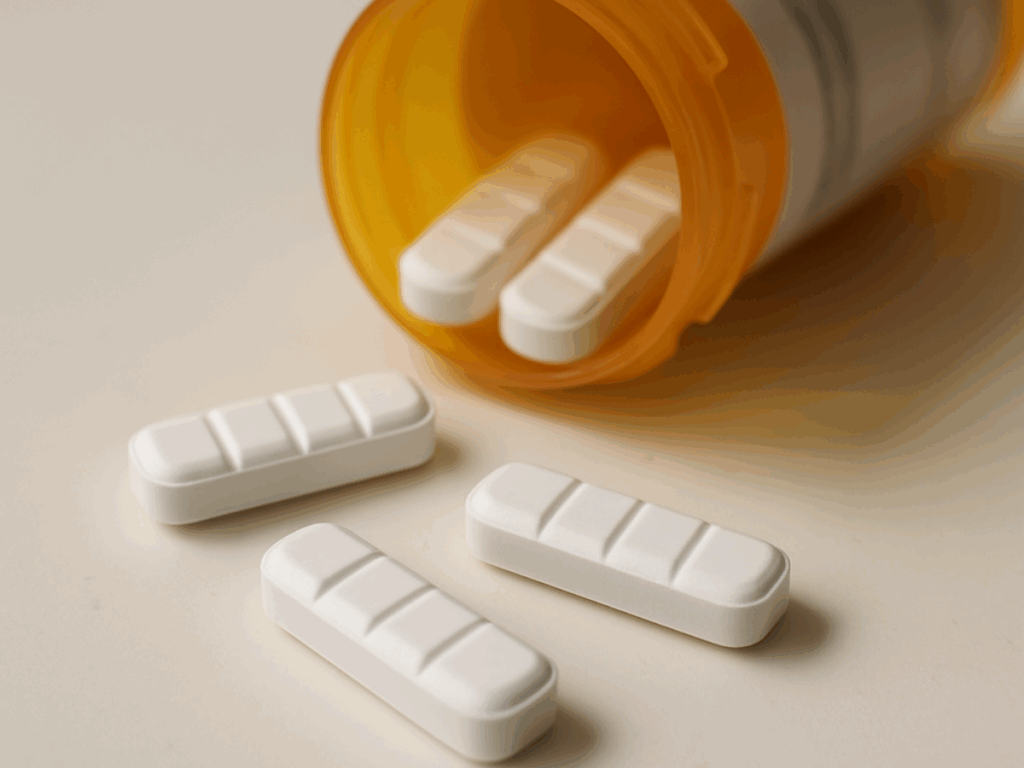
Xanax is a short-acting benzodiazepine, part of the benzodiazepine group of medications commonly prescribed to treat anxiety and panic disorders. Approved by the FDA in 1981, it works by enhancing GABA activity in the brain, producing a rapid calming effect, sedation, and muscle relaxation.
Key Facts About Xanax:
Fast onset (peaks within 1-2 hours) with short half-life (11-15 hours)
Approved for generalized anxiety disorder and panic disorders
Sometimes used short-term for severe sleep disorders
Common side effects: drowsiness, impaired coordination, memory problems
High potential for physical dependence and drug abuse
Abrupt discontinuation can trigger seizures and severe withdrawal symptoms
The same properties that provide immediate relief for anxiety symptoms—rapid action and potent sedation—also drive its misuse potential. People with substance use disorder are at particularly high risk for developing dependence.
What Is Suboxone (Buprenorphine/Naloxone)?
Suboxone combines buprenorphine, a partial opioid agonist, with naloxone, an opioid antagonist. It’s a cornerstone medication used to treat opioid addiction and is recommended by SAMHSA and ASAM guidelines as first-line therapy for opioid use disorder.
Buprenorphine binds tightly to opioid receptors but only partially activates them, creating a ceiling effect that limits euphoria and respiratory depression compared to full opioid agonists like heroin or fentanyl. Naloxone remains inactive when taken sublingually as prescribed suboxone but precipitates withdrawal if the medication is injected, deterring diversion.
Suboxone at a Glance:
Used in medication-assisted treatment (MAT) for opioid dependence
Reduces cravings and withdrawal symptoms
Improves treatment retention by 50-70% over counseling alone
Still carries CNS depressant properties
Dangerous when mixed with other CNS depressants
How Xanax and Suboxone Interact in the Body
Both suboxone and xanax slow brain activity through different mechanisms—opioid-mediated effects and GABAergic enhancement, respectively. When combined, these two drugs create compounding central nervous system depression that targets the brainstem’s respiratory centers.
Critically, buprenorphine’s ceiling effect on respiratory depression is partially overridden when benzodiazepines are added. This means the protective feature that makes Suboxone safer than full opioid agonists becomes compromised.
Key Physiologic Effects of Combining Both Xanax and Suboxone:
Profound sedation and extreme drowsiness
Slowed breathing and potential oxygen deprivation
Lowered blood pressure
Confusion and impaired judgment
Increased risk of accidents and falls
People sometimes mix opioids and benzodiazepines to manage anxiety, enhance sedation for sleep, or chase a stronger high. Regardless of motivation, combining suboxone with anxiety medication like Xanax creates life threatening consequences.
Dangers & Risks of Mixing Xanax and Suboxone
This combination represents one of the highest-risk scenarios clinicians at Legacy Healing Center encounter. According to CDC data, approximately 14% of opioid overdose deaths in 2021 involved benzodiazepines—a stark reminder that mixing xanax with opioid medication dramatically increases mortality.
Major Risks Include:
Severe respiratory depression that can stop breathing entirely
Fatal overdose, even at prescribed doses
Coma from extreme sedation
Aspiration (inhaling vomit)
Accidents from impaired coordination
Worsening opioid addiction and benzodiazepine dependence
Cognitive impairment affecting work and driving
Complicated withdrawal requiring extended medical supervision
Risk factors compound with higher doses, concurrent alcohol use, older age, sleep apnea, COPD, or other medications like gabapentinoids. The FDA’s 2016 boxed warning explicitly cautions against concurrent opioid-benzodiazepine prescribing except when alternatives are inadequate.
Specific Medical Complications to Watch For
Legacy clinicians monitor several key complications when patients report using both drugs:
Respiratory Depression: The most dangerous complication. Watch for slow or shallow breathing (under 12 breaths per minute), blue lips or fingertips, gasping during sleep, or difficulty waking someone. These indicate the drugs suppress breathing to dangerous levels.
Cognitive and Psychomotor Impairment: Slurred speech, poor balance, confusion, and impaired driving ability. These effects increase fall risk and workplace accidents significantly.
Dual Physical Dependence: Developing dependence on both benzodiazepines and opioids creates extremely complex detox scenarios. Benzodiazepine withdrawal alone can cause life-threatening seizures and delirium.
Overdose Risk: Even therapeutic doses become dangerous when combined, particularly with alcohol or non-medical opioid use.
Suspected overdose is a 911 emergency. Administer naloxone if available—though it won’t reverse benzodiazepine effects, it addresses the opioid component.
Can You Ever Take Xanax While on Suboxone?
The default medical position is to avoid this combination, especially in patients with substance use disorder history. However, limited scenarios exist where a specialist might continue or briefly prescribe a benzodiazepine.
These include severe, treatment-resistant anxiety unresponsive to other medications, certain seizure disorders, or situations where abrupt benzodiazepine discontinuation poses greater immediate risk than careful continuation.
When a Doctor Prescribes Both, Safety Conditions Must Include:
Single coordinating prescriber managing both drugs
Lowest effective doses for shortest duration
Complete abstinence from alcohol and other cns depressants
Frequent follow-up appointments with vitals monitoring
Prescription monitoring program (PMP) checks
Documentation of alternatives explored
Dr. Bhatt notes: “When absolutely necessary, I use micro-doses for the briefest period possible, with continuous reduction as the goal. We monitor closely and maintain honest conversations about the increased risk.”
Never start, stop, or adjust Xanax doses independently while on suboxone treatment.
Safer Anxiety and Sleep Treatment Options While on Suboxone
Anxiety, trauma, and insomnia affect 40-60% of people in opioid use disorder treatment. These conditions deserve proper treatment—but without the dangers of benzodiazepines.
Alternative Medications:
SSRIs (sertraline, escitalopram): 4-6 weeks to full effect, low overdose risk
Buspirone: Non-sedating, effective in 2-4 weeks
Hydroxyzine: Antihistamine with rapid anxiety relief
Beta-blockers (propranolol): Effective for situational or performance anxiety
Trazodone or melatonin: Safer sleep aids without central nervous system depression synergy
These alternatives take longer than Xanax’s immediate relief but carry dramatically lower risk when combined with Suboxone. At Legacy Healing Center, psychiatrists and addiction specialists coordinate individualized treatment plans that address mental health conditions without compromising addiction recovery.
Therapy and Holistic Approaches for Anxiety in MOUD
Medication alone doesn’t fully address anxiety in people receiving Suboxone. Behavioral therapies form the foundation of lasting recovery.
Evidence-Based Approaches:
Cognitive Behavioral Therapy (CBT): Reframes panic triggers and anxiety patterns; 50-70% symptom reduction in 12-16 sessions
Trauma-focused therapies (EMDR, trauma-informed CBT): Essential for patients with PTSD, common among veterans and first responders
Mindfulness-based stress reduction and yoga
Holistic therapies including breathwork and meditation
Legacy Healing Center integrates these approaches with luxury amenities—private therapy spaces, fitness facilities, and structured wellness programming—creating environments where healing happens naturally.

Managing Benzodiazepine Use or Dependence While on Suboxone
Many clients arrive at Legacy already taking Xanax from multiple prescribers. Careful intake assessment—including complete medication history and PMP review—identifies potential interactions and dependence levels.
Legacy clinicians may recommend a slow, medically supervised taper using longer-acting benzodiazepines like diazepam in residential or closely monitored outpatient settings. This approach prevents seizures and delirium that accompany abrupt cessation.
Suboxone doesn’t treat benzodiazepine withdrawal, but stabilizing opioid use first allows clinical resources to focus on safely addressing benzo dependence through coordinated detox, residential care, and outpatient follow-up.
How Legacy Healing Center Treats Co-Occurring Anxiety, Xanax Misuse, and Opioid Use Disorder
Legacy Healing Center specializes in complex dual-diagnosis cases under the clinical leadership of Dr. Ash Bhatt. We offer same-day admission for clients at immediate risk from mixing xanax and suboxone.
Treatment Levels Include:
Amenities serve high-stress professionals seeking discretion: private rooms, concierge travel support, chef-prepared meals, and on-site fitness facilities. Treatment plans incorporate MAT, psychiatric medication management, trauma-informed therapy, and relapse prevention.
Insurance verification and confidentiality protections support executives and high-profile clients throughout their recovery.
When to Seek Urgent Help
Certain warning signs require emergency care immediately:
Call 911 If You Observe:
Very slow, shallow, or irregular breathing
Inability to stay awake or respond
Blue lips or fingernails
Confusion or unresponsiveness
Seizures or chest pain
Administer naloxone if available. Never attempt to “sleep it off”—this drug combination can prove fatal during sleep.
Non-emergency but urgent situations—escalating cravings, anxiety symptoms, or medication misuse—warrant rapid consultation with Legacy rather than waiting for crisis.
Taking the Next Step with Legacy Healing Center
Safe recovery is possible even if you’ve been mixing suboxone and xanax. With proper medical supervision and comprehensive addiction treatment, clients stabilize and build lasting wellness.
Contact Legacy Healing Center for a confidential consultation. Our multidisciplinary treatment team, operating under protocols developed by Dr. Ash Bhatt, can coordinate with existing prescribers to streamline care and eliminate dangerous duplicate prescribing.
Early intervention prevents crisis. Reach out today before overdose becomes the outcome.