


-
 By:
Alex Herrera
By:
Alex Herrera -
Editor:
Phyllis Rodriguez, PMHNP-BC
-
Clinical Reviewer:
Dr. Ash Bhatt, MD, MRO
 By:
By:
 Editor:
 Clinical Reviewer:

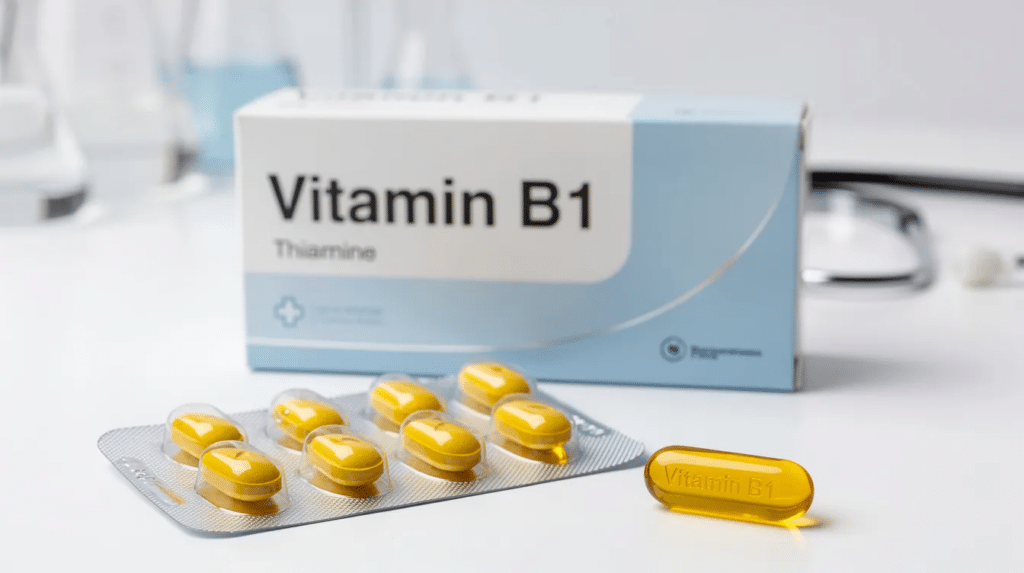
Quick answer: Why thiamine is critical in alcohol use disorder (AUD)
Who should get thiamine: Anyone with chronic heavy drinking, vomiting, weight loss, or confusion
How it’s given: IV or IM during the first 24–72 hours of withdrawal, then oral tablets
What it helps prevent: Wernicke encephalopathy, developing wernicke korsakoff syndrome, beriberi, and peripheral nerve damage
What is thiamine (vitamin B1) and what does it do?
Thiamine is a water-soluble B vitamin your body cannot make. You need it daily from food or supplements to convert food into energy—specifically helping transform carbohydrates and sugar into fuel for cells with high energy demands: the brain, heart, and peripheral nerves.
Normal sources include pork, fortified cereals, beans, nuts, and whole grains. Adults need about 1.1–1.2 mg daily (higher in pregnancy and lactation). The body stores only a few weeks’ worth, so deficiency can develop quickly when diet is poor.
Key functions:
Energy metabolism
Nerve signaling
Memory and concentration
Muscle coordination
Why Alcoholics are at High Risk for Thiamine Deficiency
Chronic alcohol use interferes with thiamine at every level: intake, absorption, storage, and utilization. This creates a perfect storm for deficiency that few other conditions match.
Heavy drinkers often replace meals with alcohol, have poor appetite, and rely on low-nutrition food. Consider someone drinking daily since their 20s who rarely eats breakfast or balanced meals—this pattern is common in alcoholism and leads directly to a lack of essential vitamins.
Alcohol inflames the stomach and small intestine, damaging transport proteins needed to absorb vitamins. After 5–10 years of heavy use, the gut may absorb 70% less thiamine. Meanwhile, chronic liver disease reduces storage and the liver’s ability to convert thiamine to its active form.
How alcohol depletes thiamine:
Decreased intake from poor diet
Impaired absorption from gut inflammation
Reduced liver storage
Blocked conversion to active form
Additional risk factors that overlap with addiction include older age, HIV, bariatric surgery, chronic vomiting, eating disorders, and uncontrolled diabetes.
Early and Advanced Symptoms of Thiamine Deficiency in People Who Drink
Early symptoms are vague and easily dismissed as withdrawal or general malaise—which is why many alcohol-related thiamine problems go unnoticed until serious damage occurs.
Early signs: fatigue, irritability, low mood, poor concentration, decreased appetite, nausea, constipation, mild memory lapses, and numbness or tingling in hands and feet.
Progression: difficulty walking, frequent falls, muscle weakness, burning leg pain, rapid heart rate, leg edema, and shortness of breath.
Prolonged deficiency can lead to distinct but overlapping conditions: wet beriberi (heart), dry beriberi (nerves), and the wernicke korsakoff syndrome spectrum (brain and memory).
Mild vs. severe deficiency:
Mild: Brain fog, nausea, subtle tingling, low energy
Severe: Obvious ataxia, confusion, abnormal eye movement, hallucinations, inability to walk
Emergency warning: In people with alcohol use disorder, new confusion, unsteadiness, or strange eye movements should be treated as a medical emergency for possible wernicke encephalopathy.
Beriberi: Heart and Nerve Damage from Severe Thiamine Deficiency
Beriberi is classic severe thiamine deficiency, historically seen in populations relying on polished rice but now more common in alcoholism and malnutrition.
Wet beriberi affects circulation: enlarged heart, fast heart rate, shortness of breath, leg swelling, and risk of life threatening heart failure.
Dry beriberi affects nerves: numbness, muscle wasting, difficulty walking, foot drop, and loss of reflexes.
A 55-year-old man drinking a fifth of vodka daily might present with swollen legs and trouble climbing stairs—wet beriberi overlapping with early brain involvement. Treatment involves high-dose IV thiamine, fluid management, and complete alcohol cessation. Prognosis improves dramatically when treated early.
Wernicke Encephalopathy and Korsakoff Syndrome: Alcohol-Related Brain Damage
Wernicke encephalopathy and korsakoff syndrome represent the most feared consequences of thiamine deficiency in alcohol use disorder. For detailed information, see our page on wernicke encephalopathy vs korsakoff and wernicke encephalopathy symptoms.
Wernicke encephalopathy is an acute, life threatening brain disorder. The main symptoms include:
Confusion and disorientation
Coordination and balance problems (ataxia)
Abnormal eye movements, nystagmus, or double vision
Only 10–20% show the full classic triad. Without rapid IV thiamine, 50–80% progress to korsakoff syndrome—a chronic condition featuring severe memory loss, confabulation (making up stories without realizing it’s wrong), and inability to form new memories.
Wernicke encephalopathy: Acute, reversible with early treatment
Korsakoff syndrome: Chronic, often only partially reversible
According to NIH data and autopsy studies referenced by the National Institute on Alcohol Abuse, wernicke changes appear in up to 12.5% of people with AUD, yet clinical diagnosis rates remain below 20%.

When and Why Thiamine is Given in Alcohol Detox and Rehab
In modern addiction medicine, thiamine is standard care for anyone withdrawing from alcohol or entering treatment after long-term heavy drinking.
Clinical situations requiring thiamine:
Emergency room visits for intoxication or withdrawal
Medically supervised detox admission
Vomiting, poor intake, or significant weight loss
Confusion, falls, or neurologic complaints
Timing matters critically: thiamine must be given before or alongside IV glucose, because glucose metabolism can worsen encephalopathy when thiamine stores are depleted.
Dosing typically ranges from 100–500 mg IV three times daily for several days in suspected wernicke cases, then high-dose oral thiamine for weeks to months. At Legacy Healing Center’s detox programs, thiamine is routinely provided under physician supervision as part of comprehensive medical stabilization.
If you drink heavily and notice confusion, balance issues, or eye changes, seek emergency care rather than attempting to self-treat.
How Thiamine is Given: IV, IM, and Oral Supplementation
The three routes—intravenous (IV), intramuscular (IM), and oral—serve different clinical needs:
IV thiamine: Preferred in emergencies and suspected wernicke encephalopathy for rapid bloodstream delivery
IM injection: Alternative when IV access is difficult
Oral thiamine: Used after stabilization, often at higher-than-dietary doses for weeks
Thiamine has an excellent safety profile—inexpensive, side effects are rare, and excess is excreted in urine. This makes aggressive early replacement a low-risk strategy.
What to expect at Legacy Healing Center:
Medical assessment on admission
Lab work when indicated
Automatic thiamine support if any deficiency concern exists
Continuous monitoring of neurologic status
Thiamine and Brain Recovery: What Improves and What May Not
Timely thiamine treatment can rapidly improve confusion, eye movement problems, and gait issues in wernicke encephalopathy. Delays, however, can lead to permanent damage.
Short-term improvements: Clearer thinking, steadier walking, improved appetite and energy, decreased neuropathic pain.
If korsakoff syndrome has already developed, some memory and learning problems may persist permanently—though sustained sobriety, cognitive rehab, and structured routines help patients function better.
Factors influencing recovery:
Duration of deficiency before treatment
Age and overall health
Presence of liver disease or other conditions
Whether the person remains abstinent
At Legacy Healing Center, thiamine replacement combines with psychotherapy, psychiatric support, nutrition counseling, and cognitive rehabilitation. Even when full recovery isn’t possible, early treatment significantly improves quality of life.
Thiamine is Not a Cure for Alcoholism
The Role of Thiamine Within Comprehensive AUD Treatment
While thiamine protects the brain and nerves, it does not treat cravings, psychological dependence, or behavioral patterns of the disorder. It’s one component of evidence-based AUD treatment.
Comprehensive treatment includes:
Medically supervised detox with vitals monitoring
Nutritional restoration (multivitamins, folate, thiamine)
Individual and group therapy
Medications when appropriate (naltrexone, acamprosate)
Ongoing residential or outpatient care and relapse prevention
Legacy Healing Center offers luxury residential settings, privacy for executives and professionals, trauma-informed therapy, and dual diagnosis care with same-day admissions when possible. Our attention to medical detail—including routine thiamine support—ensures clients are protected from preventable complications while they focus on long-term recovery.
What to look for in treatment:
Access to addiction medicine physicians
24/7 nursing during detox
Routine vitamin support
Experience managing complex medical and psychiatric needs
Contact Legacy Healing Center for a confidential assessment and insurance verification if you’re concerned about alcohol’s impact on brain health.



Related Blog
How Long Does Tylenol Stay in Your System?
Tylenol (acetaminophen) stays in your system for up to 24 hours in most healthy adults. Its pain-rel...
Read More
How to Quit an Addiction: A Step‑by‑Step Guide to Lasting Recovery
Key TakeawaysAddiction is treatable. It is not a moral failing, character flaw, or weakness, e...
Read More
Brandon Clarke Overdose: How Addiction Experts See This As A Silent Emotional Battle Behind Hidden Substance Abuse
The past two days have brought extensive new coverage of basketball player Brandon Clarke’s untimely...
Read MoreAbout The Contributors

Alex Herrera
Director of Performance Improvement

Phyllis Rodriguez, PMHNP-BC
Psychiatric-Mental Health Advanced Practice Registered Nurse
Phyllis Rodriguez is a board-certified Psychiatric Mental Health Nurse Practitioner (PMHNP-BC) with a strong commitment

Dr. Ash Bhatt, MD, MRO
Chief Medical Officer
Dr. Ash Bhatt, MD, MRO is a quintuple board-certified physician and certified medical review officer